
Who Can Legally Officiate a Wedding in the UK? Understanding Your Options
Understanding who can legally officiate a wedding in the UK is important for your big day. Only licensed members of the Church or those registered by the local authority can officiate a wedding ceremony that is legally binding. This means that while you may wish for a close friend or family member to lead your ceremony, it’s crucial to ensure they meet the legal requirements.
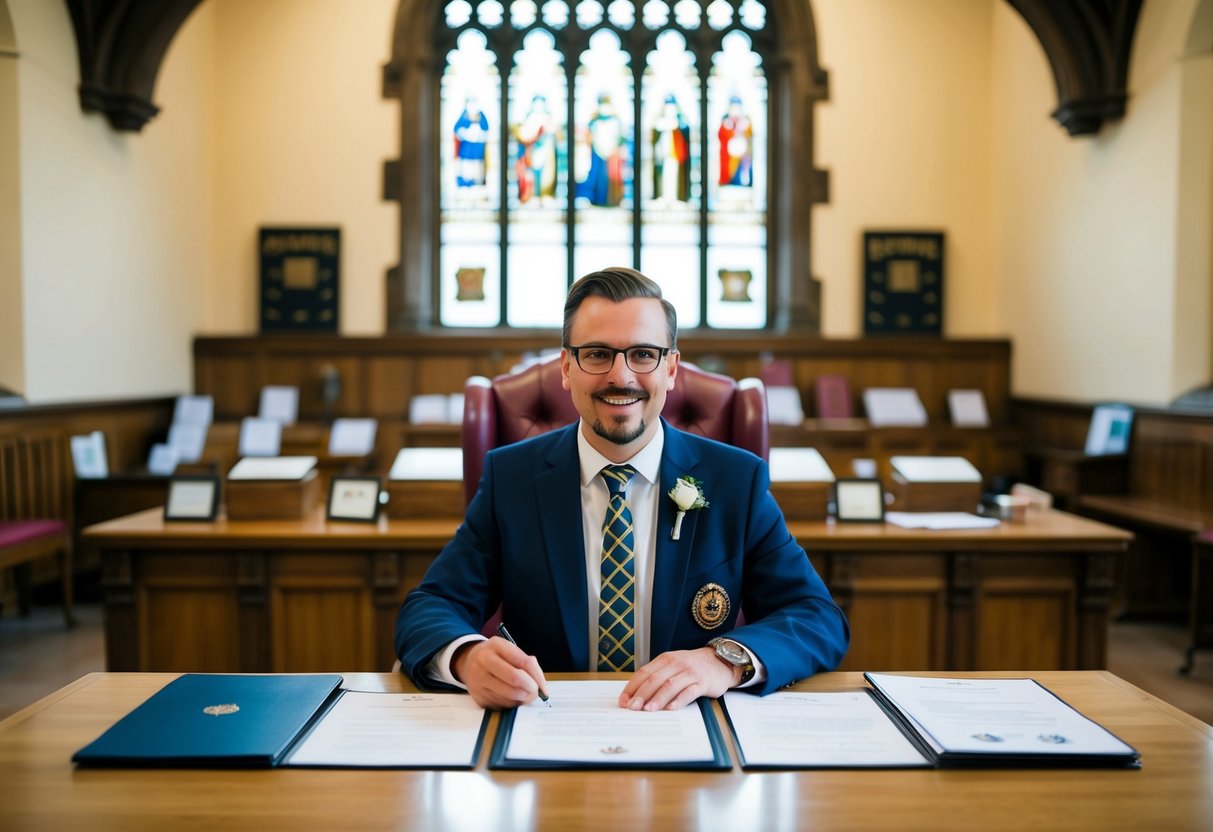
If you’re considering a unique or personal touch for your wedding, you might wonder about alternative options. While anyone can conduct a non-legally binding ceremony, the important legal aspects must still be handled by an authorised person. This ensures that your marriage is recognized by law, and all your plans come together without any hitches.
Navigating the rules around wedding officiation can be confusing, but knowing the legal requirements helps you make informed decisions. From religious ceremonies to civil partnerships, there are several ways to celebrate your commitment while ensuring everything is official.
Who Is Authorized to Officiate a Wedding?
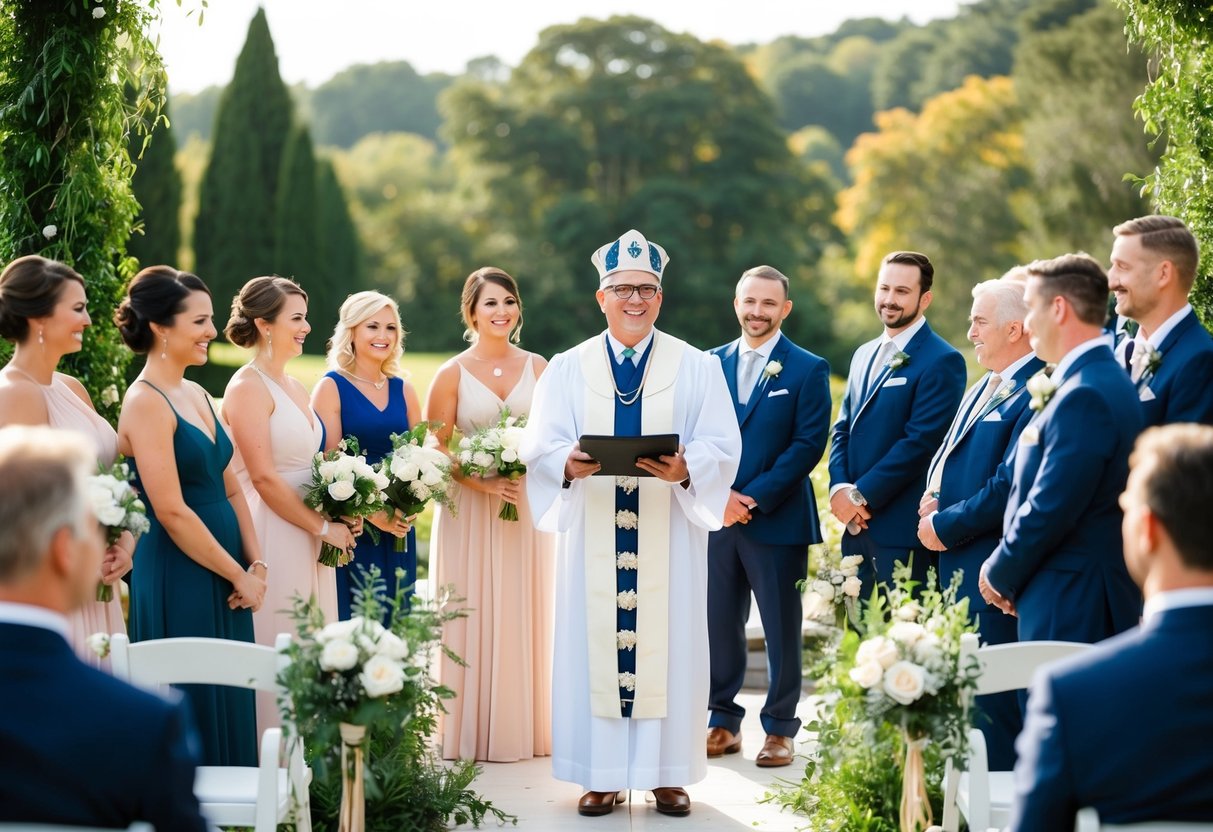
In the UK, several types of individuals can officiate your wedding, depending on whether you choose a religious or civil ceremony. Understanding these roles can help you make informed decisions for your special day.
Recognized Religious Leaders
If you’re planning a religious wedding, recognized leaders from various faiths can officiate your ceremony. This includes leaders from the Church of England, Catholic Church, Anglican, Jewish communities, and Quaker traditions.
To officiate, these leaders must be licensed members of their respective churches or theological institutions. They are authorized to validate your marriage in accordance with religious laws.
You’ll usually find these leaders performing ceremonies at places of worship, but many can also conduct services in licensed venues. Always check with your specific church about their requirements and process for booking weddings.
Civil Officiants
For those who prefer a civil ceremony, registrars are the key figures. Civil officiants are trained professionals authorized by the local authority to conduct weddings.
You can choose to have your ceremony in a registered venue, such as hotels or community centers. These venues must be approved for civil ceremonies.
During a civil wedding, the officiant ensures that your marriage meets legal requirements. They handle all necessary documentation and register your marriage with the local marriage authority to make it official.
Whether you go religious or civil, understanding who can officiate your wedding helps you navigate the process smoothly.
Types of Wedding Ceremonies in the UK
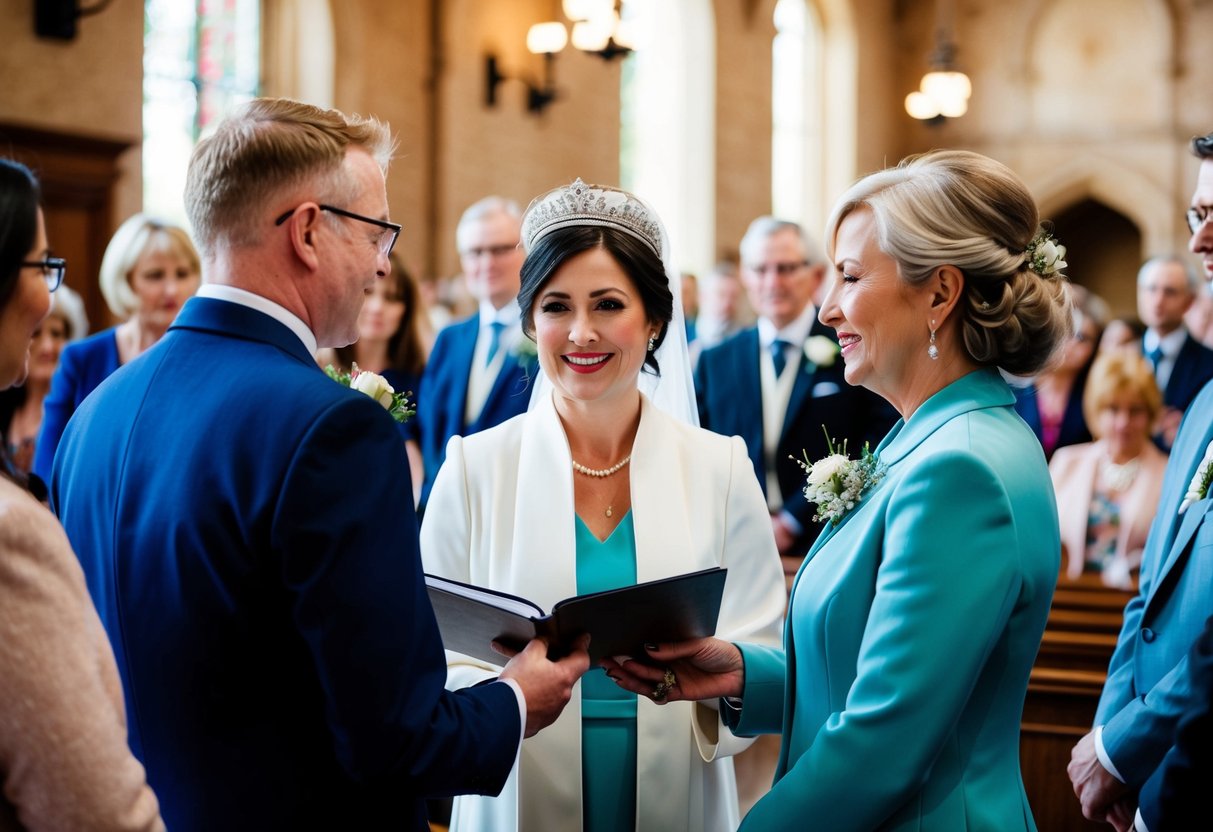
In the UK, couples have several options for their wedding ceremonies. These vary by type, location, and legal considerations. Each type has distinct features that may affect how you plan your special day.
Religious Ceremonies
Religious ceremonies are popular for couples looking to incorporate their faith into their wedding. The Church of England, Catholic Church, and various Anglican and Jewish traditions offer unique aspects for your big day.
To hold a legally binding religious ceremony, you need to be married in a recognized place of worship. You’ll also need a marriage schedule and may have to attend premarital counseling, depending on the church’s requirements. After the ceremony, you’ll receive a marriage certificate, which is essential for legal documentation. This type of ceremony can create a deep sense of community and spiritual significance for you and your guests.
Civil Ceremonies
A civil ceremony is a legal marriage that takes place without religious elements. These ceremonies are often held in locations such as registrars’ offices, hotels, or other approved venues.
You book the ceremony with a local registrar, who will guide you through necessary paperwork. During the ceremony, you’ll exchange vows and sign the marriage register to make your union legal. Civil partnerships are also an option for same-sex couples, offering similar legal recognition. A civil ceremony can be tailored to fit your style, making it a flexible choice for your wedding day.
Humanist and Non-Legally Binding Ceremonies
Humanist ceremonies are gaining popularity for couples who prefer a non-religious setting. A humanist celebrant can help you create a unique ceremony that reflects your beliefs and values.
While these ceremonies are meaningful, they are not legally binding in the UK. You would still need to hold a civil ceremony or a religious one to ensure legal recognition. Non-legally binding ceremonies can take place anywhere, from gardens to beaches, providing you with creative freedom. If you choose this route, think about incorporating personal elements, such as readings or rituals, that resonate with you and your partner.
Becoming an Officiant for a Day
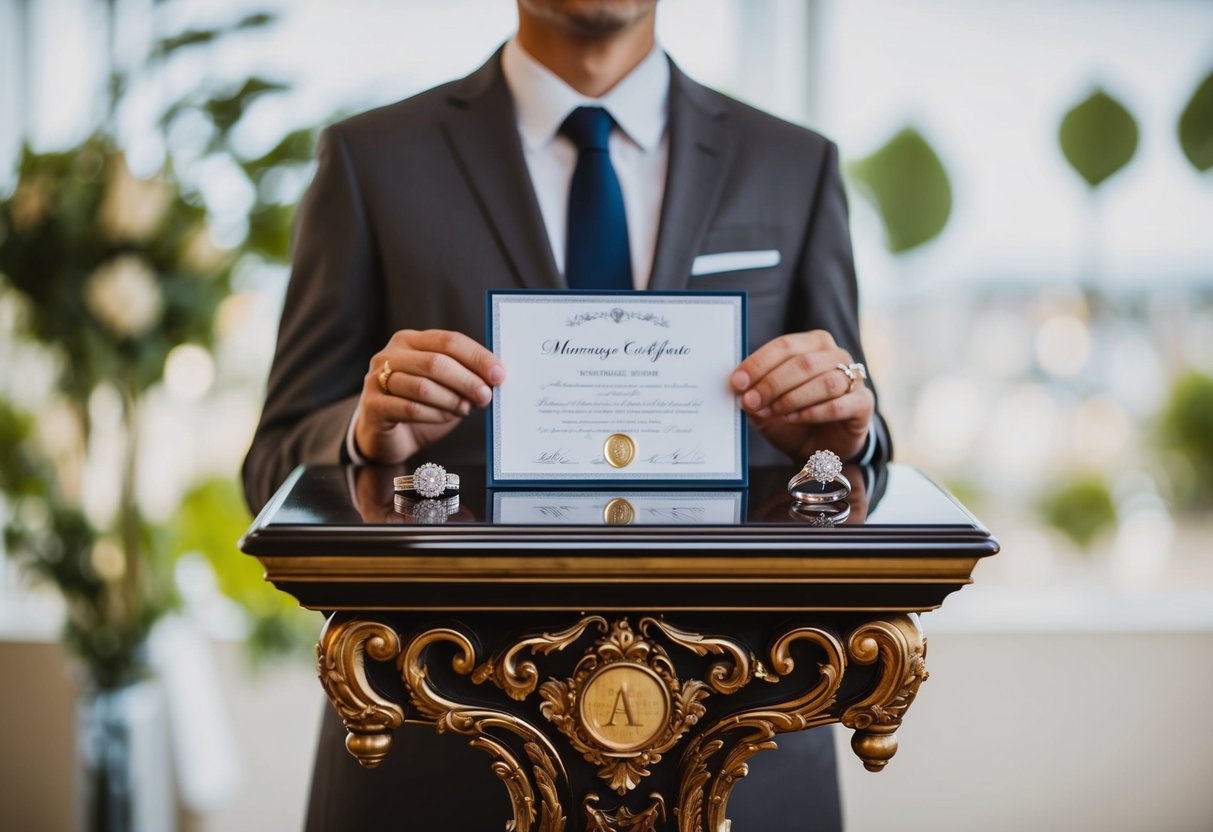
If you’re considering having a friend or family member officiate your wedding, there are ways to make this happen. You can have someone ordained online or designate a loved one to lead a non-legal ceremony. Below are key details for both options.
Online Ordination
Getting ordained online is a straightforward process. Many organizations, like the Universal Life Church or Open Ministry, offer free ordination. You fill out an ordination request form and, once approved, receive an ordination package.
In the UK, you must still work with a registered officiant if you want a legally binding marriage. An ordained person can officiate personal vows and lead your wedding ceremony, but ensure they are registered to perform legal duties. This option combines personal touches with legal requirements, allowing you to make your day unique while staying within the law.
Friends and Family Officiants
Your friend or family member can’t make your marriage legally binding unless they are a registrant, but they can still play a significant role. They can lead a non-legal ceremony. This means you can focus on personal vows and the unique touches that matter to you.
If you choose this route, you may want to provide them with a wedding ceremony script to help guide the event. Remember, they should feel comfortable speaking in front of a crowd. This way, your ceremony can be meaningful and personal while fulfilling your vision for the day.