
Who Can Officiate at a Funeral in the UK? Understanding Your Options
When planning a funeral in the UK, you may wonder who can officiate the ceremony. The great news is that anyone can conduct a funeral service, whether a family member, friend, or a trained professional. This flexibility allows you to customize the experience and make it meaningful for your loved ones.
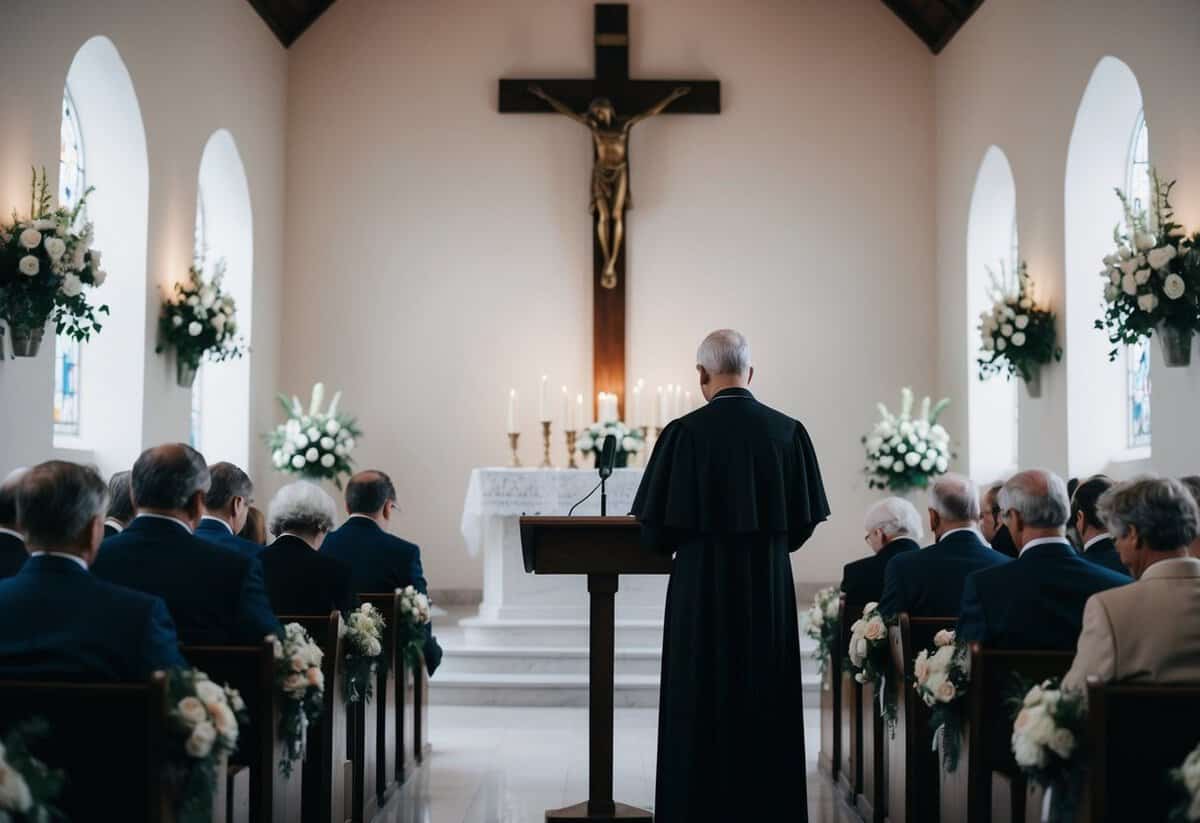
You have different options for who can lead the service. Religious leaders, such as priests or vicars, often conduct traditional funerals. Alternatively, you might choose a civil celebrant for a non-religious or personalized celebration of life. They can help create a unique funeral ceremony that reflects the personality and passions of the person you are honoring.
Understanding your choices can help you create a fitting atmosphere to say goodbye. Whether you prefer a formal service or a more relaxed gathering, knowing who can officiate is an important step in planning a funeral that truly resonates with your family’s wishes.
Qualifications and Roles of Funeral Officiants
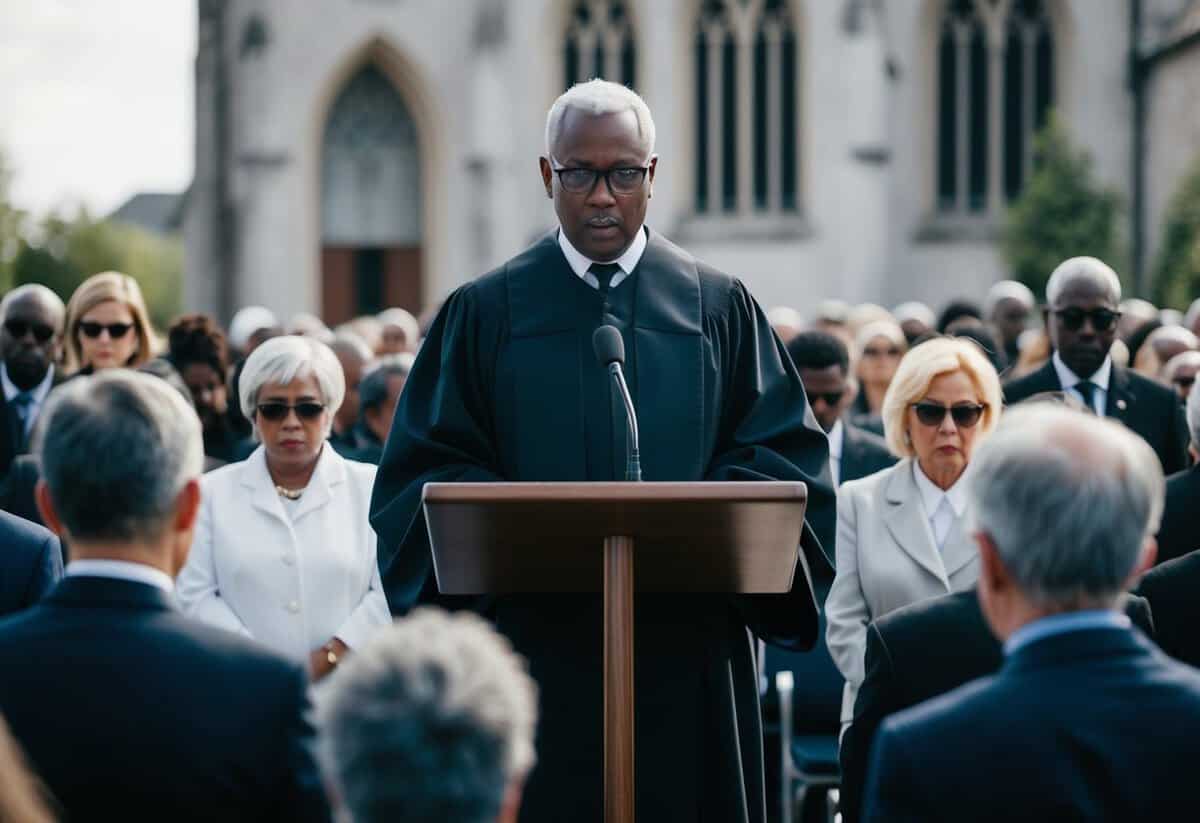
Funeral officiants play key roles in guiding families through the difficult process of honoring a loved one. Different types of officiants bring various qualifications and approaches to the service. Understanding these can help you choose the right person for your needs.
Religious Funerals and Clergy
Clergy members are trained religious leaders, such as priests, ministers, and rabbis. They typically have formal education and certification in their faith’s teachings and practices.
These officiants conduct funerals that align with specific religious traditions. Common aspects include prayers, readings from sacred texts, and rituals relevant to the faith.
For instance, a Christian clergy member might include hymns and scripture readings, while a rabbi would incorporate Jewish customs. Their role ensures that the service meets spiritual needs and respects cultural beliefs.
Civil Celebrants and Their Training
Civil celebrants are non-religious officiants who specialize in personalizing ceremonies. They often come from various backgrounds and may have qualifications through organizations like the Institute of Civil Funerals.
Many civil celebrants undergo extensive training to craft unique services that reflect individual lives and family wishes. They learn how to create meaningful scripts, offer support, and manage the logistics of the ceremony.
Their flexibility allows for customization, including the choice of readings, music, and personal stories. This role is great for those looking for a more secular approach to memorial services.
Humanist Celebrants Explained
Humanist celebrants focus on non-religious ceremonies that emphasize values like compassion and respect for all people. They often work with organizations such as Humanists UK, which trains these celebrants to conduct thoughtful services.
These officiants do not incorporate religious elements, instead honoring the deceased’s life through personal anecdotes and reflections. They aim to create a service that celebrates the individual’s contributions and character.
Humanist celebrants are skilled in helping families express their feelings and memories in a way that resonates deeply. Their approach is ideal for those who prefer a completely secular memorial.
Planning the Funeral Service
When planning a funeral service, it’s important to consider several key aspects. You need to choose the right officiant, decide on the order of service, and think about the music and readings. Each of these elements helps create a meaningful tribute.
Choosing the Right Officiant for Your Service
Selecting the right officiant can create a special tone for the service. If you want a traditional ceremony, you might consider a priest, vicar, or other religious leaders. They can guide you through the religious aspects and provide comfort to family.
For a more personalized approach, a civil celebrant is a great option. They can design a non-religious service that reflects the deceased’s life. Make sure to connect with your chosen officiant early to discuss your wishes and any essential details.
The Order of Service and Readings
The order of service outlines the ceremony’s structure and helps guests know what to expect. It usually includes elements like the eulogy, readings, and moments of reflection.
You can choose readings that were meaningful to your loved one or select comforting pieces of poetry or literature. Including a eulogy is a heartfelt way to share memories and celebrate the person’s life. You might ask family or close friends to contribute. Write it in advance and practice, so it flows naturally during the service.
Incorporating Music and Hymns
Music adds a personal touch to the service and helps create the right atmosphere. You can select hymns that were significant to your loved one, or choose songs that reflect their personality.
Many people find comfort in familiar hymns during a funeral. Consider familiar pieces that can be sung along with or played softly. Remember to discuss your music choices with the officiant to ensure they fit well within the service.
Types of Services and Ceremonies
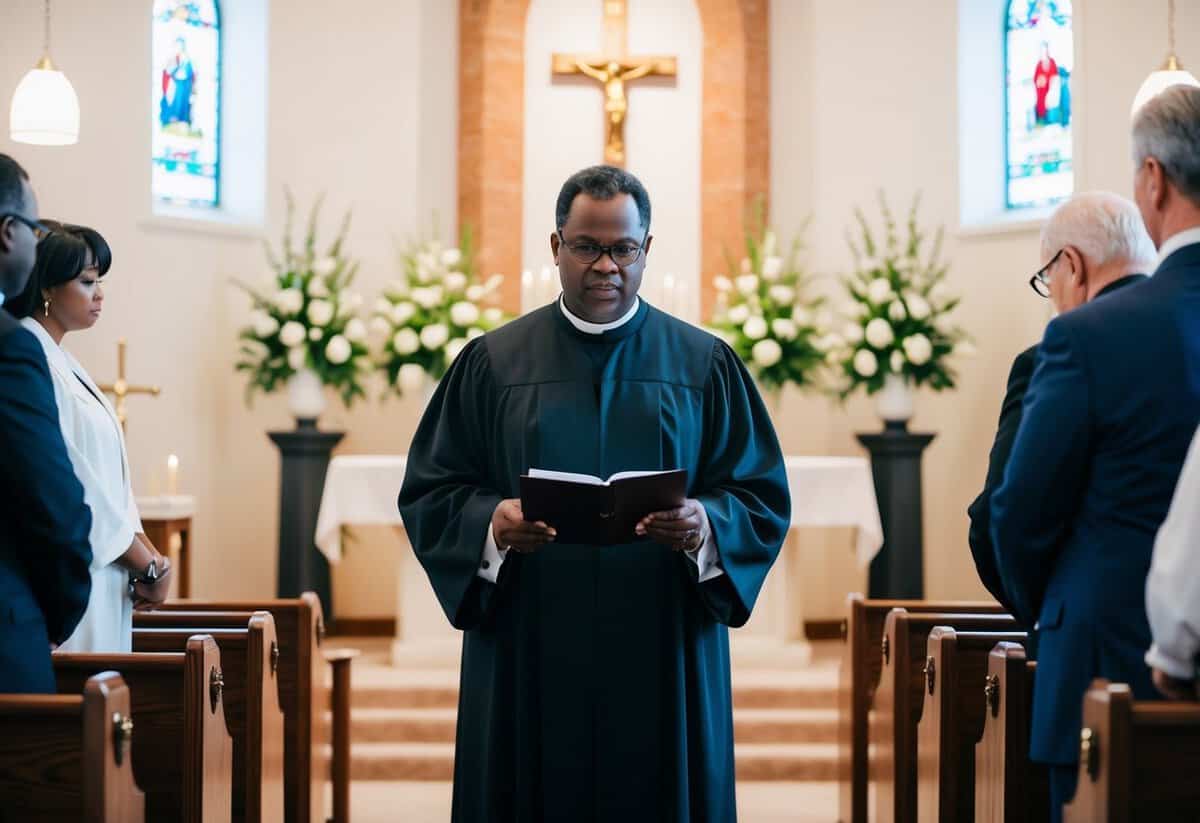
When planning a funeral, various types of services and ceremonies can be considered. Each type holds its own significance, tailored to reflect the beliefs and wishes of the deceased and their loved ones. Here’s a closer look at these options.
Traditional Religious Funerals
Traditional religious funerals are often led by a religious figure, such as a priest or vicar. These services typically include hymns, prayers, and scriptures that align with specific faiths, creating a comforting atmosphere.
In this format, the focus may be on honoring the spiritual journey of the deceased. Family and friends can take part by sharing memories and stories, often in a church or another sacred space. Rituals like lighting candles or partaking in communion may also occur, offering a sense of peace.
Non-Religious Funerals and Civil Ceremonies
Non-religious funerals are increasingly popular as they provide a personal touch without religious elements. In these ceremonies, you can choose a celebrant or a family member to lead the service. It allows for more freedom in planning.
The ceremony can be customized to reflect the personality and passions of the deceased. You might include music they loved, readings from favorite books, or even a slideshow. Civil ceremonies often focus on celebrating the life lived rather than the loss.
Memorial Services and Celebrations of Life
Memorial services and celebrations of life offer another way to honor someone who has passed away. These events can occur weeks or months after the person’s death and often emphasize remembrance rather than mourning.
During these gatherings, you can invite friends and family to share their stories and memories in a relaxed atmosphere. Activities like sharing meals, playing their favorite music, or creating memory tables with photos can add a personal touch. Celebrations of life can take many forms, making them unique to the individual being honored.
Practical Considerations
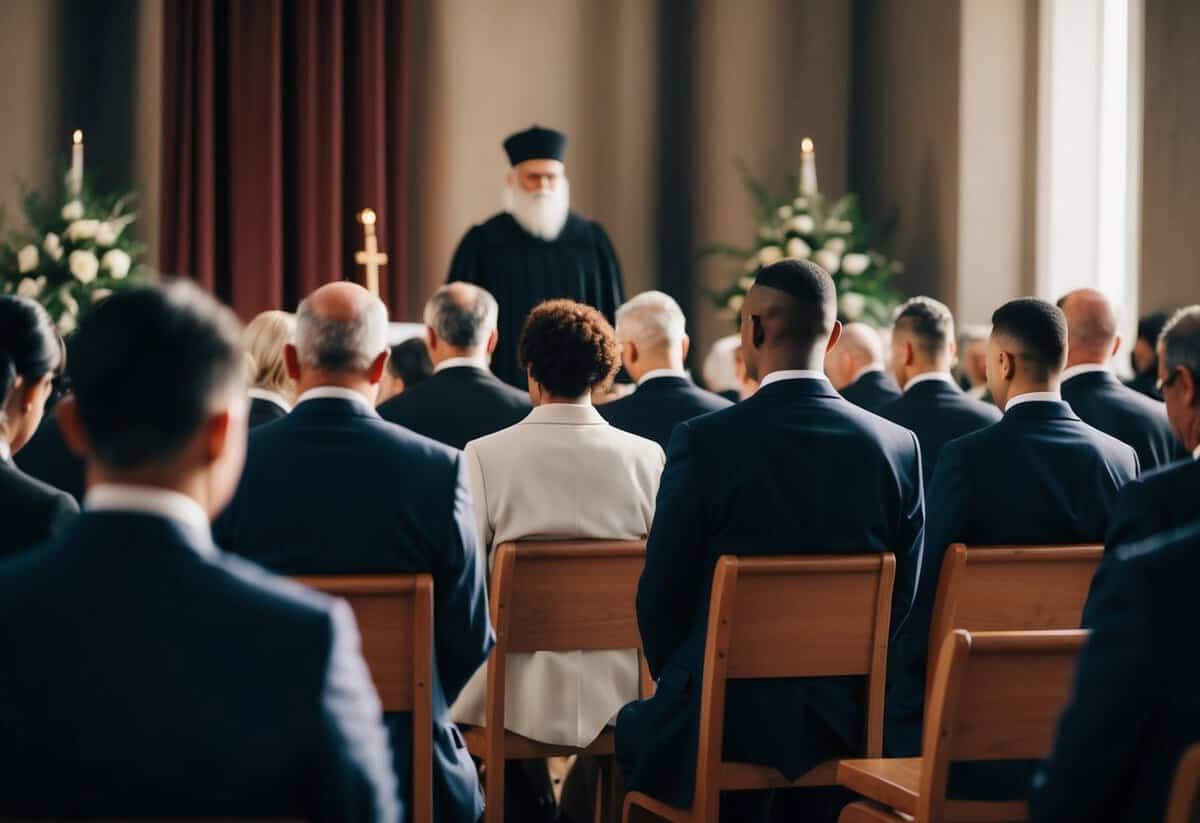
When planning a funeral, there are several practical aspects to think about. These include the costs involved, whether family or friends might officiate, and where the ceremony will take place. Each factor can significantly impact the overall experience for you and your loved ones.
Celebrant Fees and Expenses
Hiring a celebrant can add to the costs of a funeral. Most celebrants charge fees that may range from £150 to £300, depending on their experience and the services they provide.
In addition to their fees, there may be other expenses such as travel costs or materials for the ceremony. Always ask for a clear breakdown of costs up front. It’s wise to set a budget. This helps you manage expenses while ensuring that the ceremony remains personal and meaningful.
DIY Funerals: When Family and Friends Officiate
You might consider a DIY funeral, where family members or friends lead the ceremony. It can be a heartfelt way to honor a loved one. Many people find comfort in sharing stories and memories.
When choosing someone to officiate, consider their speaking skills and comfort level with public speaking. Ensure they know your loved one well. Planning together can create a fitting tribute.
It’s important to be aware of any legal requirements, as some venues may have specific rules about who can lead a ceremony.
Venue Selection: From Crematorium to Burial Grounds
The venue for a funeral can greatly influence the atmosphere. You can hold the service at various locations, like a crematorium, burial ground, or even a community hall.
If you choose a crematorium, make sure you check availability well in advance. Many crematoriums have set times for services.
Similarly, burial grounds might have specific areas designated for services.
Think about the size of the venue based on your expected guests. A small, intimate space may feel more personal, while a larger venue can accommodate more attendees.
Whichever option you choose, make sure it aligns with your loved one’s wishes and reflects their personality.