
Who Dances First at a Wedding? Understanding the Tradition and Choices
When it comes to weddings, one of the most anticipated moments is the dance floor opening. Traditionally, the newlyweds dance first, marking a special moment as they celebrate their love and unity in front of family and friends. This dance often sets the tone for the rest of the evening and invites everyone to join in the fun.
After the couple takes the floor, there are often parent dances, such as the father-daughter and mother-son dances. These moments can be both heartfelt and meaningful, highlighting important family connections.
Understanding the order of dances helps you plan an unforgettable celebration that reflects your style and personality.
By knowing who dances first at your wedding, you can create a memorable experience for yourself and your guests. Let’s dive deeper into the details of wedding dances and what to expect during this joyful celebration.
The Significance of the First Dance
The first dance at your wedding is more than just a fun moment. It symbolizes the start of your journey together as a couple. This cherished tradition gives you a chance to showcase your love and unity in a special way.
Traditions Behind the First Dance
The first dance is a long-standing wedding tradition that dates back many years. Often, this moment is seen as a celebration of your new marriage. During this dance, you and your partner become the center of attention, marking the official start of the festivities.
In many cultures, the first dance allows guests to witness the bond between the bride and groom. It sets the tone for the evening and encourages others to join in. Some couples choose to take dance lessons beforehand. This can help you feel more confident and make the moment even more memorable.
Choosing the Perfect Song
Picking the right song for your first dance is important. The song should reflect your personalities and tell your unique story.
You might choose a classic romantic ballad or a fun, upbeat track that makes you both smile.
Think about songs that hold special meaning for you as a couple. It could be the song that played during your first date or something that reminds you of a memorable moment together.
Don’t hesitate to practice your dance moves to the song. This will help you feel more comfortable and make the experience enjoyable for both you and your guests.
Order of Dances at the Wedding Reception
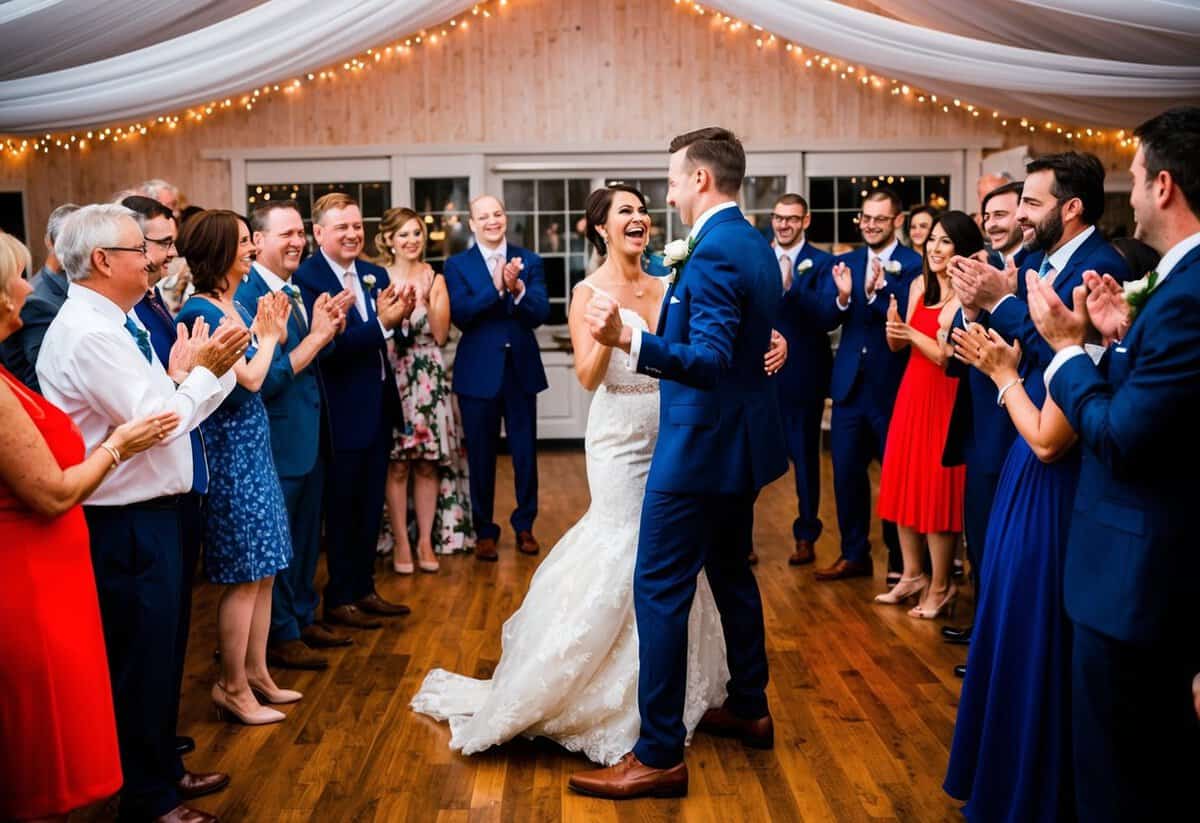
Understanding the order of dances at a wedding reception helps create a joyful atmosphere. Each dance has its own significance and helps involve guests in memorable ways.
Parent Dances and Their Meaning
One of the most touching parts of a wedding reception is the parent dances. Typically, the father-daughter dance is first. This dance symbolizes the special bond between a father and his daughter. It’s a moment of love and appreciation as they share memories.
Following this, there is the mother-son dance. This dance highlights the relationship between the groom and his mother, often showcasing gratitude for her support.
These dances not only honor parents but also set a heartfelt tone for the celebration.
Group Dances and Party Hits
After the emotional parent dances, it’s time for the fun to begin! The wedding party dance often comes next, featuring all the bridesmaids, groomsmen, and other key family members. This dance creates a lively atmosphere and encourages everyone to join in.
As the night progresses, you can invite guests to participate in group dances.
Popular choices include the Electric Slide or the Cotton Eyed Joe. These dances bring everyone together and keep spirits high.
They often occur after the cake is cut, allowing guests to shake off any nerves and celebrate.
The Final Dance of the Night
The last dance is a significant moment in the wedding reception. It often focuses on the newlyweds, giving them a private moment to celebrate their commitment.
Sometimes, all guests join in, creating a sense of community.
Another popular tradition is the anniversary dance. During this dance, all married couples take to the floor, celebrating their love while showcasing their shared experiences.
This moment highlights the importance of love and marriage, reinforcing the theme of the night. It’s a beautiful way to wrap up the festivities and leave a lasting impression.
Creating a Memorable Dance Floor Experience
The dance floor is a central part of your wedding celebration. It’s where fun takes place and lasting memories are made. To ensure your dance party is unforgettable, consider etiquette, ways to engage guests, and the vital roles of your DJ and emcee.
Dance Etiquette for Wedding Parties
Dance etiquette helps create a fun and respectful atmosphere. When it’s time for the first dance, make sure everyone knows their roles.
The bride and groom should have the spotlight during their special moment.
Encourage wedding parties to join in after the couple’s dance. Remind them to respect the space of others, especially during slower songs.
When it’s time for upbeat music, everyone can get involved. Make sure there is enough room on the dance floor for guests to move around and enjoy themselves.
Engaging Guests with Interactive Dances
Getting guests involved can greatly enhance the experience.
Consider including interactive party dances that everyone can join, like the Cha Cha Slide or the Electric Slide. This encourages even shy guests to join in and enjoy.
Choreographed dances can also be entertaining. If you and your partner want to show off your moves, consider rehearsing a fun routine.
It adds a personal touch and encourages guests to join in afterward. Make sure to mix in slower songs to give everyone a chance to relax and chat.
Role of the DJ and Emcee
The DJ and emcee play key roles in keeping the energy high.
Your DJ should know how to read the crowd. They need to mix different types of music to keep everyone dancing.
Smooth transitions between songs are essential to maintain excitement.
An engaging emcee can help build energy, encouraging guests to hit the dance floor. They can introduce dances and announce special moments, making everyone feel involved.
Together, the DJ and emcee create an atmosphere that makes your dance floor the highlight of the evening.
Incorporating Cultural Elements into Wedding Dances
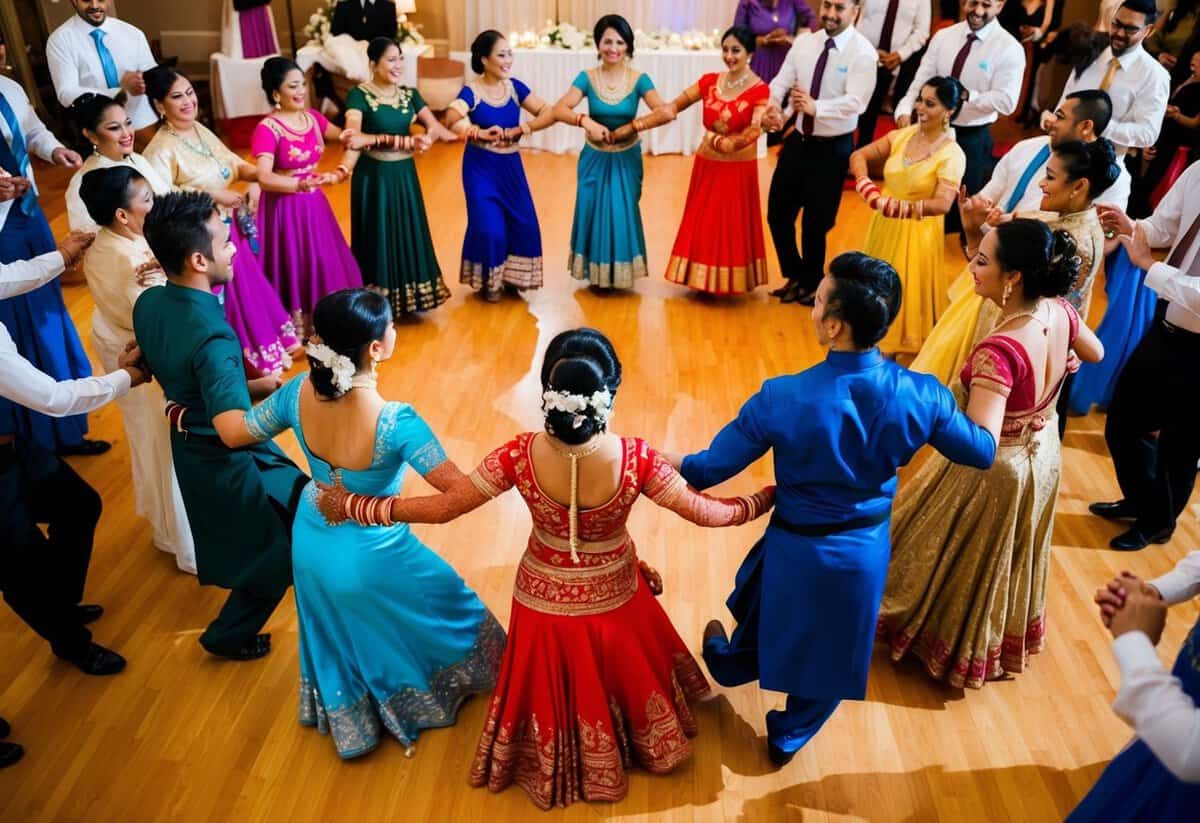
Dancing at weddings often includes customs that highlight your cultural background. By incorporating cultural elements, you can create meaningful moments that resonate with you and your guests. This can include traditional wedding dances and unique performances by your wedding party.
Cultural and Traditional Dance Routines
Many weddings feature traditional dances that reflect the couple’s heritage.
For instance, the hora is popular in Jewish weddings. Guests join in a circle, lifting the couple in chairs, creating joy and connection.
Another example is the money dance, common in various cultures. Guests pay to dance with the bride or groom, which can contribute to the couple’s honeymoon fund.
Consider including other dances that are significant to you. This might involve hiring dancers to perform cultural dances that tell a story about your roots. The atmosphere created by these routines enriches the wedding experience.
Unique Dance Performances by the Wedding Party
Your wedding party can add excitement with unique dance performances. Encourage them to learn a traditional dance or create a fun routine that pays homage to your backgrounds.
You could incorporate popular elements like the bouquet toss or garter toss into a dance number. Make it lively and engaging to get everyone involved.
Sharing these performances during the cocktail hour lets guests dance and connect. It’s a great way to keep spirits high and celebrate love among family and friends.