
Who Do I Need to Inform When I Get Married in the UK? A Quick Guide for Newlyweds
When you decide to get married or form a civil partnership in the UK, there are several important steps to take. You need to inform certain organizations, like HM Revenue and Customs (HMRC), your local council, and possibly your bank. Each of these notifications ensures that your marriage is officially recognized and your personal records are up to date.

It’s also essential to know that if you’re planning a wedding, you may need to contact the venue to ensure it is approved for marriage ceremonies. This is important whether you’re having a civil ceremony or a religious one. Understanding these requirements helps make your special day go smoothly.
Taking care of these details can seem overwhelming, but knowing who to inform makes the process easier.
Legal Requirements and Documentation
When planning your marriage in the UK, understanding the legal requirements and necessary documentation is crucial. You’ll need to notify the registrar, provide proof of identity and nationality, and present any documents related to your previous marital status. Here’s what you need to know.
Notifying the Registrar and Notice of Marriage
Before you can get married, you must notify a local registrar. This includes providing a Notice of Marriage, which is a formal statement that you intend to marry. You can give this notice at your register office.
You should give notice at least 28 days before your wedding. The notice will be displayed at the register office and remains there for 28 days. This step is necessary to ensure that there are no legal reasons preventing your marriage. If everything is in order, you’ll receive a Marriage Schedule.
Providing Proof of Identity and Nationality
To marry in the UK, you need to prove your identity and nationality. This is typically done with documents like a valid passport or birth certificate. If you are not a UK citizen, you may need to show a residency permit.
If you plan to get married in a civil ceremony, ensure your documents are original and not photocopies. These documents help to verify your identity and ensure you meet the legal requirements. Remember, if any documents are in a foreign language, they must be translated into English and certified.
Previous Marital Status and Relevant Documents
If you’ve been married before, you’ll need to provide documentation about your previous marriage. For example, a divorce decree absolute is required if you are marrying after a divorce. If your previous marriage was annulled, you’ll need an annulment certificate.
In case of a partner’s death, you must present the death certificate. It’s essential to have these documents ready when giving notice. This confirms that you’re legally free to marry and helps avoid any complications during the process. Make sure to have all relevant paperwork organized well in advance.
Planning Your Ceremony
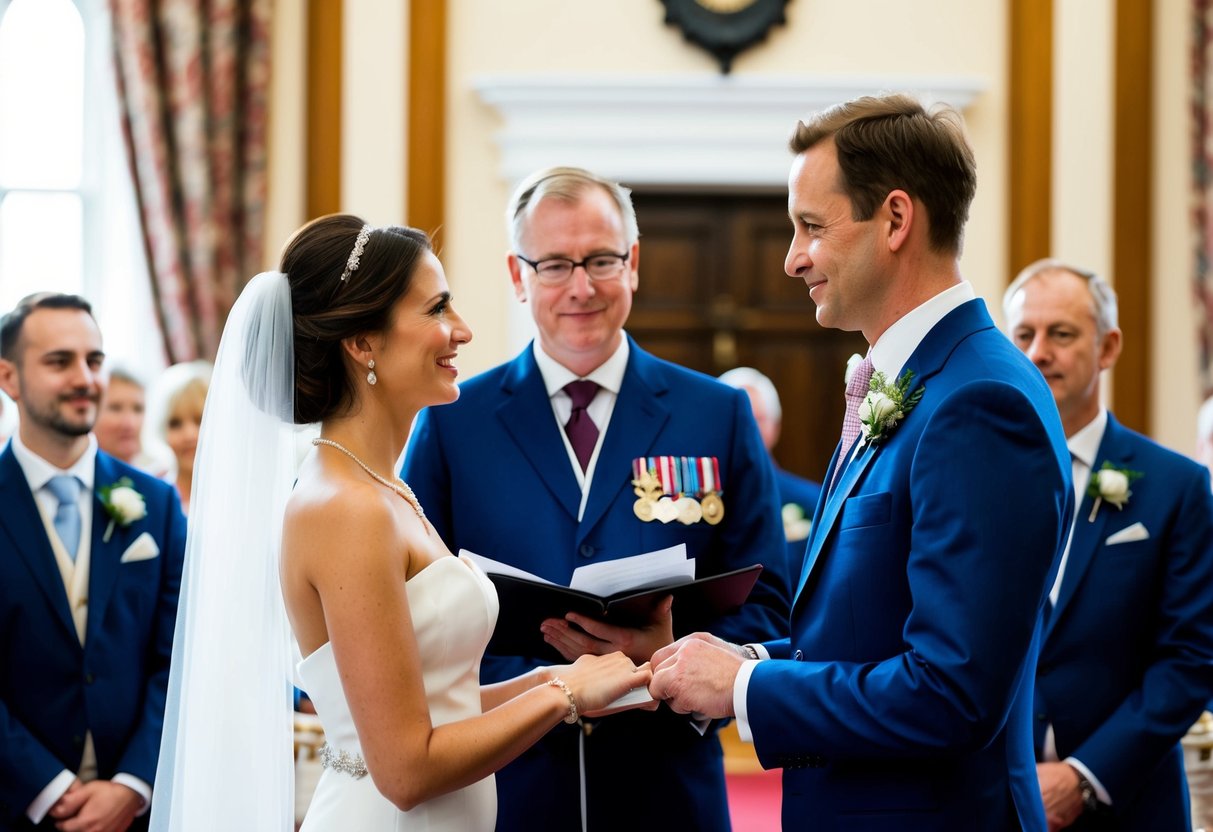
Planning your ceremony involves several important decisions. You will choose between civil and religious ceremonies, select the right venue, and understand if you need parental consent. Each of these steps helps ensure that your special day meets your needs and preferences.
Choosing Between Civil and Religious Ceremonies
When deciding between a civil or religious ceremony, think about what is meaningful to you. A civil ceremony is often simpler and can take place in various locations, like a registry office or other approved venues. This is a great option if you’re looking for flexibility and personalization.
On the other hand, a religious ceremony typically occurs in a place of worship and follows specific customs. Religious weddings often involve rituals that reflect your faith. You’ll need to check with your chosen church or religious body about any requirements, such as a marriage certificate or marriage schedule.
Selecting a Venue
Once you’ve chosen the type of ceremony, it’s time to find the perfect venue. Consider your style, guest list, and budget. Civil ceremonies can be held at local council offices or licensed venues, while religious weddings generally take place in a church or chapel.
Think about the atmosphere you want on your special day. Do you prefer a formal setting or something more relaxed? Don’t forget to confirm that your chosen venue is available on your wedding date and can accommodate your needs. It’s essential to book early to secure your date.
Understanding Parental Consent
If you are under 18, you must seek parental consent before marrying in the UK. The age of consent varies, but you generally need permission if you’re between 16 and 18. Both parents or guardians should be informed and agree to your plans.
You may need to provide proof of consent when applying for your marriage certificate. Make sure to discuss this with your family to ensure everyone is on the same page. Understanding this requirement will help you navigate the legal aspects of planning your wedding smoothly.
Updating Personal and Legal Documents
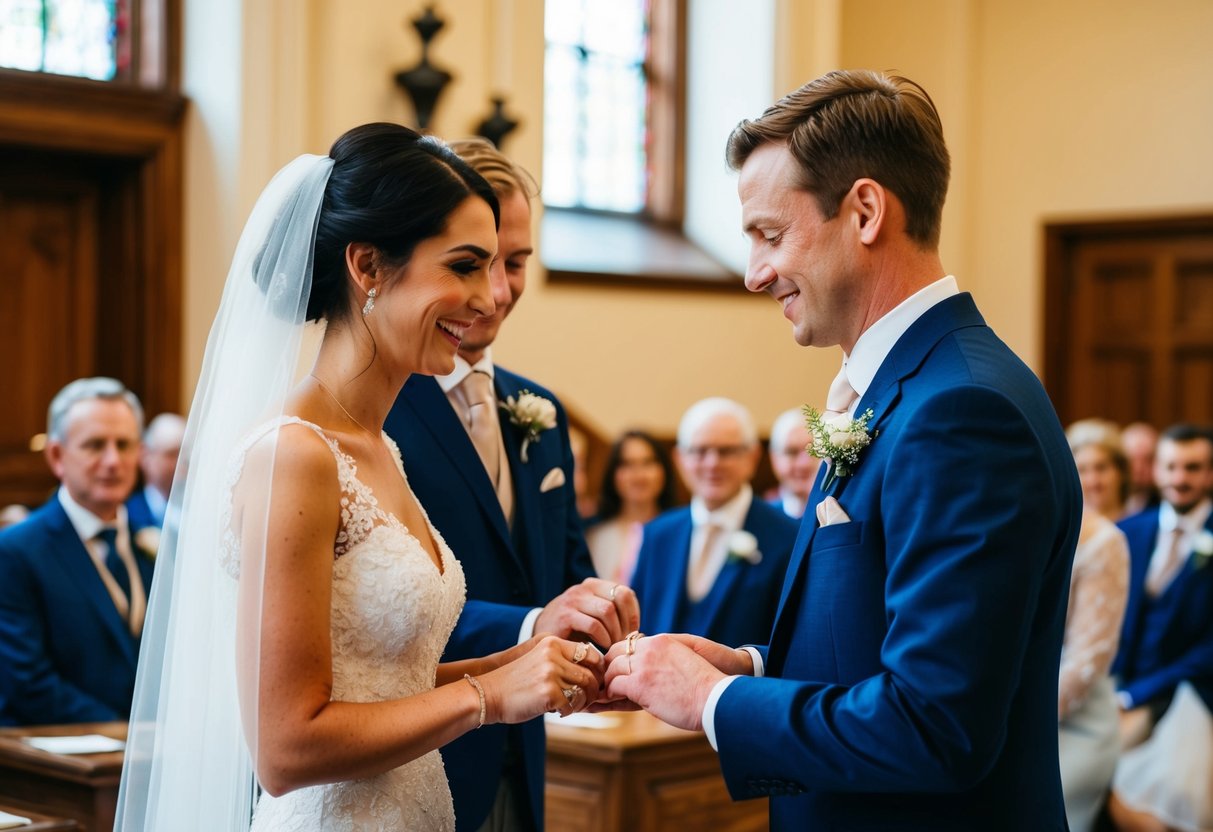
After getting married in the UK, it’s important to update your personal and legal documents. This ensures that all your records reflect your new marital status and any name changes you choose to make.
Changing Names on Official Records
If you decide to change your name after marriage, start with key documents such as your Passport and Driving Licence. You will need to gather necessary documents like your marriage certificate to support your name change.
- Passport: Submit a new application with supporting documents. Check the specific guidelines from the UK government.
- Driving Licence: Visit your local DVLA office or their website for the name change process. You’ll need your current licence and marriage certificate.
Additionally, update your name on your utility bills, bank statements, and council tax bill. Contact your bank and building society to change your personal details. Each institution has its own process, so be ready to provide the required documentation.
Notifying Governmental and Financial Institutions
You should inform several governmental and financial institutions to ensure that your records are accurate. Start with the Registrar if you are changing your name legally. They will guide you through the name change process.
Notify HM Revenue and Customs (HMRC) about any changes to your marital status. This can affect your tax situation and other benefits.
For your EU Settlement Scheme status, if applicable, make sure to update your name if you are a key holder of Settled Status or Pre-settled Status. This keeps your immigration status current.
Don’t forget to update your mortgage statement, tenancy agreement, and any other important documentation that may have your name on it. Keeping your records consistent will help avoid issues in the future.
Implications for Immigration and Citizenship

Getting married in the UK can significantly affect your immigration status and options for citizenship. It’s essential to know how your marriage can change your situation with immigration authorities and what steps you may need to take.
Understanding the Impact on Immigration Status
When you marry a British citizen or an Irish citizen, it can open up new pathways for your immigration status. If you hold refugee status or humanitarian protection, your marriage may also impact your rights.
Once married, you may apply for a Family Visa, allowing you to live with your spouse in the UK. You’ll need to provide proof of your relationship. This includes documentation like photographs and communication records.
If you don’t yet have a visa, consider a Marriage Visitor Visa. This allows you to marry but does not grant you the right to stay long-term. Make sure to check your eligibility and know the requirements set by the Home Office.
Marriage and Partnership Visas
After you get married, you and your spouse can start the process for a Family Permit if you want to live together. This is especially pertinent if you are not currently residing in the UK.
If you’re applying for an Entry Visa, you must demonstrate that you can support yourself financially. You can do this by showing proof of address and a stable living situation.
For those already on a spouse visa, remember that you’ll need to apply for Indefinite Leave to Remain (ILR) after a specific period. This grants you settled status. Always keep track of your visa conditions to avoid complications in your immigration status.