
Who Does the Bride Sit Next to on the Top Table? A Guide to Wedding Seating Arrangements
When planning your wedding reception, seating arrangements are crucial. Typically, the bride sits next to the groom at the top table, surrounded by their closest family and friends. This arrangement not only symbolizes your union but also highlights the important role your loved ones play in your life on this special day.
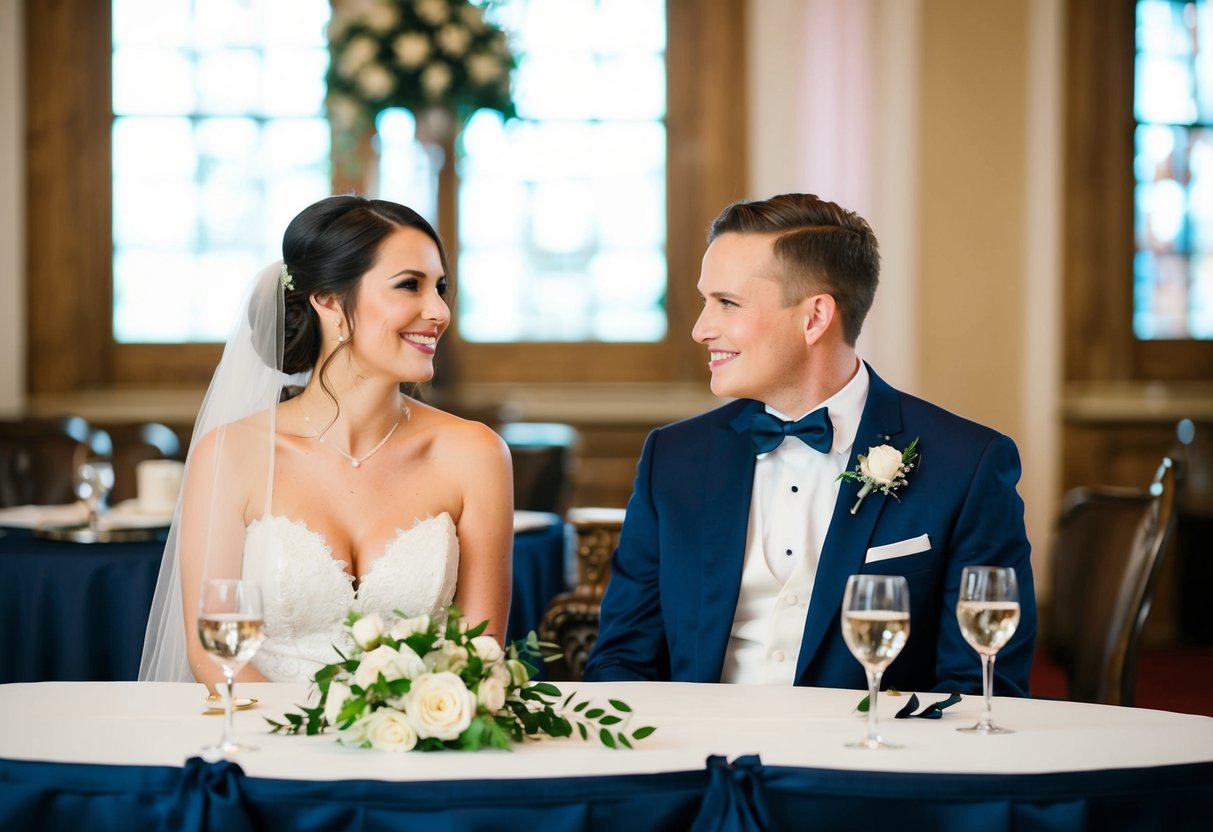
You may wonder who else should take a seat at the top table. It’s common to have the bride’s parents on one side and the groom’s parents on the other. Alongside you and your partner, you might also include your best man and maid of honor. This allows for a beautiful blend of family and wedding party, making the atmosphere warm and supportive.
Getting the seating arrangement right can help create a memorable experience for everyone at the reception. Your guest list will influence these decisions, ensuring that the most important people in your life are close by to share in the joy of your celebration.
The Significance of the Top Table
The top table plays an important role in a wedding. It is a focal point for the newlyweds and their closest family members, creating a special experience during the celebration. Understanding who sits there and its meaning can enhance your wedding plan.
Defining the Top Table
The top table is often referred to as the head table or bridal table. This is where you, the bride, and your groom sit during the reception. Traditionally, it faces the guests, allowing everyone to see you. This setup symbolizes your central role in the celebration.
The layout varies, but it usually includes a rectangular or oval shape. The top table is not just for the couple; it serves as a gathering of loved ones. This location highlights your bond with family and friends, making it a special spot for meaningful interactions throughout the event.
Who Traditionally Sits Here?
On the top table, you will typically find the bride and groom in the center. Parents of the bride and groom are often seated next to you. Close to the newlyweds are important members of the wedding party, like the best man and chief bridesmaid.
This arrangement emphasizes the significance of family support during a traditional wedding. The presence of these individuals shows the love and commitment shared by everyone involved. While the traditional seating is common, feel free to adjust it to reflect your personal relationships and preferences.
Planning the Seating Arrangement
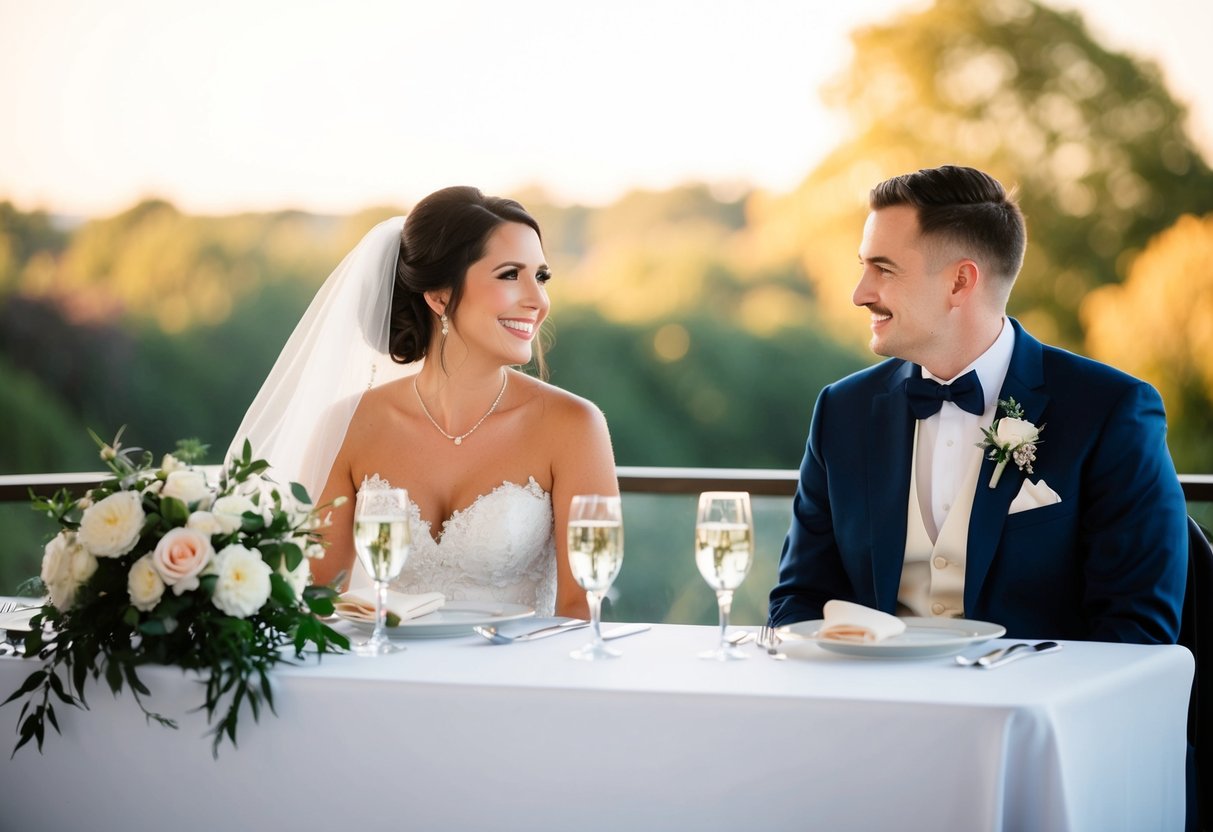
Creating a seating arrangement might feel stressful, but knowing who sits where can help ease the process. It’s key to consider various family dynamics to promote comfort and enjoyment for everyone at your wedding.
Seating Chart Strategies
Start by listing everyone you want to invite and consider their relationships. A simple seating chart can help you visualize where each guest should sit. You can use color codes or symbols to indicate family groups or special guests.
For the top table, traditionally, the bride sits next to the groom. Following them, consider seating the best man and maid of honor nearby. It’s also smart to think about who doesn’t get along. If there’s tension, like from divorced parents, it might be best to place them further apart.
Using a seating plan that encourages mingling can create a fun atmosphere. You could also allow some guests to seat themselves to make things more relaxed, especially if some are not as closely connected to the wedding party.
Handling Special Family Situations
Navigating special family situations can be tricky. If parents are divorced or if there are other complexities, plan your seating carefully. Divorced parents may need special consideration to avoid awkwardness.
Consider seating one parent on the end of a table and the other across the room. This allows them to be part of the day without direct interaction. If there are new partners involved, find a balance that respects everyone’s feelings.
In this situation, a family table can work well. It gathers close family members together, reducing potential tension. Keep your guest list in mind and prioritize those relationships that are positive and supportive. Respectful planning can make your event enjoyable for everyone.
Designing Your Top Table
When planning your top table, consider how you want to sit with your loved ones during your wedding. The layout you choose can affect both the look of the space and your interaction with guests. Here are some key factors to think about.
Sweetheart vs. Traditional Top Table
The sweetheart table is a popular choice for couples who want a more intimate setting. It typically features just the bride and groom sitting together at a small table. This allows you to enjoy each other’s company while still being part of the celebration.
In contrast, the traditional top table includes both sets of parents, the best man, and the maid of honor. This arrangement can create a warm atmosphere, honoring family and friends. With a traditional layout, you also have more people to engage with during the reception.
Deciding the Table Shape
The shape of your table can significantly impact the flow of the event. Long tables encourage conversation and a communal feel, making them ideal for larger weddings. You can arrange a rectangular table where everyone is easily visible.
Alternatively, a round table can create a cozy vibe but may limit the number of guests present. Consider your venue’s space and how many people you want to include when deciding between these shapes.
Incorporating VIP Guests
Think about including your VIP guests on the top table or nearby. Special guests may include grandparents, close friends, or mentors. Their presence can make your day even more memorable.
You can assign seats based on your relationship with each guest. Placing them where they can easily see you and share in your joy adds a personal touch to your celebration.
Make a list of who you want next to you. Ensure that the arrangements reflect the importance of these relationships.