
Who Does the Father of the Groom Walk Down the Aisle With? Exploring Traditional Roles in Weddings
When it comes to the wedding ceremony, many people wonder about the roles of family members, especially the father of the groom. Typically, the father of the groom walks down the aisle with the groom’s mother. He escorts her to her seat before he takes his own place. This moment can be a lovely way to showcase the bond between the family and adds a special touch to the ceremony.
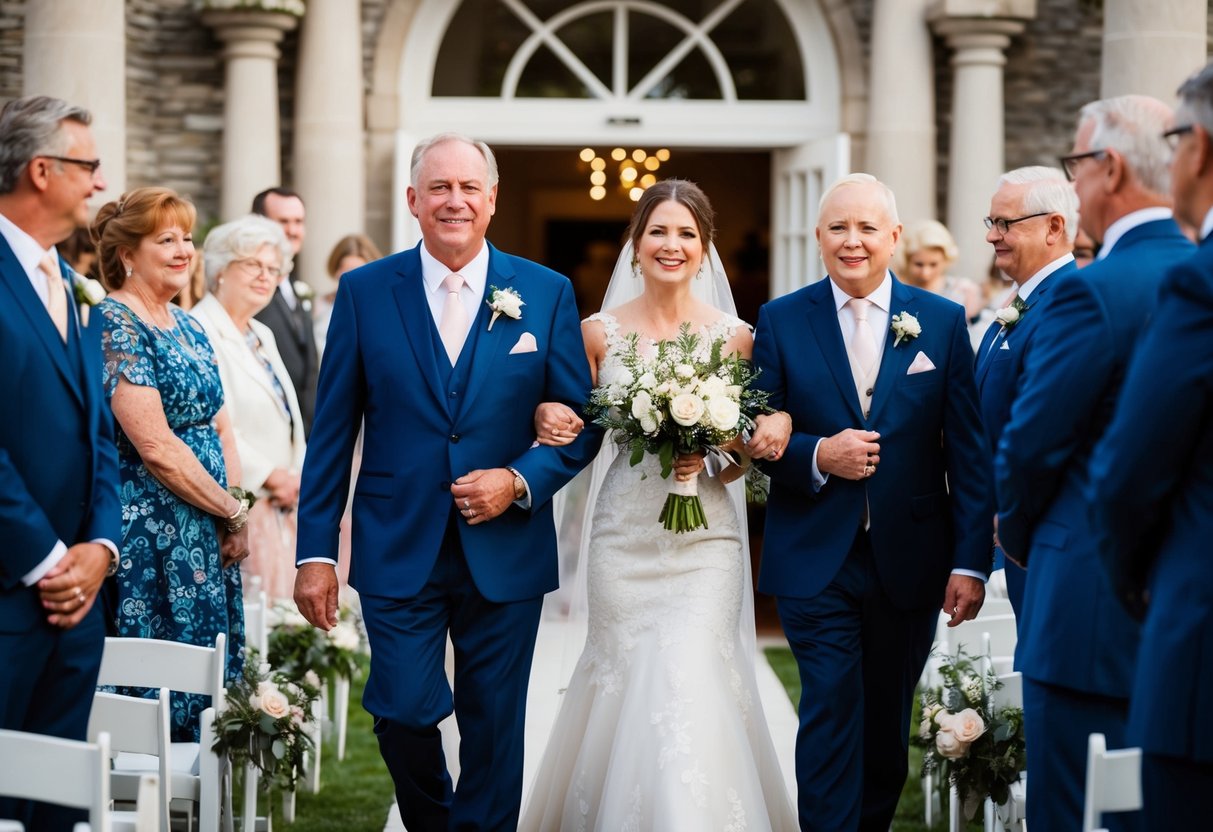
As the father of the groom, you might also have the option to accompany your son or even walk down alone before him. This choice often depends on family dynamics and traditions you want to honor. Understanding these roles can help you feel more prepared for the big day and make the experience even more meaningful.
Every wedding is unique, and you can tailor these traditions to fit your family. Whether you choose to walk with your spouse or take another route down the aisle, what matters most is celebrating this significant occasion with your loved ones.
Understanding the Wedding Ceremony Processional
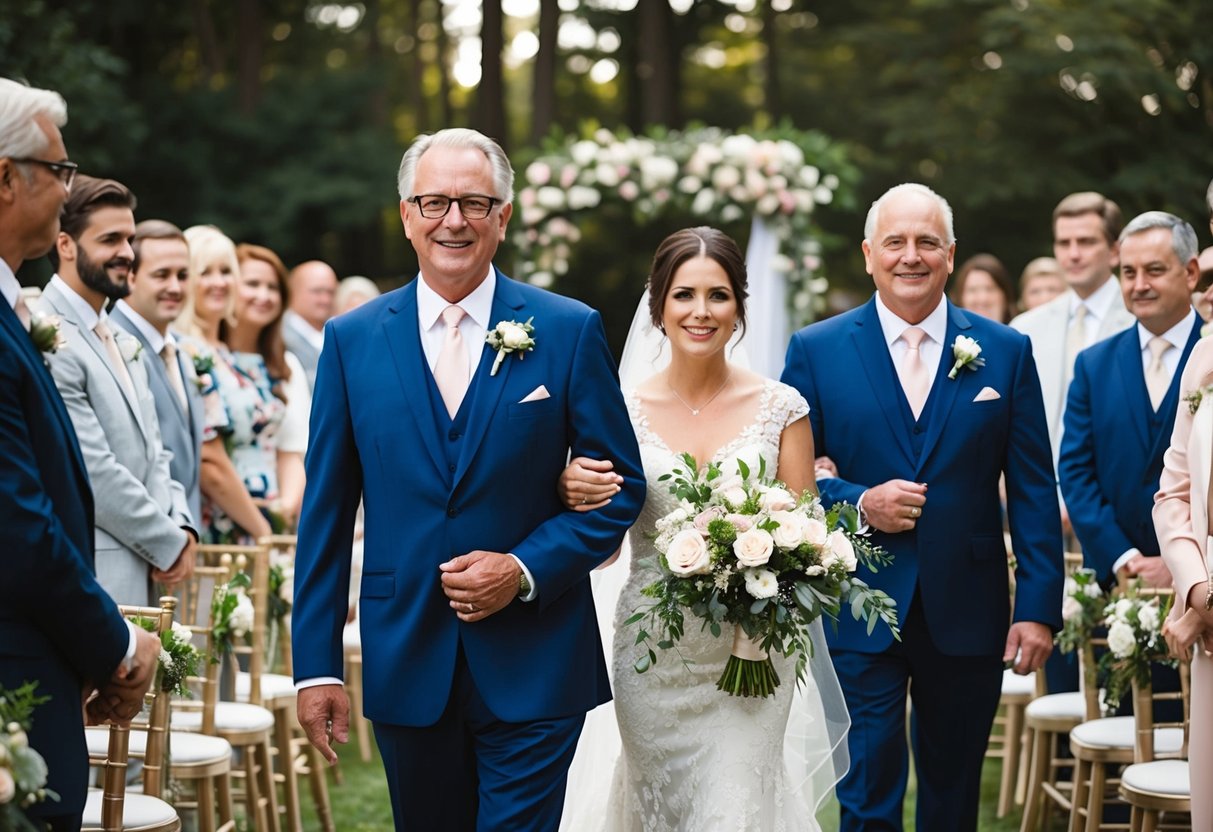
The wedding processional is an important part of the ceremony. It sets the tone for the day and structured the order in which everyone walks down the aisle.
Typically, the processional begins with the officiant, who enters first. Then comes the groom, often accompanied by his best man. This moment signifies the start of the ceremony.
Next, the groomsmen walk down the aisle. They usually pair up with the bridesmaids. This arrangement creates a beautiful balance as both sides of the wedding party are represented.
Following the wedding party, the flower girl and ring bearer take their turn. They bring an adorable touch to the processional with their charming antics.
Finally, the mother of the bride often walks down the aisle right before the bride. In some traditions, you may see the father of the groom walking with his partner or alone during this time.
Remember, the order can vary based on personal and cultural preferences. Feel free to adapt the sequence to fit your style. Enjoy planning your special day!
Roles and Traditions for the Groom’s Family
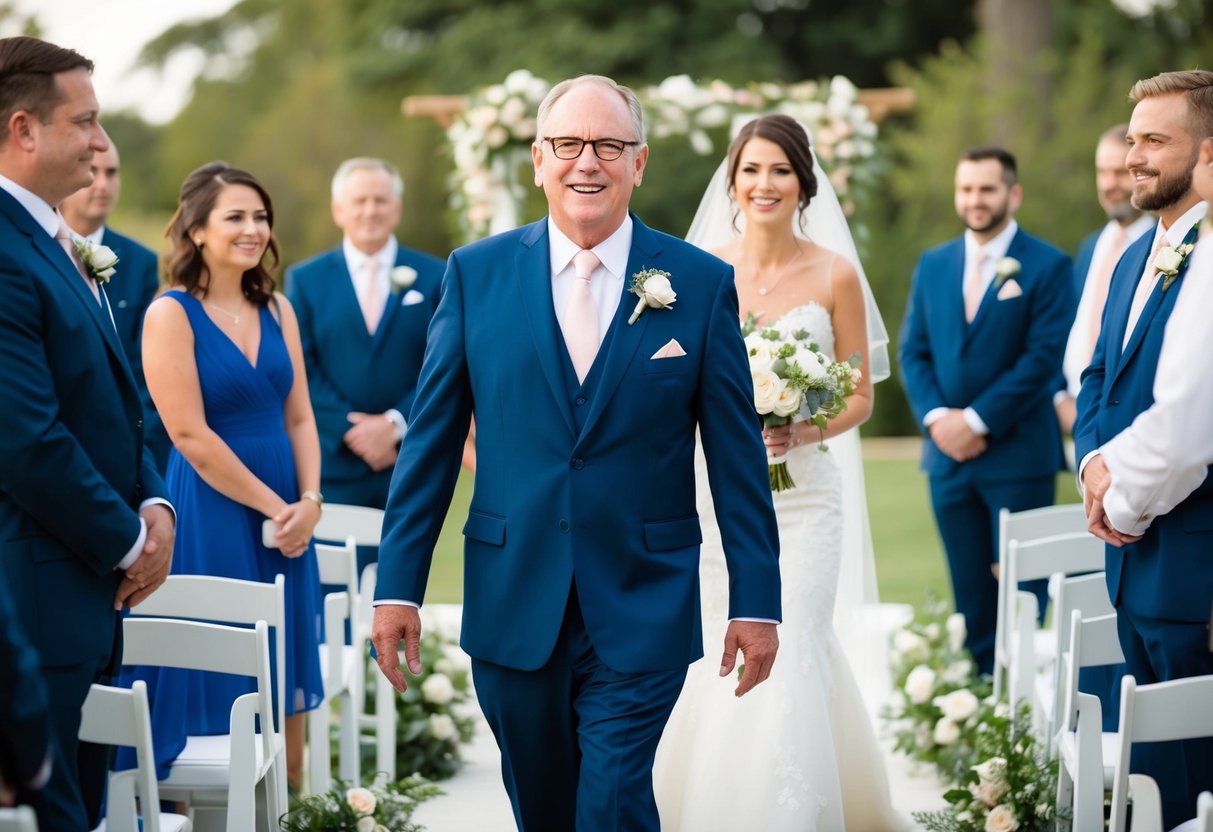
The roles and traditions for the groom’s family during a wedding can vary but are deeply significant. This part explores the father’s walk down the aisle, cultural differences in the processional, and the important role of the mother of the groom.
The Father of the Groom’s Walk
Traditionally, the father of the groom plays a key role during the wedding ceremony. One of his main tasks is to walk down the aisle, often escorting the groom’s mother. This symbolizes the joining of families.
In some situations, if the parents are divorced, he may walk with his new partner instead. It is essential to respect family dynamics and ensure everyone feels included. You can also consider walking down with both mothers or as a family unit for a more inclusive approach.
Cultural Variations in the Processional
Different cultures have unique wedding traditions. In a Christian wedding, the father of the groom and his wife usually sit on the right side of the church. They might also take part in the processional with the groom’s mother.
During a Jewish wedding, the groom’s parents often walk alongside him. They stand under the chuppah, which represents the couple’s new home. Hindu weddings may involve the groom’s parents participating in various rituals, including a procession to the ceremony site. Each culture honors family connections, making these moments special.
Mother of the Groom’s Role
The mother of the groom has important responsibilities too. She usually helps greet guests and assists in planning events like the rehearsal dinner. This event is often hosted by the groom’s parents, strengthening their role in supporting the couple.
During the ceremony, she may walk down the aisle with the father of the groom or join him later. Her presence is vital in bridging relationships between families. These moments contribute to a welcoming atmosphere and celebrate love and unity.
The Ceremony’s Order and Participant Responsibilities
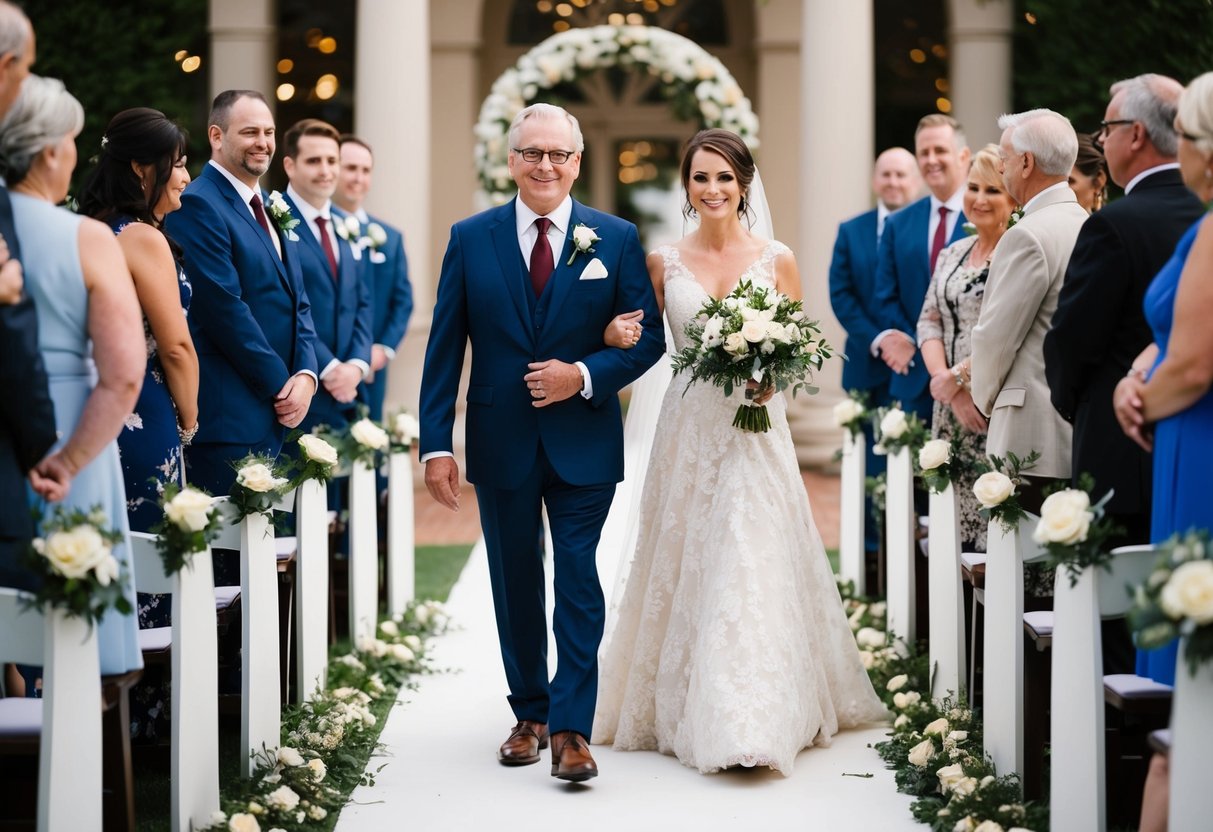
Understanding the order of the wedding ceremony and the roles of participants helps make the event smooth and enjoyable. Each person has a specific responsibility, ensuring that everything flows perfectly as you celebrate.
General Wedding Processional Order
The general order can vary based on culture and personal preference. In most cases, the processional begins with family members. Here’s a typical order:
- Mother of the Groom: She may walk alone or be escorted.
- Father of the Groom: Often walks with the mother of the bride or a relevant family member.
- Bridesmaids and Groomsmen: They walk in pairs or individually, depending on the couple’s choice.
- Flower Girl and Ring Bearer: They usually come next, creating a lovely visual.
In a traditional Catholic wedding, this may include the grandparents and parents first, followed by the wedding party. In a nondenominational ceremony, the couple can customize the order as desired.
Specific Religious Ceremony Orders
Each religious tradition has its own specific order.
- Jewish Wedding Processional: Here, both sets of parents often walk alongside the couple. The chuppah is a key part of the ceremony, symbolizing the couple’s new home.
- Hindu Wedding Processional: The groom typically arrives at the venue in a baraat, a festive procession with friends and family. The bride is escorted to the mandap in a separate procession, honoring her as she enters the sacred space.
- Christian Weddings: This can include a traditional order of bridesmaids and groomsmen, with the bride entering last. In some Christian ceremonies, the parents play a significant role, with the father walking his daughter down the aisle.
Understanding these details can help you plan a meaningful and personalized ceremony.
Post-Ceremony Activities and Etiquette
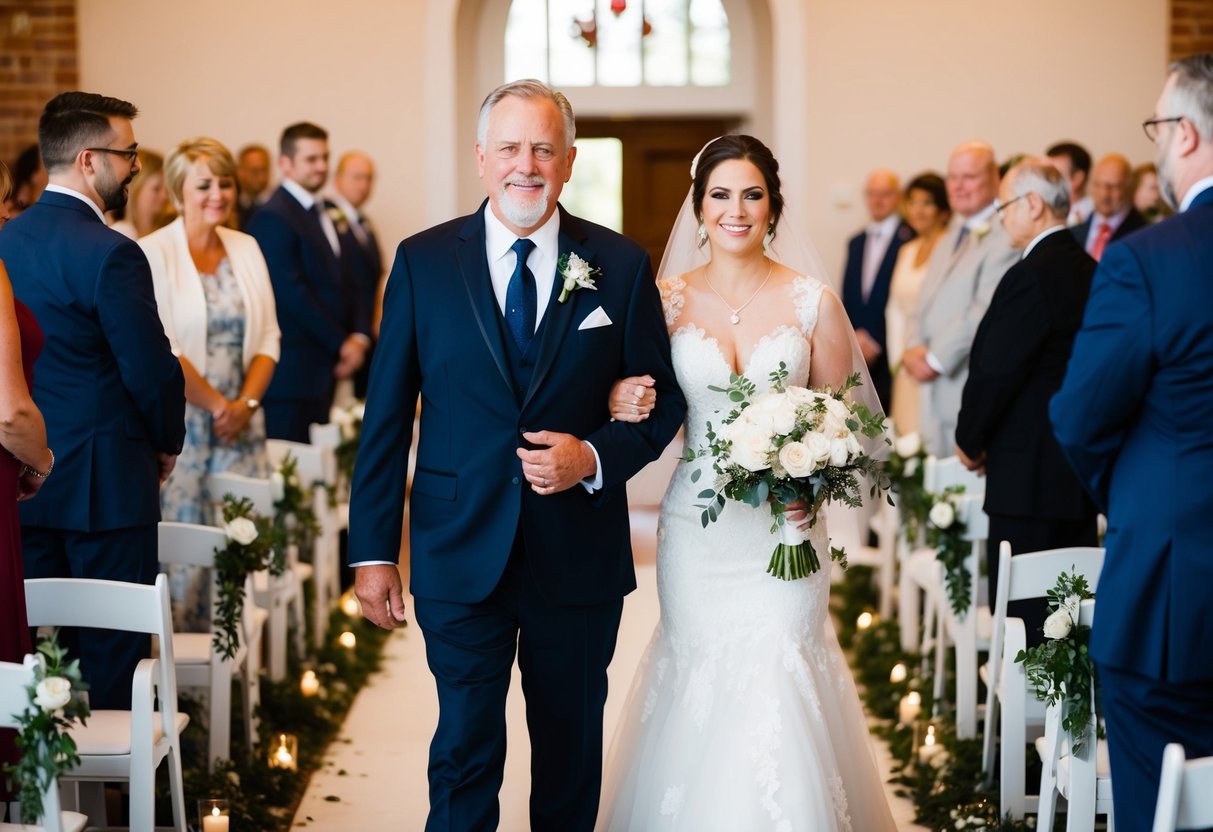
After the wedding ceremony, there are several important activities and etiquette to follow. These moments can enhance the experience for everyone involved, making the day memorable for you and your guests.
Leading Up to the Reception
Once the recessional is complete, you will often take part in a receiving line. In this line, you and your family members greet guests as they exit the ceremony venue. This is a great chance to express your gratitude.
Traditionally, the father of the groom should stand next to the mother of the groom, creating a welcoming environment. Make sure to be gracious and friendly, as guests will appreciate your warmth.
If your wedding is a civil or nondenominational ceremony, the same reception line should still apply. Remember, engaging with your guests sets a positive tone for the reception ahead!
Familial Speeches and Toasts
Speeches and toasts are an expected part of the reception. The father of the groom usually gives a speech, sharing heartfelt words about the couple. It’s a wonderful opportunity to highlight special moments or share a few light-hearted stories.
Other family members, like the parents of the bride or the maid of honor, may also offer toasts. Make sure these speeches come after everyone has had a chance to settle in after dinner.
Encourage your guests to express themselves, but remind them to keep their comments short. This allows everyone to participate without the event dragging on too long.