
Who Does the Father of the Groom Walk Down With? Understanding His Role in the Wedding Ceremony
When it comes to a wedding ceremony, the roles of family members are important. You might wonder, does the father of the groom typically walk down the aisle with the groom’s mother? This tradition helps set the tone for the ceremony, showing the unity of the family as they prepare to celebrate your special day.
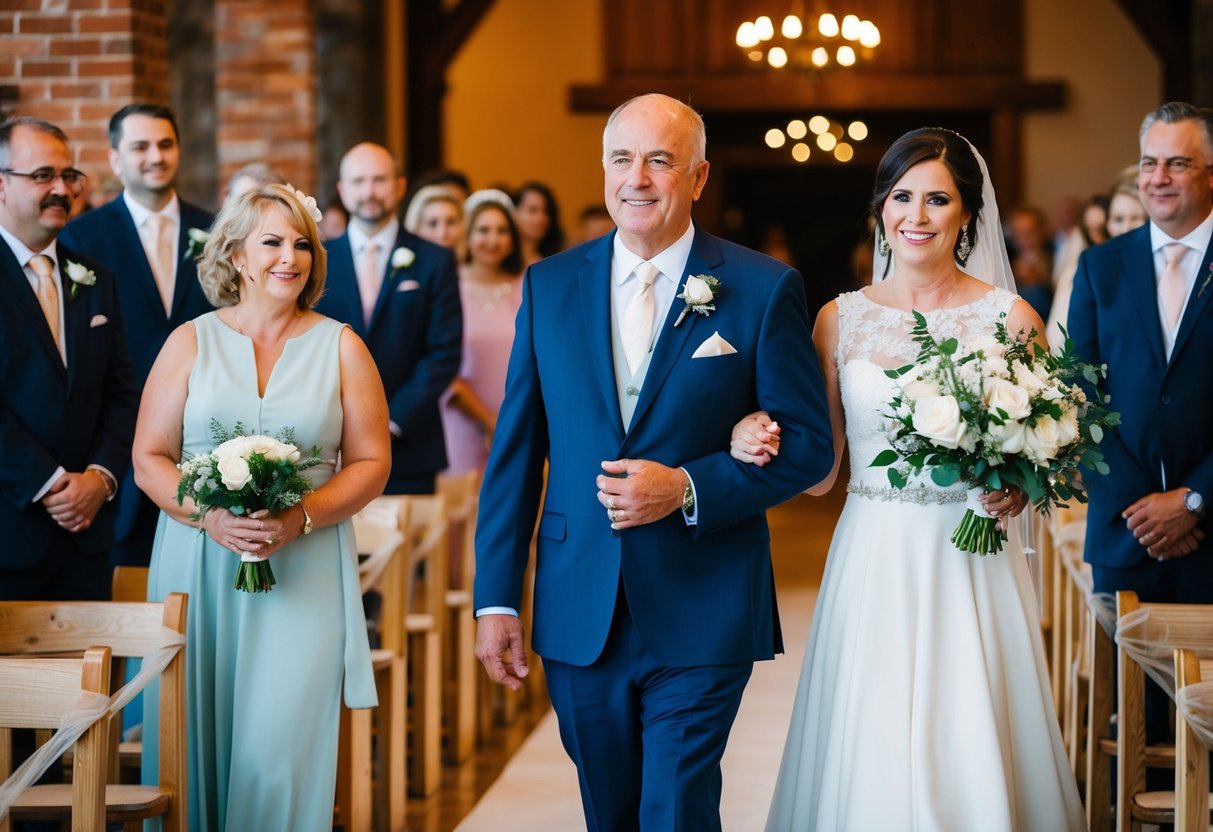
In some cases, if the parents are divorced or if the father is remarried, he may choose to walk with his new spouse instead. This flexibility allows for personal touches based on your family’s dynamics. Understanding these roles helps make the day smooth and memorable for everyone involved.
If you’re planning a wedding, knowing who the father of the groom walks down with can help guide your decisions and keep the focus on what really matters—celebrating love and family among your favorite people.
Roles and Responsibilities in the Wedding Processional
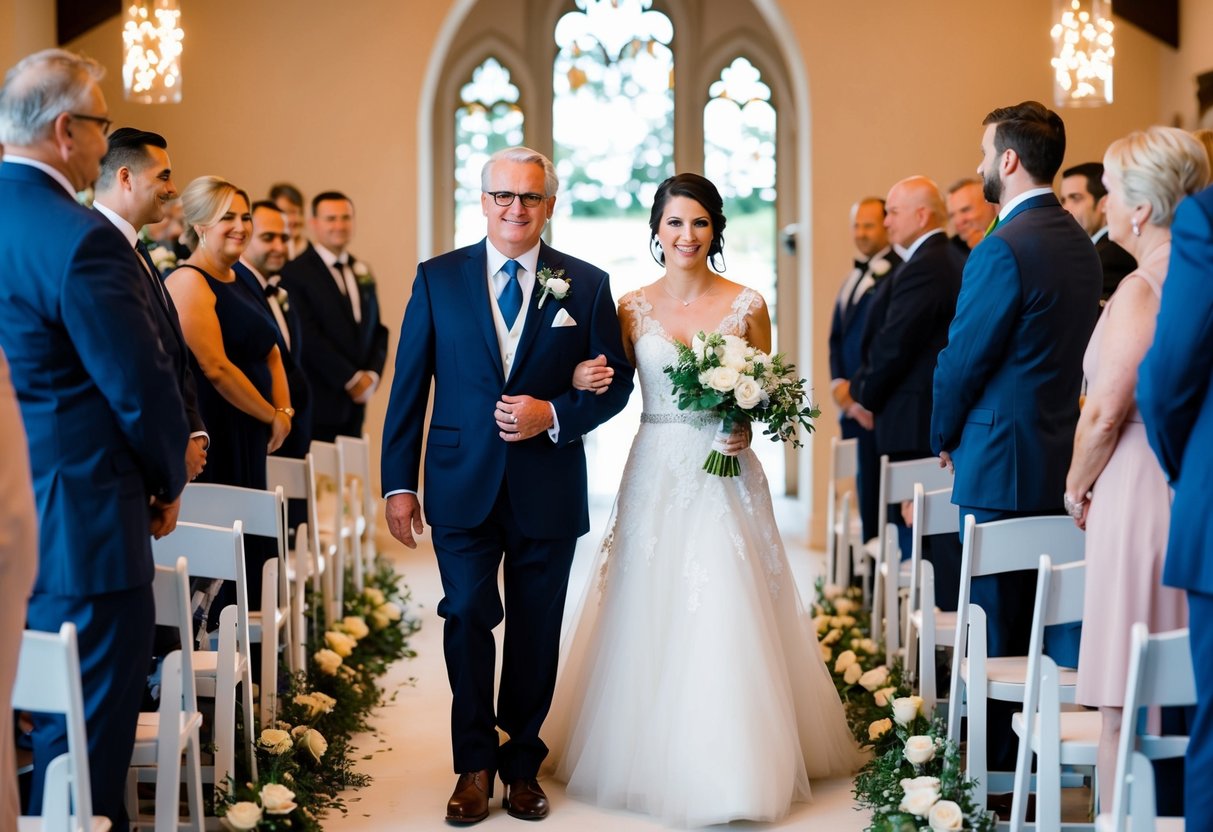
During the wedding processional, each person has specific roles. You’ll want to know who walks with whom for a smooth ceremony.
Father of the Groom: Traditionally, he walks with the groom’s mother. If they are divorced, he may accompany his new spouse instead.
Father of the Bride: He usually walks his daughter down the aisle. This moment symbolizes giving her away to her partner.
Groomsmen: They support the groom, standing by his side. They walk in pairs before the bride enters.
Bridesmaids: Similar to groomsmen, they support the bride. They walk in pairs just before the bride’s entrance.
Maid of Honor: This person often stands closest to the bride. She may walk alone or with a groomsman.
Flower Girl and Ring Bearer: These little ones bring charm to the ceremony. The flower girl tends to throw petals, while the ring bearer carries the rings.
In a Christian wedding, the parents walk together ahead of the bridal party. In a Jewish wedding, family members play an equally important role, often walking down together.
Everyone should be clear on their roles, regardless of the type of ceremony. This planning ensures a lovely and coordinated processional!
Father of the Groom’s Traditions and Escort Duties
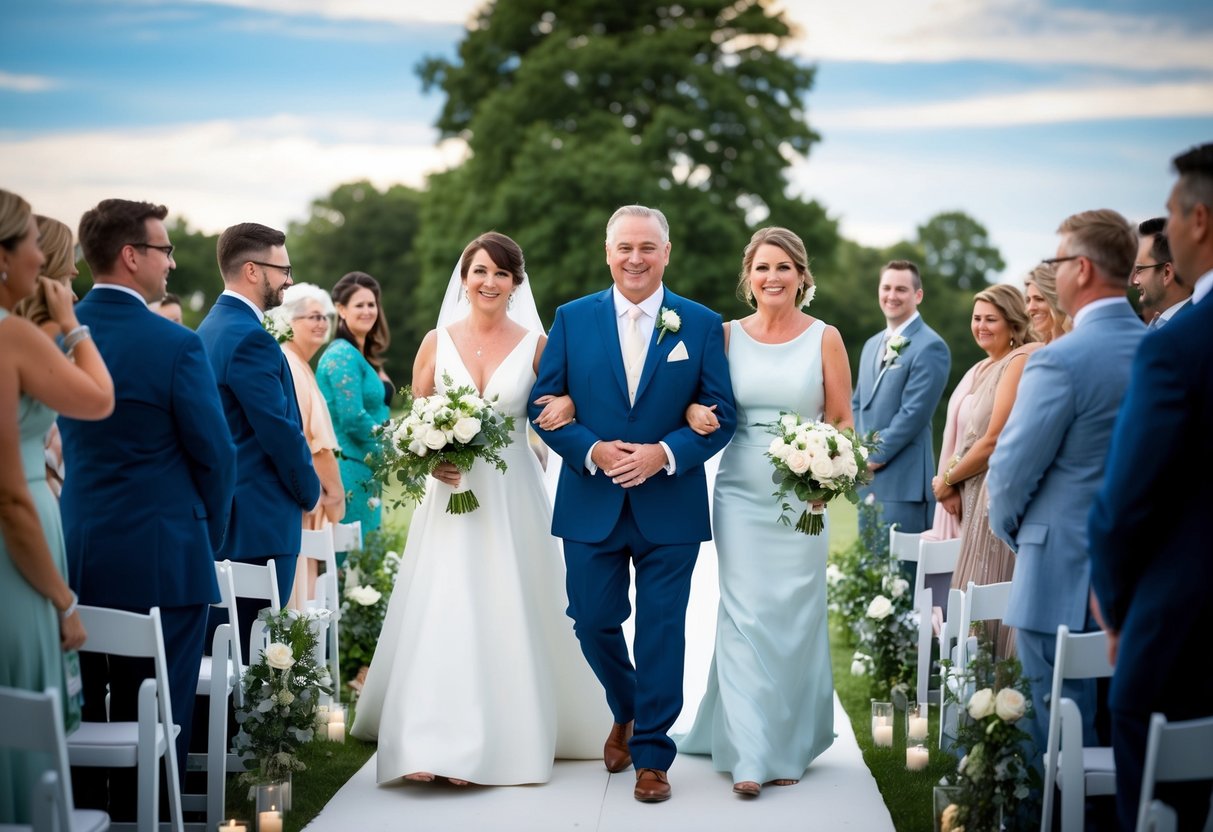
In many wedding traditions, the father of the groom has important escort duties. During the ceremony, he often walks the groom’s mother down the aisle. This act symbolizes family unity.
In a Christian wedding ceremony, the groom’s father may also escort his wife or partner if they are still married. If he is divorced and has remarried, he can choose to walk with his new spouse instead.
In a Jewish wedding, the father of the groom plays a similar role. He can escort both the groom’s mother and any significant others, honoring family ties.
You may also see the father of the groom take part in the receiving line. Here, he greets guests as they enter the reception, showing appreciation for their support.
If the groom has a stepfather, he may also play a role in the ceremony. He can accompany the groom or help welcome guests.
Each family might have its own unique traditions. Some families prefer that both parents escort the groom together. This reinforces the idea that the groom is supported by both sides of the family.
Remember, these traditions can be adjusted to fit your family’s values and relationships. The focus should be on celebrating your special day and meaningful connections.
Planning and Preparing for the Big Day
Planning for the big day can be exciting and a bit overwhelming. As the father of the groom, your role is important. Here are some key steps to consider.
Create a Wedding Budget
Start by discussing the budget with your son and his partner. This helps set expectations and avoids surprises later on. Be sure to include all key aspects like venue, catering, and flowers.
Guest List Management
Work with the couple to create a guest list. Knowing how many people to invite will guide decisions for the venue and catering.
Engagement Party
Consider hosting or co-hosting the engagement party. This is a lovely way to celebrate the couple and introduce families.
Rehearsal Dinner
Plan the rehearsal dinner for the night before the wedding. This is a nice chance to gather family and close friends in a relaxed setting.
Family Traditions
Think about any family traditions you want to include. Whether it’s a special toast or a unique dance, traditions add personal touches.
Wedding Reception
Help coordinate the details for the wedding reception. This includes the food, music, and any speeches. Make sure it’s a memorable celebration for everyone.
By staying organized and involved, you’ll help the couple enjoy a smooth and joyful day.
Cultural Variations and Modern Interpretations
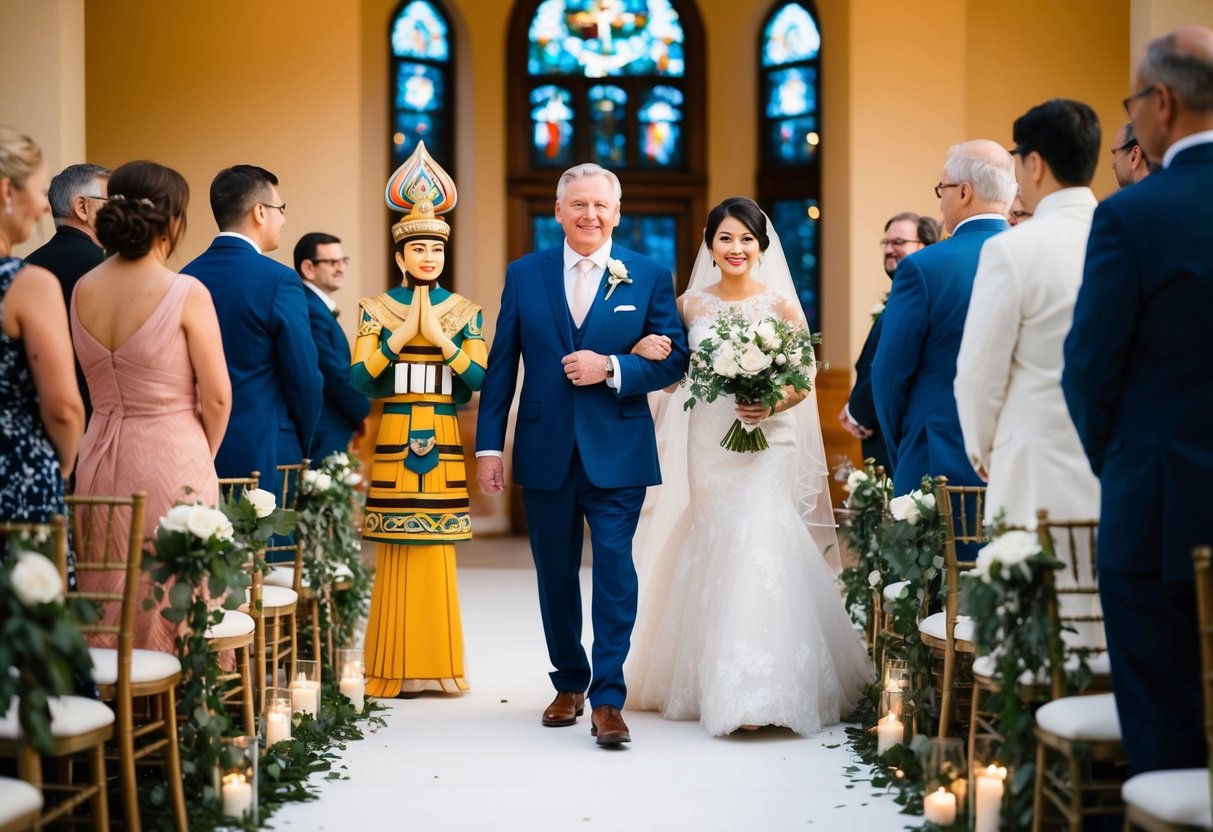
When it comes to weddings, cultural practices can change the way the father of the groom walks down the aisle. In a Jewish ceremony, the groom’s father may walk with both the groom’s mother and the groom. This symbolizes strong family support during the wedding.
In a Hindu wedding, the father of the groom plays an important role. He often leads the baraat, a lively procession to the wedding venue, showcasing joy and celebration as he embarks on this union.
For Muslim weddings, traditions vary widely. Sometimes, the father walks alone or with a close family member, depending on community customs. His presence reflects respect and honor for the bride’s family.
In a Christian wedding, the order typically sees the officiant followed by the groom and best man. The father’s role may involve walking the groom down the aisle, but it can also differ based on family preferences.
Modern interpretations allow couples to personalize their ceremonies. Many grooms mix traditional roles with personal choices. You might even see fathers walking side by side with the groom, emphasizing the joining of two families.
Embracing these varied customs adds a rich layer to wedding ceremonies. Connecting with cultural roots can enhance the meaningfulness of your big day.