
Who Does the Father of the Groom Walk Down With? Understanding Traditional Roles at Weddings
As the big day approaches, you might wonder who the father of the groom walks down the aisle with during the wedding ceremony. Typically, the father of the groom will escort his spouse or the groom’s mother down the aisle before taking his own seat.
This is a meaningful moment that showcases the family’s support for the couple as they begin their new life together.
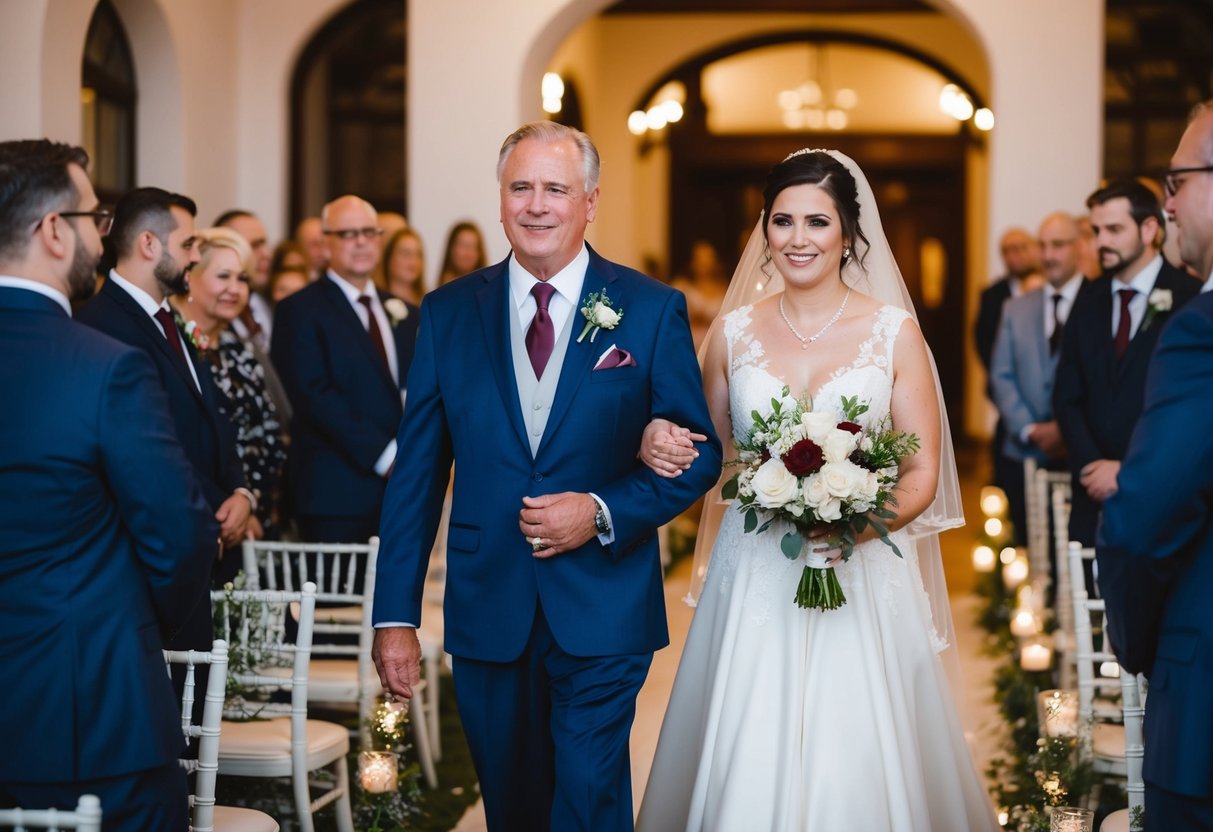
Understanding the traditional roles can help you plan for this special part of the ceremony. In some cases, if the groom’s parents are divorced, the father may walk down the aisle with his new partner. This flexibility allows families to honor their unique dynamics while celebrating this joyous occasion.
Cherishing these family moments can make your wedding ceremony even more memorable. Knowing who the father of the groom will walk with can guide your planning and help ensure everyone plays their part beautifully on your special day.
The Role of the Father of the Groom
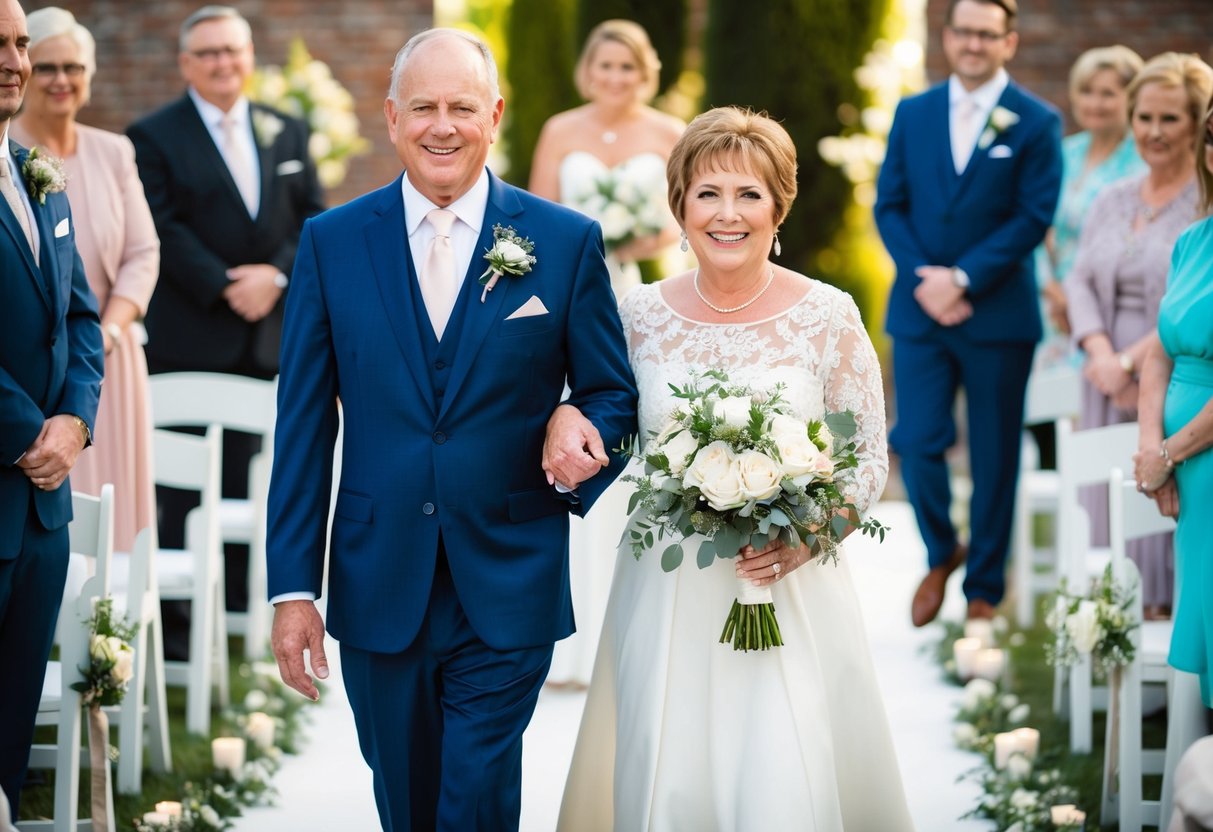
The father of the groom plays a key role during the wedding ceremony. Traditionally, he has specific duties that highlight his position in the family, as well as adapting to modern changes in wedding roles.
Traditional Escort Duties
In traditional weddings, the father of the groom often has the honor of escorting the groom’s mother down the aisle. This gesture shows respect and unity among the families.
As the ceremony begins, the father may also take part in seating close family members. He might walk down the aisle with the groom, showcasing their bond.
It’s common for him to stand by the groom during the ceremony. This support emphasizes his important role during the big day.
Modern Variations in Wedding Roles
Today, the role of the father of the groom can vary based on family dynamics. If the groom’s parents are divorced, he may walk down the aisle with a new spouse or individually.
Some fathers opt to sit with their partner rather than standing to the side. This approach adapts to modern family situations while honoring tradition.
In many cases, the father of the groom is also involved in other aspects, like planning and coordinating. His support can help ease some of the stress for the groom, allowing for a more memorable day.
Wedding Processional Basics
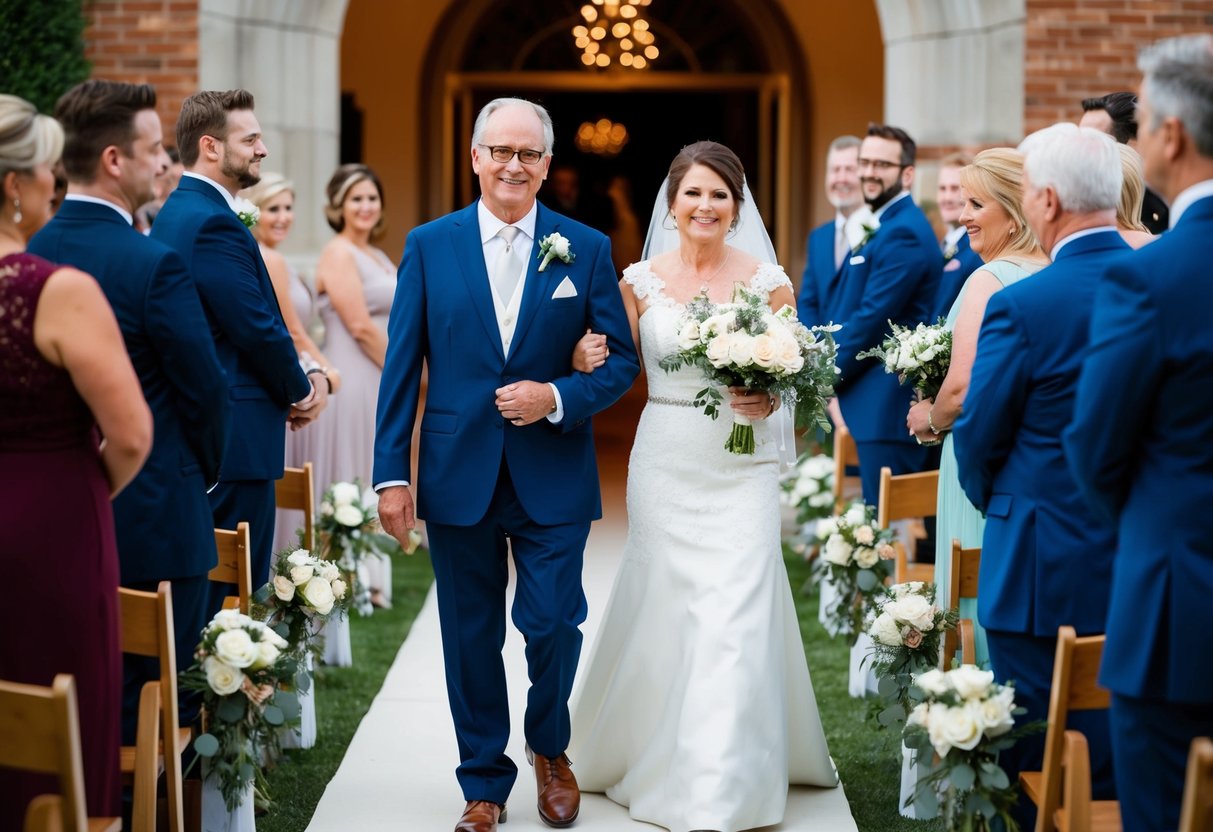
Understanding the wedding processional is essential for any wedding ceremony. This part of the ceremony sets the stage for the celebration and includes specific roles for each participant. It often varies based on traditions and cultural backgrounds.
Order of Entrance
The order of entrance in a wedding processional typically follows a set pattern.
In a Christian wedding, the officiant usually enters first, followed by the groom with his parents. Next come the bridal party, including bridesmaids and groomsmen, before the bride enters with her father or another guardian.
In a Jewish wedding, the bride and groom may have different entrances. The groom is often escorted by his parents, while the bride walks down the aisle with both parents. This can vary, so it’s important to clarify roles ahead of time.
Cultural Differences in Wedding Ceremonies
Cultural traditions significantly shape the wedding processional.
For example, in a Hindu wedding, the groom’s arrival is celebrated with a vibrant baraat. This involves singing and dancing as he makes his way to the venue, often with family and friends.
In contrast, a Jewish wedding may involve additional rituals, such as the groom being blindfolded during part of the ceremony. Understanding these differences can help you create a personalized and meaningful processional that respects these traditions.
Involving Step-Parents and Grandparents
When planning your processional, it’s vital to consider how to include step-parents and grandparents.
If the groom’s parents are divorced, he may choose to walk with his mother or another family member, such as a step-parent. Similarly, grandparents can play an important role and often walk down the aisle before the wedding party. This not only honors their presence but also adds warmth to the ceremony. Make sure to discuss these roles with your family to ensure everyone feels included and valued.
Special Wedding Ceremony Roles
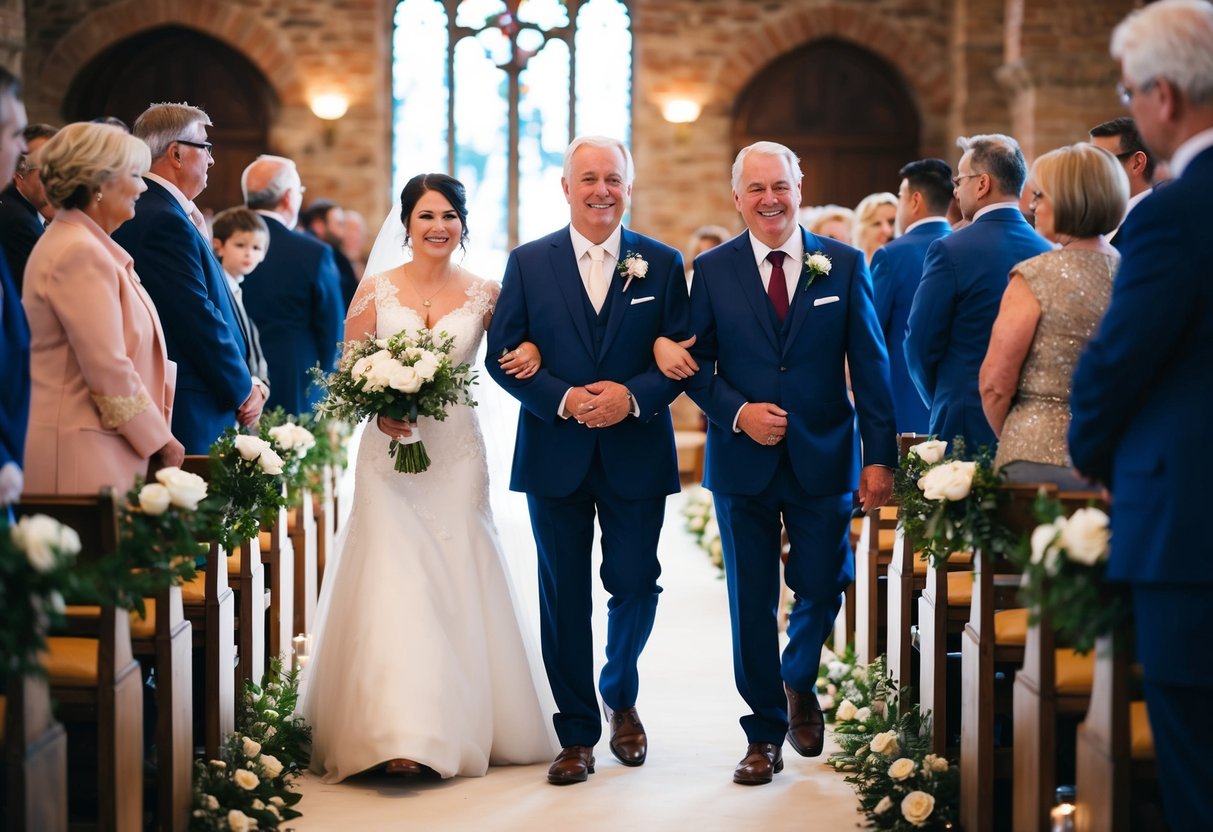
In every wedding, various members of the wedding party have special roles that contribute to the ceremony’s flow and enjoyment. Understanding these responsibilities can help ensure a memorable event for everyone involved.
Responsibilities of the Best Man and Groomsmen
The best man’s primary role is to support the groom. This includes planning the bachelor party, ensuring the groom is ready on the wedding day, and holding onto the wedding rings during the ceremony. The best man also delivers a toast at the reception, sharing heartfelt stories and encouraging laughter.
Groomsmen have duties too, such as ushering guests to their seats, standing beside the groom during the ceremony, and helping with various tasks leading up to the big day. Their support is crucial, as they help create a relaxing atmosphere for the groom and the couple.
Bridesmaids and Maid of Honor Duties
The maid of honor plays an essential role, often taking charge of the bridesmaids.
She assists the bride with planning and pre-wedding events, such as bridal showers and bachelorette parties. On the wedding day, the maid of honor helps the bride get dressed, manages her veil, and handles the bridal bouquet during the ceremony.
Bridesmaids support the maid of honor and the bride. They participate in planning showers and assist with tasks that relieve stress for the couple. During the ceremony, they walk down the aisle and stand with the bride, showcasing unity and support.
Flower Girls and Ring Bearers
Flower girls add a whimsical touch to the ceremony. They typically scatter petals along the aisle. This small, sweet act sets a lovely tone and enhances the ceremony’s beauty. Flower girls often wear charming dresses that match the wedding theme, making them feel special.
The ring bearer, usually a young boy, carries the wedding rings on a small pillow. This role symbolizes a transition into marriage. It’s a lighthearted moment that often brings smiles to the guests. Both roles are vital in creating a joyful atmosphere, adding innocence and charm to the wedding day.