
Who Does the Groom Walk Down the Aisle With? Discover the Best Options for Your Big Day
As you prepare for your big day, you might wonder, “who does the groom walk down the aisle with?” Traditionally, the groom walks down with his parents. His father usually walks on one side, and his mother walks on the other. This adds a lovely touch of family involvement before he takes his place at the altar.
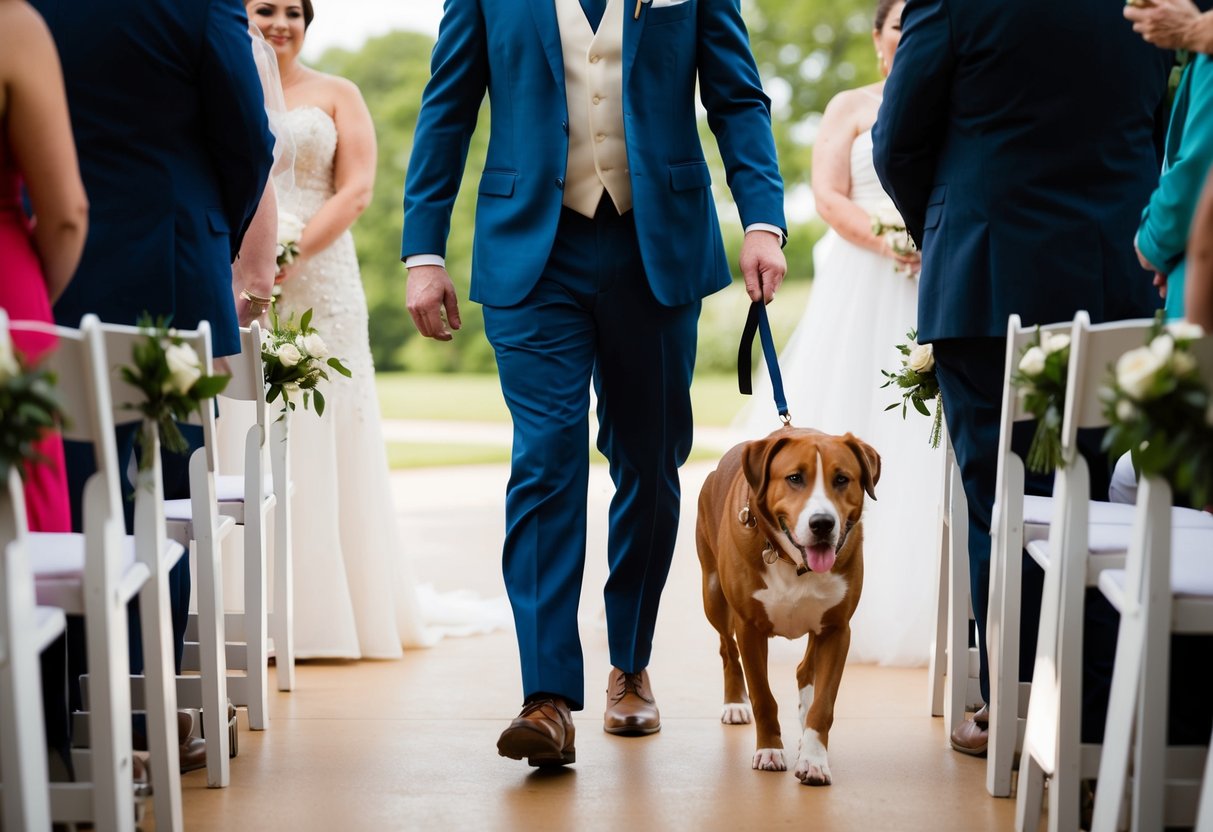
Some couples choose to personalize this moment. You might have the option to walk alone or choose a family member. The wedding ceremony is a unique opportunity to reflect your personalities and relationships, so think about what feels right for you.
Understanding the typical order of who walks down the aisle can help you plan your wedding party’s entrance. This moment sets the tone for the ceremony and marks the beginning of the celebration, so consider how you’d like to include your loved ones.
The Role of the Groom in Wedding Ceremonies
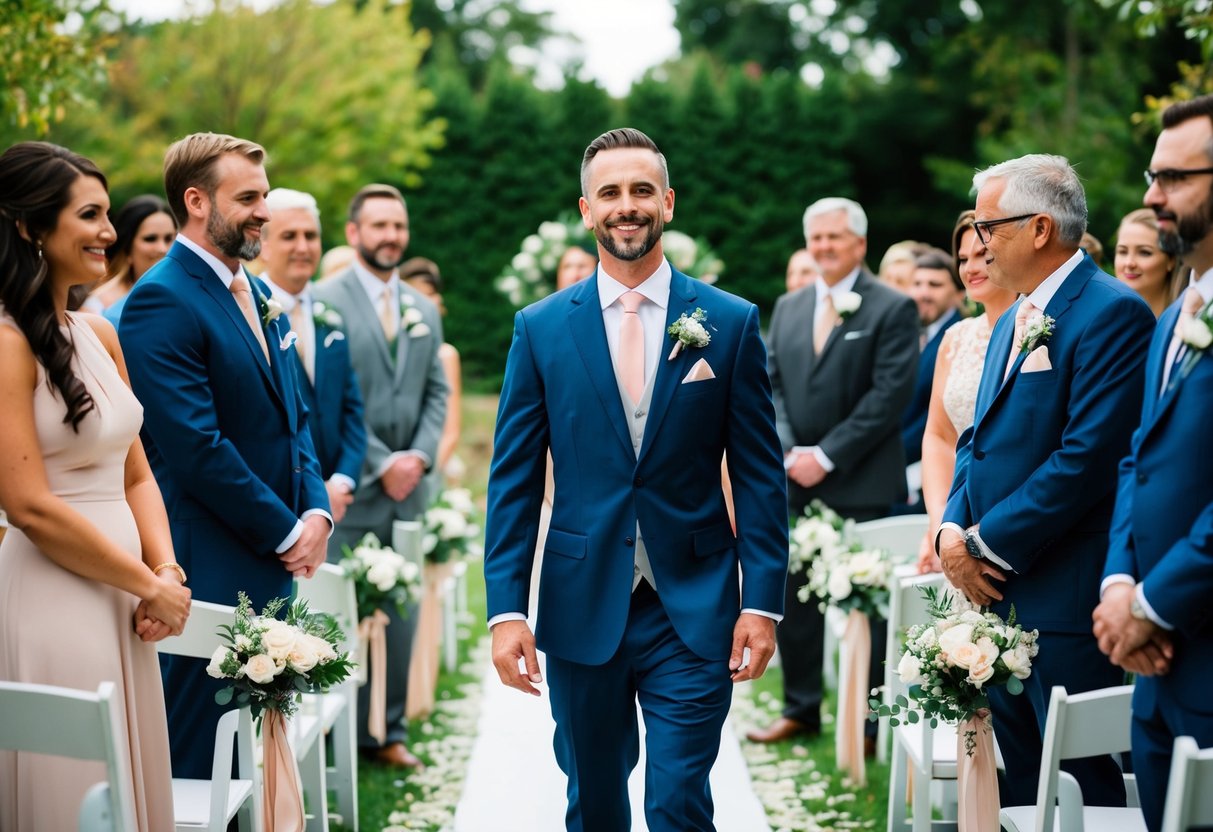
The groom plays a vital role in wedding ceremonies, helping to set the tone for the day. His interactions with important figures, like the best man and the father of the bride, are key moments that highlight his significance within the event.
Groom and Best Man Dynamics
Your best man is not just a supportive friend; he is your right-hand person during the wedding. Together, you usually navigate through preparations and the ceremony, ensuring everything goes smoothly.
During the ceremony, the best man stands by your side, adding a layer of camaraderie. He may also hold the wedding rings and help you stay calm as you wait for your bride to walk down the aisle. This partnership is often filled with special moments, laughter, and even a few nerves.
Clear communication with your best man is essential. Discuss the roles and any special tasks you want him to handle, whether it’s organizing groomsmen or making sure you have a moment to breathe before the ceremony begins.
Father of the Bride and Groom Interaction
Your relationship with the father of the bride can be an important part of the wedding. This interaction often symbolizes respect and tradition. You may choose to shake hands or exchange a few words of encouragement as your bride approaches.
During the ceremony, the father of the bride traditionally gives his daughter away, which can be an emotional moment for both of you. Supporting her and acknowledging this transition can deepen the bond between you and her family.
Additionally, making an effort to connect with the bride’s parents before the wedding shows your respect for their family. This can set a positive tone for the whole day and create lasting relationships.
Processional Patterns Across Cultures
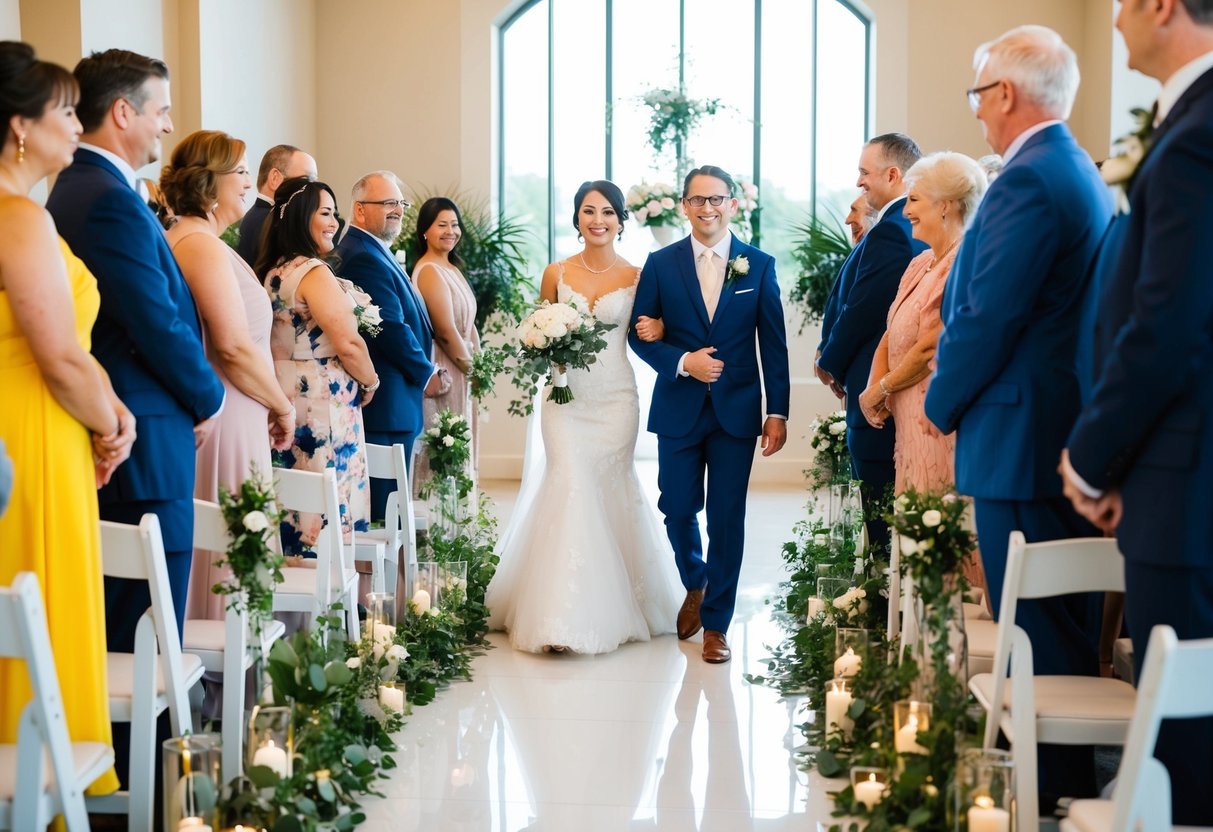
Wedding processions can vary greatly depending on cultural traditions and individual preferences. Each culture has its own unique practices about who walks down the aisle and how the processional order unfolds. Here’s a closer look at some key wedding traditions.
Christian Wedding Traditions
In a traditional Christian wedding, the processional often begins with the family members being seated, followed by the bridal party’s entrance.
Typically, the groom walks down the aisle with his mother or another important woman in his life. This symbolizes the importance of family support. The groom usually follows this with his best man and groomsmen. For many couples, the processional order can be adjusted to reflect personal preferences, but the common elements remain.
Jewish Wedding Customs
Jewish weddings entail unique traditions, particularly during the processional.
The groom often walks down the aisle to the chuppah, a canopy that represents the new home he and his bride will create. He may be accompanied by both sets of parents or family members, which signifies unity and support. The bride usually follows, escorted by both parents. The Jewish wedding processional emphasizes the couple’s connection to family and their heritage.
Hindu Wedding Practices
In Hindu weddings, there is a vibrant and lively processional known as the baraat.
During this time, the groom typically arrives on a horse or in a decorated car, accompanied by family and friends. Music and dancing are common, adding to the excitement. Once they reach the mandap, the wedding altar, the groom usually stands with his parents. The bride will then join him, creating a beautiful union under the mandap, completing the Hindu wedding processional.
Nondenominational and Secular Considerations
For nondenominational or secular weddings, the processional order can vary greatly.
Many couples choose to personalize their ceremonies, allowing for more freedom in who walks down the aisle. You might see the groom walk down with both parents or he may choose to approach the altar solo. The focus in these ceremonies is often on individual preferences, making each wedding unique. The order can mix traditions or stand alone, depending on the couple’s wishes.
Key Members of the Wedding Party
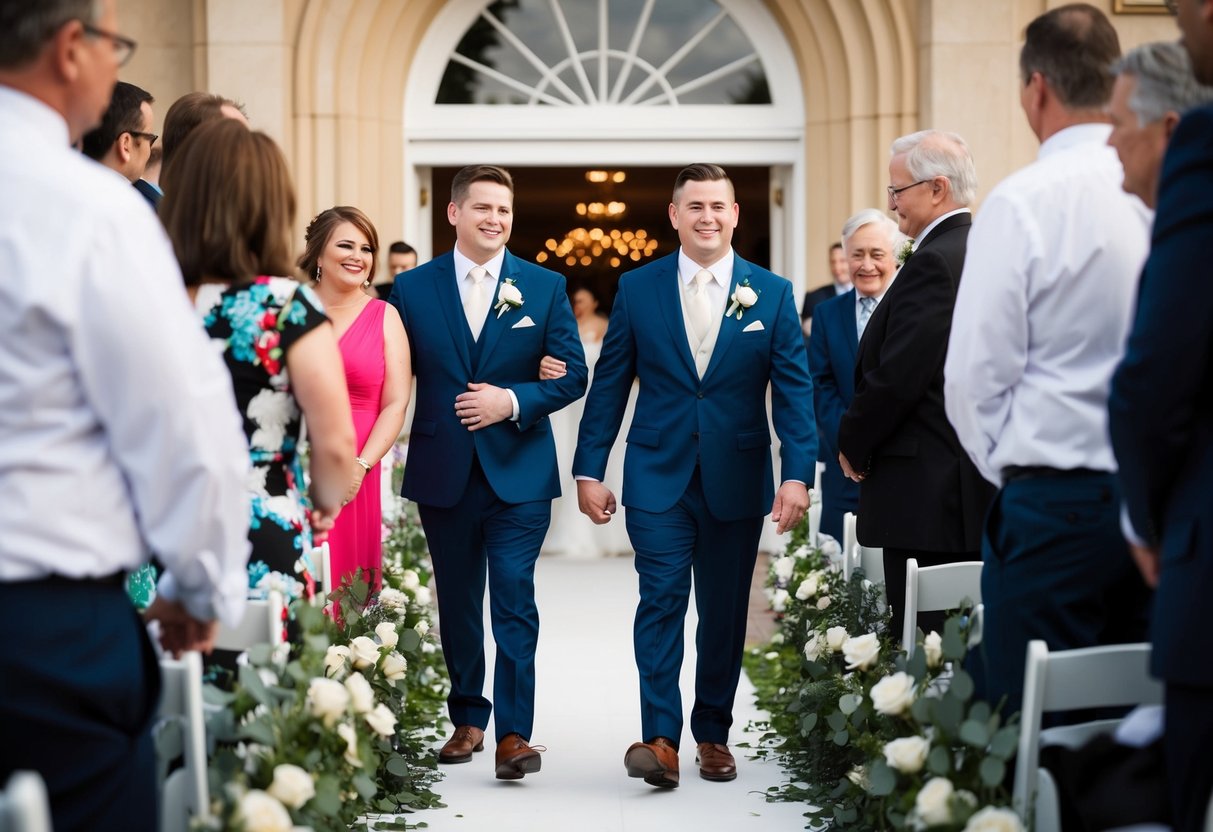
The wedding party is made up of several important roles that contribute to the ceremony. Understanding these roles helps ensure a smooth processional and a memorable event for everyone involved.
Roles of the Bridal Party
The bridal party typically includes bridesmaids, the maid or matron of honor, and the groom’s attendants. Each person has a unique role to play.
- Bridesmaids walk down the aisle in pairs, standing beside the bride during the ceremony.
- The maid or matron of honor is usually the bride’s closest friend or relative and has duties like helping with planning and holding the bouquet.
As the groom waits at the altar, he may be accompanied by his best man, who often serves as a support figure throughout the planning and on the wedding day. Together, they create a balanced and supportive atmosphere.
Involving Parents and Grandparents
Family plays a significant part in your wedding ceremony. The presence of parents and grandparents adds emotional depth and tradition.
- The mother of the bride often plays a key role in the processional, sometimes walking her daughter down the aisle.
- Groom’s parents might also walk him down, symbolizing support from both families.
Involving grandparents can be especially meaningful. They can either take part in the processional or have special seating during the ceremony. Each family member’s involvement helps highlight the love and support surrounding the couple.
Children in the Ceremony
Children add a playful touch to the wedding ceremony. Flower girls and ring bearers typically lead the processional or follow closely behind.
- The flower girl often scatters petals as she walks, creating a charming atmosphere.
- The ring bearer carries the wedding rings, sometimes in a small decorative box or on a pillow.
Having young children participate can make the event more joyful and memorable for guests. Their innocence and excitement often bring smiles and warm moments that everyone cherishes.
Tailoring the Aisle Walk to Your Wedding
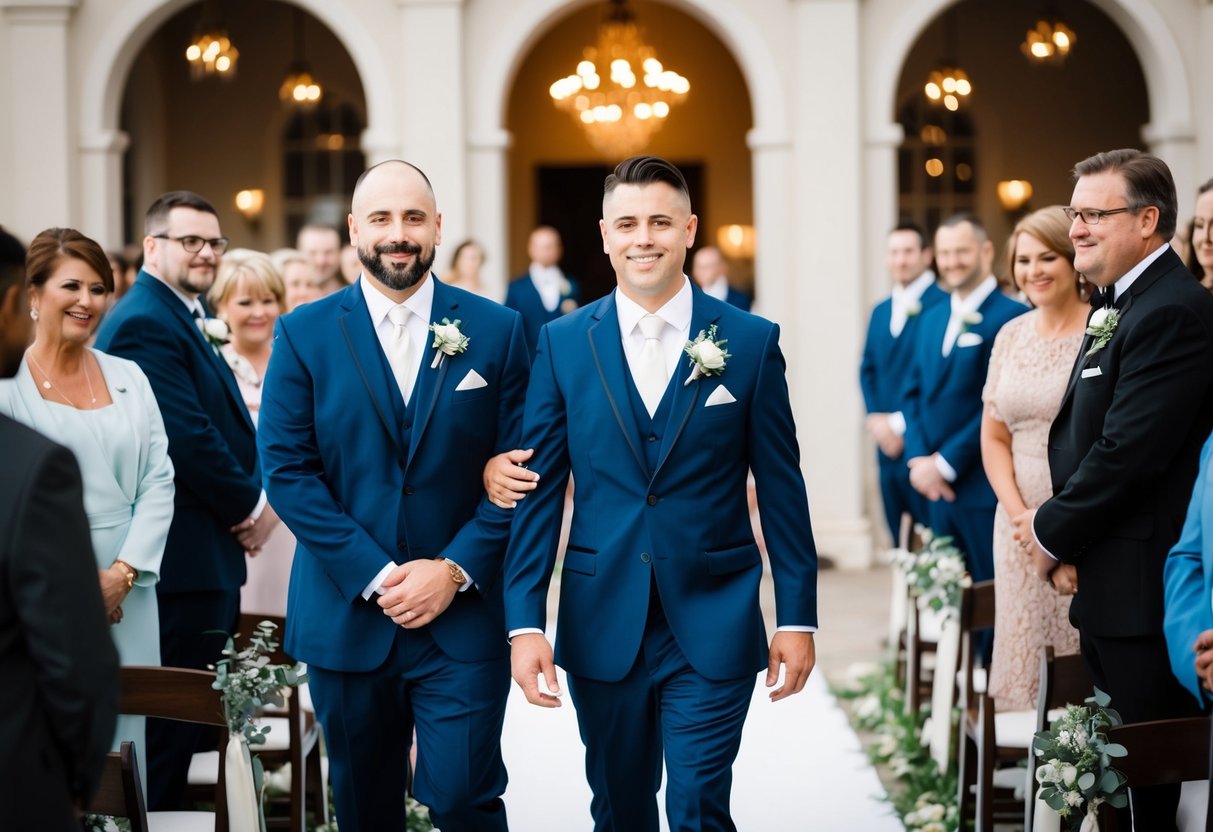
When planning your wedding, think about how you want to customize the groom’s aisle walk. There are many options to make this moment special.
You can choose to have the groom walk down the aisle solo or be accompanied by his parents, close friends, or siblings. This decision can reflect your personal preferences and family values.
Here’s a quick list of popular options for who the groom can walk with:
- Parents: Having both parents walk with the groom is a traditional choice.
- Mother: Some grooms opt to walk with just their mother.
- Friends: A close friend can be a great companion too.
- Pets: If you have a beloved pet, consider including them!
The ceremony procession order is important. Generally, the officiant enters first, followed by family and the wedding party. You have the freedom to adjust this to fit your style.
If you are part of an arranged marriage, discussing the aisle walk with both families can help blend traditions.
Make sure the choice reflects your personalities and your vision for the day. The recessional is just as important, so think about how you want to exit the ceremony too!