
Who Does the Mother of the Bride Sit Next To? A Guide for Wedding Seating Arrangements
On your wedding day, you’ll want everything to run smoothly, especially when it comes to seating arrangements.
The mother of the bride typically sits in the front row, often next to her own partner or family members. This position holds special significance, as it emphasizes her important role in the ceremony.
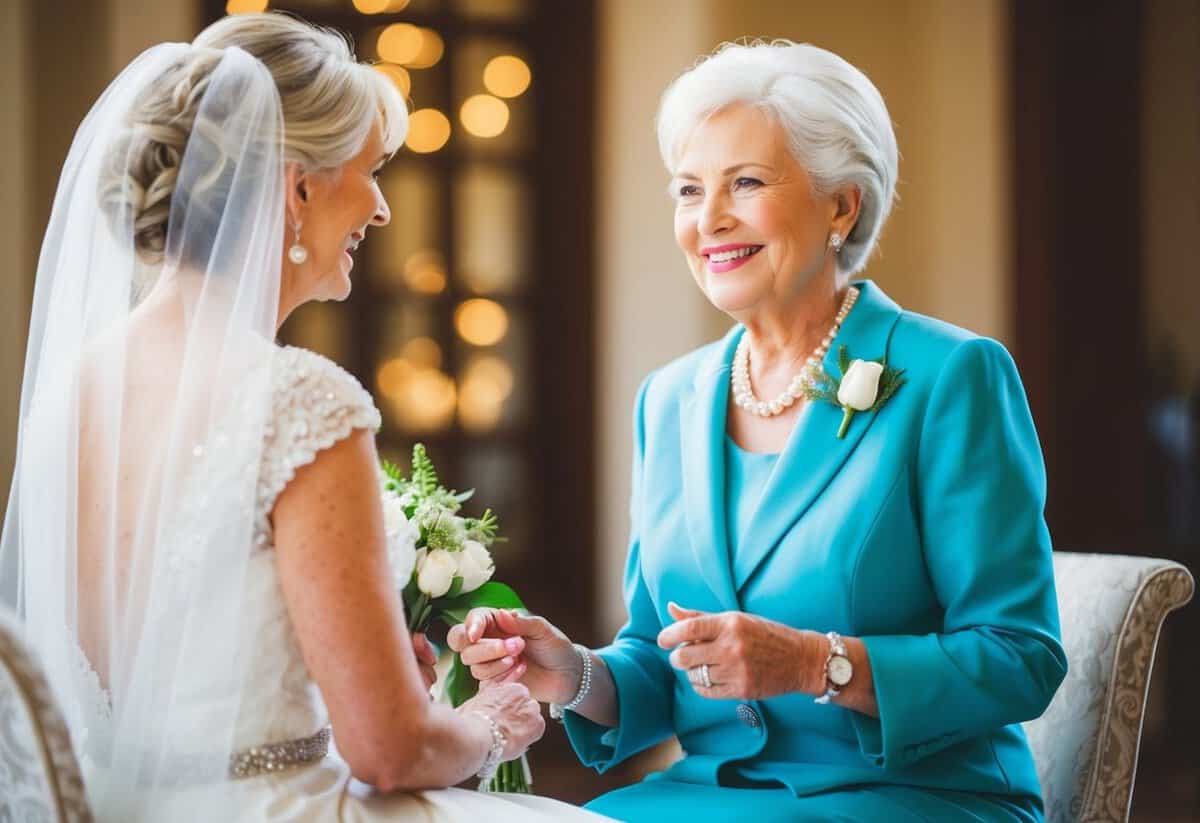
As you plan your wedding, it’s essential to consider who sits where. Wedding etiquette usually suggests that the mother of the bride is seated on the left side, facing the altar, while the groom’s family sits on the right. This arrangement reflects tradition and helps create a welcoming atmosphere for your guests.
Taking the time to plan these details can ease any wedding day stress. Knowing where your loved ones will be seated will allow you to focus on celebrating this special moment.
Understanding the Wedding Ceremony Seating Basics
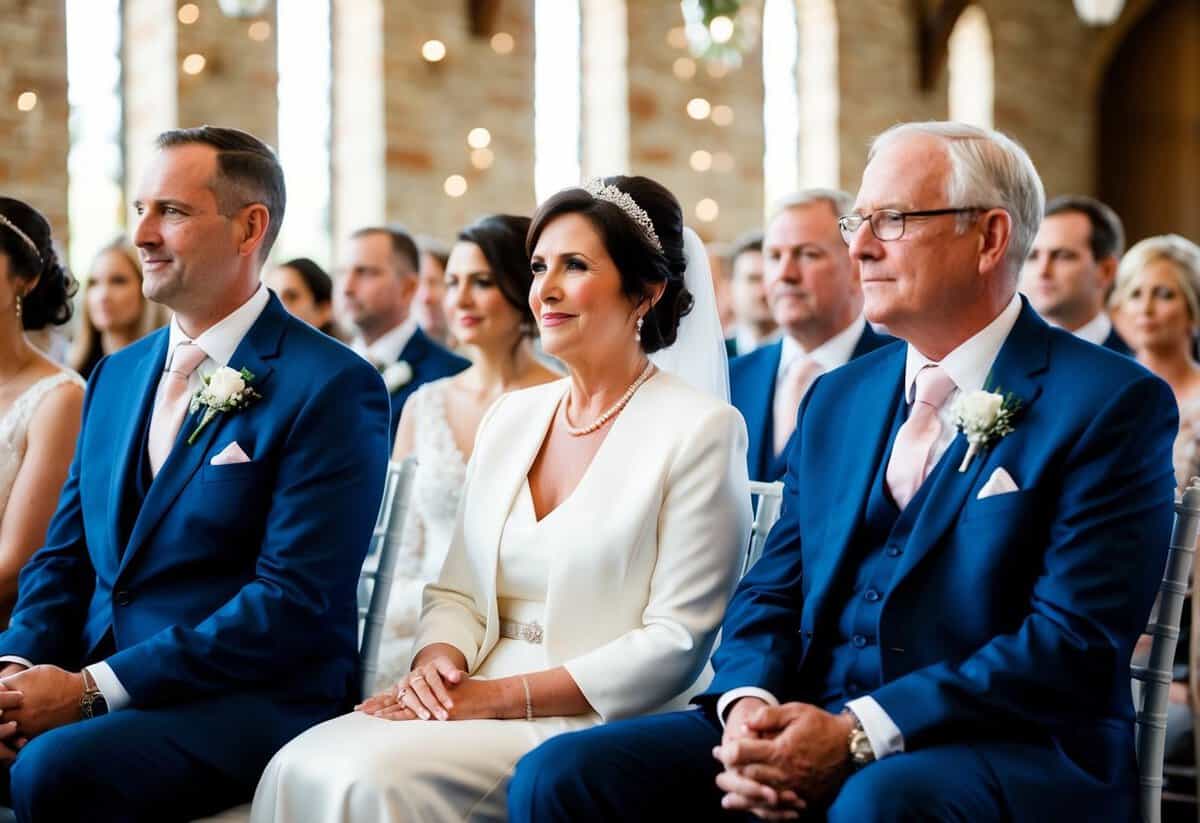
When planning a wedding, seating arrangements play an important role in the ceremony. Knowing who sits where can help create a comfortable and meaningful experience for everyone involved. Let’s break down traditional arrangements and modern variations.
Traditional Seating Arrangements
In traditional wedding ceremonies, the seating order usually follows a clear pattern. The rows in front are reserved for close family members, like parents and grandparents.
- Groom’s Parents: They typically sit first, often on the right side of the aisle.
- Bride’s Parents: These seats are usually on the left side, with the mother of the bride often seated in a central aisle position.
This arrangement emphasizes unity between the two families and sets the stage for the wedding processional. The front rows are essential as they create a special atmosphere near the altar.
Modern Variations and Considerations
Today, many couples choose to adapt seating arrangements to reflect modern values and family dynamics. This can include blended families or special guests who hold significant meaning.
- Personal Preferences: Some people prefer having both mothers seated together or in a different order that suits their family situation.
- Symbolic Seating: Parents may sit together to show support for the couple, regardless of their relationship status.
As you consider your seating, think about what feels best for you and your loved ones. Modern arrangements can be as flexible as needed to ensure everyone feels included and cherished.
Roles and Responsibilities of the Wedding Party
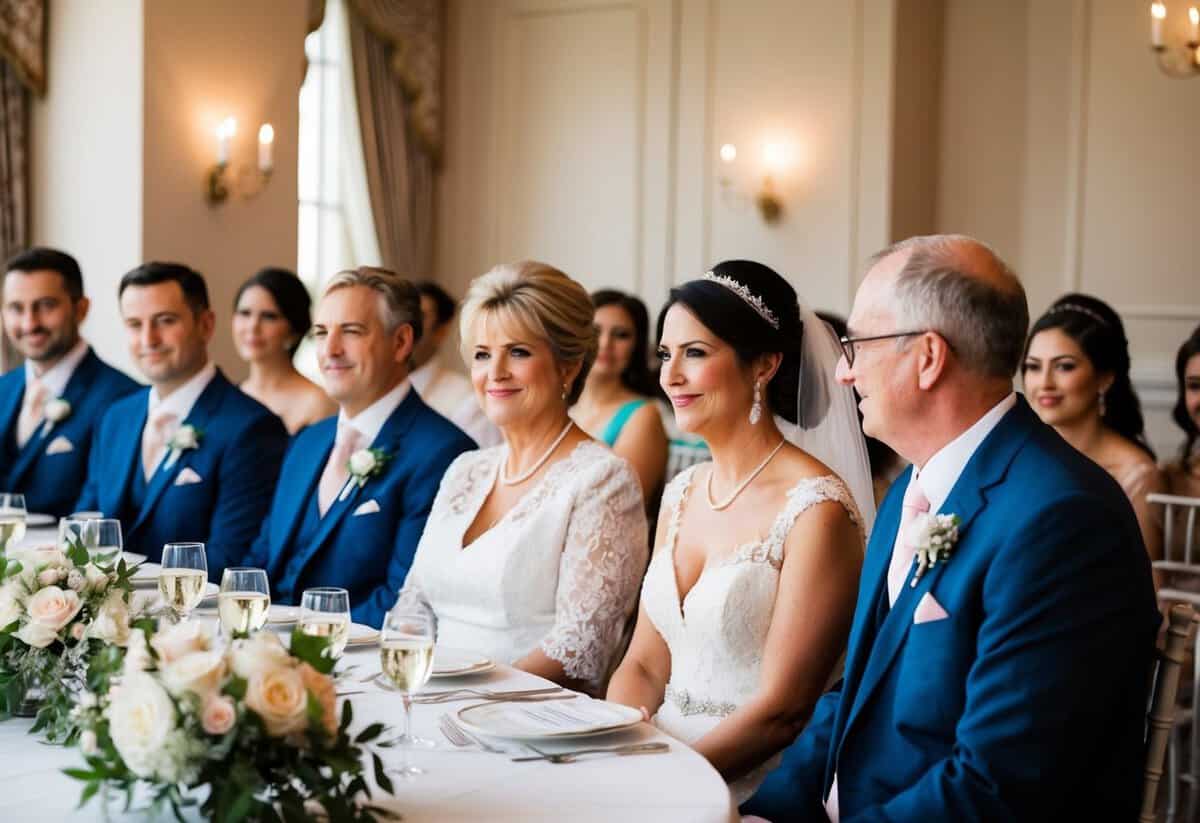
The wedding party plays a crucial role in supporting the couple on their big day. Each member has specific duties that help make the event memorable and seamless.
Duties of the Maid of Honor and Best Man
The Maid of Honor and Best Man have significant responsibilities that start well before the wedding day.
Maid of Honor Responsibilities:
- Helps the bride with planning and organizing.
- Plans the bridal shower and bachelorette party.
- Assists the bride in dressing and getting ready.
- Holds the bride’s bouquet during the ceremony.
Best Man Responsibilities:
- Supports the groom throughout the wedding planning.
- Plans the bachelor party and helps organize details.
- Ensures the groom arrives on time and looks sharp.
- Gives a speech at the reception, often sharing heartfelt or humorous stories.
Both roles require strong communication skills and a supportive attitude, as they help manage everything from logistics to emotional support.
Bridesmaids and Groomsmen Contributions
Bridesmaids and groomsmen also have essential roles within the wedding party. Their support is vital for creating a joyful atmosphere.
- Assist the Maid of Honor with planning and day-of tasks.
- Help with dress shopping and fittings.
- Attend pre-wedding events and ensure everything runs smoothly.
Groomsmen Contributions:
- Support the Best Man in day-of preparations.
- Help with suit fittings and coordinate attire.
- Participate in pre-wedding events and assist guests on the wedding day.
Each member of the wedding party adds to the celebration, making it a shared and cherished experience for everyone involved.
Planning the Reception Seating
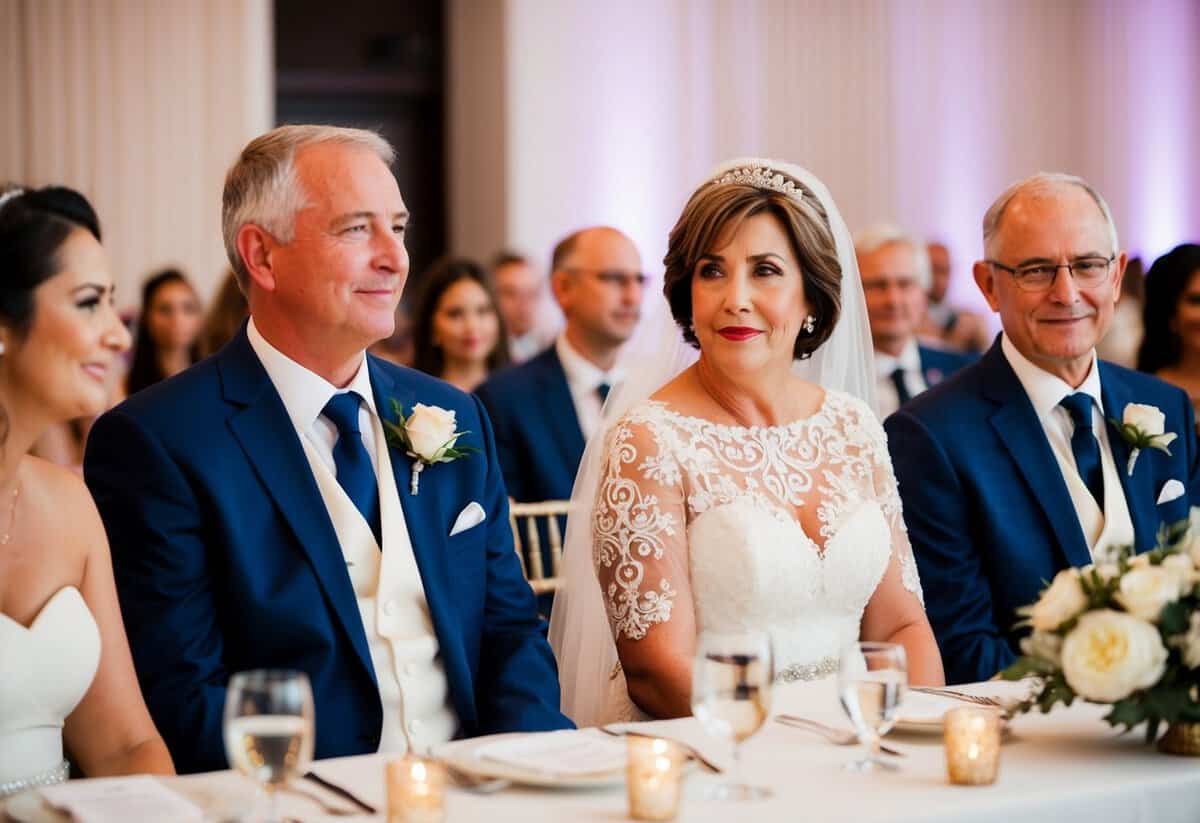
Seating at your wedding reception is a key part of the planning process. It helps ensure that your guests feel comfortable and enjoy the celebration. Two important aspects to focus on are creating a seating chart and assigning the top table, where special attention is often needed.
Creating a Seating Chart
To create a seating chart, start by reviewing your guest list. Organize guests into groups based on their relationships.
Consider seating family members together and friends at adjacent tables. This can enhance interaction and joy during the reception.
You may want to use a chart or spreadsheet to plan placements. Include names and table numbers for clarity.
Make sure to account for any special needs, like accessibility, when planning the table arrangements. Once finalized, display the seating chart at the reception entrance so guests know where to go.
Assigning the Top Table
The top table is a focal point at the reception. Typically, the bride and groom sit here, flanked by their parents.
You can also include siblings, grandparents, or other close relatives at the top table based on your family dynamics and preferences.
Decide whether the parents sit together or on opposite sides. This can smooth over any family tensions, especially if parents are divorced.
Clearly label the seating to avoid confusion. Using a sign or decorative place cards works well to indicate where everyone should sit. Organizing the top table thoughtfully creates a welcoming atmosphere for you and your closest family and friends.
Cultural Considerations and Variations
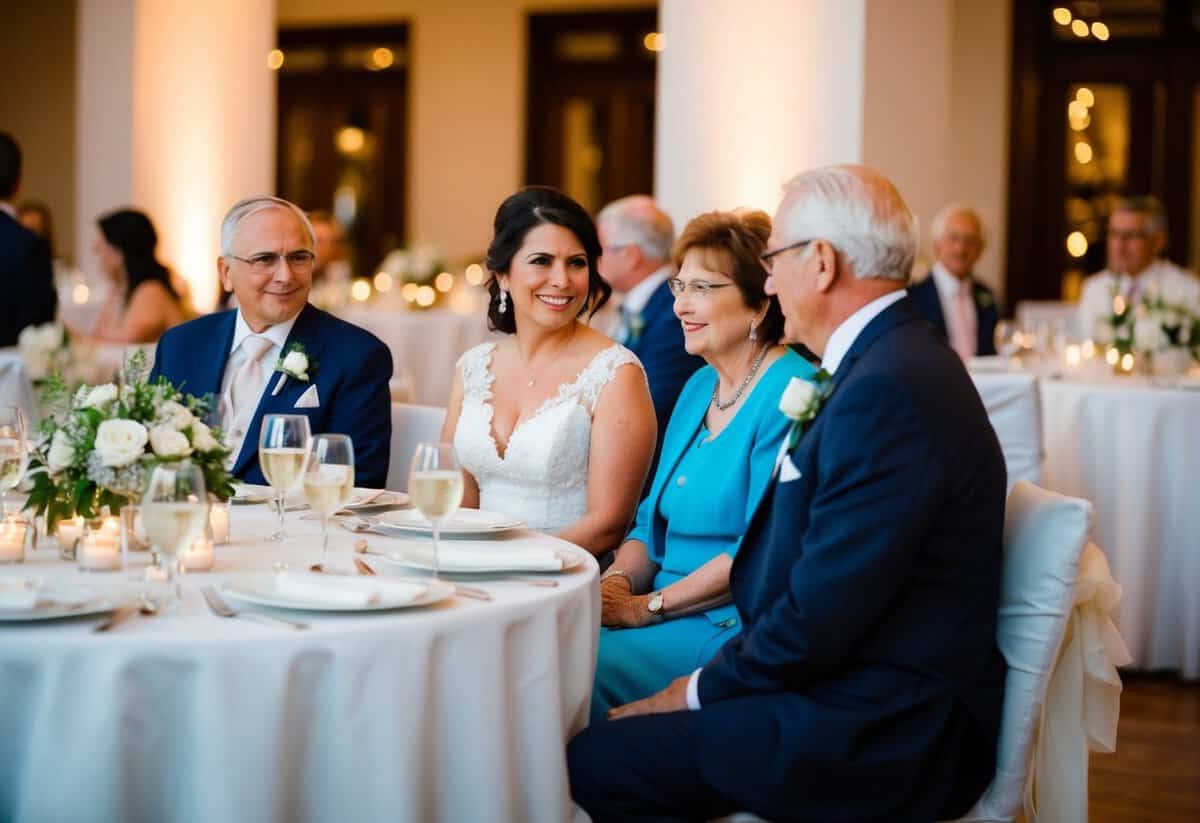
Seating arrangements can be influenced by cultural and religious traditions. Knowing these customs helps you decide who sits next to the mother of the bride. Below are key practices in Christian and Jewish weddings.
Seating Customs in Christian Weddings
In Christian weddings, the mother of the bride is usually seated last before the bridal party walks down the aisle. This shows her importance.
Often, she sits on the left side of the ceremony, facing the altar. The father of the bride typically sits next to her.
This seating arrangement signifies family unity and support.
Some couples may choose to include step-parents or other close relatives. It’s essential to consider their feelings. Open communication can help make everyone comfortable on this special day.
Seating Traditions in Jewish Weddings
Jewish weddings have unique seating customs. In many cases, the ceremony starts after seating both parents of the bride. This reflects the shared importance of both families.
Traditionally, both parents of the bride are seated first. Then, the mother of the bride sits next to her husband, the father of the bride. This custom highlights their partnership in this significant event.
If there are blended families, it’s common to have the parents sit together to symbolize unity. Consideration for these dynamics is vital. Having a clear seating arrangement can help ease any potential tension during the ceremony.