
Who Does the Mother of the Bride Sit Next To? Seating Tips for a Perfect Wedding Reception
The wedding day is a special time for both the couple and their families, especially for the mother of the bride. When it comes to the seating arrangement, the mother of the bride typically sits in a prominent place, often front and center. Traditionally, she sits next to her spouse or partner. Sometimes, she sits directly next to the father of the groom, depending on family dynamics.
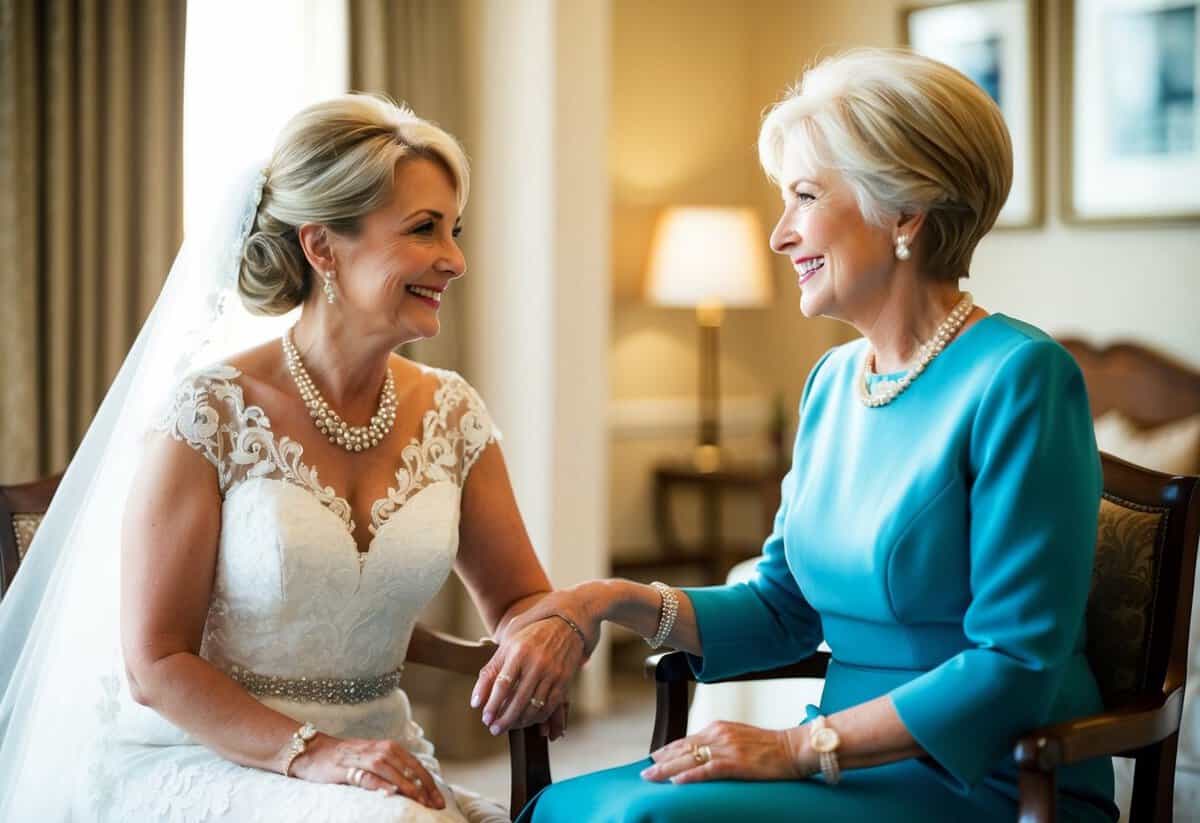
Understanding where the mother of the bride sits can help ease any stress you might have about the day. It’s a big moment, and having her close to family can create a supportive atmosphere. Each wedding is unique, so it’s important to plan the seating arrangement based on your family’s individual relationships and preferences.
By paying attention to these seating details, you ensure that everyone feels included and comfortable during the ceremony. After all, the goal is to create memorable moments as you celebrate love and family together!
Understanding Wedding Ceremony Seating Basics
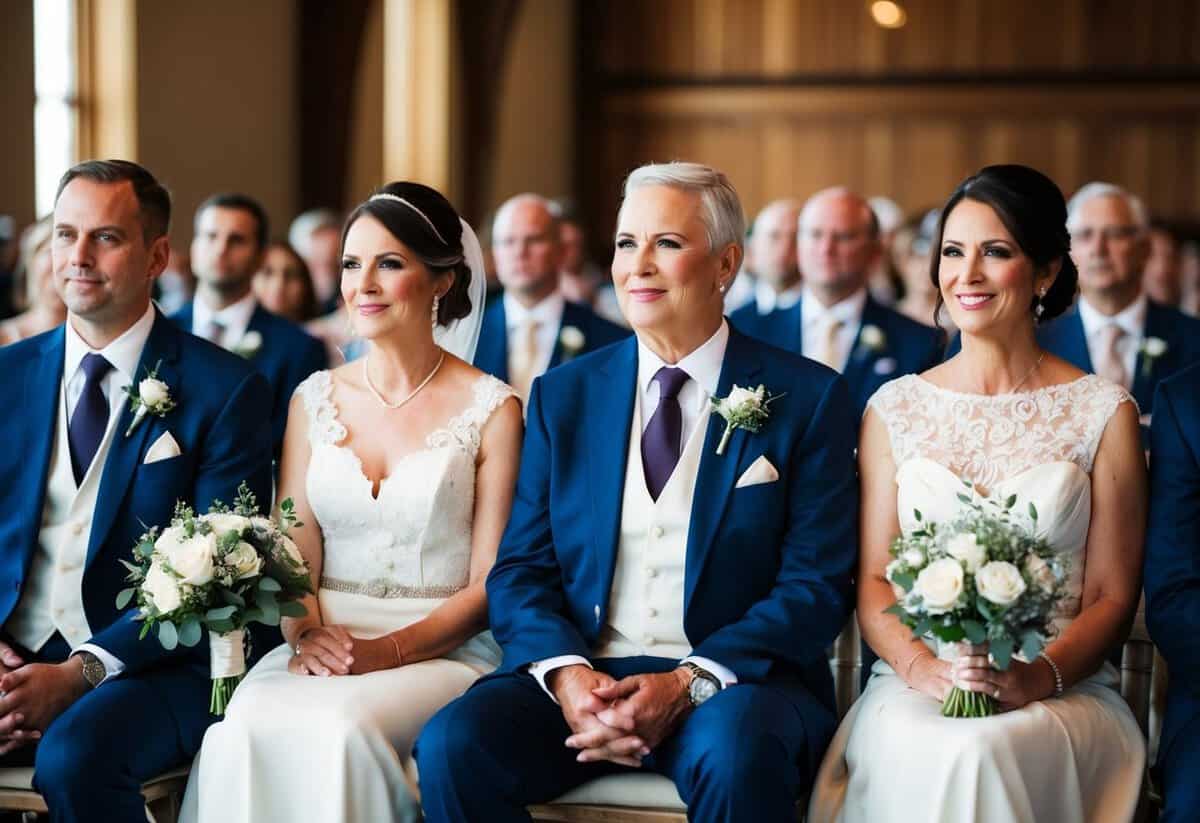
Knowing how to plan seating at a wedding ceremony can help create a warm atmosphere. Each seat carries meaning, especially when it comes to family and close friends. Your seating chart will guide how guests are positioned for an enjoyable experience.
Significance of Seat Selection
Choosing seats for the wedding ceremony is an important part of wedding planning. Traditionally, the closest family members occupy the front rows. This includes parents, grandparents, and siblings.
The mother of the bride usually sits in the front row on the left side. She is often seated next to her partner or the father of the bride. This spot shows honor and respect.
The mother of the groom typically sits in the front row on the right side. This arrangement bridges the two families, symbolizing unity. Guests appreciate being part of this special moment, making them feel included right from the start.
General Layout of Ceremony Seating
The layout of ceremony seating can vary based on the venue and the couple’s preferences. Most ceremonies follow a traditional format, where the mother’s seating comes first. The groom’s family is seated before the bride’s family, fostering togetherness.
Your seating chart should clearly outline where each group sits. This will help ushers direct guests smoothly. Consider having special seats for grandparents and other important guests to make them feel extra special.
Keep in mind that each wedding is unique. You might choose a more personalized layout based on your relationship with family and friends. Ultimately, ensuring everyone fits comfortably contributes to a memorable ceremony.
Roles and Positions in the Bridal Party
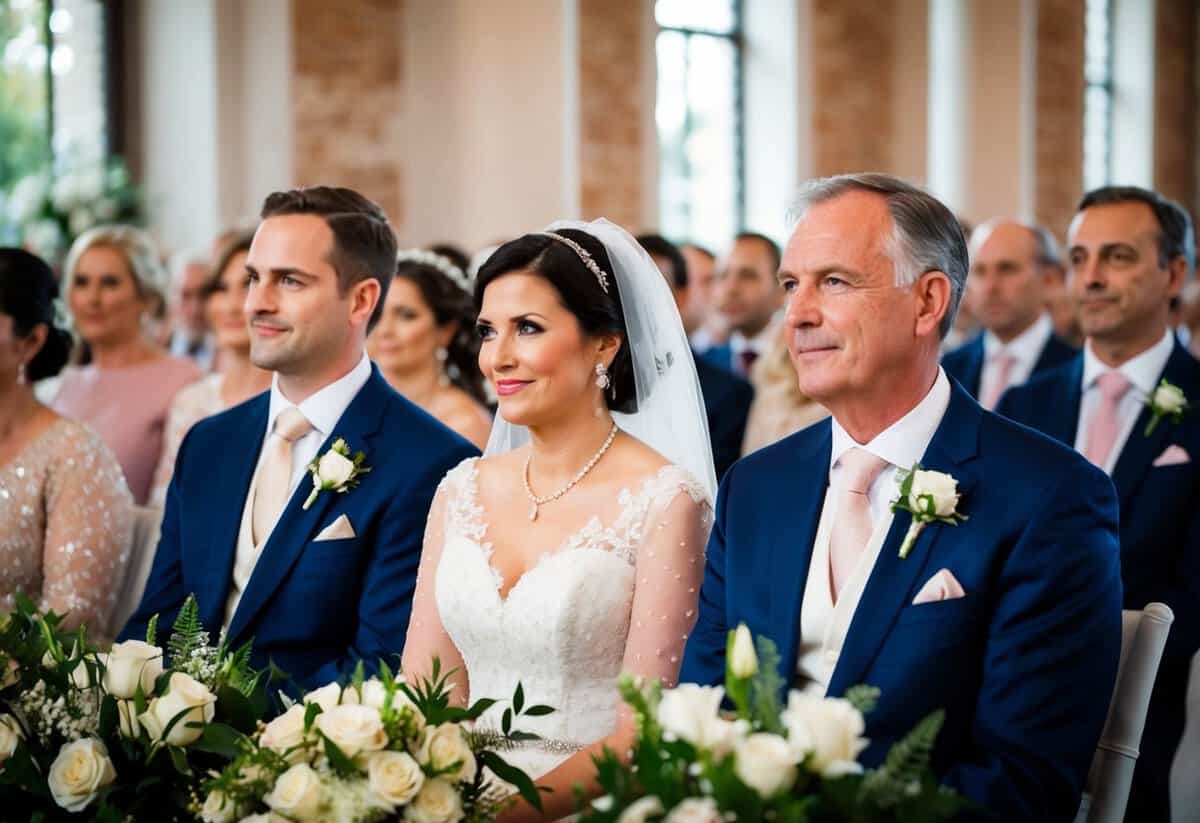
In a wedding, understanding the roles and positions of the bridal party is important for everyone involved. Each member has specific duties that contribute to the day’s success, ensuring everything flows smoothly.
Responsibilities of the Wedding Party Members
The wedding party typically includes the bride, groom, bridesmaids, groomsmen, maid of honor, and best man. Each person has unique responsibilities.
- Mother of the Bride: Provides support and helps plan the wedding.
- Maid of Honor: Assists the bride with dress decisions and may carry the bouquet during the ceremony.
- Bridesmaids: Help with various tasks and are there for emotional support.
- Best Man: Supports the groom and leads the groomsmen.
- Groomsmen: Assist the best man and support the groom on the big day.
Understanding these roles helps everyone know what is expected of them.
Sequence of the Wedding Processional
The processional is an important part of the ceremony. It sets the stage for the wedding and typically follows this order:
- Officiant: Enters first to await the ceremony.
- Groomsmen and Bridesmaids: Walk in pairs, often alternating.
- Maid of Honor: Follows the bridesmaids and is usually next to the bride.
- Flower Girl/Boy: May lead the procession, adding charm.
- Bride: Traditionally walks down the aisle last, often escorted by her father or parents.
This sequence helps create a memorable moment for everyone involved.
Seating Arrangements for the Ceremony
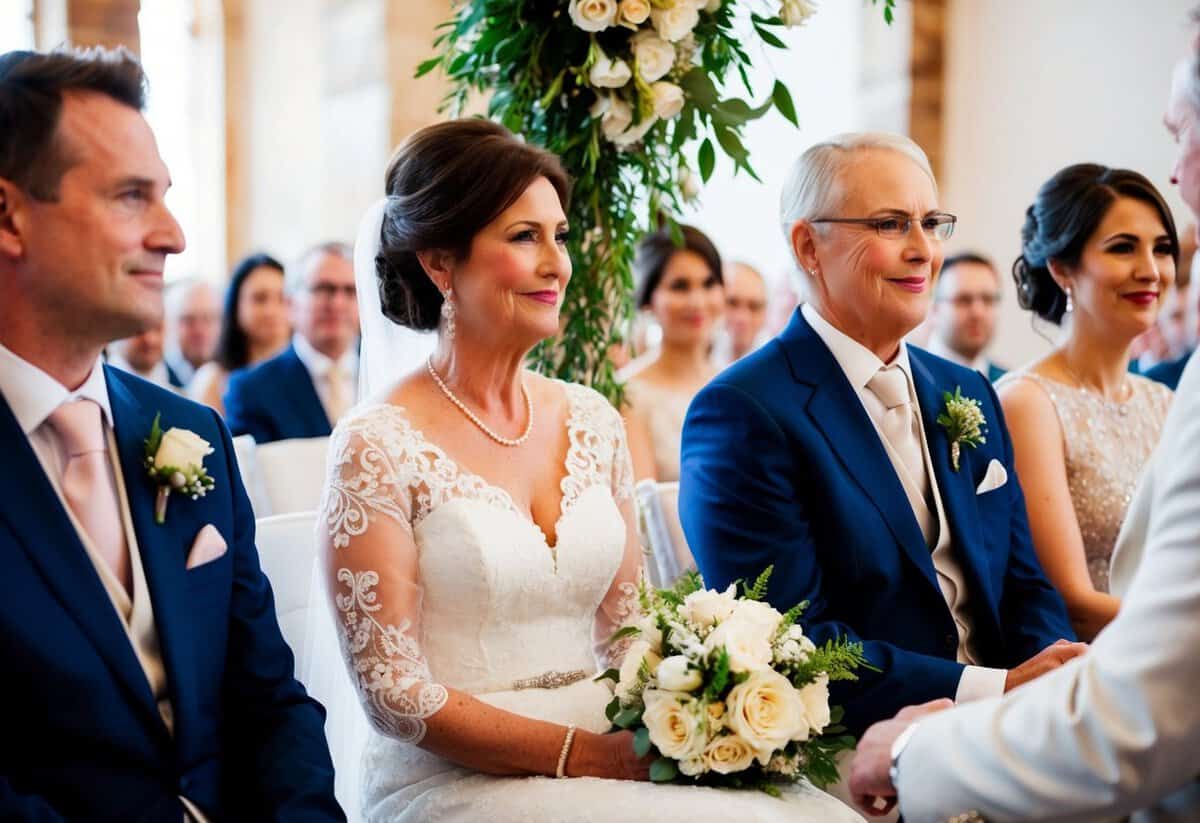
When planning seating arrangements for the wedding ceremony, it’s important to consider the roles of immediate family members, especially the mothers. Understanding proper etiquette helps ensure that everyone feels comfortable and respected during this special event.
Seating Protocol for Parents
In a traditional setting, the mother of the bride typically sits in the first row on the left side. This spot is convenient for her as she prepares to walk down the aisle. The mother of the groom usually takes her seat in the first row on the right side.
Here’s a simple outline of the seating order for parents:
- Bride’s Mother: First row on the left
- Groom’s Mother: First row on the right
- Fathers: Often seated beside their respective partners
This arrangement highlights the importance of both mothers while keeping the families distinct.
Positioning of Immediate Family
Next comes the immediate family. Siblings of the bride and groom often sit near their parents. If the couple has step-parents, it’s wise to communicate the seating plans ahead of time to avoid confusion.
Here’s a typical setup:
- Siblings of the Bride: Second row on the left
- Siblings of the Groom: Second row on the right
- Other Family Members: Following immediate family, other relatives can be seated in the remaining rows.
Spacing family members thoughtfully allows everyone to feel included. Remember, these arrangements can be adjusted based on family dynamics and preferences, so consider what feels right for your families.
Transitioning to the Wedding Reception
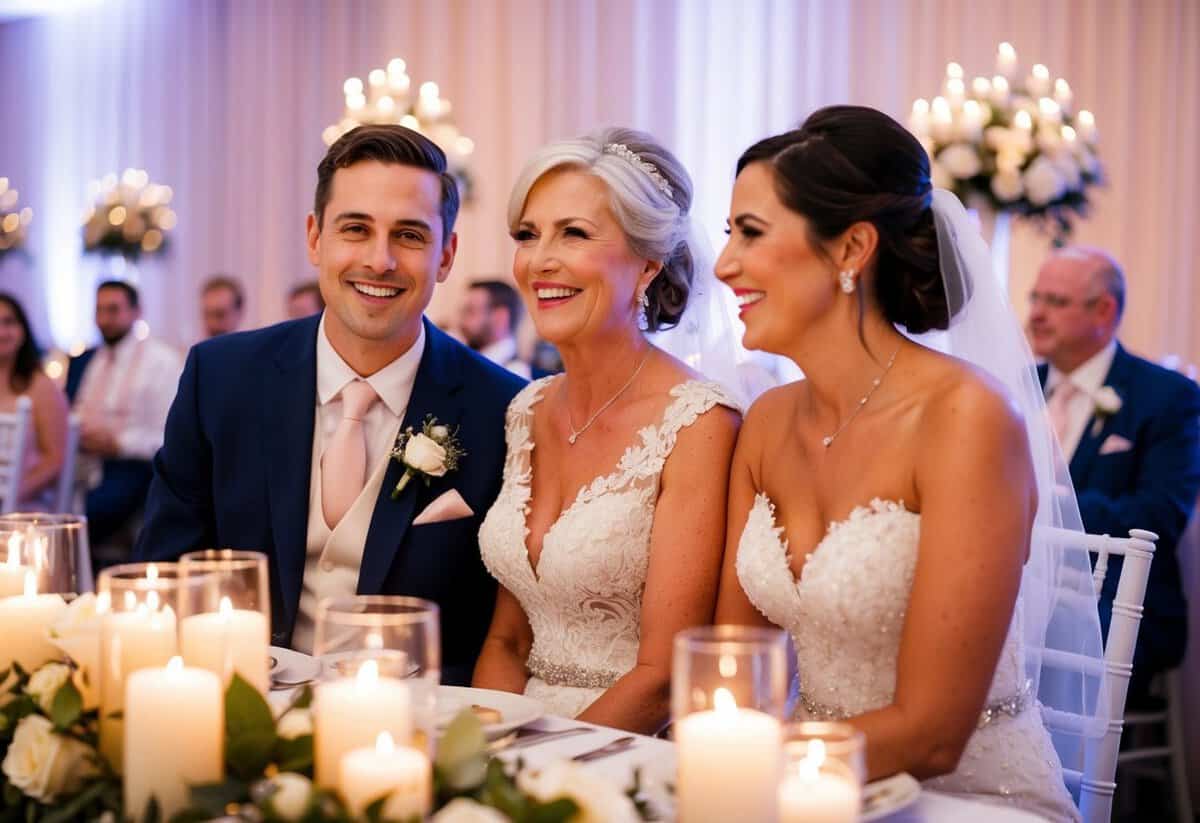
As you move from the ceremony to the wedding reception, it’s important to plan the seating arrangements carefully. Knowing who the mother of the bride sits next to can set a positive tone for the celebration and help everyone feel comfortable.
Arrangement of Reception Tables and Seating
The arrangement of reception tables plays a significant role in the flow of the evening. The top table is usually where the bride and groom sit, accompanied by their parents and siblings. This table is often centrally located for visibility.
You might consider a U-shape or round setup for the tables. This encourages interaction among guests.
Reception table placements can vary based on your guest list. Work with your wedding planner to ensure everyone is comfortably seated and can easily engage with one another.
Typically, the mother of the bride might sit next to her spouse or the bride’s father, fostering family connections. Having a diverse mix of friends and family seated together can create a lively atmosphere.
Considerations for Different Wedding Traditions
Different cultures have unique customs for seating arrangements at weddings. When planning, remember to consider these traditions. For example, in some cultures, the parents sit together at the wedding reception seating, while in others, they might have separate tables.
If you’re blending families, think about how step-parents and extended family can be included. Discuss any specific traditions you want to honor with your wedding planner. This ensures that the mother of the bride is placed in a role that respects her family’s customs while making her feel valued.
The goal is to create a warm and inviting environment. This way, everyone, including the mother of the bride, feels included and cherished.