
Who Enters First in a Wedding Ceremony? A Guide to the Wedding Processional
When planning your wedding ceremony, you might wonder about the order in which everyone enters. Traditionally, the officiant arrives first, followed by the groom and best man. Understanding this processional order can help set the tone for your special day and ensure everything runs smoothly.
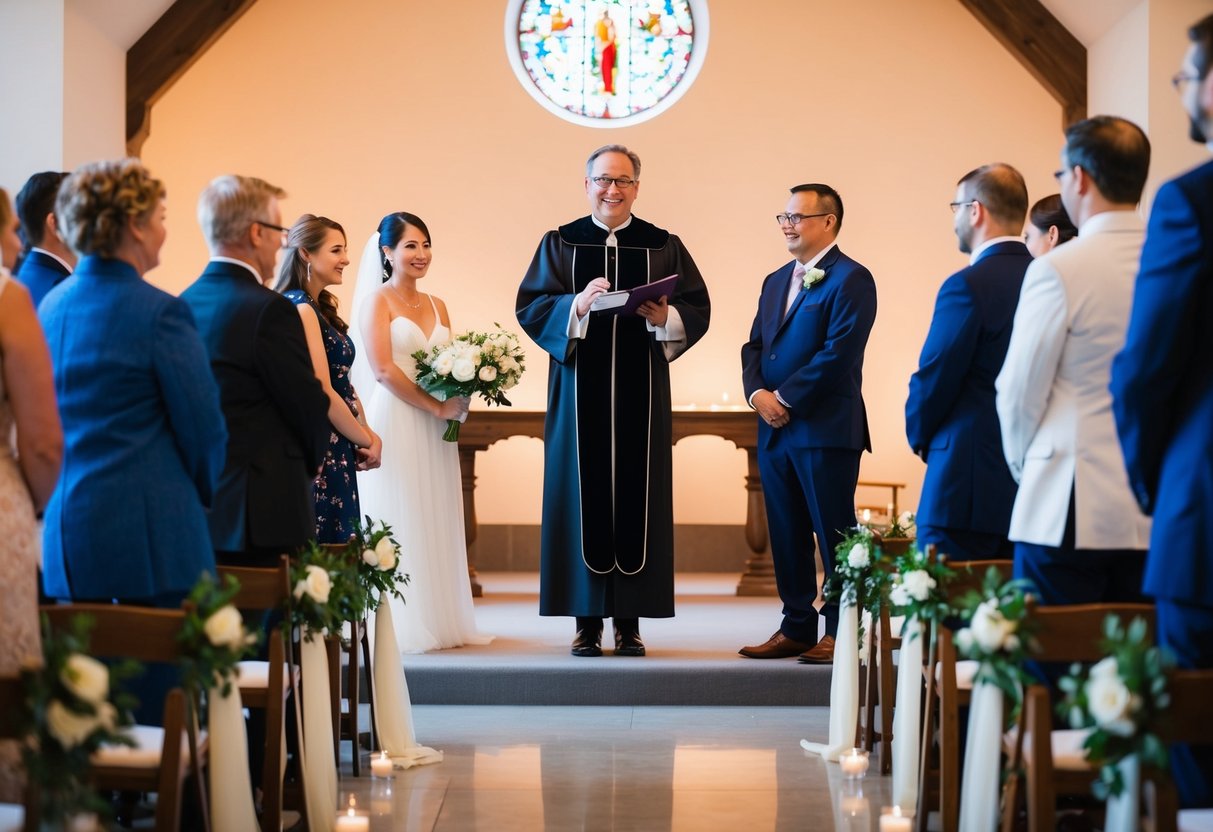
As the ceremony progresses, the wedding party enters, often arranged by importance. The bridesmaids typically follow the groomsmen, and the last to walk down the aisle is the bride herself. In modern weddings, this order can vary, allowing for more personalized choices that reflect your style and preferences.
Whether you choose a traditional approach or opt for a more modern twist, knowing who enters first helps create a memorable experience for you and your guests. By organizing the processional, you can highlight meaningful relationships and celebrate the love surrounding your big day.
The Order of Entrance in Traditional Wedding Ceremonies
In a traditional wedding ceremony, the order of entrance plays a vital role in setting the stage for the day. This sequence establishes a sense of anticipation and highlights the relationships of everyone involved.
Role of the Officiant and Grandparents
The officiant is typically the first person to enter the ceremony site. They walk to the altar, signaling the start of the wedding. This moment is crucial as it shows the guests that the ceremony is about to begin.
Following the officiant, grandparents may enter. They often walk down the aisle either alone or paired with another family member. This inclusion honors the older generation, showcasing their support and love for the couple.
Parents of the Bride and Groom Participating
Next, the parents of the bride and groom play a significant part in the entrance order. The mother of the bride usually enters after the grandparents. She often walks down the aisle alone or escorted by a family member.
The father of the bride follows shortly after. Traditionally, he may walk his daughter down the aisle, making a memorable moment for the couple. The groom’s parents may enter at the same time as the bride’s parents or directly before the bridal party, depending on personal preferences.
Bridal Party’s Processional
Once the parents have taken their places, the bridal party begins their entrance. First, bridesmaids and groomsmen often walk in pairs. If there are an odd number of participants, one may walk alone or two can walk together.
Following the bridesmaids, the maid of honor makes her entrance. She often walks down the aisle alone, allowing her to stand out. Finally, the bride makes her grand entrance, usually with her father or another significant family member, marking the highlight of the ceremony. This sequence creates a beautiful flow and helps prepare everyone for the vows to come.
Modern Adaptations to Wedding Processionals
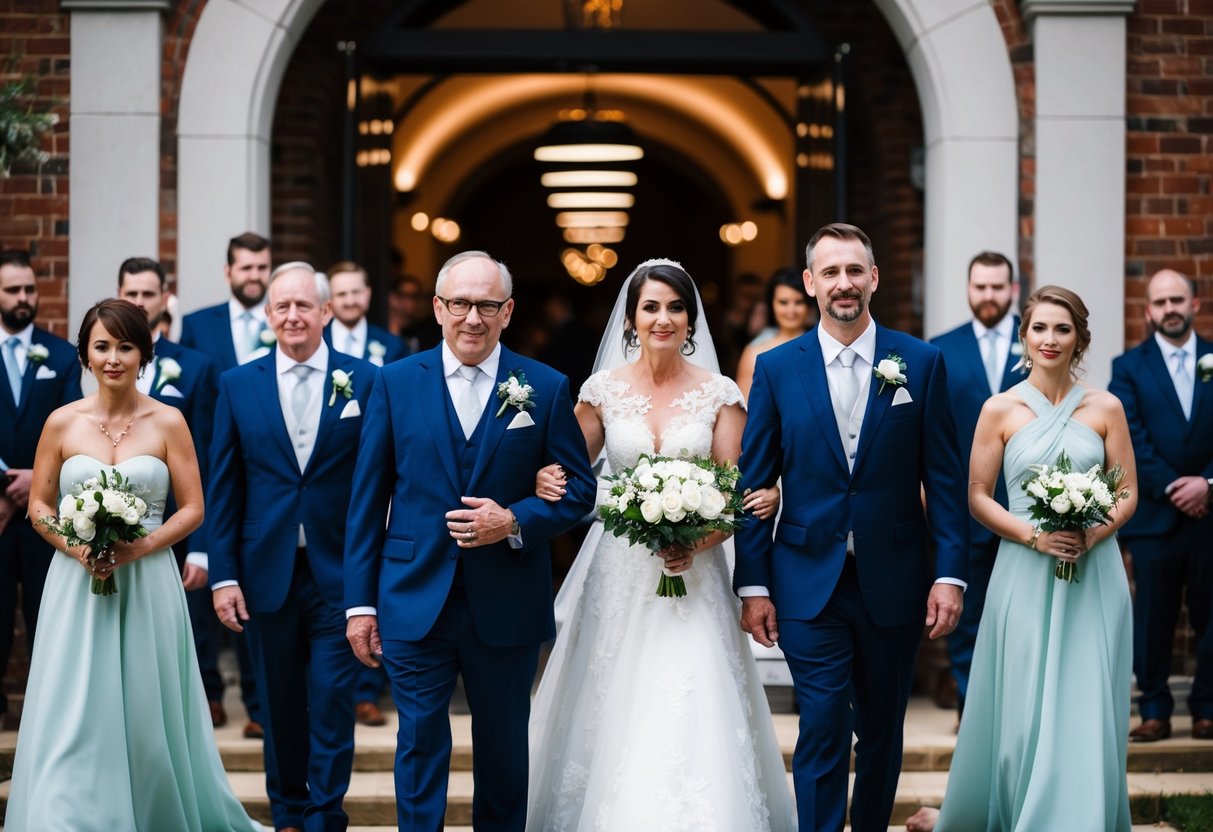
In today’s weddings, many couples opt for unique ways to personalize their ceremony. You can embrace contemporary ideas while still honoring traditions. Let’s look at how modern twists and inclusions of non-traditional elements can enhance your wedding processional.
Contemporary Twists on Traditional Roles
Many couples are rethinking who makes the grand entrance. Instead of just the bride being escorted by her father, you might choose to walk down the aisle together as a couple, symbolizing unity.
Bridesmaids and groomsmen often enter as couples, showcasing their relationships. Some even opt for close friends or family to take on these roles.
Another trend is to skip the typical order altogether with a non-traditional wedding processional. For example, parents may walk down the aisle first to honor their support.
Inclusion of Non-Traditional Ceremony Elements
Modern processional arrangements often feature unique elements that reflect your personality. You might want to incorporate memorable moments like a unity ceremony, where both of you participate in a symbolic act together.
Choosing meaningful entrance music can also set the right tone. Instead of typical wedding songs, you could select tracks that hold special significance for you as a couple.
Adding personal touches, such as a reading of vows during the processional, creates a deeper connection for you and your guests. Cultural traditions can also be included, making the ceremony unique and personal.
Cultural and Religious Variations in Processionals
Weddings around the world feature unique traditions that dictate how the couple and their families enter the ceremony. Understanding these variations can help you plan a ceremony that honors your heritage or personal beliefs.
Christian and Catholic Wedding Processional Orders
In a traditional Christian wedding ceremony, the order of entrance typically starts with the officiant, followed by the groomsmen and the groom. The mother of the bride is often next, followed by bridesmaids who walk down the aisle before the bride. Each person plays a significant role, and the bride usually enters last, often accompanied by her father or both parents.
In Catholic ceremonies, the entrance order is similar, featuring the altar servers, aunti or uncles, and family before the bride. The use of religious symbols, such as wedding rings, is also common, emphasizing the sacred nature of the vows exchanged.
Jewish Wedding Traditions and Processional Order
Jewish weddings have rich traditions that shape the processional order. The ceremony often begins with the groom entering first, followed by the rabbi. The bride’s family, including her grandparents, usually walks in next to sit in the front row, emphasizing their role in the family’s Jewish lineage.
The couple then stands under the chuppah, a canopy symbolizing their new home. The procession highlights community and family, making this moment feel inclusive and meaningful. The bride typically enters last, marking her arrival as a significant occasion in the ceremony.
Hindu Wedding Rituals and Entrance Order
Hindu weddings feature vibrant rituals and a lively atmosphere. The baraat starts the processional. The groom, often riding a decorated horse or in a lively dance procession, is welcomed by the bride’s family.
Once the groom arrives, the bride is escorted in by her parents. She walks towards the mandap, a sacred space for the ceremony. The entrance showcases family ties, cultural heritage, and festive spirit, making it a joyful experience. The focus is on unity and celebration as the couple prepares to exchange vows.