
Who Exchanges Rings First? A Guide to Wedding Traditions
As you plan your wedding ceremony, you may wonder who exchanges rings first. Traditionally, the groom presents the wedding ring to the bride first, symbolizing his commitment and love.
This moment in the ring exchange is not just a formality; it holds deep meaning as it reflects the bond you are creating in your marriage.
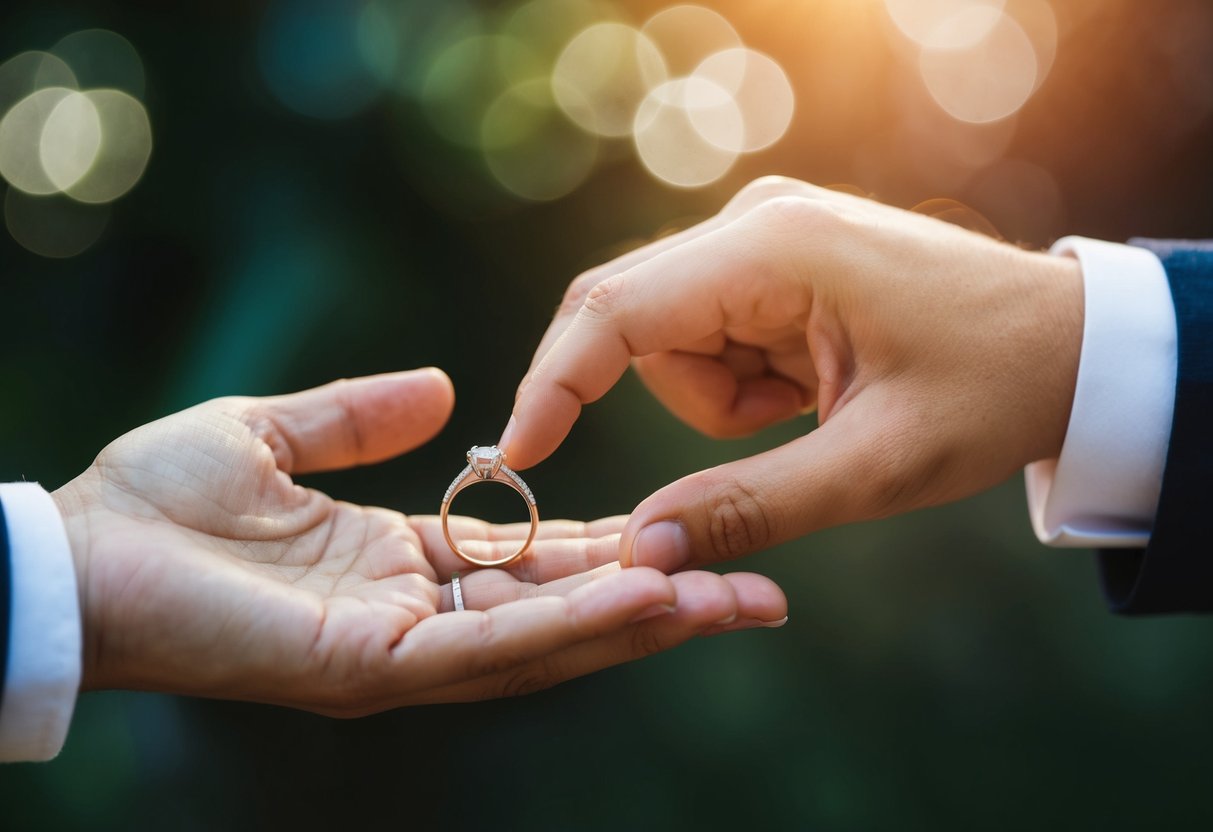
While many couples choose to follow this tradition, there is also room for personal preference. You can decide as a couple how to make this moment uniquely yours.
Whether you stick to tradition or create your own order, the ring exchange is a beautiful representation of your love and commitment to each other.
Understanding the significance of who exchanges rings first can enhance your wedding experience. It is a moment filled with emotion and intention, marking the start of your journey together. Embrace this special tradition and make it meaningful for your relationship.
The Significance of Ring Exchange in Weddings
The ring exchange is a cherished moment in wedding ceremonies that symbolizes commitment and love. It serves as a powerful reminder of the vows shared between partners.
Understanding the meaning behind this tradition can deepen your appreciation of the celebration.
Symbolism of Wedding Rings
Wedding rings carry deep symbolism. They represent the eternal bond between you and your partner, signifying faithfulness and commitment. The circular shape of the ring has no beginning or end, reflecting an everlasting love.
When you exchange rings during the ceremony, it’s more than just putting on a band. It’s a public declaration of your promises to each other.
Many people choose specific designs for their wedding bands, often incorporating meaningful elements. Engagement rings also hold special significance as a promise of your future together.
Historical Context of Ring Exchange
The tradition of exchanging rings dates back thousands of years. In ancient Egypt, couples wore braided rings made of reeds or leather, symbolizing their union. Romans popularized the use of gold rings, marking a more permanent commitment.
Interesting variations exist, such as the gimmel ring, which consists of two interlocking bands that symbolize the two partners coming together. The poesy ring features engraved love poems or messages, representing personal commitment.
In a traditional wedding ceremony, the ring exchange follows the marriage vows, highlighting the significance of the commitment you’ve just made.
Traditional Ceremony Order and Ring Etiquette
Understanding the traditional ceremony order and ring etiquette can help you plan your wedding. This part of the ceremony is meaningful and sets the tone for your vows and commitment.
Processional to Recitation
The ceremony begins with the processional. This is when the wedding party walks down the aisle.
Typically, the flower girl and ring bearer lead the way. The flower girl may scatter petals, while the ring bearer carries the rings, adding charm to the moment.
After everyone is in place, the officiant welcomes guests and introduces the ceremony. This is followed by the recitation of vows.
Here, you and your partner express your love and intentions to each other. The wording can be personalized or traditional, but it should hold special meaning for both of you.
Exchange of Wedding Rings
The exchange of wedding rings is a critical moment in the ceremony. It is a symbol of your love and commitment.
Traditionally, the groom exchanges rings first, followed by the bride’s turn. This order reflects the tradition, but you can personalize it as you wish.
During this exchange, it is essential to focus on the symbolism of the rings. Some couples choose to speak a few words about what the rings represent.
Remember, wedding ring etiquette suggests that both rings should fit comfortably and be worn on the fourth finger of the left hand.
Who Exchanges Rings First in a Wedding?
When it comes to exchanging wedding rings, traditions can vary. Understanding who goes first in the exchange can help shape your ceremony and add personal touches.
The Traditional Approach
In many traditional weddings, the groom exchanges rings first. This act symbolizes his commitment to the bride. The groom typically places the wedding band on the bride’s finger during the ceremony.
This practice has deep roots in history and reflects gender roles common in past generations. Traditionally, the bride is often seen as receiving the ring. This gesture is about love and devotion shared between the couple.
Many couples appreciate the significance of this order. Following this tradition can bring a classic feel to your ceremony. However, it’s essential to consider what feels right for you.
Modern Twists on Ring Exchange
Today, many modern couples choose to break from tradition. Personal preferences lead some to exchange rings at the same time. This can create a more equal feel during the exchange.
Some couples may also opt for a friend or family member to hold the rings. This adjustment can add a unique touch to your ceremony.
It’s all about what resonates with you and your partner.
Another popular trend is allowing the bride to exchange rings first. This can symbolize equality and partnership. With many options available, you can craft a ring exchange that reflects your love story.
Cultural Variations and Adaptations
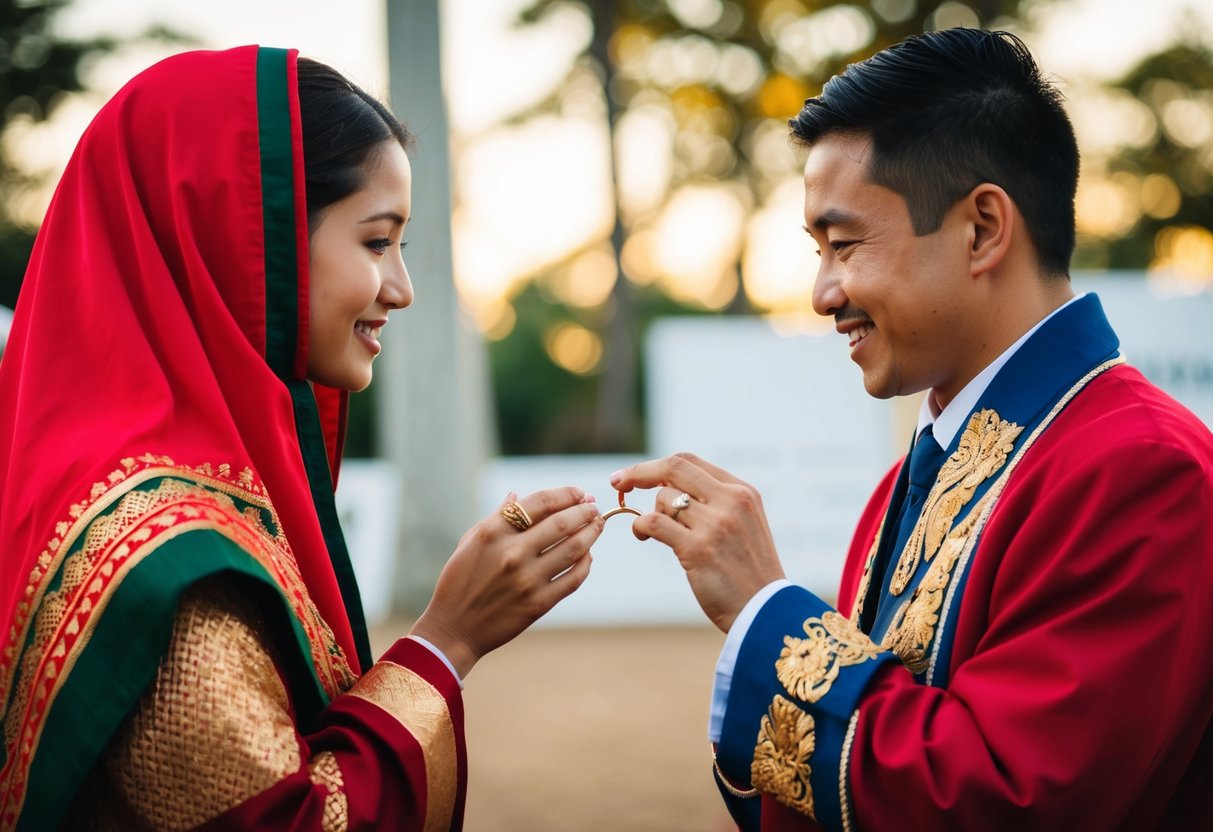
Wedding ring exchanges differ widely across cultures. These variations reflect diverse traditions, values, and personal beliefs. Understanding these differences can help you make choices that honor your background and preferences.
Diverse Wedding Ceremonies
In many traditional weddings, the exchange of rings is a major moment. In Western cultures, it often happens after the couple recites their vows. The groom typically presents the ring first, symbolizing his commitment.
In contrast, Hindu weddings have unique customs. During the ceremony, couples may tie a sacred thread to symbolize their connection. This unity ceremony, along with other traditions, highlights the significance of commitment in various ways. Furthermore, the seven promises of marriage help couples express their vows in personal and meaningful ways beyond just exchanging rings.
Incorporating Personal Beliefs
As you plan your ceremony, consider how personal beliefs shape the ring exchange. Many couples blend traditions to create a unique experience.
This could involve adapting traditional vows to fit personal values while still honoring cultural roots.
For instance, you might incorporate elements from different backgrounds, like combining Western ring exchanges with a traditional ceremony from your family. This approach not only honors your heritage but also showcases your couple’s commitment to each other.
By selecting meaningful symbols and practices, you can make your wedding truly special.