
Who Exits First in a Wedding? Exploring the Traditions and Etiquette
At a wedding, the order of who exits the ceremony can feel just as important as the ceremony itself. The newlyweds are usually the first to exit, marking the start of their new journey together. Following them, the wedding party leaves in pairs, including the best man and maid of honor, along with bridesmaids and groomsmen.
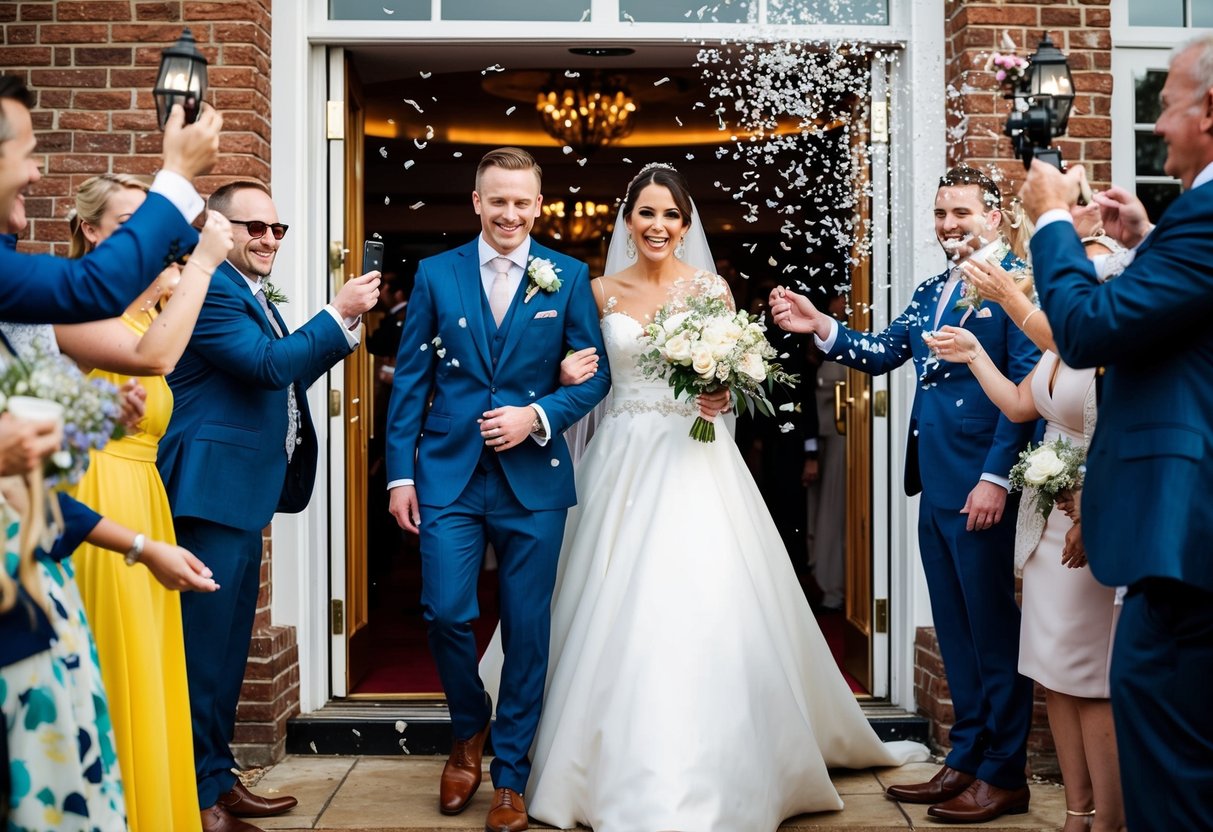
Understanding the exit order helps make your celebration flow smoothly. It adds a special touch to your wedding ceremony, ensuring that everyone knows when to walk down the aisle and enjoy the moment. By knowing who exits first, you can plan ahead and create a memorable experience for you and your guests.
The Wedding Processional Order

The order in which you and your wedding party enter the ceremony is important. It sets the tone for the event and honors everyone involved.
Roles and Responsibilities
Each person in the wedding party has a special role during the processional. The officiant is often the first to enter, guiding the ceremony. Following the officiant, grandparents typically walk down the aisle next, often escorted by ushers.
Next, the parents of the bride enter. They walk separately or together, depending on preference. After them come the groomsmen, who walk in pairs, followed by the bridesmaids, also in pairs.
The ring bearer and flower girl usually follow the bridesmaids. They add charm to the procession. Finally, the bride enters last, often escorted by her father or another close family member, showcasing her arrival.
Order of Entry
The traditional processional order varies slightly among cultures but often follows a similar pattern. In a typical Christian wedding, it starts with grandparents, then parents, followed by the bridal party.
A suggested order might be:
- Officiant
- Grandparents
- Parents (of the bride, then groom)
- Bridesmaids
- Groomsmen
- Flower Girl
- Ring Bearer
- Bride
In Jewish ceremonies, the order may change, often including the traditional mandap setup. Each role honors the connections of your loved ones, creating a memorable moment as you walk down the aisle to your bridal march.
Special Moments During the Ceremony
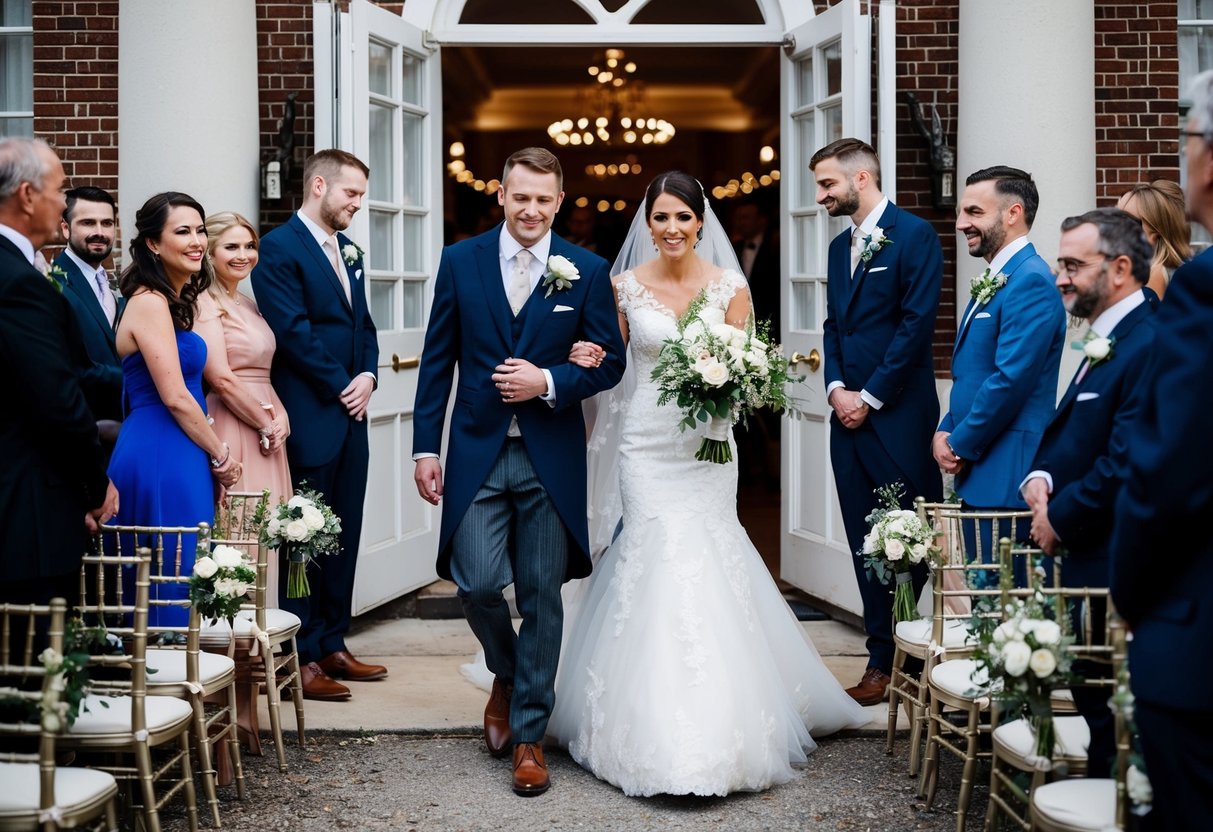
During the wedding ceremony, several key moments create lasting memories. You will witness heartfelt vows, meaningful readings, and symbolic actions that enhance the celebration of love.
Vows and Ring Exchange
The exchange of wedding vows is one of the most emotional parts of the ceremony. This is when you and your partner express your love and commitment to each other. Each vow may highlight your unique relationship and shared dreams. After the vows, the ring exchange follows. Rings symbolize the promise and devotion you have for one another. When placing the rings, remember that this moment reflects your unity and journey ahead.
Readings and Pronouncements
Readings often add a personal touch to your ceremony. You might choose passages from literature, poetry, or religious texts that resonate with your love story. Friends or family members can be invited to share these readings for a more intimate feel. Following the readings, the officiant makes the pronouncement of marriage. This moment signals that you are officially husband and wife.
Symbolic Actions
Symbolic actions during the ceremony bring deeper meaning to your vows. They can include rituals like the unity candle lighting or sand ceremony. These acts signify your merging of lives and families. The kiss at the end of the pronouncement seals your love in front of everyone. You might also include the bouquet toss, which adds a fun touch to the celebration. Each of these moments captures the essence of your commitment and joy.
The Grand Wedding Recessional

The wedding recessional marks a special moment when you and your partner exit the ceremony. It is an important part of the celebration, signaling the start of your new life together. Here’s what you need to know about this grand exit.
Newlyweds Lead the Way
You and your spouse are the stars of the recessional. As the newlywed couple, you will exit first after the officiant pronounces you married. This moment is about joy and celebration.
When you walk down the aisle together, it’s important to choose a song that reflects your relationship. Many couples opt for upbeat or romantic music to enhance the festive atmosphere. Remember to smile and celebrate as you make your grand exit.
The Order of Exit
After you leave, the rest of the wedding party follows. The order of exit is essential for a smooth transition. Here’s a typical order:
- Bridal Party: The Maid of Honor and Best Man exit next.
- Flower Girls and Ring Bearers: They usually follow, showcasing a sweet moment for guests.
- Parents: Often, family members, such as your parents, exit next to symbolize support and love.
This organized approach keeps the focus on you while celebrating everyone involved. Tailoring the exit order to reflect your family can add a personal touch to your ceremony exit.
Photography and Special Requests
Photography is a key part of preserving your wedding memories. Make a list of must-have shots with your photographer. This can include family photos with the bride’s and groom’s parents or special moments with friends.
If there are unique traditions or activities, be sure to communicate these to your photographer. This way, they can capture all the details you want to remember.
Also, discuss any special requests, like candid shots during the reception or specific moments you want documented. Keeping an open line of communication will help ensure you get the photographs you desire.