
Who Gave the Bride Away at the First Wedding? Unraveling the Tradition
Weddings have long been special ceremonies filled with traditions that connect us to our past. The act of giving away the bride dates back to early marriage customs. Her father was often the one to hand her over to the groom. This tradition symbolizes the transfer of responsibility and care from a father to his daughter’s husband, reflecting the values of trust and protection.
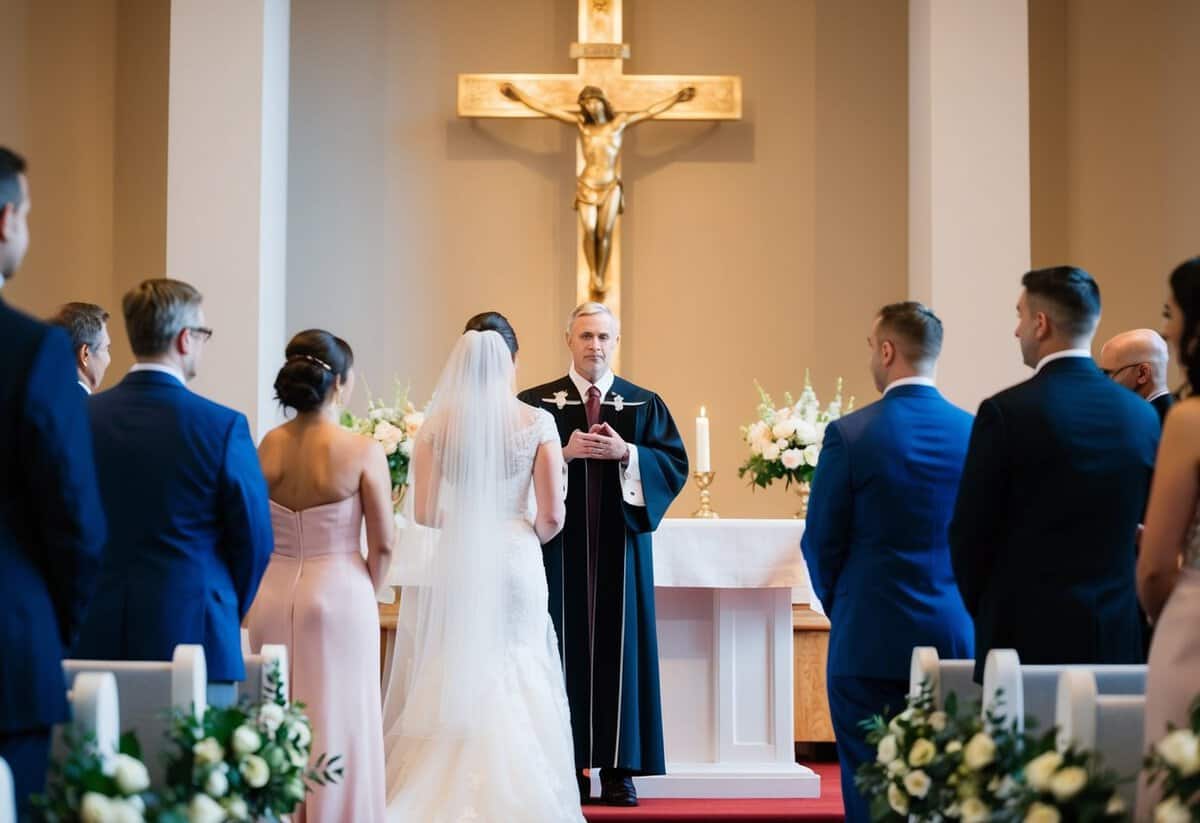
In exploring the roots of this practice, you’ll discover how it evolved with society and what it represents today. Many couples still honor this tradition while finding modern ways to put their own spin on it. Learning about who originally “gave away” the bride can give you a deeper understanding of the wedding ceremony and the significance behind it.
Whether you’re planning your own wedding or simply curious about marriage traditions, diving into this topic will help you appreciate the rich history that surrounds the celebration of love.
History and Significance of Giving Away the Bride
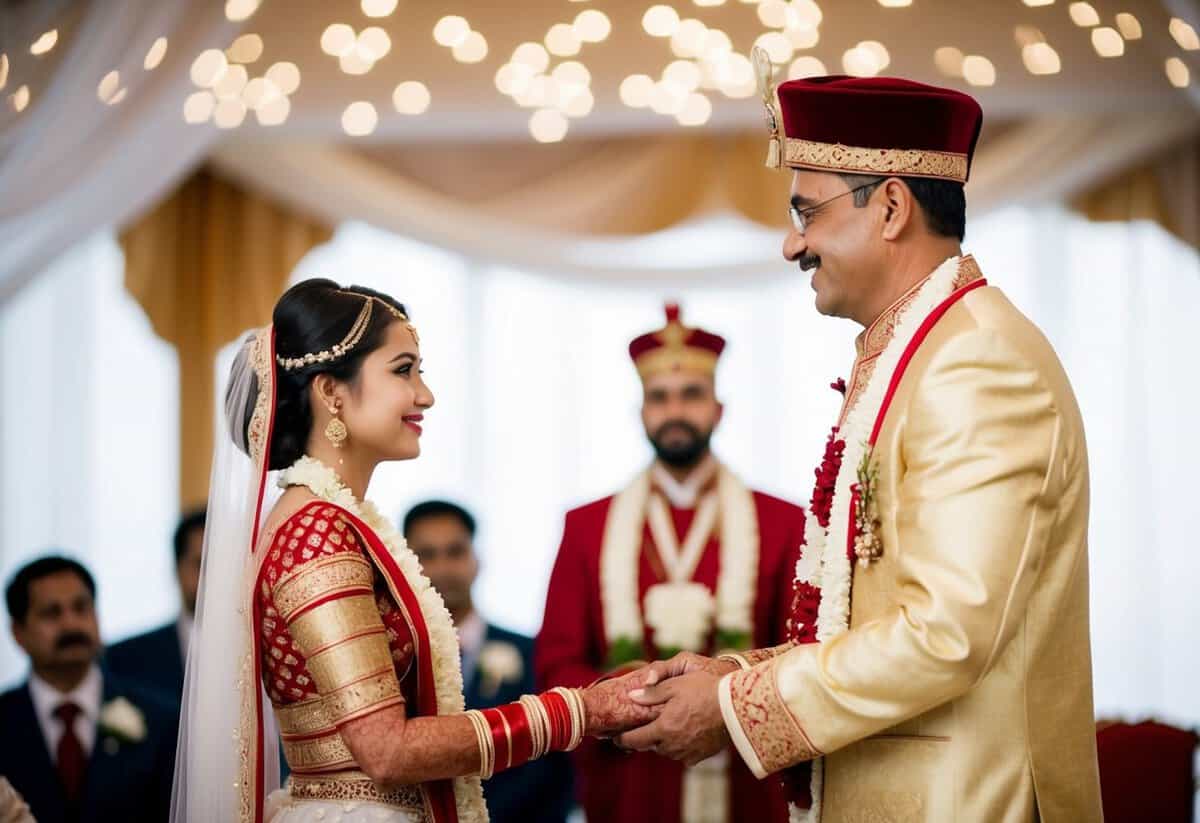
The tradition of giving away the bride has deep roots and varies widely across cultures. It involves symbolic acts of transfer, responsibility, and approval. Let’s explore the origins, its evolution, and how this tradition is interpreted today.
Origins of the Tradition
The practice of giving away the bride can be traced back to ancient times. Initially, it was a way to signify the transfer of responsibility from the father to the groom. Often, this was linked to the concept of dowry, where the bride’s family provided gifts or property to the groom’s family.
In many societies, this act symbolized a father’s blessing and approval. For example, in early Jewish traditions, the father’s role was crucial in the marriage arrangement. The father’s approval affirmed the union, underscoring its importance in society.
Evolution in Different Cultures
As cultures evolved, so did the meaning behind this tradition. In some cultures, the act of giving away the bride became a ceremonial gesture. While it still held significance, the emotional ties often shifted.
In many Western cultures, the custom became more romanticized. The father giving away the bride is seen as a gesture of love and support, marking a significant moment in the wedding ceremony. Comparatively, in other cultures, the practice might maintain stricter adherence to traditional roles, emphasizing the exchange of responsibilities.
Modern Interpretations and Adaptations
Today, many couples choose how to incorporate this tradition in their weddings. Some brides still have their fathers walk them down the aisle, while others opt for different family members or even friends.
This reflects a more inclusive approach to relationships and family dynamics. Some couples focus on the symbolic gesture of support from family without strictly adhering to traditional roles.
By adapting this practice to fit personal values, you can create a meaningful wedding experience that honors your unique background and beliefs.
Roles and Responsibilities
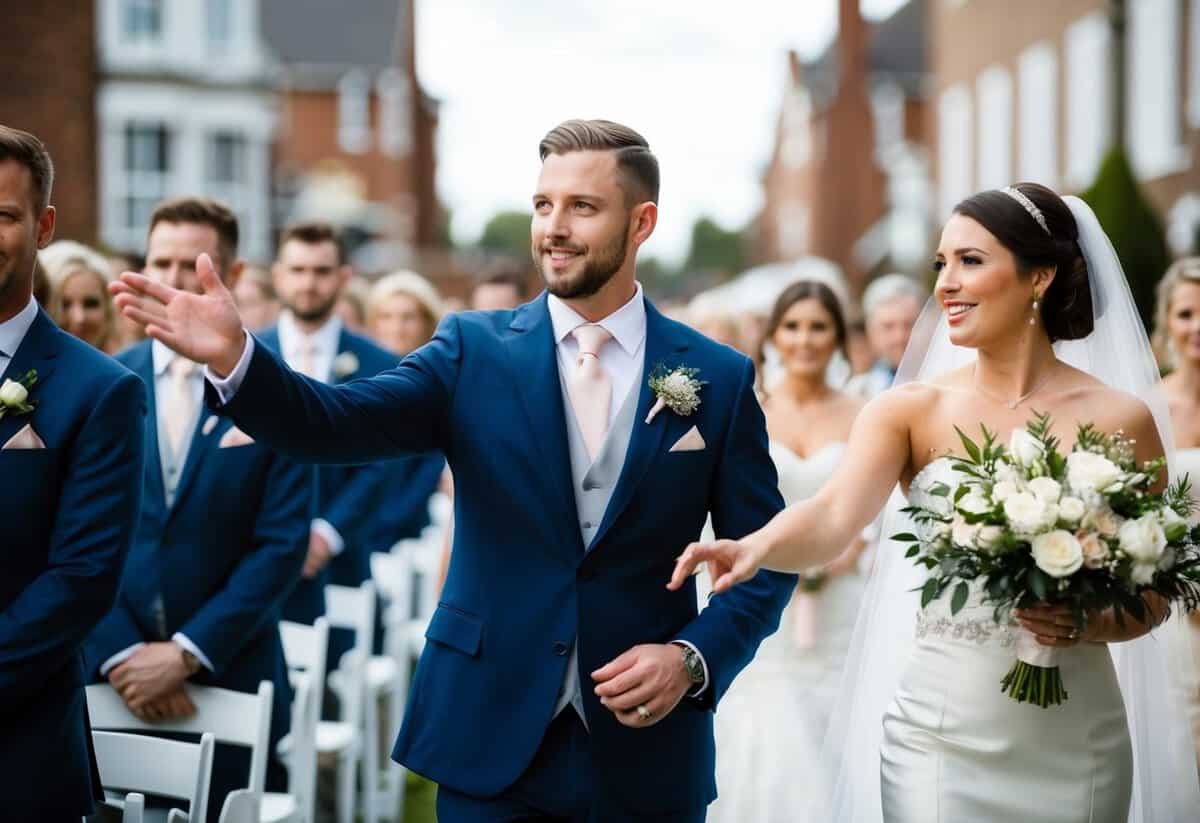
In weddings, several people can play a part in the tradition of giving the bride away. Each role carries its own significance, showing support and love for the bride as she starts a new chapter in her life.
The Role of the Father or Key Figure
Traditionally, the father of the bride walks her down the aisle. This moment symbolizes the support and blessing of the bride as she begins her journey with her partner. The act of “giving her away” has historical roots, often viewed as a transfer of responsibility.
Some fathers may feel a mix of pride and emotion during this key moment. They might also share a few words with their daughters before the ceremony to reinforce their bond.
In situations where the father is absent, other key figures can step in. A grandfather, uncle, or stepfather may take on this role, ensuring that the bride still feels supported on her special day.
Alternative Persons Giving Away the Bride
In modern weddings, the person giving away the bride can vary. If the father is not available or it’s not a fit for the family dynamics, mothers, brothers, or other close relatives might take on this honor.
This choice often reflects personal relationships rather than tradition. It’s becoming more common for brides to have both parents or multiple family members walk her down the aisle together.
You might choose a person who played a significant role in your life, ensuring your connection is recognized. This approach can add personal meaning to the ceremony, making it truly unique.
Involvement in Wedding Planning
In addition to walking the bride down the aisle, key figures may help with wedding planning. This can include assisting with details like venue selection, invitations, and budgeting.
Family members, especially parents, often lend their support in organizing events such as the bridal shower and rehearsal dinner. Each person’s involvement helps create a joyful experience, bonding the family closer together.
Your wedding party can assist in different ways, ensuring everyone feels included and valued. Having multiple hands on deck can lighten the load and make planning a shared journey filled with love and laughter.
The Ceremony and Processional
The ceremony marks a special moment in your life, symbolizing love and commitment. The processional is a key part, highlighting those involved in the wedding, especially the moment you walk down the aisle.
Walk Down the Aisle
As you prepare to walk down the aisle, the atmosphere is filled with anticipation. Traditionally, this is when someone significant in your life accompanies you. The choice of who gives you away can vary.
Commonly, a father or family member fulfills this role. However, it can also be a close friend or anyone you trust. This moment symbolizes support and love. As you make your entrance, guests often rise to witness this emotional part of the ceremony, showing respect and love.
The Handoff to the Groom
Once you reach the front, there’s a significant moment known as the handoff. This part represents the transition of care from your loved one to your partner. Typically, the person giving you away will present you to the groom.
They usually express a few words, signifying their approval and blessing. This moment can vary from simple to heartfelt. Your partner then takes your hand, showing their commitment and love in front of your friends and family.
The Officiant’s Role
The officiant plays a crucial role in the ceremony. They guide the process from start to finish, making sure everything runs smoothly. During the processional, the officiant stands ready to greet you and your partner with warmth.
They help create a comfortable atmosphere, allowing you both to feel relaxed. As the ceremony progresses, the officiant leads the exchange of vows, emphasizing love and respect. They ensure that this moment becomes a meaningful memory for you and all present.
Emotional and Symbolic Aspects
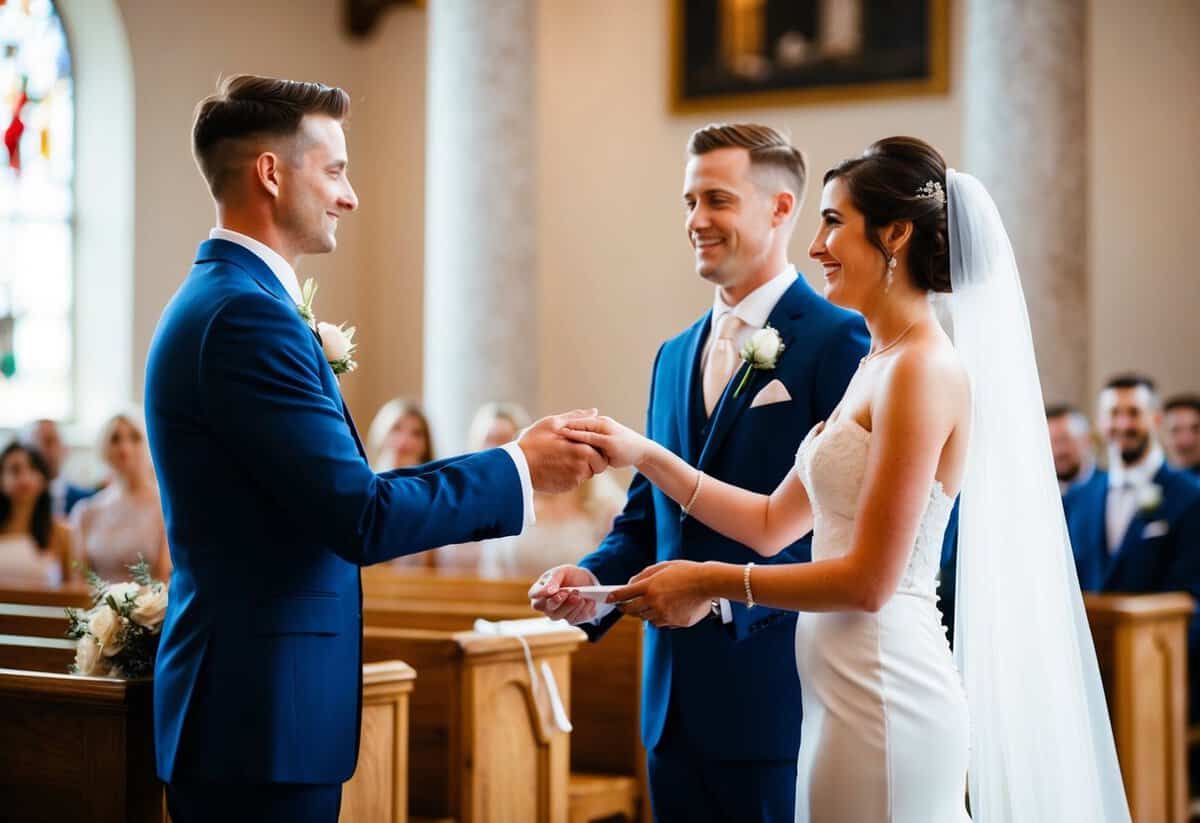
The giving away of the bride holds deep emotional and symbolic meaning. It highlights family ties and showcases the dignity and beauty of the modern bride. These aspects create powerful moments during the wedding day and reception that you may cherish for years.
Family Ties and Emotional Moments
This tradition emphasizes strong family bonds. When a father walks his daughter down the aisle, it symbolizes transferring care and responsibility. It’s a moment that often stirs emotions, bringing tears of joy to both the bride and her family.
The crowd witnesses a touching scene as you celebrate your journey as a family. This moment is not just about parting; it’s about honoring connections. The presence of loved ones reinforces the significance of your commitment to your partner.
Dignity, Beauty, and the Modern Bride
In modern weddings, the bride embodies dignity and beauty. She often chooses her attire and style, reflecting her personality and values. This independence transforms the act of giving her away from a mere tradition into a celebration of her autonomy.
Moreover, many modern brides choose to include both parents in the ceremony. This shift shows evolving interpretations of traditions while maintaining the ceremony’s emotional essence. You see a blend of respect for past customs and a nod to contemporary family structures.
This dual focus creates a richer experience, connecting the past to the present. It makes your wedding day even more memorable.