
Who Gets Asked First in a Wedding? Understanding the Order of Important Invitations
When planning a wedding ceremony, you might wonder about various traditions, including who gets asked first during the vows. Traditionally, the groom is the one who is asked to say his vows first. This practice has roots in long-standing customs, but many modern couples opt for different orders that reflect their values and beliefs.
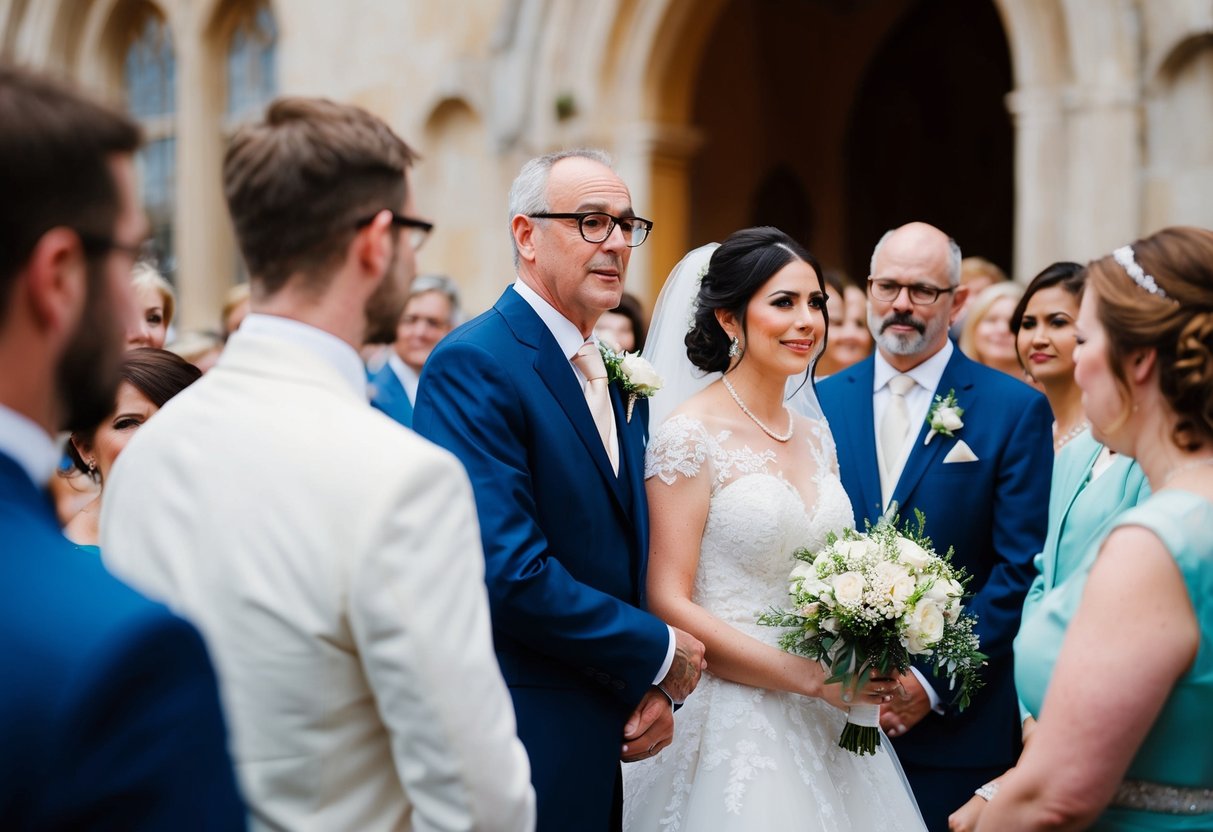
Today, it’s common for couples to either alternate their vows or even say them together. This shift highlights a growing desire for equality and partnership in relationships. Whether you prefer to stick with tradition or create your own unique moment, understanding the different options can help you decide what feels right for you.
The order of wedding vows is more than just a formality; it sets the tone for your ceremony and symbolizes your commitment. By exploring who says vows first, you can embrace a ceremony that truly represents your love and partnership.
The Tradition of Vows in Wedding Ceremonies
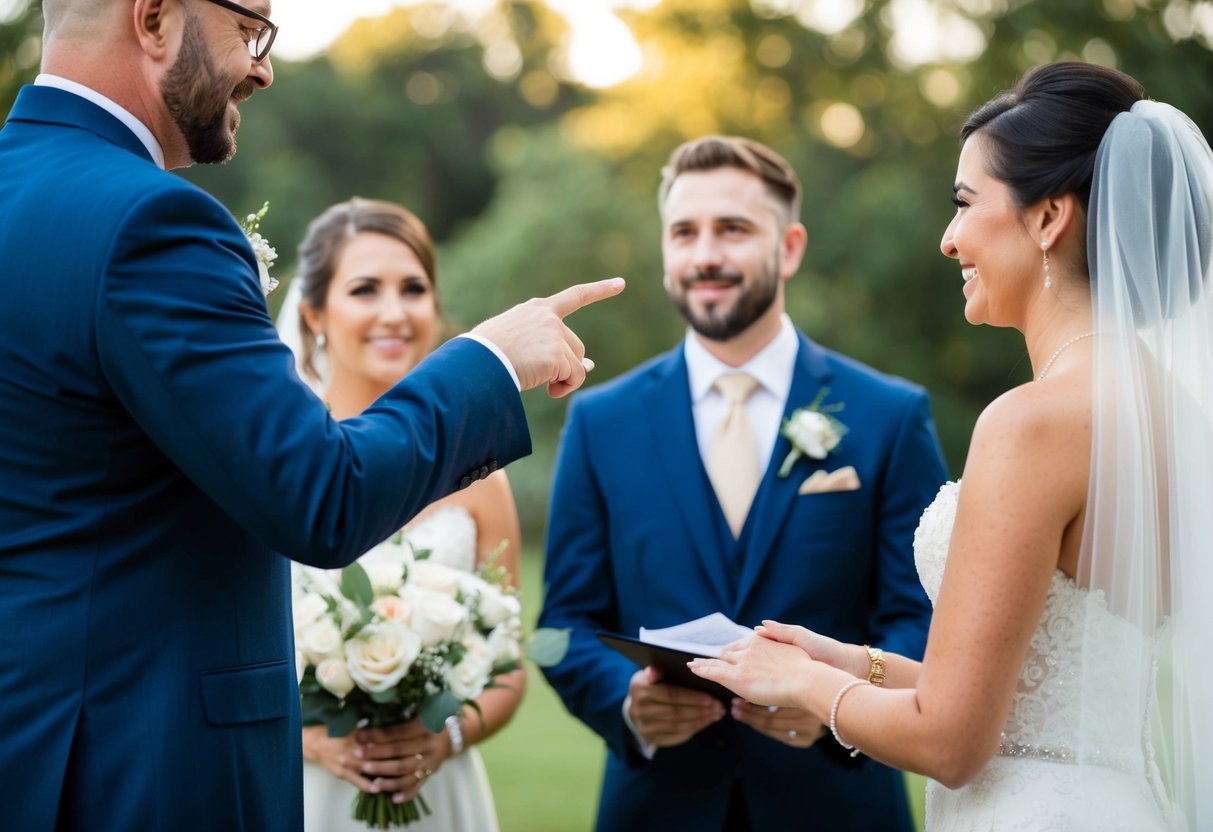
Vows play a central role in wedding ceremonies, defining the couple’s commitment to each other. Understanding the traditional order, cultural practices, and modern variations can help you appreciate the significance of this special moment.
Understanding the Traditional Order
In many traditional wedding ceremonies, the groom typically says his vows first. This practice stems from cultural norms and historical gender roles that placed the man in a more dominant position during the wedding. After the groom’s vows, the bride usually responds with her own vows.
The traditional wedding vows often include promises of love, fidelity, and support. Each partner expresses a strong commitment to their relationship. Some couples may choose to stick closely to traditional wording, while others personalize their vows to reflect their unique stories.
Cultural Practices and Religious Customs
Cultural practices and religious customs can significantly influence the vow exchange. In some religions, specific rituals dictate when and how vows are said.
For instance, in many Christian ceremonies, the vow exchange follows a predetermined order that aligns with scripture and tradition. In Hindu weddings, vows are taken during the Saptapadi, where couples circle a sacred fire and make seven promises. These cultural rituals reflect the values and beliefs of the couple, adding depth to their commitment.
Variations in Modern Weddings
As weddings evolve, so do the traditions around vows. Many couples today choose personal wedding vows, crafting them to reflect their unique relationship. This shift often allows for more emotional expression and creativity.
In modern ceremonies, some couples prefer to exchange their vows simultaneously, breaking away from traditional gender roles. This change symbolizes equality and partnership, allowing both partners to express their love openly. Personalized vows can range from heartfelt to humorous, making each ceremony distinct and memorable.
Roles and Sequence in the Wedding Processional
Understanding the order of entry in the wedding processional can help create a smooth and memorable start to your ceremony. Different customs and arrangements, whether traditional or modern, can guide you in deciding who walks in and when.
Order of Entrance in Traditional Ceremonies
In many traditional ceremonies, a specific order is followed. This usually begins with the officiant, who leads the way down the aisle. Then come the grandparents, followed by the parents of the couple.
After that, the wedding party enters. Typically, the groom goes first with his best man. Next, the bridesmaids walk down the aisle, usually paired with groomsmen. The highlight is when the bride makes her entrance. She often comes last, signifying a beautiful and important moment.
Each of these roles is crucial in setting the tone for the ceremony. You might consider customizing this order to fit your style or preferences.
Same-Sex Couples and Gender-Neutral Protocols
For same-sex couples or those seeking gender-neutral options, the processional can be more flexible. There’s no one right way to do it, allowing you to create an entrance that feels true to you.
You can decide who walks first, whether it’s both partners side by side, or alternating entrances with their wedding party. The traditional roles of bridesmaids and groomsmen can also be adjusted. Use titles that resonate with you, like “honor attendants” or “wedding party.”
This allows for a more personalized experience. Focus on what feels comfortable and genuine to you and your partner, ensuring the processional reflects your commitment.
Exchanging Wedding Vows and Rings
Wedding vows and the exchange of rings are two key moments in your ceremony. These traditions symbolize your commitment and love for each other, making them memorable highlights of your big day.
Who Says Wedding Vows First?
Traditionally, the groom says his vows first in many ceremonies. This can vary based on the couple’s preferences or cultural customs. Today, many choose to have a different order or even alternative arrangements.
You may decide to personalize your vow exchange. Many couples now opt for writing their own vows, adding a unique touch to the ceremony. This personal declaration of intent helps express your feelings deeply.
When it comes to same-sex weddings, couples often choose who speaks first based on what feels right for them. In any case, the emphasis should always be on the love and commitment shared during this moment.
The Significance of Ring Exchange
The ring exchange usually follows the vows. Wedding rings serve as a symbol of your union and love. When you exchange rings, you affirm the promises made in your vows.
During this part of the ceremony, you will typically say something like, “With this ring, I wed you.” This statement emphasizes the seriousness of your commitment. It is a beautiful moment that represents your bond.
Many couples also choose to have their rings engraved with meaningful words or dates. This adds a personal touch and makes the rings even more special. Remember, the way you approach the ring exchange can reflect your personalities and relationship style.
Personalizing Your Vow Exchange
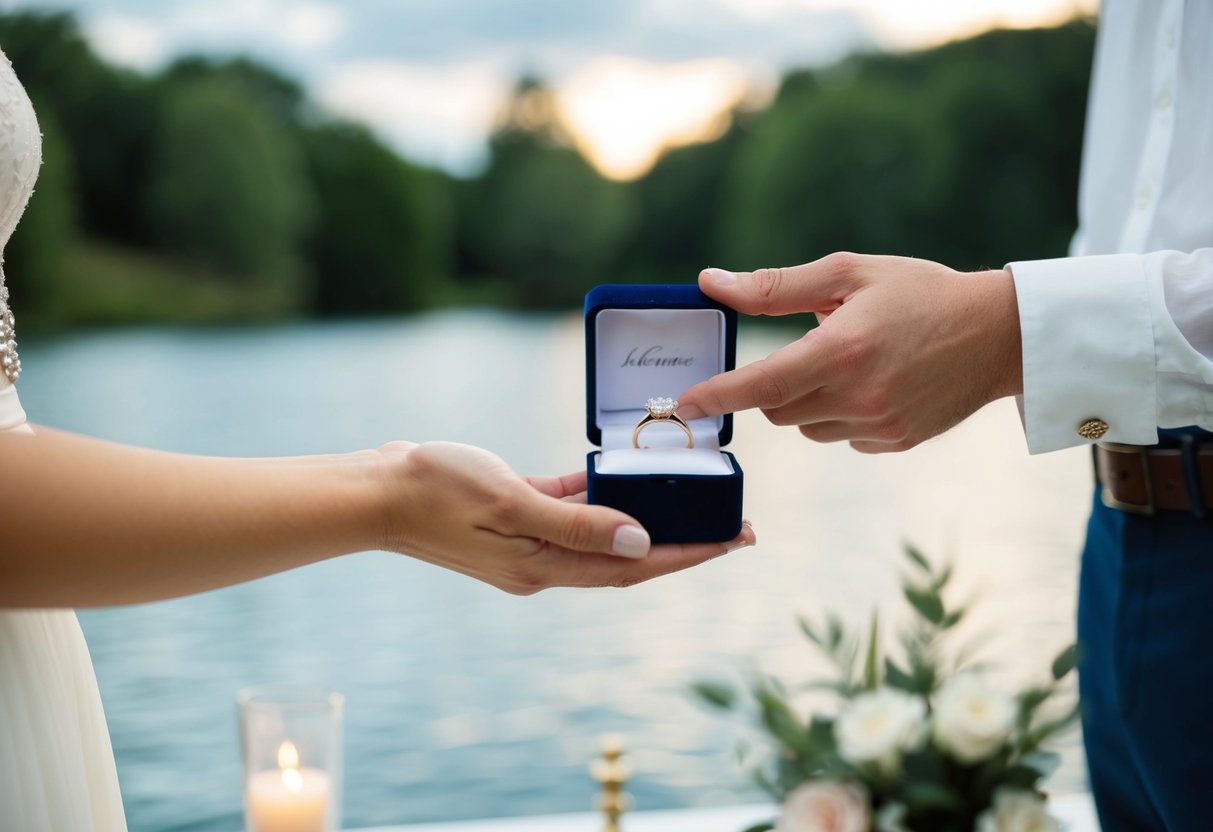
Your wedding vows are a chance to express your unique love story. Personalizing this moment can make it even more special. Whether you choose to write your own vows or follow a traditional script, there are ways to make the exchange memorable.
Writing Personal Vows
Writing personal vows gives you the freedom to share your thoughts and feelings. Start by reflecting on your relationship. Think about your favorite memories together and what you love about your partner.
Use wedding vow templates if you need guidance. They can provide a structure that helps you frame your thoughts. Include specific details, like inside jokes or promises that resonate with your unique bond.
Make your vows heartfelt but concise. Aim for about one to two minutes when spoken aloud. This keeps your audience engaged and highlights the most important elements. Don’t forget to practice! Rehearsing helps reduce nerves on your big day.
Elopements and Intimate Celebrations
Elopements and intimate wedding celebrations focus on what matters most—your love. In these settings, you can personalize your vow exchange without the pressure of a large crowd.
This intimacy allows for a genuine connection.
Consider switching the order of who speaks first. This small change can add excitement to your celebration.
You may find that a more casual setting encourages heartfelt private wedding vows.
In micro-weddings, you can incorporate unique touches like a unity ceremony. This adds a special element to your vows while making them feel more personal.
Regardless of your choice, remember that the most important thing is expressing your love authentically.