
Who Gets the Engagement Ring After Break Up? Understanding the Rules and Emotions
When a relationship ends, many questions can arise, and one of the most common is about the engagement ring. In most cases, the person who proposed has the right to reclaim the ring. This is because the ring is seen as a conditional gift that goes back to the person who bought it. This is especially true if you and your partner do not end up getting married.
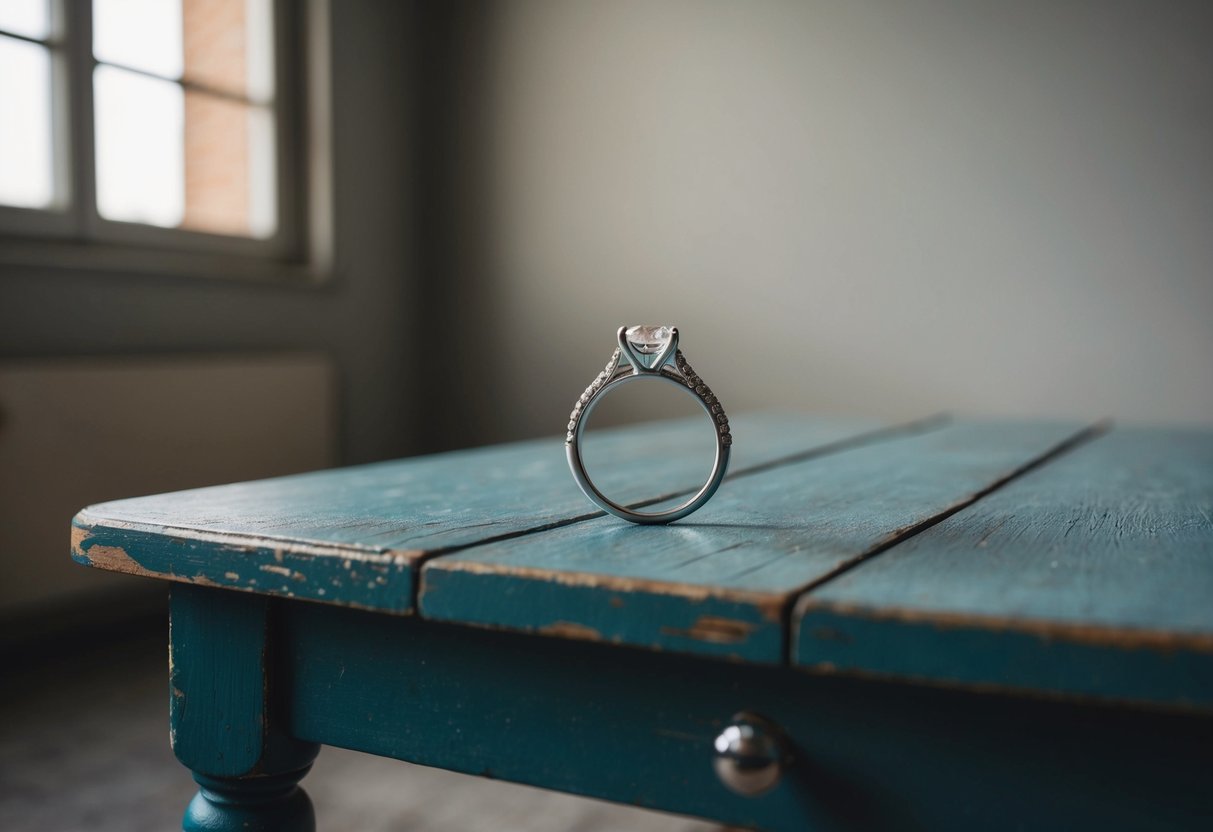
Understanding the laws around engagement rings can be tricky since they vary by state. In some places, who ended the engagement can change the conditions. This could make a difference in whether you keep the ring or return it. The emotional attachment to the ring can make this situation even more complex, but knowing the legal standing can help you navigate the breakup more smoothly.
As you explore the topic, consider the implications of this decision. You might find that emotional factors weigh in just as heavily as legal ones when deciding what to do with the engagement ring after a broken engagement.
Legal Perspectives on Engagement Ring Ownership
When it comes to who keeps the engagement ring after a breakup, the legal landscape can be complex. Understanding how courts view gifts, along with the specific laws in your area, can help clarify ownership.
Understanding Conditional vs Unconditional Gifts
An engagement ring is often seen as a conditional gift. This means the gift is given with the expectation of marriage. If the marriage does not happen, the giver may have the right to reclaim it. In contrast, an unconditional gift is one that is given without any conditions. Many courts treat engagement rings as conditional due to their symbolic purpose.
Knowing this distinction is crucial. If the engagement ends, the person who gave the ring may ask for it back. You should consult a family law attorney to get tailored legal advice for your specific situation.
Engagement Ring Laws by Jurisdiction
Laws about engagement rings can vary widely based on where you live. In some states, the ring is considered a conditional gift, so you may need to return it if the engagement is broken.
For example, states like New York often rely on the idea that the ring should be returned, regardless of fault. In other jurisdictions, it can depend on circumstances. In some cases, if one party is at fault for the breakup, they might be required to give back the ring. This area of law can be tricky, so always consider seeking legal guidance for your unique situation.
Common Legal Actions in Engagement Ring Disputes
If a dispute arises, you might face a few common legal actions. These can include lawsuits for reclaiming the ring or filing for small claims court if the ring’s value is less than a certain amount.
In most cases, mediation may be suggested before going to court. This process allows both parties to negotiate ownership without the bitterness of a lawsuit. It’s often more effective and less expensive. Getting legal advice can help you understand your position and decide on the best course of action.
The Role of Prenuptial Agreements and Heirlooms
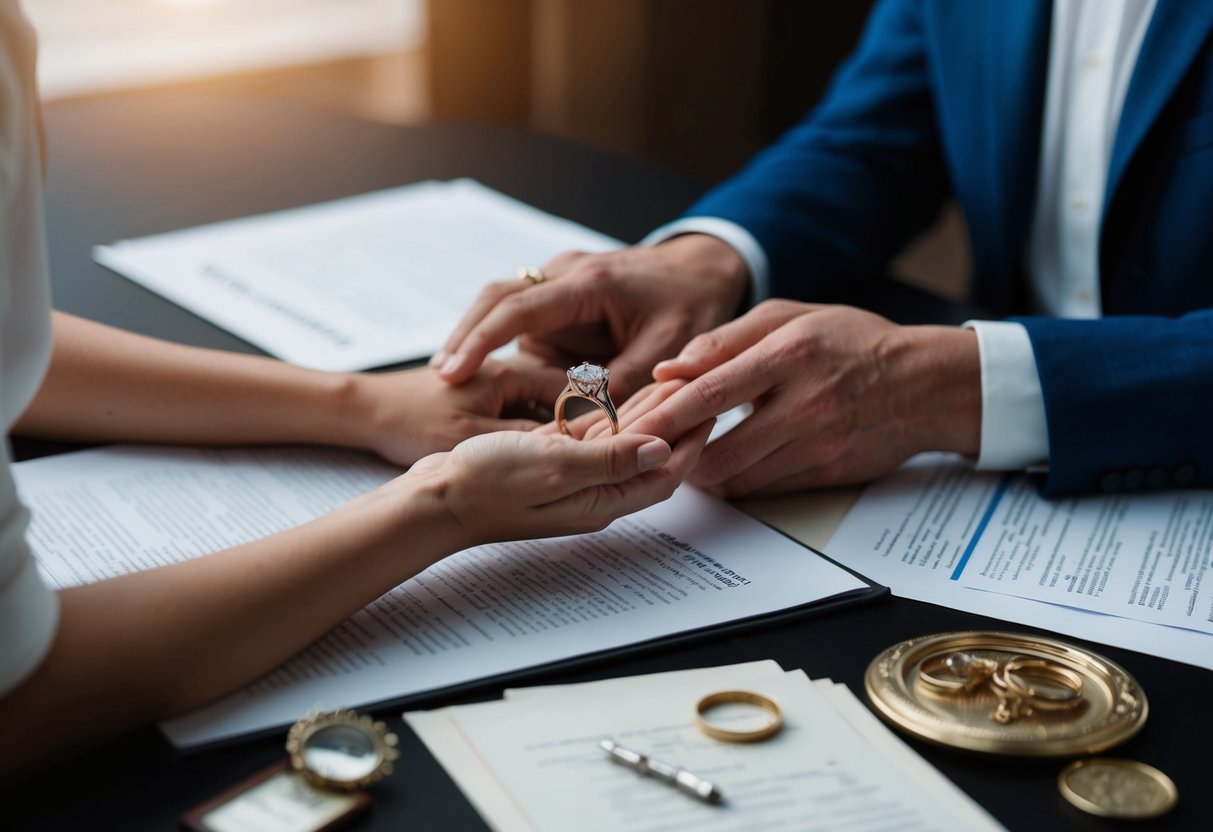
When it comes to engagement rings and family heirlooms, prenuptial agreements play a vital role. These agreements can help clarify ownership and responsibilities regarding valuable items like engagement rings. Understanding how they affect your situation can save you from confusion later on.
The Influence of Prenuptial Agreements
Prenuptial agreements, or prenups, are legal contracts made before marriage. They outline how property and assets will be divided in case of a breakup or divorce. With a clear prenup, you can specify who keeps the engagement ring and any other valuables.
If the ring is considered a gift, you may keep it. However, if it’s part of family assets, the prenup can clarify its status. Having these details in writing reduces disputes in the future. Many couples, especially those with significant assets, find prenups helpful for protecting their interests.
Family Heirlooms and Engagement Rings
Family heirlooms, like engagement rings passed down through generations, require special attention. If you’re giving or receiving an heirloom ring, it’s wise to include this in your prenuptial agreement. This way, you can dictate who gets the ring if things don’t work out.
Heirlooms often hold sentimental value, making it important to protect them legally. Without clarity, disagreements may arise on who rightfully owns the ring after a breakup. Explicitly stating that an heirloom ring belongs to one party can prevent confusion. Thus, it becomes easier to navigate emotional and financial aspects if a relationship ends.
Navigating Breakup and Engagement Ring Return
When a breakup occurs, deciding what happens to the engagement ring can be a sensitive issue. Understanding how different factors like the laws in your state and personal agreements impact the decision can ease the process.
Deciding Who Gets the Ring After a Breakup
After a breakup, determining who gets the engagement ring often depends on local laws. Some states see the ring as an implied conditional gift. This means the ring is given with the expectation of marriage. If the marriage does not happen, you may need to return the ring.
In contrast, other states might consider the ring an unconditional gift, especially if it was given during a special occasion. This could allow you to keep it, regardless of the breakup. The circumstances surrounding the split can also matter. For instance, if one partner was fraudulent or unfaithful, this might influence a court’s decision. Always check your state’s regulations to understand your rights.
No-Fault Approach and Mutual Agreement
A no-fault approach emphasizes that the reasons behind the breakup shouldn’t affect who keeps the ring. If both partners feel comfortable discussing the issue, you might reach a mutual agreement.
This can save time and avoid tension.
Having open communication is key. Discuss the emotional significance of the ring and how you both feel.
If one partner is willing to return the ring, try to ensure the process is fair. This agreement can protect your relationship and reduce future conflicts, especially if professional mediation is needed.
Clear and fair terms help both partners feel respected during a tough time.