
Who Gets More Wedding Guests? Exploring the Dynamics of Guest Lists
When it comes to weddings, guest lists can be a topic of great interest and sometimes stress. The number of guests you can expect often depends on various factors such as location, budget, and your personal relationships. Understanding these elements can help you plan a celebration that truly reflects the joy of your love story.
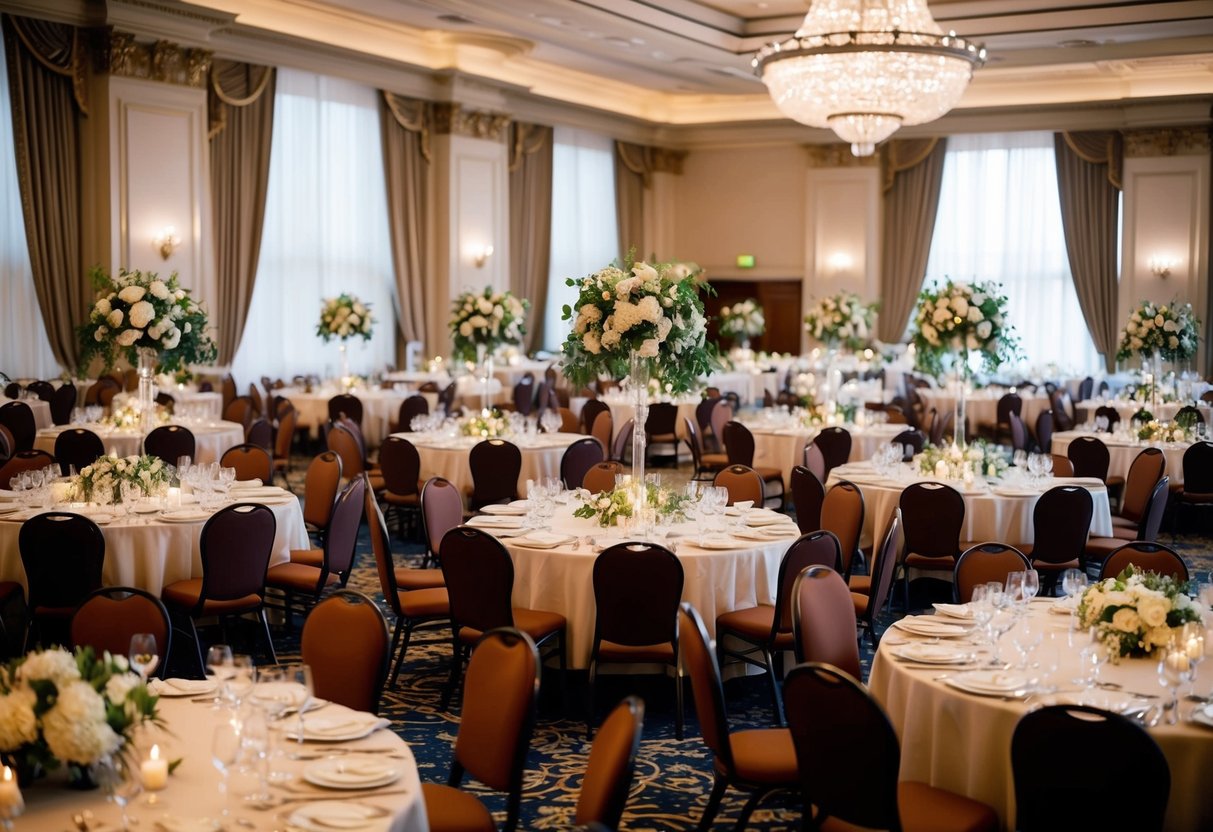
If you’re wondering who gets more wedding guests, larger weddings tend to attract more attendees, sometimes reaching up to 300 guests. However, smaller, intimate gatherings have their own charm and often allow for deeper connections with each guest. As you think about your special day, consider what size of wedding will bring you the most joy and fulfill your vision.
Planning your guest list is an essential part of the wedding process. Balancing between inviting everyone you know and keeping it intimate can lead to the perfect celebration for you and your partner. Remember, the more thoughtful you are about your guest list, the more meaningful the experience will be for everyone involved.
Determining the Guest Count

Deciding on your wedding guest count is essential for a well-organized celebration. Key factors include your budget and venue capacity, as well as the influence of family and friends on your guest list.
Influence of Budget and Venue
Your wedding budget plays a crucial role in determining how many guests you can invite. The more people you include, the higher your costs for catering, rentals, and other services will be.
Think about your overall budget and allocate specific amounts to various areas, like food and venue. Then, use this information to shape your guest list.
Venue capacity is another important factor. If the place you choose can only hold 100 guests, then you can’t invite 200 people. Make sure to check the venue’s maximum capacity before finalizing your list. This helps you stay within budget while ensuring your chosen location can accommodate everyone comfortably.
Family and Friends Factor
Your family and friends will heavily influence your guest count. Start with a rough list of close family members and best friends.
After that, consider adding extended family members and friends who would want to celebrate with you. It’s often helpful to rank your guests based on importance.
Remember, it can be hard to exclude people as it might upset family dynamics. Communicate with close relatives to get their opinions on your guest list. This support can provide balance and clarity as you navigate your choices.
Guest List Etiquette

When planning your wedding guest list, understanding proper etiquette is key. This section will help you navigate invitation distribution, plus-one considerations, and how to address children and singles on your list.
Invitation Distribution
Start by deciding how to divide the guest list. A common approach is to let the couple choose a significant portion, while each side of the family invites a smaller share.
Example Distribution:
- Couple: 50%
- Bride’s family: 25%
- Groom’s family: 25%
Make sure everyone knows they should send out invitations early. This way, you’ll receive RSVP responses in time for seating arrangements.
Consider personalized invitations. Including thoughtful touches, like hand-written notes, can make your guests feel special. It’s all about creating a welcoming atmosphere.
Plus-One Considerations
When inviting guests, think about plus-ones. It’s polite to allow partners to join, especially for those not part of a large group.
You might choose to include plus-ones for:
- Close friends: They often feel more comfortable with a partner.
- Single guests: Having someone they know can ease any nerves.
Be clear in your invitations. If guests can bring a plus-one, specify on the invitation. You could use wording like, “We have reserved a seat for you and a guest.”
Remember, constantly check your guest list; it will help maintain an organized count.
Addressing Children and Singles
Deciding whether to invite children can be tricky. If you’re planning an adults-only gathering, make that clear in your invitations.
For families with children, you might include specific wording, like “We would love to celebrate with just the adults.” This helps set expectations.
Now, regarding single guests, it’s important to acknowledge their feelings. If they’re part of a couple, it’s polite to invite both. If not, consider offering a thoughtful gift or activity to make them feel included.
Setting a welcoming tone can go a long way in helping all your guests enjoy the big day.
Roles of Family Members

Family members play vital roles in weddings, affecting guest lists and the overall celebration. Understanding these roles can help you navigate family dynamics and make your wedding planning smoother.
Immediate vs. Extended Family
Immediate family includes your parents, siblings, and sometimes grandparents. These are often the first guests you consider inviting. Their presence is usually non-negotiable, as they often have emotional connections to the celebration.
Extended family includes aunts, uncles, and cousins. While you may want to include them, the decision can depend on your relationship with them. It’s common to invite close cousins and relatives, but second cousins might not make the cut unless you’re particularly close.
Balancing the number of immediate and extended family members will influence your guest list size and overall wedding atmosphere. Be sure to communicate clearly with family about who will be invited.
Bridal Party and Relatives
Your bridal party typically consists of your closest friends and immediate family members, such as bridesmaids and groomsmen. These people are the ones you rely on for support during the planning process and on your big day.
Relatives, like siblings, often serve dual roles. For example, a sister might be a bridesmaid and a close friend. It’s useful to recognize these overlapping roles when planning.
Decide how involved each family member will be. This clarity helps avoid misunderstandings and ensures everyone knows their responsibilities. Together, they can create a heartfelt atmosphere, making your big day even more special.