
Who Gets the Garter for the Bride? Understanding the Tradition and Selection Process
When planning a wedding, many details come into play, including the sometimes-overlooked tradition of the garter. Typically, the bride buys the garter herself, allowing her to choose a design that reflects her personal style. This special piece can serve as a keepsake from the big day and adds a personal touch to the celebration.
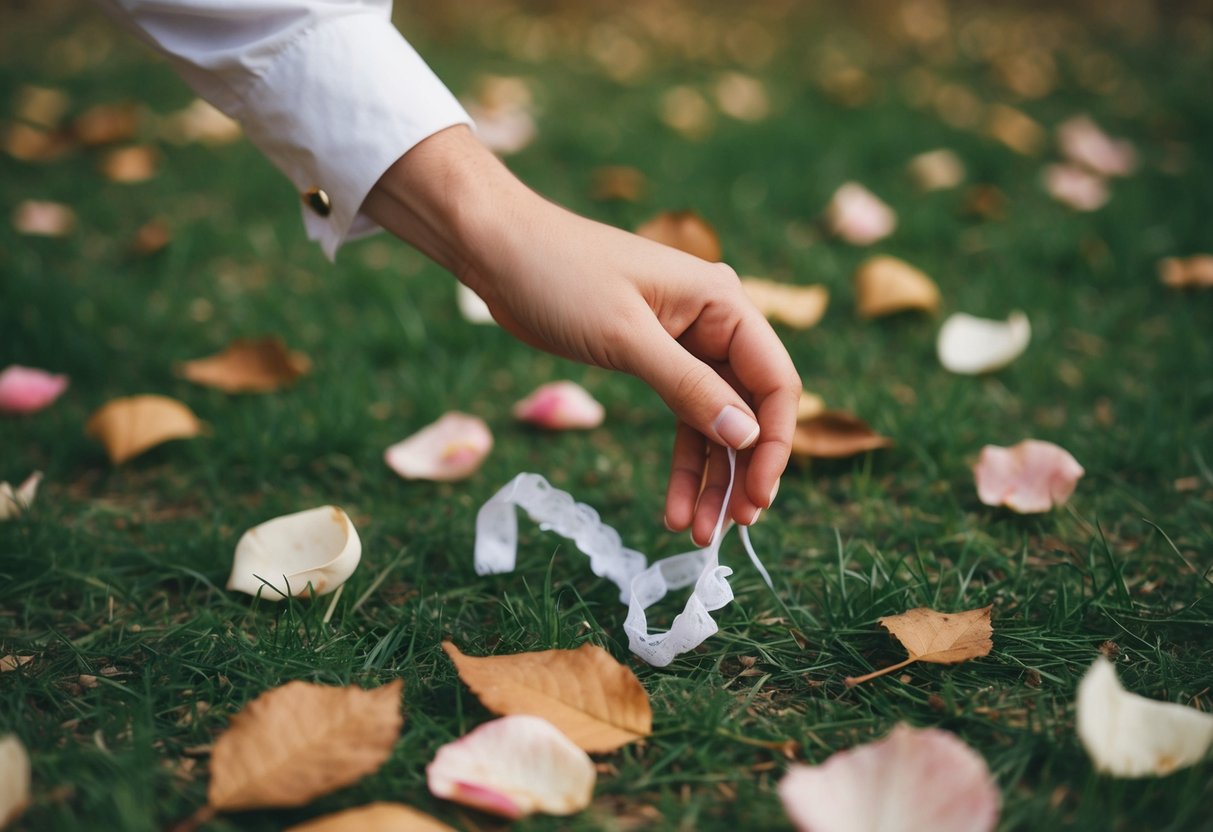
You might wonder about the significance of the garter toss during the reception. Many guests are curious about who gets involved in this playful tradition and what it represents. Knowing who purchases or provides the garter can help make the occasion even more meaningful and memorable.
As you explore this tradition, you’ll discover how it connects to history and the roles of people involved in weddings. From the selection process to the actual toss, it’s a charming ritual that adds fun to the festivities.
The History and Significance of the Wedding Garter
The wedding garter has roots in ancient traditions and carries both cultural significance and symbolism. Understanding these aspects can deepen your appreciation for this charming wedding custom.
Origins of the Garter Tradition
The tradition of wearing a garter dates back to the Middle Ages. During this period, the garter was not simply an accessory; it was associated with fertility and good luck. Guests often believed that owning a piece of the bride’s clothing would bring them fortune. The act of removing the garter became an exciting moment during the reception, symbolizing the bride’s transition from maidenhood to marriage. This playful tradition has evolved, but its roots reflect a time when weddings were seen as communal celebrations filled with hope and joy.
Symbolism Behind the Garter
The wedding garter is rich in symbolism. Traditionally, it represents femininity and the bride’s new role as a married woman. In the past, it was also linked to the idea of deflowering, marking the end of maidenhood. Today, it serves as a fun and light-hearted reminder of the union between you and your partner. The garter toss is often seen as a moment of good luck for the single men in attendance. Catching the garter is believed to bring good fortune, carrying on the lore that surrounds this cherished tradition.
Choosing the Perfect Garter for the Bride
Selecting the right garter is an important part of your bridal experience. You want it to match your wedding dress and reflect your personal style. Here are some key aspects to consider when choosing your garter.
Styles and Materials
Bridal garters come in many styles and materials. Lace is a popular choice, offering a delicate look. Satin garters can give a sleek and elegant appeal, while variations with ribbons add a fun twist.
Consider the fit of your wedding dress. If you have a form-fitting gown, a simple silk or lace garter is ideal as it will remain discreet. If you choose a more elaborate design, ensure it complements rather than competes with your dress.
Don’t forget about color! Many brides opt for white or ivory to match their dress, but some like to include a “something blue” for luck. Look for designs that incorporate blue elements, such as a blue ribbon or stitching.
Incorporating Personal Touches
Your garter can be a reflection of your personal choice. Adding personal touches makes it unique and special. Think about including your initials or wedding date as part of the design.
Consider using fabric from your family’s wedding dress or another meaningful piece for a custom touch. This can create a lovely bridal trousseau item that connects your past with your present. Another idea is to involve your partner by choosing a design that reflects their interests or hobbies. This can make it a fun conversation piece during the garter toss.
Custom-Made vs. Store-Bought
You might wonder who buys the garter. Traditionally, the bride chooses, but you could also involve a close friend or family member. When it comes to purchasing, you have the option of custom-made garters or store-bought ones.
Custom-made garters allow for complete personalization in design, color, and materials. They often require more time but can yield a unique piece that fits perfectly with your theme. Store-bought options can be convenient, and many offer a variety of stylish selections that are ready to wear. They’re great if you’re short on time. Just ensure it fits well and matches your wedding dress for a cohesive look.
The Garter Toss Ceremony
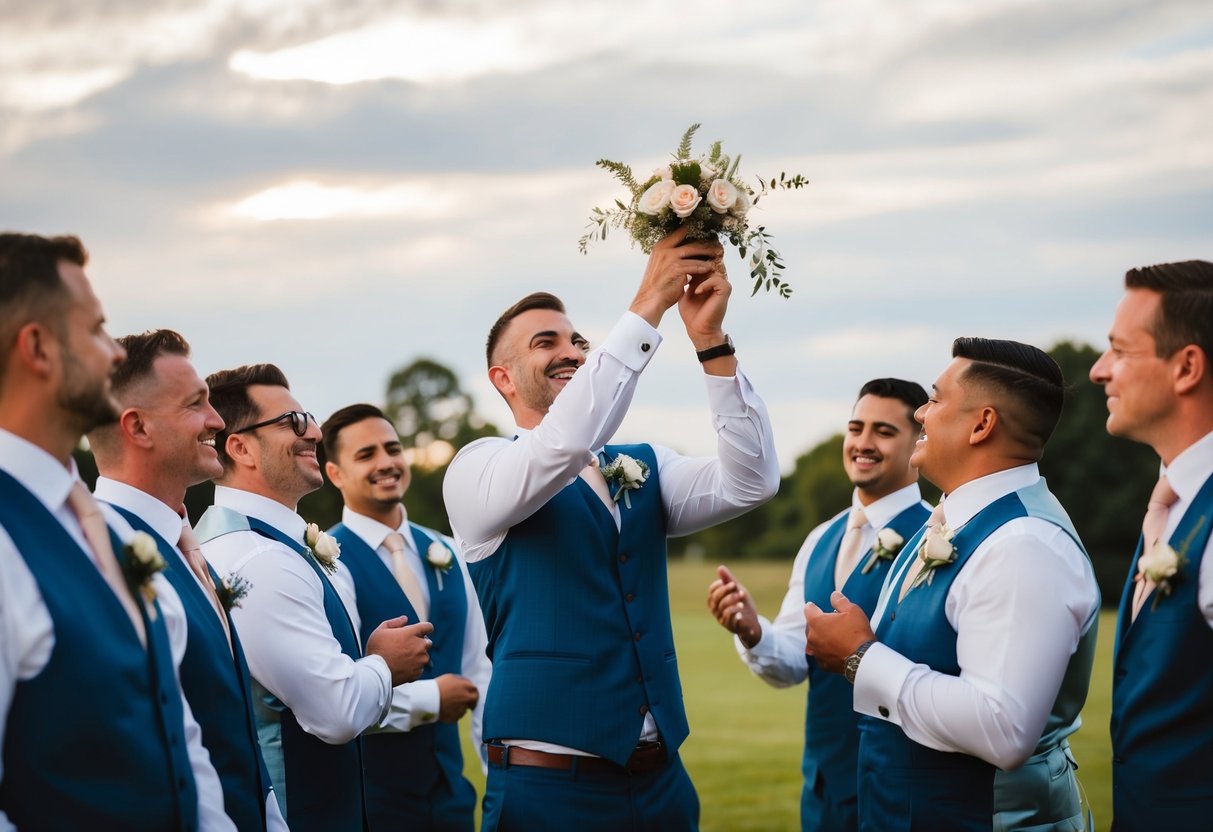
The garter toss is a fun part of many weddings, representing a playful tradition. This ceremony adds a unique touch to your reception and involves various participants, mainly the groom. Also, you may consider creative alternatives to keep the spirit alive.
Modern Interpretation of the Garter Toss
In modern weddings, the garter toss has evolved from its historical roots. Originally, it symbolized good luck and the bride’s transition to marriage. Today, it’s more about entertainment and celebration.
During the reception, while guests gather, the bride sits, and the groom removes her garter, often with humor. This moment is light-hearted and can be a fun photo opportunity. Afterward, the groom tosses the garter to a group of single men, similar to the bride tossing her bouquet.
This interaction not only entertains your guests but also creates memorable moments that highlight the joy of the day.
Role of the Groom in the Garter Toss
The groom plays a crucial role in the garter toss ceremony. As part of this tradition, he is responsible for removing the garter from the bride’s leg. This act symbolizes their union and adds a playful edge to the celebration.
When the time comes, you can choose whether the process is humorous or romantic. Some grooms opt for a dramatic flair, while others keep it light and fun. Once the garter is off, the groom tosses it to the guests. The man who catches it is often believed to be next in line for marriage, making it a lighthearted tradition.
Garter Toss Alternatives
If the traditional garter toss doesn’t fit your style, there are several alternatives to consider. Many couples now look for creative ways to celebrate.
Instead of tossing a garter, consider a fun game that involves the guests. A trivia game about the couple can encourage participation without the need for a garter.
Another option is to have a couple’s dance or a special moment that engages everyone. You can keep the playful spirit alive while customizing the experience to match your wedding theme. This allows for personal touches that make your celebration uniquely yours.
After the Garter Toss: Keepsakes and Traditions
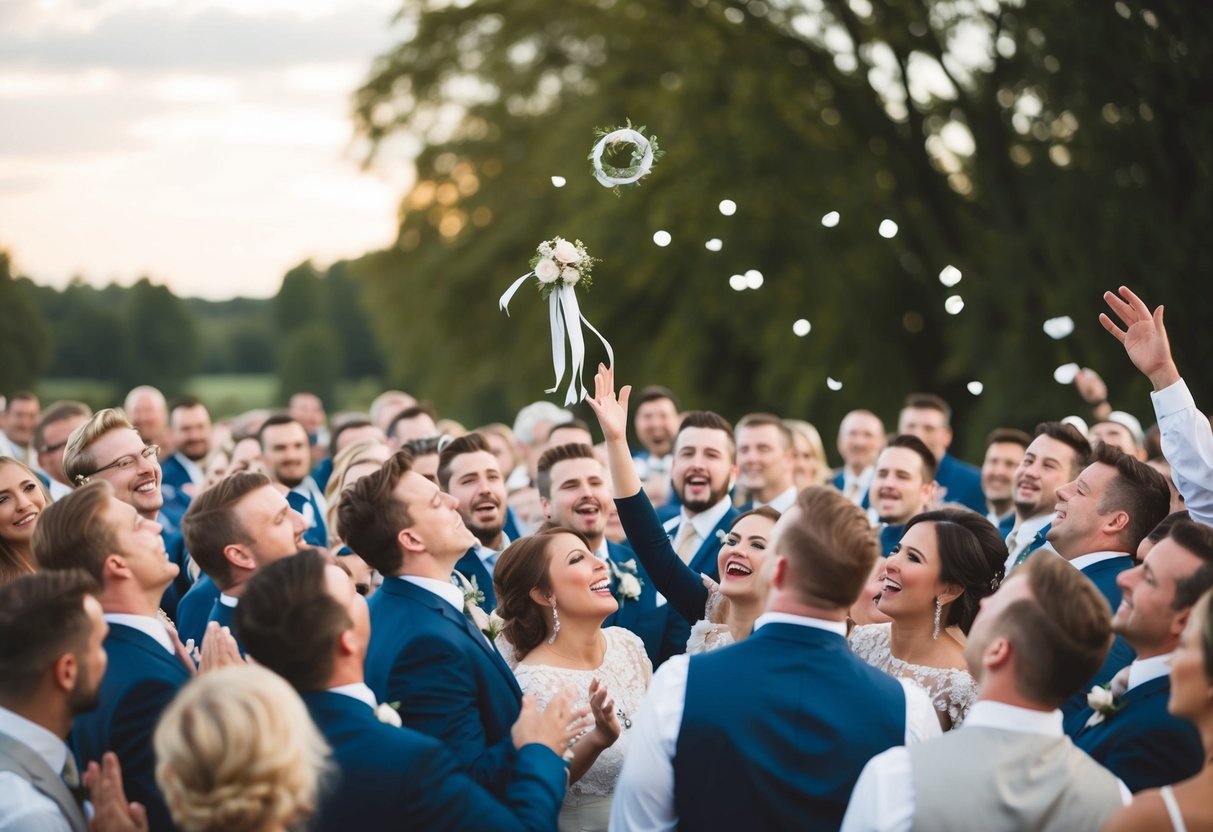
After the garter toss, the tradition continues with meaningful keepsakes and gestures that celebrate love and support. This part of the wedding day offers a chance to create lasting memories and strengthen connections with loved ones.
The Garter as a Keepsake
The garter often becomes a cherished keepsake for you after the wedding. Many brides choose to preserve the garter as a symbol of their special day. You can display it in a shadow box, along with your bouquet or wedding photos.
If you wear a unique garter that matches your wedding theme, it can carry extra significance. Some brides even opt for custom designs that reflect their personality. It’s more than just a bridal accessory; it’s a reminder of love and commitment.
Additionally, some couples choose to use the garter in alternative ways during their future anniversaries. This can add a fun twist to your celebrations, making the garter a sentimental symbol of your bond.
Sharing Love and Support
The act of tossing the garter goes beyond fun and games. It can also represent a connection among family and friends. When the groom tosses the garter to the bachelors, it’s a lighthearted moment that brings everyone together.
You might find that the garter toss leads to heartfelt moments. After all, those who catch it may feel a sense of good luck in finding love themselves. This symbolizes not just joy but also your support of their romantic journeys.
In some cultures, the garter has deep roots in wedding customs. You can share stories or traditions that resonate with you and your partner. This adds a personal touch to the event and reinforces the importance of love and community.