
Who Gets the RSVP for a Wedding? Understanding the Etiquette and Process
When you’re planning a wedding, one big question comes up: who handles the RSVPs? Typically, the couple getting married or someone they trust to manage the guest list takes care of this. This person will keep track of responses, coordinate with vendors, and ensure everything runs smoothly on the big day. Knowing who is responsible can save you time and stress during the planning process.
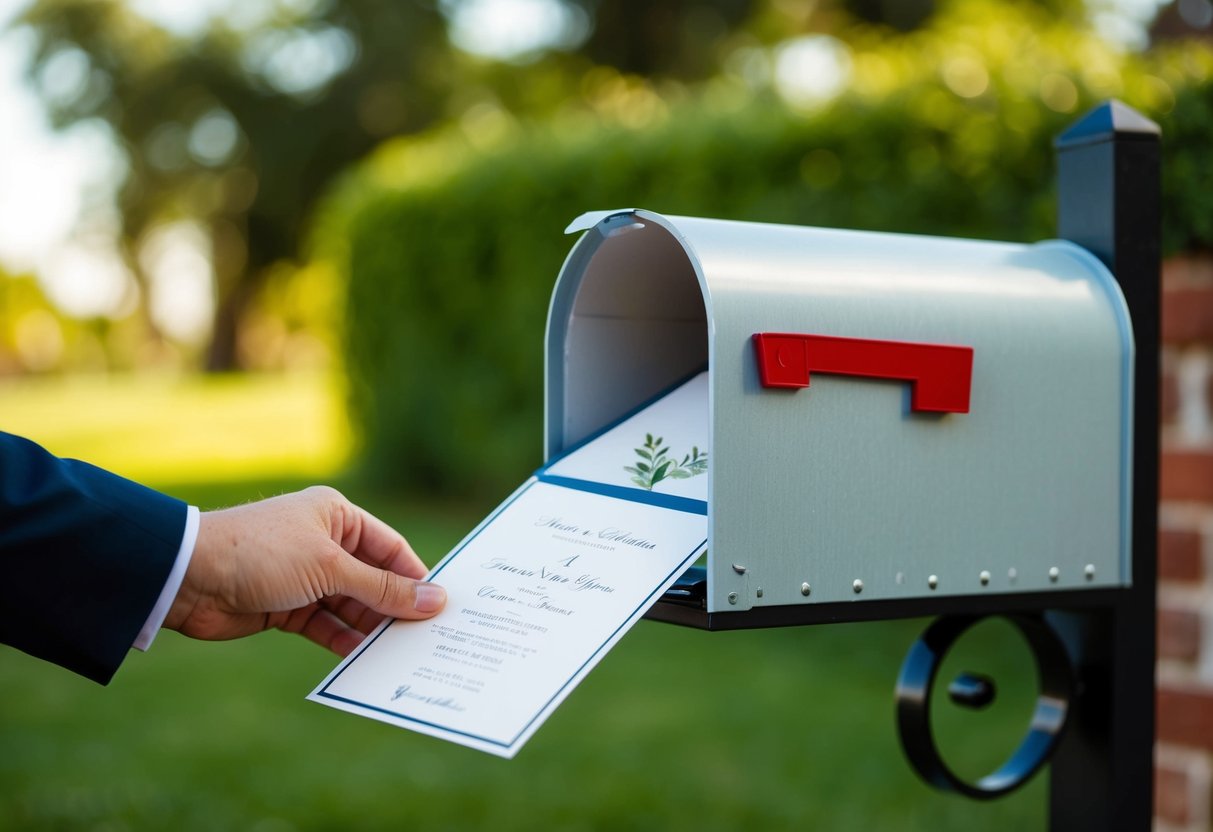
It’s important to communicate clearly on your invitations how you’d like guests to respond. You might provide an email, a phone number, or even a wedding website link for RSVP submissions. This helps ensure you get timely responses and can finalize your plans without a hitch. Being organized about RSVPs also shows your guests that you value their participation in your celebration.
As you navigate your wedding planning journey, remember that clear communication about RSVPs can set the tone for your entire event. So, take some time to decide who will manage this important task, and make it easy for your guests to let you know if they will celebrate with you.
Understanding RSVPs in Wedding Planning

RSVPs play a vital role in organizing your wedding. They help you manage your guest list, plan seating, and ensure you have enough food and drinks. Knowing the purpose, timeline, and process of RSVPs can ease the planning stress.
The Purpose of RSVPs
The main purpose of RSVPs is to collect responses from your guests regarding their attendance. This helps you create an accurate guest list.
When sending out wedding invitations, include clear RSVP wording. Phrases like “Please RSVP by [date]” help set expectations.
You might also want to include a “regrets only” option. This lets guests respond only if they cannot attend, simplifying numbers. Accurate RSVPs allow you to manage your budget and ensure a smoother event.
Timeline of RSVPs
Timing matters when it comes to RSVPs. Send your wedding invitations 6-8 weeks before the big day. This gives your guests ample time to respond.
Include an RSVP deadline, usually 2-3 weeks before your wedding date. This ensures you have enough time for final arrangements.
Knowing your RSVP date also lets you follow up with guests who haven’t responded. Keeping track of who has replied helps in finalizing your guest list.
The RSVP Process
The RSVP process starts with sending your invitations. Make sure to include a method for guests to respond. Options include a response card, email, or even a wedding website.
When guests receive their invites, they should note the RSVP by date. It’s polite for them to reply promptly.
As you track responses, keep a list of who is attending. This makes seating arrangements easier later. Remember to follow up gently with those who haven’t replied. Effective communication ensures you’re prepared and ready for your big day.
Designing and Sending RSVP Cards

Creating appealing and clear RSVP cards is essential for managing your guest list. Effective RSVP cards will include the right style and necessary details to ensure smooth communication between you and your guests.
Choosing RSVP Card Styles
When selecting RSVP card styles, think about the theme and colors of your wedding invitations. Your RSVP cards should match your overall design to create a cohesive look.
You could choose from various styles, such as formal or whimsical, based on your personal taste. Consider using a design that allows for easy reading of key information. RSVP cards can be standalone pieces or included with your main invitations.
A popular choice is to incorporate colorful elements or unique shapes that reflect your wedding’s vibe. Don’t forget to choose a font that is both stylish and legible for all age groups.
Details to Include on RSVP Cards
Every RSVP card needs specific details to help your guests respond correctly. Start by including the date of your wedding, clearly marked, to remind everyone of the day.
You should also include a section for guests to indicate whether they will attend. A simple checkbox for “Accept” or “Decline” makes it easy for them.
Don’t forget to ask about meal choices and any dietary restrictions. This helps you cater for your guests appropriately.
Additionally, adding a line for the guest’s name and any other plus-ones can clarify things. Ensure the RSVP due date is also clearly stated, ideally a month before the wedding.
RSVP Etiquette for Invitations
RSVP etiquette plays an important role in ensuring that your wedding planning goes smoothly. When sending out invitations with RSVP cards, aim to do so 2 to 3 months before your wedding date.
Make it easy for your guests to respond promptly. If you have a wedding website, include a link for online RSVPs as an option.
If guests don’t respond by the deadline, it’s polite to follow up with them. This way, you can finalize your guest list and seating arrangements.
Remember to express gratitude to your guests for their responses, whether they accept or decline. A simple thank you can go a long way in keeping good relationships.
Collecting and Managing RSVPs

Collecting and managing RSVPs is a crucial part of planning your wedding. You need to track who is attending, ensure you have a final guest count, and manage seating arrangements effectively.
Tracking the Guest List
Start by creating a comprehensive guest list. This list should include everyone you want to invite and space for tracking their RSVPs. Use a simple spreadsheet or a wedding planning tool to keep everything organized.
Label columns for names, contact information, and RSVP status. This way, you can easily see who has responded. Remember to set a specific RSVP deadline, usually about three to four weeks before the wedding. This ensures that you can finalize your headcount and make any necessary adjustments.
Digital vs. Paper RSVPs
Consider whether you want to use digital or paper RSVPs. Digital RSVPs, like those collected via a wedding website, can simplify tracking. Guests can easily respond online, and you get instant updates. Some platforms even automatically track RSVPs for you.
On the other hand, traditional paper RSVPs have their charm. They create a personal touch and can be included in your invitation suite. Just be sure to include a pre-addressed envelope to make it easy for your guests. Regardless of the method, confirm that the RSVP process is clear and straightforward for everyone.
Handling Late or Missing RSVPs
Dealing with late or missing RSVPs is common. You can follow up with guests who haven’t responded. A friendly reminder call or text can go a long way.
For guests who still haven’t replied by your deadline, you might need to estimate or make decisions based on your seating chart plan. Use a RSVP date calculator if necessary to recap and fill any gaps. Handling this gracefully will help you keep your planning stress-free.