
Who Gives a Bride Away? Exploring Tradition and Modern Choices
The tradition of giving away the bride has been a part of wedding ceremonies for many generations. This moment often involves the father or another family member presenting the bride to the groom at the altar. Traditionally, the father is the one who gives away the bride, symbolizing the transfer of care from family to husband.
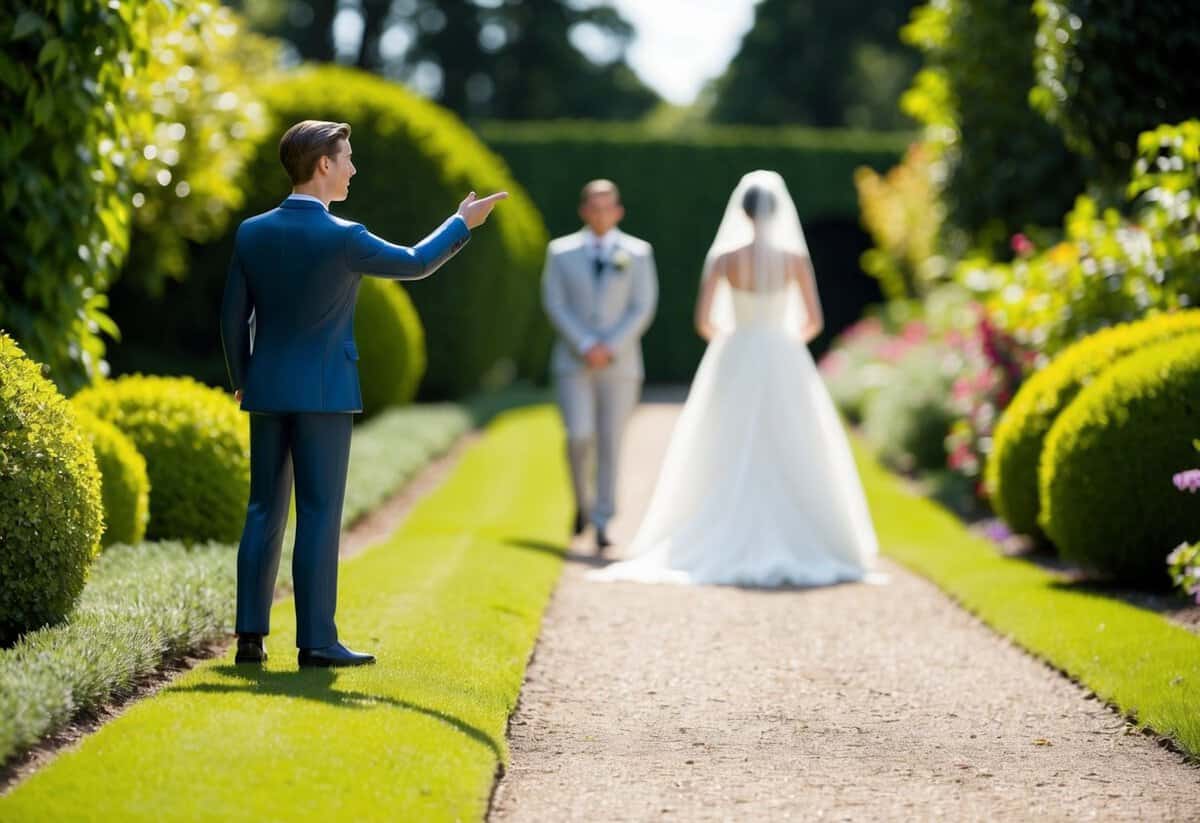
As weddings evolve, couples are exploring different ways to make this moment personal and meaningful. You may choose to involve other family members, like a mother, brother, or another significant person in your life. There are plenty of options available to make this tradition fit your values and beliefs.
Understanding the background behind “who gives a bride away” can help you make a choice that feels right for you and your unique wedding. Whether you stick with tradition or put your own spin on it, this moment can hold significant emotional meaning for you and your loved ones.
The Role of Tradition in Wedding Ceremonies
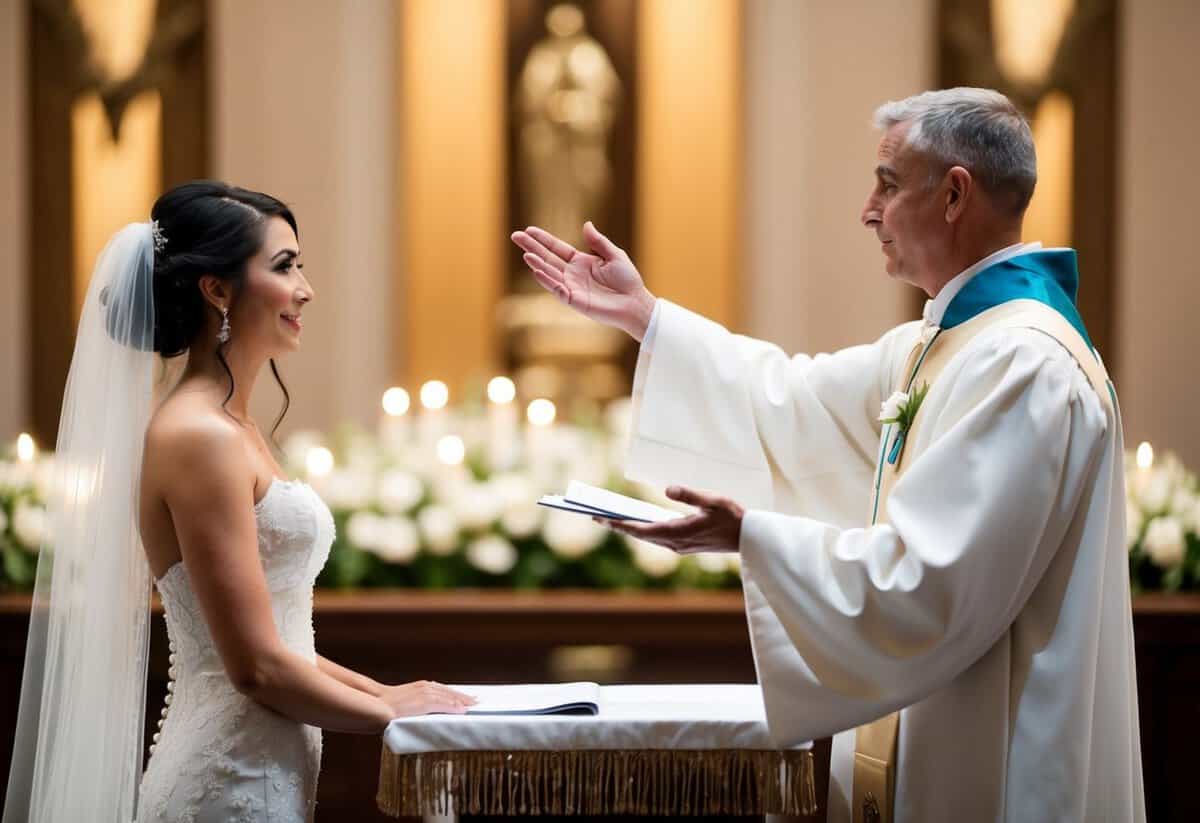
Wedding ceremonies are filled with meaningful traditions. The act of giving away the bride is one of the most iconic rituals. This tradition carries deep symbolism and connects you to your family’s history and values. Let’s explore its origins, the father’s significant role, and how modern couples interpret this practice.
Origins of Giving Away the Bride
The tradition of giving away the bride dates back centuries. It originates from a time when marriages were often arranged between families. The act symbolized the transfer of responsibility from the father to the husband. This reflects the belief that a daughter was under her father’s care until her marriage.
Different cultures have their own variations. In some societies, the bride is walked down the aisle by both parents to show equal partnership. The idea remains a powerful symbol of unity and family support in wedding ceremonies.
Role of the Father of the Bride
Traditionally, the father of the bride plays a key part in this moment. He walks you down the aisle, which serves as a public acknowledgment of your support and love. It is often seen as a father’s final act of giving his daughter to the new husband.
This moment can be emotional, as it highlights the bond between you and your father. Many brides cherish this time, knowing it signifies both an end and a new beginning. It’s a chance to reflect on your journey together before you step into your new life.
Modern Interpretations of the Tradition
In today’s weddings, couples adapt these traditions to fit their values. Many brides still choose to have their fathers walk them down the aisle, but others opt for different arrangements. Some involve both parents or close family members, celebrating the shared love and support.
Alternative ceremonies may even see the bride walking solo or with a friend instead. This emphasizes independence and personal choice, allowing the moment to be uniquely meaningful to you. The beauty of these traditions lies in their ability to evolve while still honoring their rich historical roots.
Contemporary Variations and Inclusive Alternatives
Many modern couples want to make their wedding ceremonies more personal and inclusive. There are various ways to honor the tradition of “giving away the bride” that reflect today’s values and relationships.
Both Parents Walking the Bride
One popular option is for both parents to walk the bride down the aisle. This choice represents unity and support from both sides of the family. It sends a strong message that both parents play an essential role in the bride’s life and future.
This approach also highlights the importance of teamwork in relationships. It can help to create a more balanced view of marriage. By having both parents participate, you acknowledge the love and guidance from both parties. This variation is especially meaningful for those wanting to emphasize family bonds.
Alternative Wording Options
Instead of using the traditional phrase “Who gives this bride away?”, couples can choose modern alternatives that fit their relationship. For example, you might say, “Who supports this couple as they begin their journey together?” This wording focuses on the shared joy of the moment rather than the idea of giving someone away.
Other alternatives include “Who presents this bride?” or, more simply, “Who stands with this couple today?” These options make the ceremony feel more inclusive and respectful of everyone’s role. Personalizing the question allows for more heartfelt expressions that match your values.
Collective Support and LGBTQ Couples
For LGBTQ couples, traditional language can feel excluding. Many choose to highlight their family and friends’ collective support. A phrase like “Who supports this couple in their marriage?” works well for all kinds of partnerships.
This wording recognizes that families come in many forms. It celebrates love and unity, no matter how the couple identifies. You can also involve friends or chosen family to reflect your unique relationships. Each person can stand as representatives of love and commitment, further uniting families and communities.
Personal Choices and Symbolic Gestures
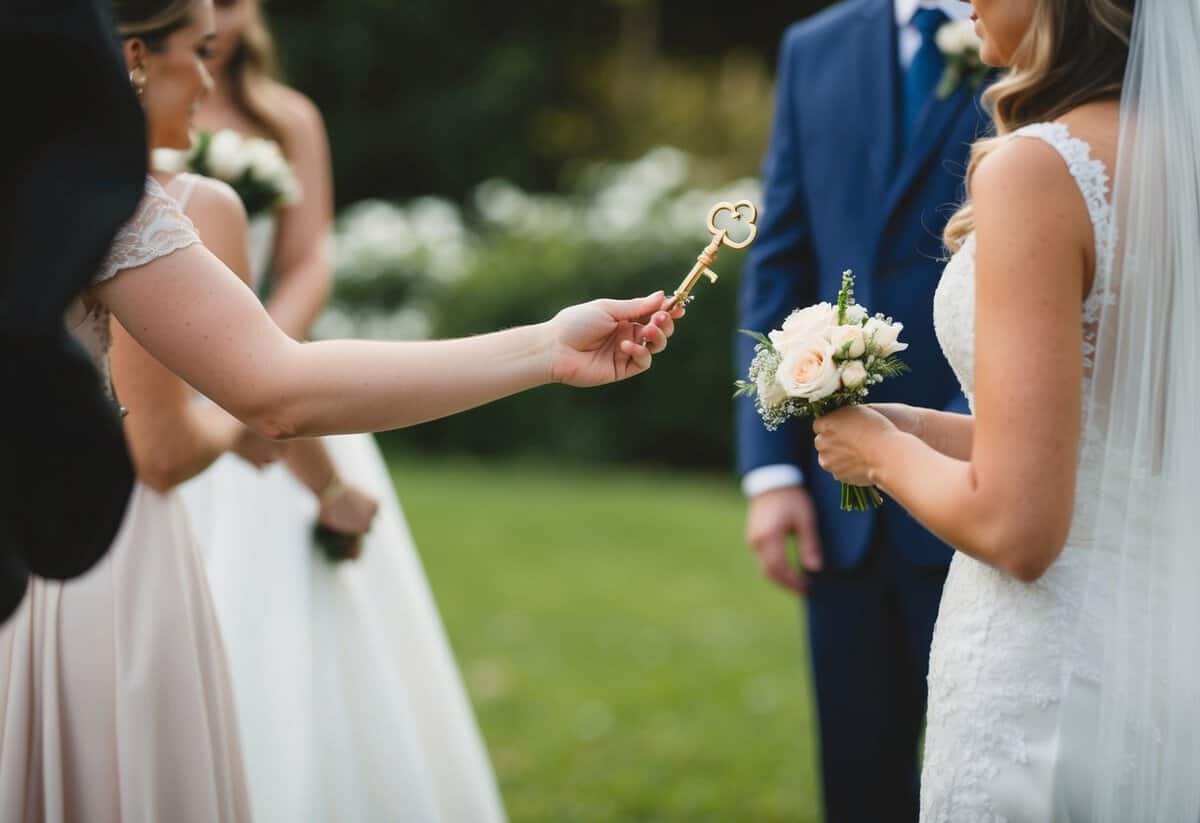
The act of giving away a bride involves deep personal meaning and reflects individual choices. It serves as a symbolic gesture of support during the transition into marriage. Understanding these aspects helps clarify the importance of this tradition.
Choosing the Right Escort
When deciding who will escort the bride, many consider family, mentors, or close friends. This choice is personal and reflects the bride’s unique relationships. It may be a parent, sibling, or even a close friend.
Choosing someone meaningful emphasizes the bond they share. It can show respect for family ties or celebrate friendships formed over the years. You might want to discuss your decision with those involved to ensure everyone feels comfortable.
Symbolism in the Transfer of Responsibility
The moment of giving away the bride often represents a transfer of responsibility. Traditionally, this gesture signifies that the father’s role is shifting to the husband.
This act symbolizes support, protection, and blessing. It can be a powerful shared moment that acknowledges the bride’s journey from childhood to adulthood. You can also personalize this ritual, making it reflect your beliefs and values.
Presenting the Couple for Marriage
Presenting the couple for marriage is a significant part of this tradition. It highlights the commitment both partners are making to one another.
This moment can be both emotional and joyful.
As the bride is escorted, it underscores the unity of two families coming together. You might choose to add words or a small ceremony that expresses your hopes for their future.
Making this moment your own adds to its significance, honoring your unique connection.