
Who Gives the Bride Away When Parents Are Divorced? A Guide to Navigating Family Dynamics on the Big Day
When it comes to your wedding day, the question of who gives the bride away can become complicated, especially if your parents are divorced. In modern ceremonies, anyone special in your life, including your mother, step-parents, or even a close friend, can fill this role. This flexibility allows you to choose someone who truly represents love and support during this important union.
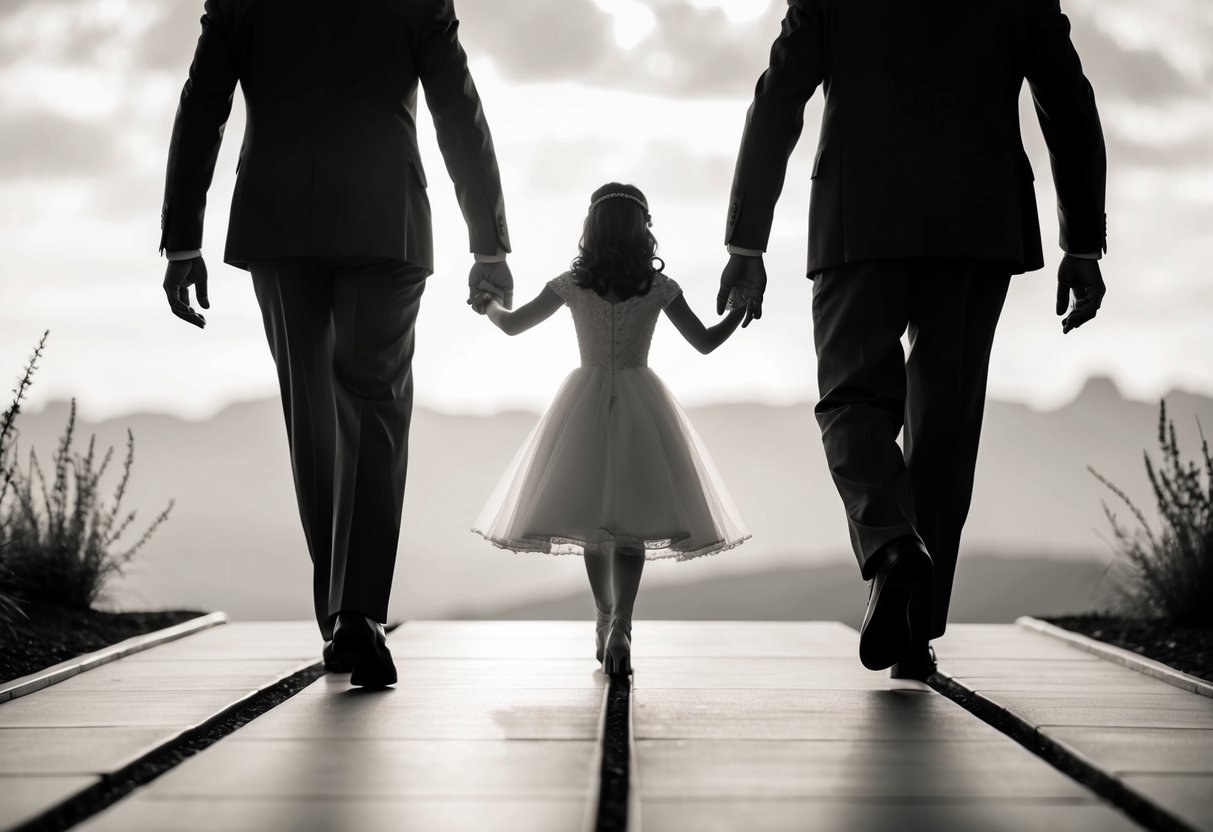
Your wedding ceremony is a celebration of joy and love, and it should reflect your unique family dynamics. If both parents are involved, you might consider walking down the aisle with them together, or you might opt for just one parent or figure who means the most to you. This decision is a personal one, and it can honor your feelings towards both sides of your family while making the day memorable.
What matters most is that you feel comfortable and happy on your wedding day. The tradition of “giving away the bride” can adapt to fit your situation. Whether it’s a traditional approach or something more modern, it’s about creating a moment that feels right for you and your loved ones.
Understanding the Role of Giving Away the Bride
The act of giving away the bride holds deep meaning in wedding ceremonies. This tradition reflects love, respect, and support within families. It has evolved over time, allowing for various interpretations and options for couples today.
History and Significance
Traditionally, the father of the bride played the primary role in giving his daughter away during the ceremony. This act symbolized the transfer of responsibility and care from the parents to the groom. In many cultures, it represented ownership, which has caused some debate. Today, many view it as a gesture of love and support rather than a transfer of ownership. By understanding its roots, you can appreciate how this practice evolved into a more inclusive concept.
Modern Interpretations
Modern weddings have transformed the concept of giving away the bride. Many couples choose to involve both parents, or even other significant relatives or friends, in this meaningful moment. This reflects a broader understanding of family, partnership, and support systems.
Officiants and wedding planners can help you navigate these choices, ensuring the ceremony captures your values. By exploring alternatives, you can create a personalized experience that honors your unique family situation, especially if parents are divorced.
Family Dynamics and Decision Making
When planning your wedding, the dynamics of your family play a significant role in your decisions. Navigating feelings and relationships can help you choose who will escort you down the aisle and how to honor both of your parents.
Navigating Divorced Parents
Dealing with divorced parents can be tricky. You might feel pressure to choose one parent over the other, but it’s essential to consider your relationships. You can involve both parents in the ceremony in various ways. For instance, they could walk you down the aisle together or each take turns. This can symbolize unity despite their divorce. Open communication about your feelings can ease tension and ensure everyone feels included.
Involving Stepparents
If your parents have remarried, involving stepparents can add another layer to the ceremony. You might choose to have your stepfather escort you, which can strengthen your bond and acknowledge his support. If both your biological and stepparents are present, consider how to recognize each of them. You could include them in the ceremony through special mentions or roles, such as lighting a unity candle. Finding the right balance is key to honoring all your family members.
Honoring Both Parents
Respecting both parents during your wedding can be meaningful. Consider how to include their blessing in your ceremony. Some couples have their parents present a special reading or prayer. You may also wish to mention your siblings or close friends during the ceremony. Including your loved ones can help everyone feel valued. Depending on your family’s traditions, you might even have family members participate in your wedding vows.
Each decision you make can reflect the relationships you cherish, ensuring that your wedding day is a true celebration of your journey.
Ceremony Logistics and Etiquette
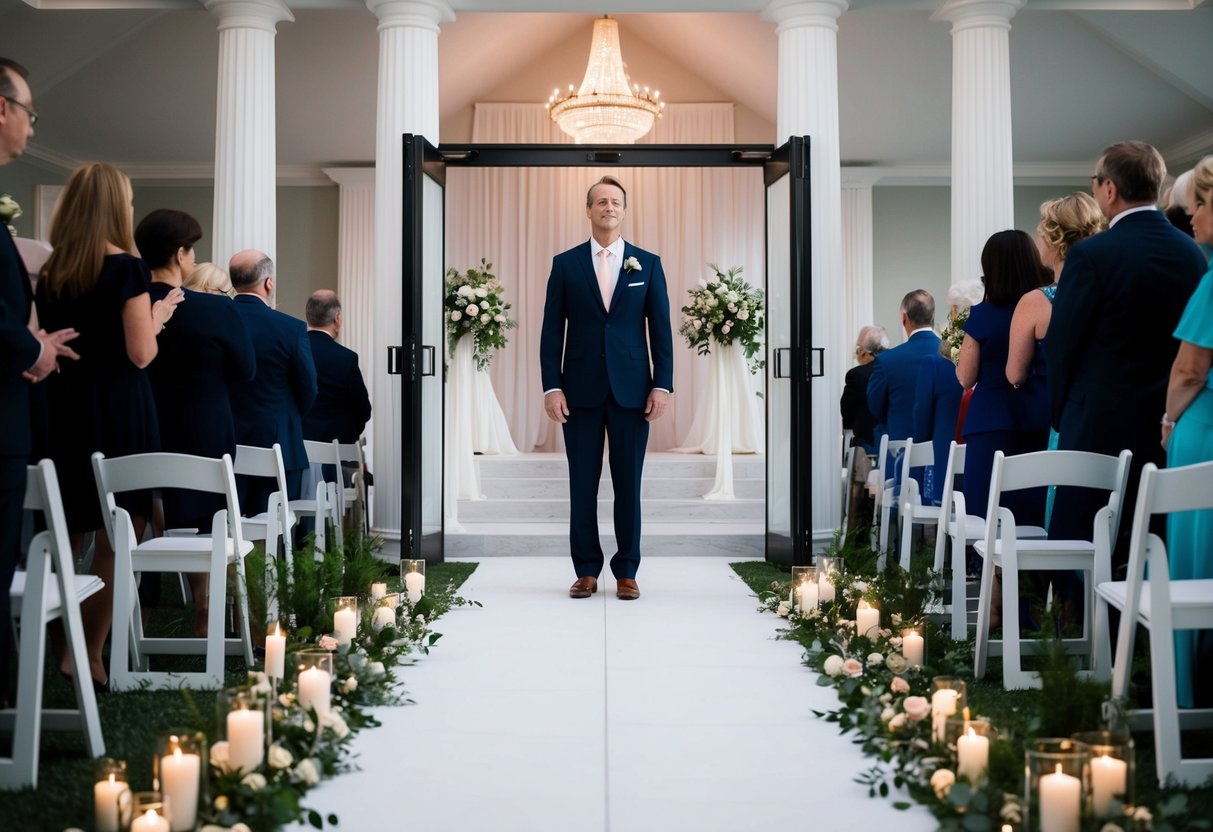
Planning the logistics and etiquette for a wedding ceremony, especially with divorced parents, requires careful thought. It’s essential to create a comfortable atmosphere for everyone involved. Here’s a closer look at seating arrangements and processional order.
Seating Arrangements
When organizing seating for a wedding, consider how emotions might play out. You can use a simple plan to help guests find their seats.
Processional Order
The processional order is crucial for a smooth walk down the aisle. You’ll want to plan who walks where to keep things respectful and organized.
- Who Gives the Bride Away: You can choose either parent or a close family member. Determine this in advance to avoid any awkward moments.
- Bridal Party: Line up bridesmaids and groomsmen according to your wishes. They typically enter before the bride, creating anticipation.
- Walking Down the Aisle: As you approach the altar, consider the pace. A slower walk allows time for a photographer to capture the moment perfectly.
Planning these details helps ensure that your ceremony flows beautifully.