
Who Gives the Groom Away at a Wedding? Exploring Traditional Roles and Modern Practices
During a wedding ceremony, many traditions focus on the bride, but what about the groom? You might wonder, does someone give away the groom?
In most cases, the groom walks down the aisle on his own or is escorted by his parents.
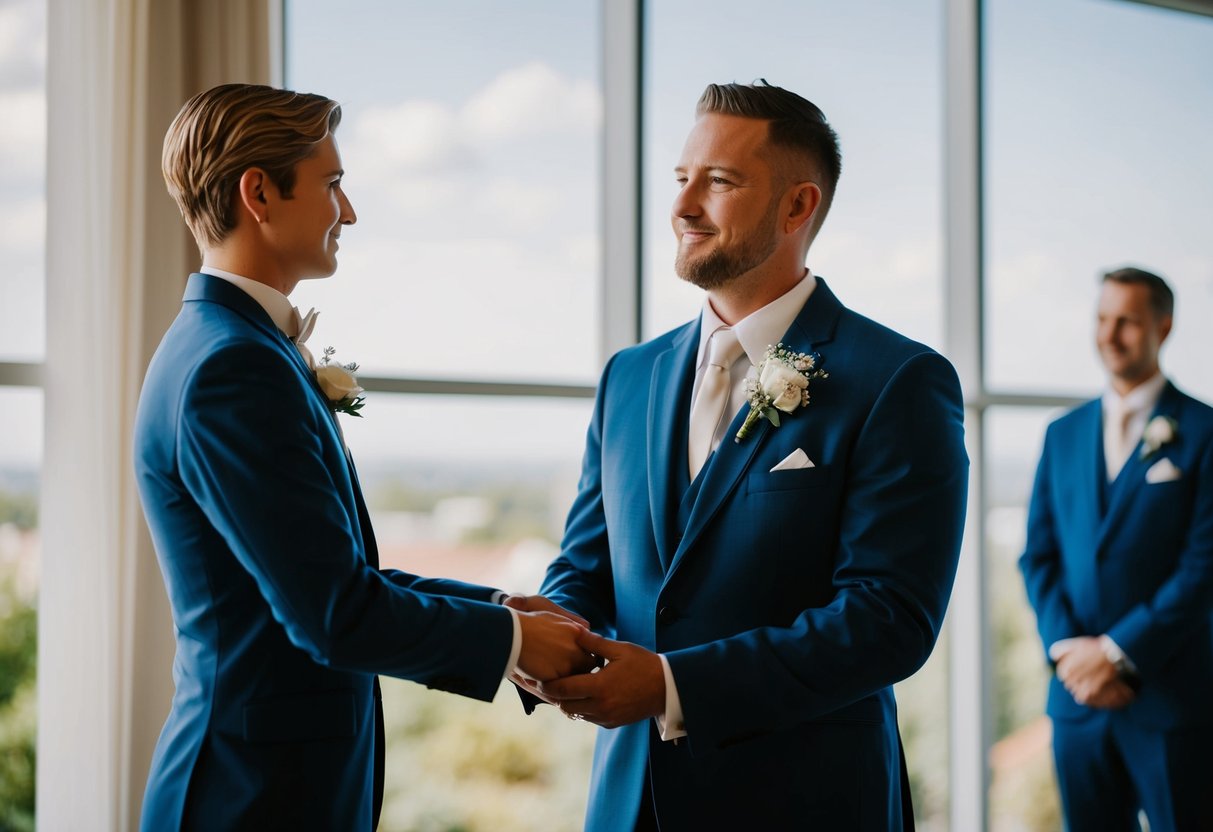
While the act of giving away the bride highlights her transition into a new family, the groom’s entrance represents his own commitment to the marriage. It’s important to remember that these traditions can vary widely based on personal preferences and cultural backgrounds. Many couples today choose to break away from conventional roles, making their wedding day uniquely their own.
Exploring who gives the groom away can uncover fun and meaningful ways to recognize family during the ceremony. Whether you decide to honor both sides of the family or create a different ritual, it adds a special touch to your celebration.
Historical Significance of Giving Away the Bride
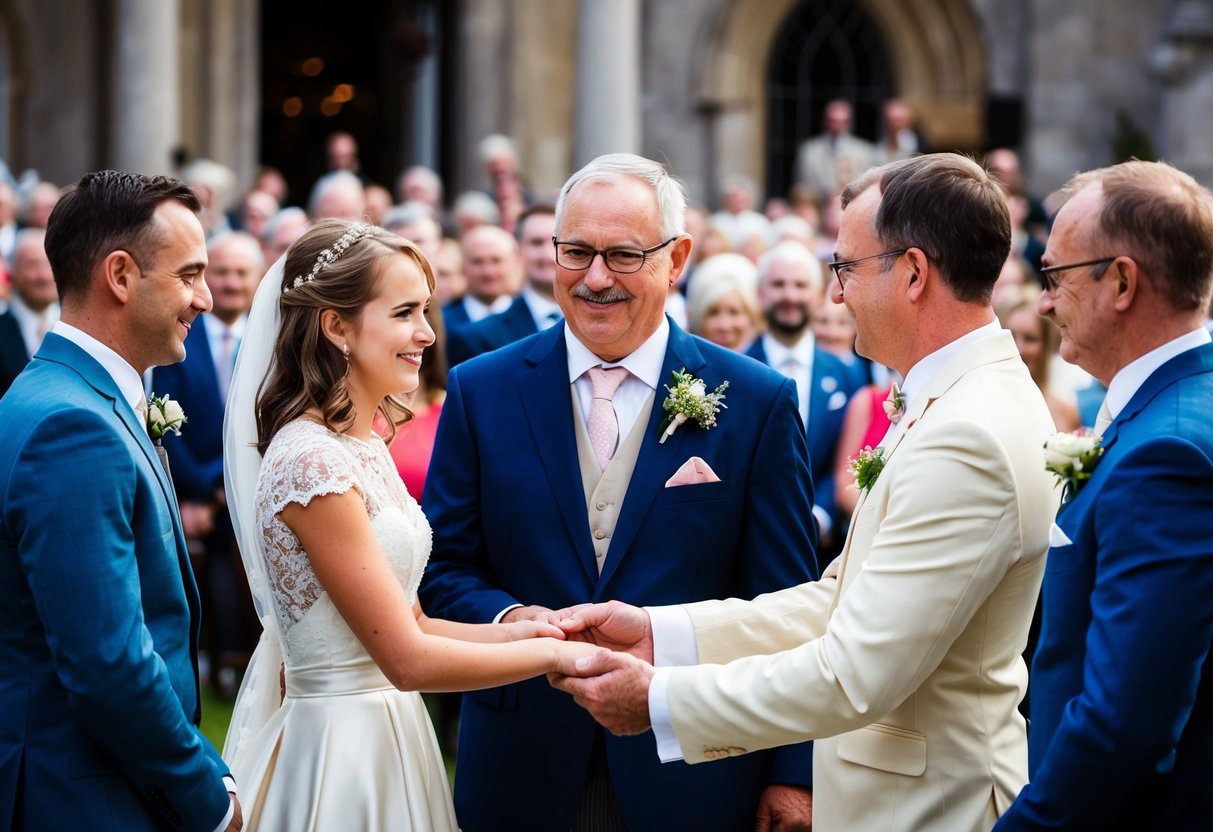
The tradition of giving away the bride has deep historical roots and varies across cultures. Its significance reflects societal values, notions of ownership, and the role of families in marriage. Understanding these aspects provides insight into why this custom still holds meaning today.
Traditions Across Cultures
In many cultures, giving away the bride is a significant ritual. For example, in Jewish weddings, the father walks his daughter down the aisle, symbolizing his approval of the union and sharing in the joy of the occasion.
In Christian weddings, this practice is similar, where the father presents the bride to the groom, showing his trust and support.
Hindu weddings also include a ritual where the bride’s family gives her to the groom, often signifying the start of her new life. This act of handing over emphasizes family ties and communal support in the marriage.
Evolution of the Practice
Originally, the act of giving away the bride was linked to ideas of ownership. Historically, daughters were seen as property, and fathers “transferred” their daughters to grooms, often with a dowry involved.
As societies evolved, this perspective shifted. Today, the practice is more symbolic, reflecting the father’s blessing rather than ownership.
You might notice that in modern ceremonies, the emphasis is on love and partnership instead of ownership. This evolution illustrates changing values about relationships and marriage, moving towards mutual respect.
Symbolism and Meaning
The act of giving away the bride carries significant symbolism. It represents the transfer of responsibility for the bride’s well-being from her father to her husband.
This gesture is also a way of honoring family traditions and showcasing commitment.
When the father asks, “Who presents this woman?” it marks the moment when he gives his blessing. This phrase highlights the honor and recognition of the bride’s choice while also maintaining family connections.
The practice continues to resonate with many couples, even if its meaning has shifted over time.
The Traditional Role of the Father
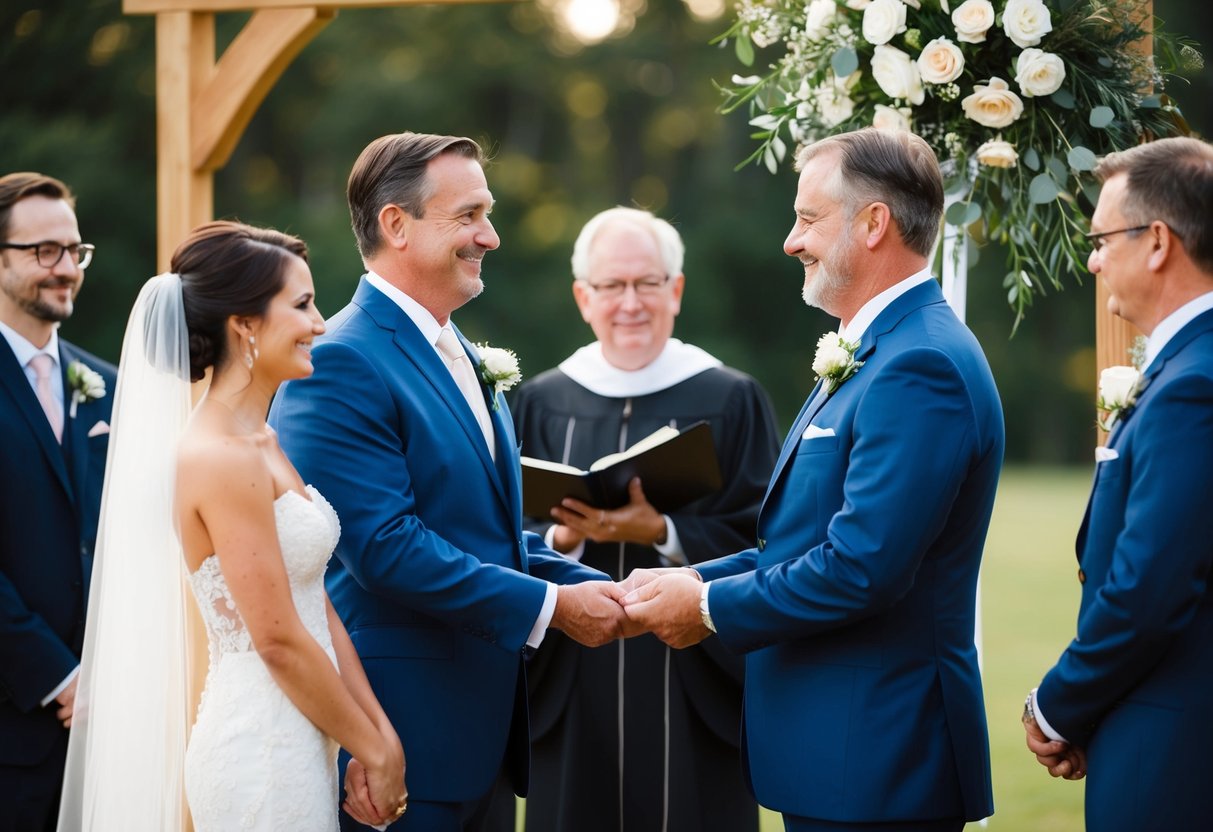
The father traditionally plays a significant role in a wedding, particularly during the ceremony. This role often includes giving away the bride, which symbolizes a transfer of love and support from the father to the groom. Let’s explore the key responsibilities of the father in this process and how these roles have evolved in modern weddings.
Father of the Bride Responsibilities
One of the main duties of the father is to escort his daughter down the aisle. This moment represents not only his support but also the unity of families. As you walk together, you can feel a mix of emotions—joy, pride, and love.
When he reaches the front, he may be asked, “Who gives this bride away?” Responding, “I do,” is a traditional way to signify his blessing. You might also consider alternative wordings that feel more personal or modern.
Additional responsibilities include hosting pre-wedding events, like engagement parties or showers, and helping with financial aspects. His support during planning is vital, as it creates a memorable experience for everyone involved.
Modern Interpretations
In modern weddings, the role of the father can take different shapes. While the father still often gives away the bride, other family members may take on similar roles. For example, some couples choose to have both parents walk the bride down the aisle.
You might also notice that the traditional phrasing of “Who gives this bride away?” is changing. Many couples prefer language that reflects their relationships and values.
Such adaptations highlight love and support among families, showing that weddings today are about unity in many forms. Embracing these changes can make the ceremony more meaningful to everyone involved.
Alternative Ways to be Given Away
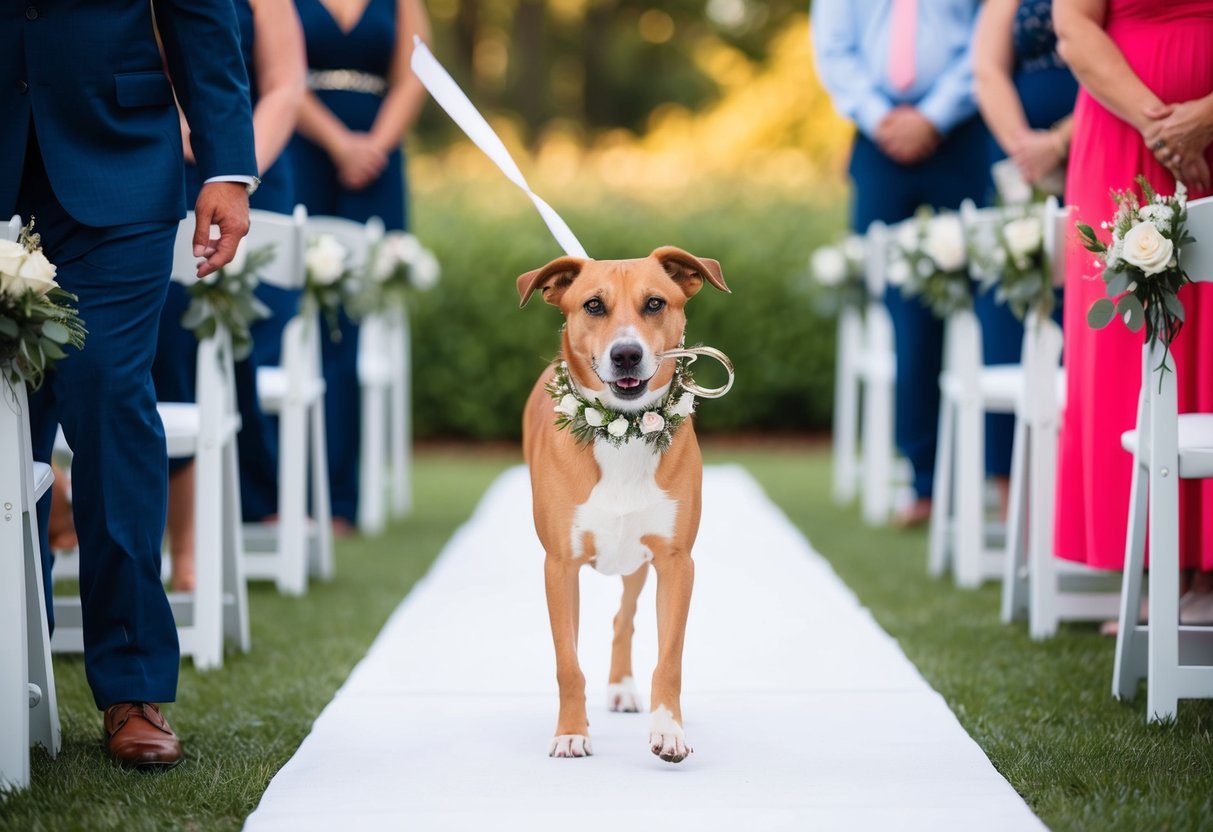
Weddings today offer various ways to show support for the groom as he steps into a new life. Instead of a traditional “giving away,” couples often choose modern options involving family and friends. Here are some creative alternatives to consider.
Roles of Different Family Members
Involving family members can add a personal touch to the ceremony. For example, the mother of the groom can take a central role. She might walk alongside her son, symbolizing her support for him as he starts this new chapter.
Additionally, other relatives, like siblings, can join in. They might walk together with the groom to represent the family’s unity. This approach highlights the importance of family while moving away from tradition.
Involving the Wedding Party
Your wedding party can play a significant role in the processional. Instead of just the bride being “given away,” consider having the best man and groomsmen walk with the groom. This brings an element of camaraderie and friendship into the mix.
You could also have the bridesmaids join in the procession with the groom. This shows the strong ties and love between both sides of the family. It emphasizes partnership and support from all party members.
When the Groom Takes Part
Sometimes, the groom might take the lead in deciding how he is “given away.” For example, he might walk down the aisle with the bride and their parents, showcasing their unity as they step into marriage together.
This approach illustrates the bond between the groom and the bride, along with their families. It shifts the focus from giving away to celebrating love and partnership, creating a more inclusive atmosphere for everyone involved.
Planning the Ceremony Processional
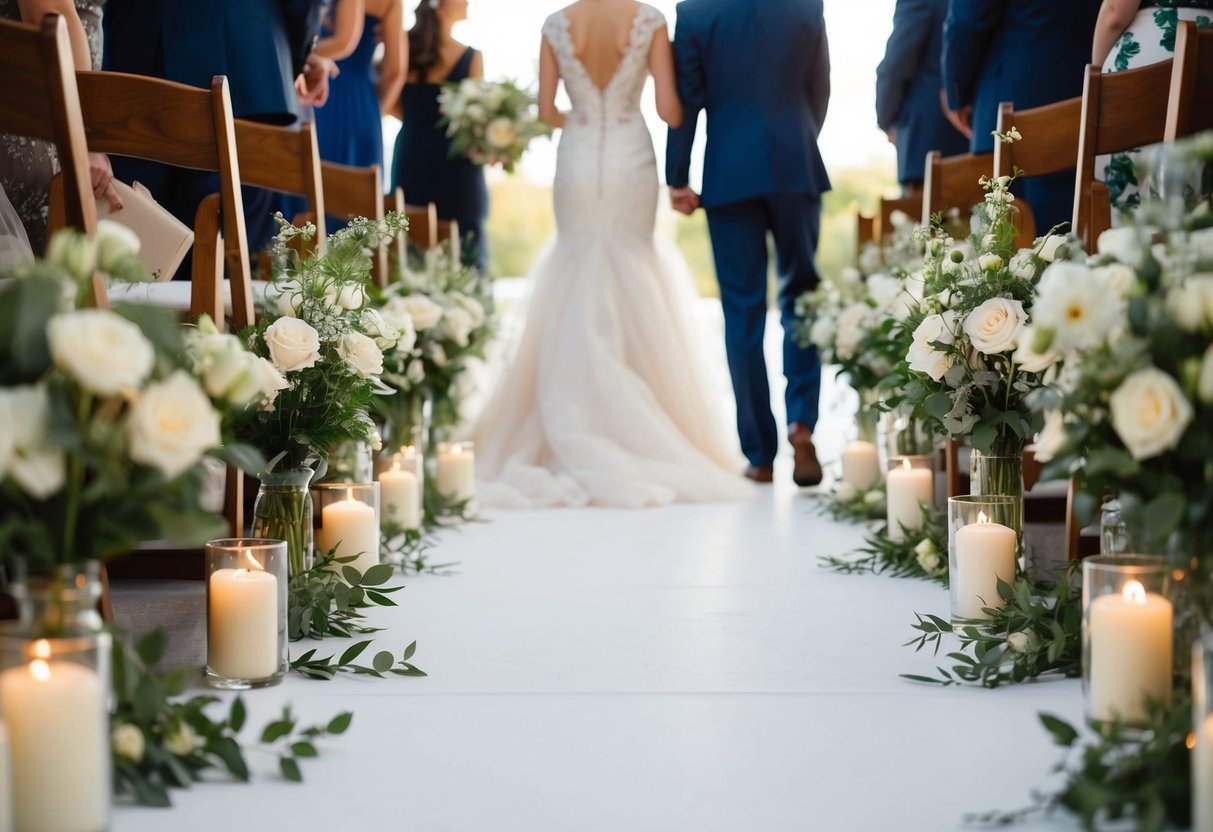
Planning your ceremony processional is a key part of your wedding. It sets the stage for the entire event and marks the start of your special day. You’ll want to consider the order in which everyone walks, who plays the role of the officiant, and any creative touches that reflect your unique style.
Order of Entrance
The order in which people enter can vary based on traditions and personal preferences. Typically, the processional starts with family members, followed by the wedding party, and finally, the bride walks down the aisle last.
Here’s a common order:
- Officiant
- Parents of the Bride
- Groom and Best Man
- Bridesmaids and Groomsmen
- Flower Girls/Ring Bearers
- Bride with Father or Significant Person
This structure creates a rhythm for the ceremony. You can also mix things up. For instance, the groom might walk down the aisle first if that’s what you prefer.
Role of the Officiant
The officiant is a central figure in your ceremony processional. They not only lead the wedding but also symbolize the unity of the couple. Traditionally, the officiant walks in first to signify the start of the ceremony.
If you choose a friend or family member as the officiant, it can make the ceremony feel more personal and meaningful. Discuss with them how they will enter and where they will stand. Their position can affect how you and your guests feel during the ceremony.
Creative Approaches
If you want your ceremony to be one-of-a-kind, consider creative approaches to the processional. This can include incorporating music that’s meaningful to you or having unconventional entrance styles.
For example, you might choose to have both partners walk down the aisle together, representing equality. You can have a friend or family member give you away, adding a personal touch.
Other ideas include using special lighting, unique floral arrangements, or even a themed entrance that reflects your interests. The key is to make it memorable and true to you as a couple.