
Who Gives This Woman to Be Married? Understanding the Tradition and Its Significance
When it comes to weddings, the phrase “who gives this woman to be married?” often sparks curiosity and reflection. This question traditionally symbolizes the act of giving away the bride, usually by her father or family member. It highlights the significance of family in the ceremony. In modern weddings, this phrase has evolved, and many couples are looking for ways to make it more personal and meaningful.
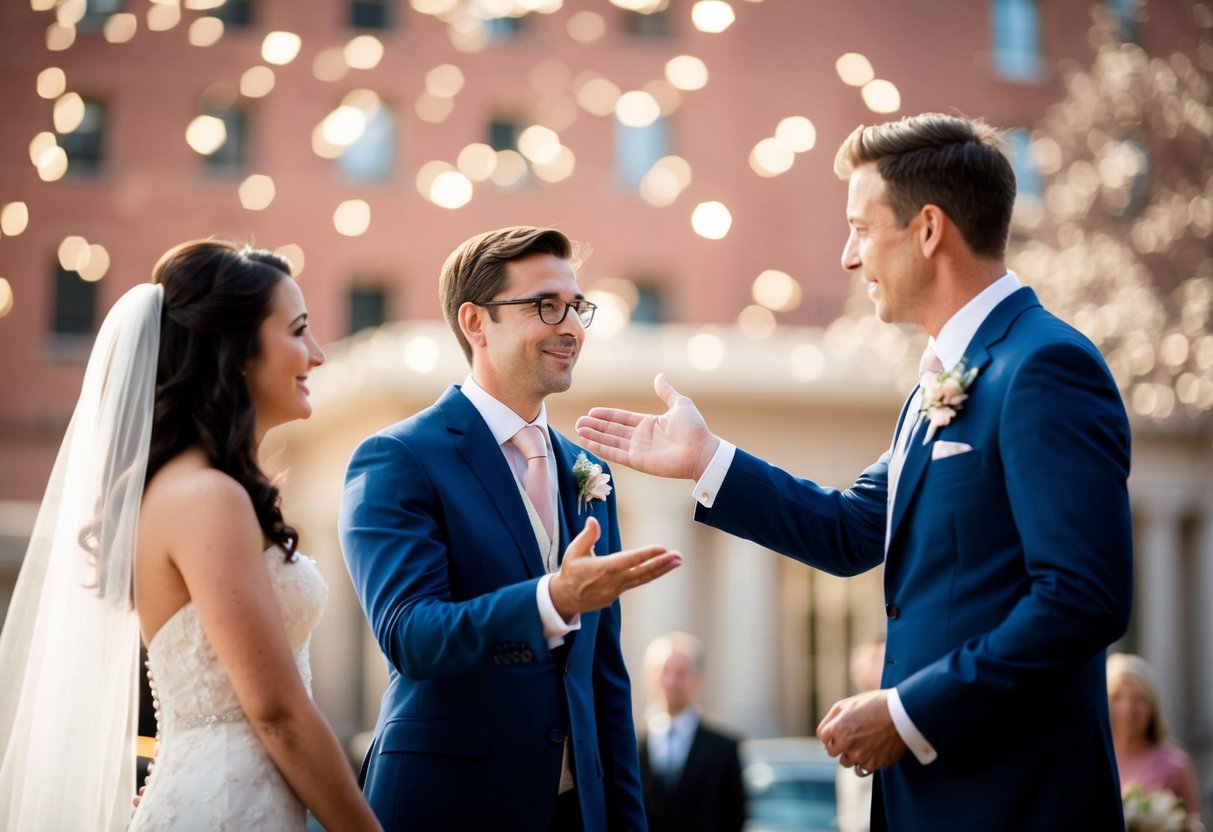
The wedding ceremony is a special moment, blending tradition with personal touch. Many couples are reimagining this significant question, choosing alternative wordings that better fit their values and relationships. This change reflects how contemporary ceremonies embrace both heritage and individual stories, allowing you to create a truly unique experience.
Whether you’re planning your own wedding or simply interested in the traditions behind the big day, understanding the meaning and evolution of this question can add depth to your special occasion. Join us as we explore different interpretations and modern alternatives that can enhance your ceremony and reflect your journey together.
Historical Context and Significance
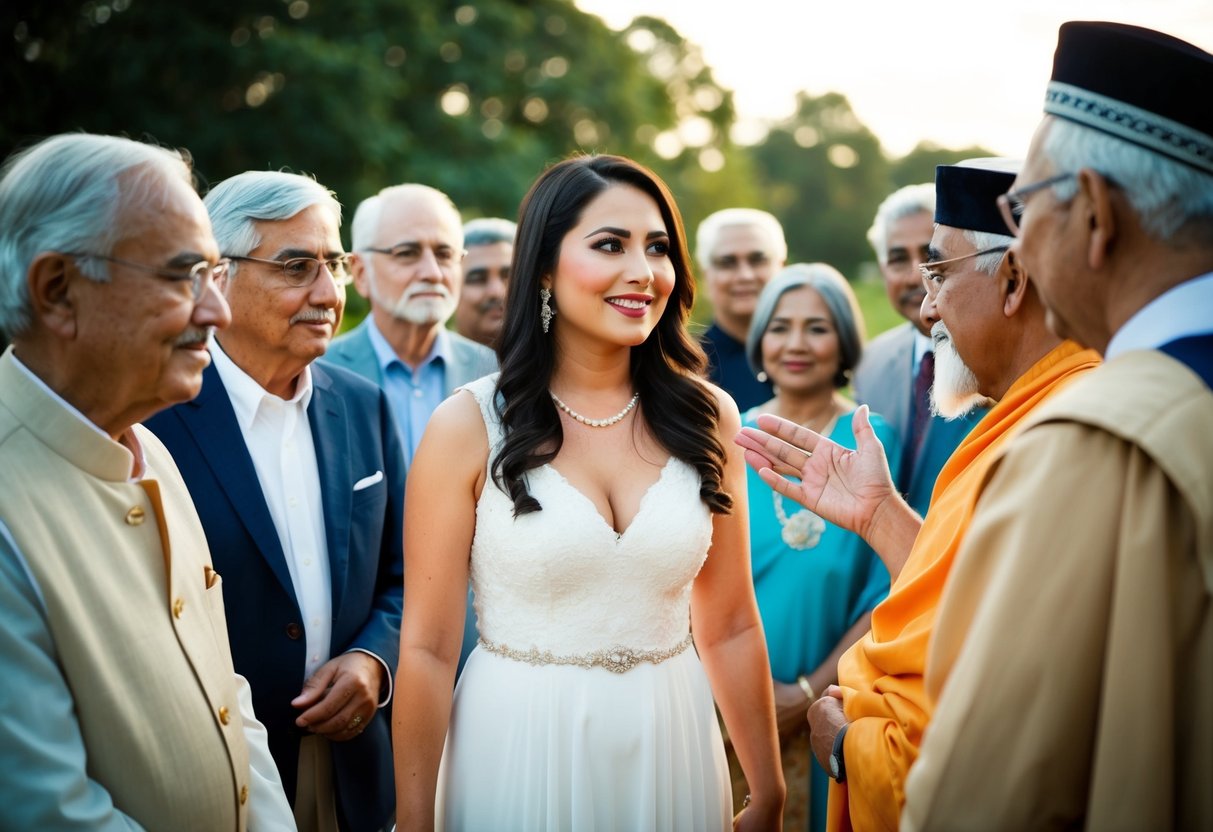
The phrase “who gives this woman to be married?” highlights the tradition of giving away the bride during wedding ceremonies. This act has deep historical roots and has evolved over time, reflecting changing societal values and family dynamics.
Origins of ‘Giving Away the Bride’
The tradition of giving away the bride dates back centuries. Initially, it stemmed from the idea that women were considered property of their fathers. This ritual symbolized a transfer of ownership from the father to the groom. Such practices often included a bride price or dowry, which reinforced this notion.
The phrase itself originated in various cultures, where the father of the bride would formally present her to the groom. This moment was not just ceremonial but also acknowledged the family’s role in the marriage. It marked a pivotal point in the wedding ceremony, setting the tone for the couple’s new life together.
Evolution in Wedding Ceremonies
As society has progressed, the meaning of “giving away the bride” has transformed. Many modern couples re-interpret this tradition to emphasize choice and partnership. Instead of viewing it as ownership, it represents support for the bride’s decision to marry.
Today, alternatives exist. Some couples choose to have both parents present the bride. Others may skip this tradition altogether, focusing instead on their mutual commitment. This shift reflects changing attitudes toward marriage and family dynamics, allowing for a more personalized wedding ceremony that honors both individuality and togetherness.
Roles and Responsibilities

In a wedding ceremony, various roles ensure everything goes smoothly. Each participant has important duties that contribute to the special day. Understanding these roles helps you appreciate the flow of the ceremony.
The Officiant’s Duties
The wedding officiant plays a crucial role in the ceremony. They are responsible for guiding the event and ensuring each part unfolds as planned. Your officiant will lead the ceremony script, which includes important moments like the presentation of the bride.
They facilitate the exchange of wedding vows between you and your partner. This part of the ceremony is deeply personal and marks your commitment to each other. The officiant also handles the legal aspects of the marriage, ensuring everything is official. Their job is to create a warm atmosphere, helping you feel comfortable through every step.
Participants in the Ceremony
Multiple participants add to the richness of the wedding ceremony. Typically, the father of the bride gives her away, symbolizing support and love for her new life. This moment often involves a response, like “I do,” which can also involve the mother of the bride if the couple chooses.
Bridesmaids support the bride, helping her prepare and stand by her side. The maid of honor has additional responsibilities, such as holding the bride’s bouquet and assisting with her dress. Meanwhile, the best man supports the groom, often speaking during the reception. Each person contributes to the day, making it a shared celebration of love.
Modern Interpretations and Alternatives
As traditions evolve, many couples are looking for ways to make their wedding ceremonies more meaningful and inclusive. Modern interpretations of the phrase “Who gives this woman to be married?” focus on respect, support, and love rather than ownership. Here are some fresh takes on this long-standing tradition.
Inclusive and Non-traditional Approaches
In the spirit of modern weddings, many are opting for inclusive phrasing that reflects today’s values. Instead of asking who “gives away” the bride, you might hear, “Who presents this couple?” This shift recognizes the partnership between both individuals.
Another popular alternative is asking family or friends to support the couple in their marriage, saying something like, “Who supports this woman in her marriage today?” This approach highlights shared blessing and love, making the moment feel more communal and less about ownership.
These changes not only honor the couple’s dynamic but also respect their individual backgrounds and relationships. Such language can carry personal meanings while making everyone feel valued in this special moment.
Symbolism and Current Perspectives
The traditional phrase carries a weighty history, often tied to outdated views of marriage. Modern weddings emphasize equality and partnership, making the past wording feel out of place. Changing the language can enhance the ceremony’s symbolism, focusing on union and commitment.
Consider phrases that reflect your unique story and values. For example, using “Who has loved and supported this woman throughout her life?” can evoke strong emotions while acknowledging the important roles family and friends play.
By shifting the focus from giving away to honoring the couple and their journey, the ceremony can feel more authentic. This is especially relevant when you choose to incorporate elements like “something new, something borrowed, something blue,” adding personal touches that resonate with your style and values.
Planning the Ceremony
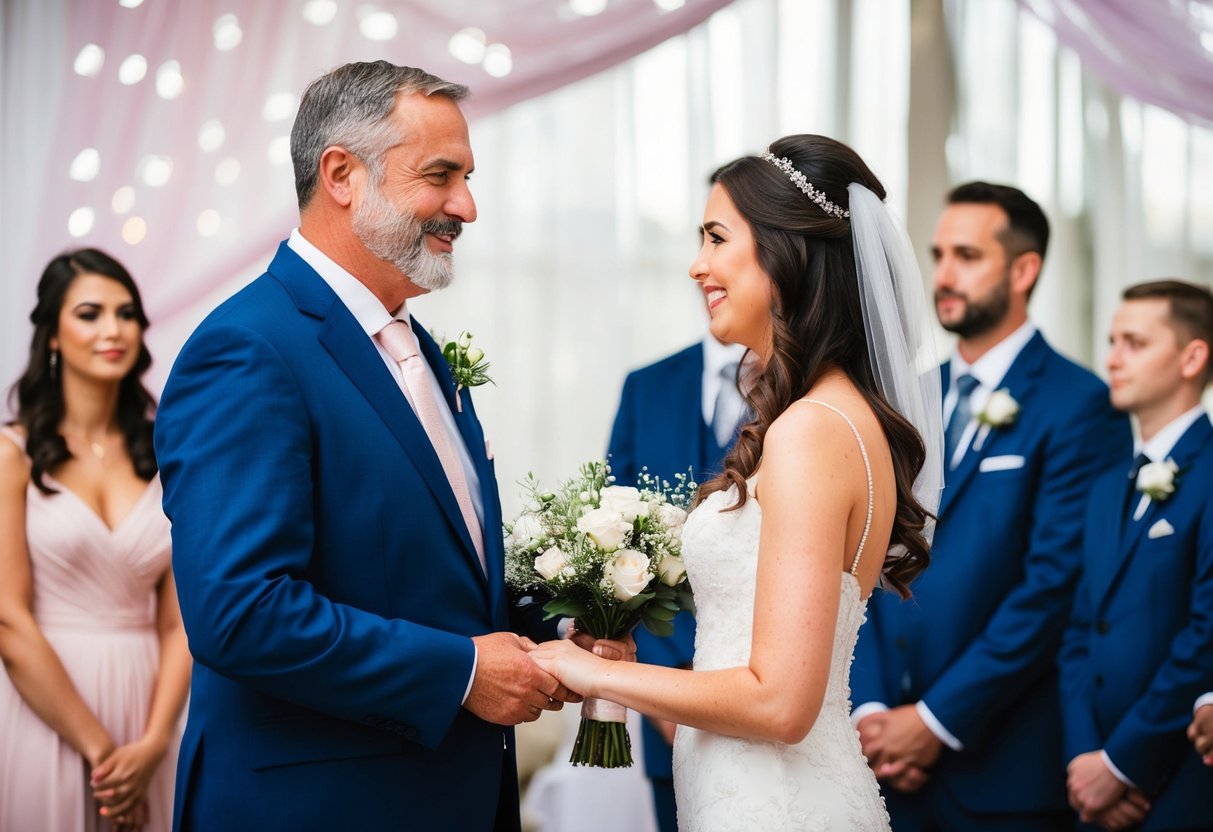
When planning your wedding ceremony, it’s important to create a meaningful script and coordinate the processional. These elements set the tone for your special day and ensure everything flows smoothly.
Crafting the Perfect Ceremony Script
Start by deciding on the type of ceremony you desire. You may want a traditional format that includes familiar phrases or opt for more personalized wording. Many couples choose to incorporate traditional wedding vows that reflect their values.
Consider including a moment where the officiant asks, “Who gives this woman to be married?” This question adds a deep sense of tradition to the ceremony. You can also invite family members to share blessings or readings, enhancing the emotional connection.
If you’re unsure, a wedding consultant can help craft the script. They can guide you, ensuring the wording and structure fit your vision. Remember, your script should feel authentic to you and your partner.
Coordinating the Processional
The wedding processional is crucial for setting the mood. It involves the order in which participants enter. Typically, the bride walks in last, often accompanied by her father or another significant figure.
Plan the order meticulously. Start with guests, then the groom, followed by the wedding party. You might even want to choose a special song to enhance the moment.
Once the order is set, practice with everyone involved, ensuring they know when to enter and what to do. Familiarity can ease nerves and prevent confusion on the big day.
A coordinated processional creates a smooth start to your wedding ceremony.