
Who Goes First, Bride or Bridesmaids? A Guide to Wedding Processional Order
As you plan your wedding, you might wonder about the traditional order of the wedding party. Typically, the bridesmaids walk down the aisle before the bride. This setup allows the bride to have a big moment when she makes her entrance, capturing everyone’s attention, especially the groom’s.
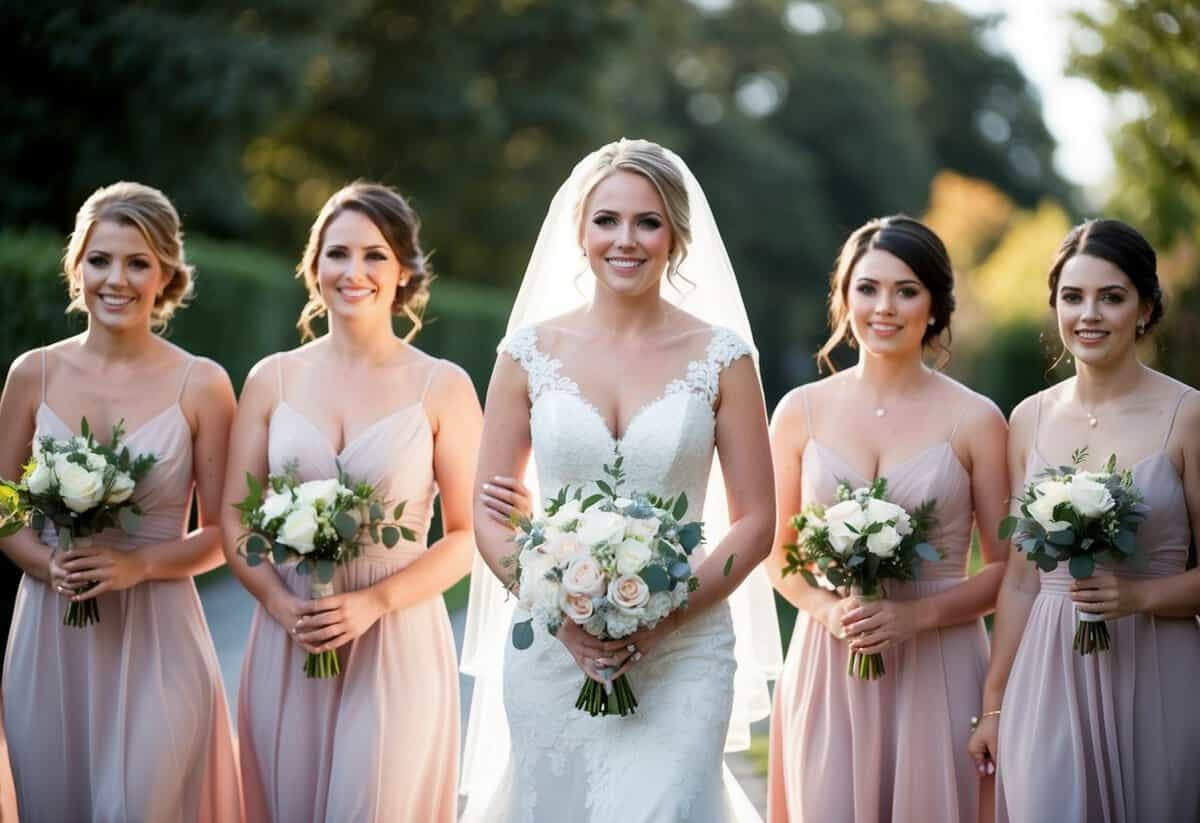
Knowing the order can help you shape the ceremony that feels just right for you. It’s not just about tradition; it’s an opportunity to create a special moment filled with emotion and joy. You can also personalize the order based on your preferences, making the ceremony uniquely yours.
Wedding Processional Basics
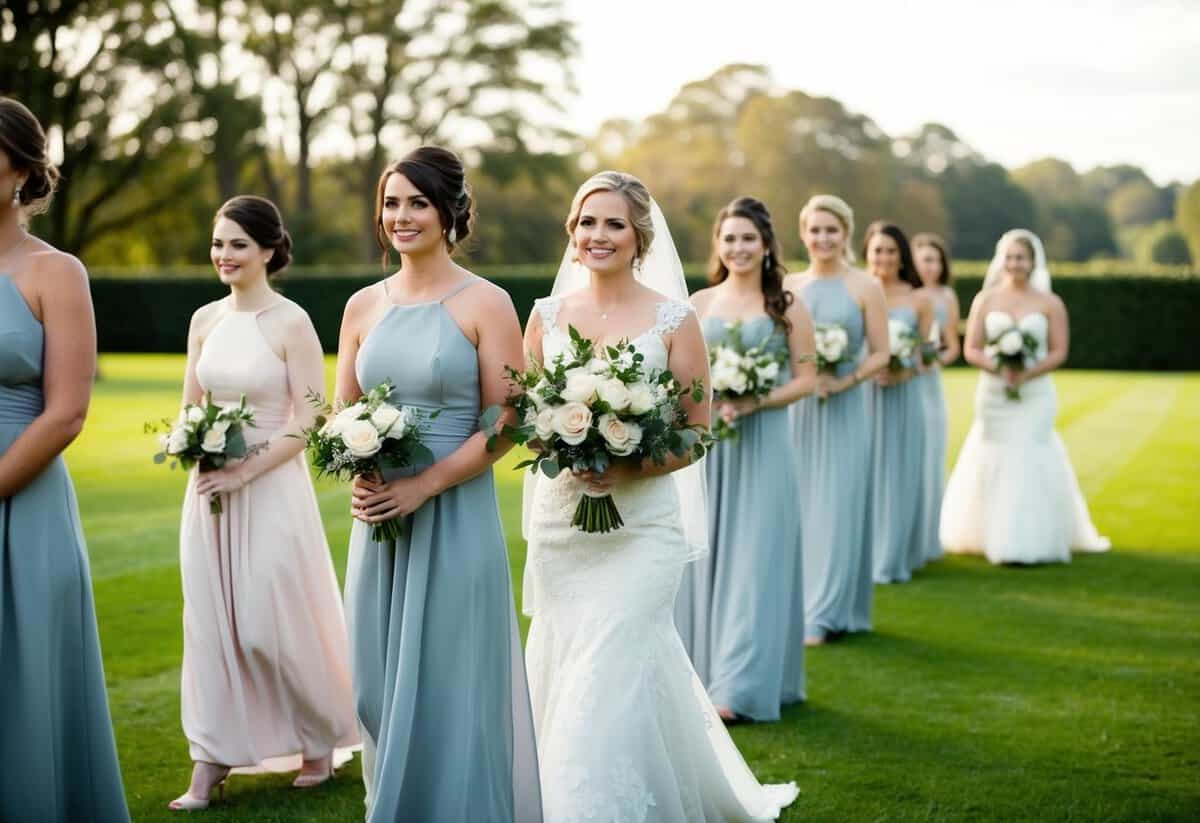
Understanding the basic elements of a wedding processional is key to planning this significant moment. Knowing who walks where and the roles involved can help make your ceremony flow smoothly.
Roles and Responsibilities
Each member of the wedding party has specific duties during the processional. The officiant usually stands at the front, ready to greet guests. The groom often walks in with the groomsmen, signaling the ceremony’s start.
Next come the bridesmaids, who typically follow the groomsmen, showcasing their dresses and setting the stage for the bride. The flower girl and ring bearer usually walk behind the bridesmaids. The flower girl might scatter petals, while the ring bearer carries the rings.
Finally, the most important guest, the bride, makes her grand entrance last, often escorted by a parent or a close family member. This traditional order adds to the ceremony’s excitement and significance.
Standard Processional Order
The standard order of a wedding processional generally flows like this:
- Officiant
- Groom and Groomsmen
- Bridesmaids
- Flower Girl
- Ring Bearer
- Bride
Though this order is common, you can personalize it to fit your style. For example, some couples prefer having the flower girl precede the bridesmaids.
Cultural and Religious Variations
Weddings reflect diverse cultural and religious customs. Each tradition shapes the order of the wedding procession, including who walks first. Understanding these variations can help you plan a ceremony that honors your beliefs and heritage.
Christian Wedding Customs
In many Christian weddings, the bride is traditionally the last to walk down the aisle. The processional usually starts with the officiant, followed by groomsmen, bridesmaids, and the maid of honor. This order highlights the significance of the bride’s entrance.
In a Catholic wedding, the processional may include candles and a cross. Brides often walk with their father or a close relative, emphasizing family support. Nondenominational weddings may adopt more flexible customs, allowing couples to personalize their processional.
Jewish Wedding Traditions
In Jewish weddings, the processional follows a distinct order. The rabbi or cantor often leads the way, followed by the bride’s and groom’s grandparents, and then the couple’s parents.
The groom typically walks down the aisle first, which is a way to honor his family. Afterward, the bride enters with her parents. This arrangement showcases the joining of both families and provides a beautiful moment for celebration.
Hindu Wedding Processional
Hindu weddings are vibrant and joyous events featuring a festive procession called the Baraat. This celebration usually begins with the groom arriving with family and friends.
Colorful music and dance create a lively atmosphere. The bride follows this celebration, escorted by her family. This order emphasizes the upbringing and support from both families as they unite through marriage.
Other Cultural Considerations
Many cultures have unique customs surrounding wedding processions. For example, in some African traditions, the bridal party may walk together, symbolizing unity.
In Filipino weddings, the groom often carries a coin, symbolizing prosperity, and the bride may have a veil placed on her as she walks down the aisle. Each of these cultural traditions adds meaning and depth to the wedding ceremony, helping you celebrate your heritage.
Special Circumstances and Personalization
Personalizing wedding traditions can make your ceremony truly special. You can adapt the order of the procession to reflect your unique story, values, and circumstances.
Incorporating Your Heritage
Many couples want to honor their cultural backgrounds during their wedding ceremony. If you have specific traditions, consider including them in the procession.
For example, in some cultures, family members are part of the entrance. You might have grandparents walk down the aisle before the bridal party. This gesture shows respect for your heritage and cherishes those who matter.
If you have a tradition that involves specific family members or customs, feel free to modify the order. Adding personal touches can make the day even more memorable.
LGBTQ+ Weddings
In LGBTQ+ weddings, you have the freedom to define your own traditions. Some couples choose to walk down the aisle together, signifying unity from the start.
You can include loved ones of all kinds in the processional, such as friends, siblings, or pets. Personal preferences guide the choices.
This openness invites creativity and helps you celebrate love in your own way. The most important aspect is that the procession reflects your relationship and makes you happy.
Military Weddings
Military weddings often have unique elements, especially when one or both partners serve. If a member of your party is in uniform, they might have a designated role in the procession.
You could have a special honor guard or include military traditions that are meaningful to you.
Consider the timing as well; military commitments might affect who can participate. Personalizing this aspect shows pride in service and brings a special touch to your day.
Processional Structure and Sequence
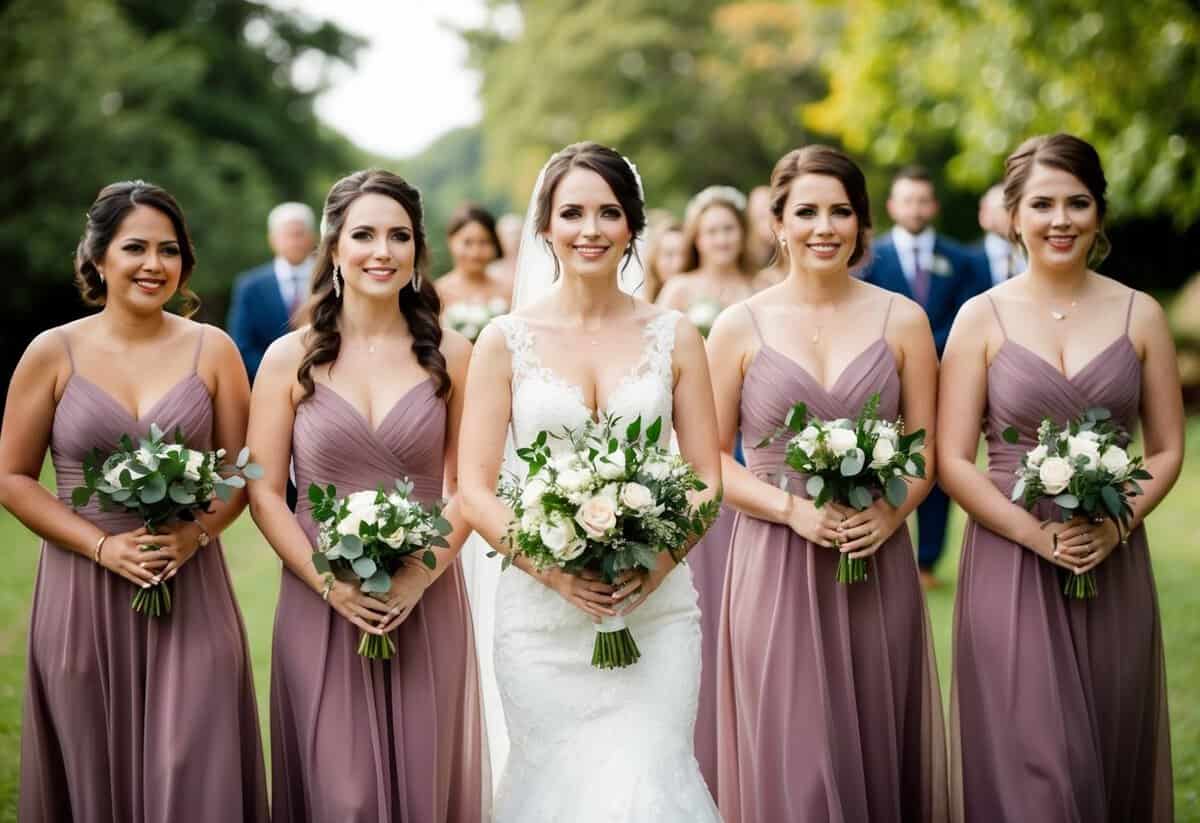
When planning a wedding, understanding the processional structure is key. You’ll need to decide who walks down the aisle first and how the timing works. Let’s break it down into two main areas: who walks in, and how that gets organized.
Walking Down the Aisle
In a typical wedding processional order, the officiant leads the way, followed by parents and the wedding party.
Here’s a common flow:
- Parents: The parents of the bride usually sit before everyone else arrives. The parents of the groom are seated soon after.
- Groomsmen and Bridesmaids: Next, groomsmen walk in with bridesmaids. They can march in alternate pairs, or all groomsmen first, then bridesmaids.
- Maid of Honor: After the bridesmaids, the maid of honor enters next.
- Bride: Finally, the bride makes her entrance, often escorted by her father or another significant person.
Timing and Choreography
The timing of each step is essential. Each person should have enough space and time to walk down the aisle smoothly.
Consider the following:
- Music: Choose a song that sets the right mood. The bride’s entrance song often signals her walk down the aisle.
- Pacing: Slow and steady wins the race here. Everyone should walk at a comfortable pace to match the music.
- Practice: It’s a good idea to rehearse with everyone involved in the processional. This ensures that everyone knows when and how to walk.
These details help create a beautiful and memorable moment for you and your guests.