
Who Goes First, Bride or Groom? Tips for Wedding Processional Order
When preparing for your wedding, you may wonder about the age-old question of who goes first, the bride or the groom? Traditionally, the groom says his vows before the bride during the wedding ceremony, but modern practices allow for flexibility based on personal preference. This choice often reflects your unique love story and the unity you wish to celebrate together.
Cultural traditions can play a role in this decision, as some customs have distinct practices regarding the vow exchange. Understanding these traditions can help you decide what resonates most with you and your partner.
The ceremony is a beautiful moment, and making this choice allows you to honor both your individual backgrounds and your shared values as a couple.
As you plan your special day, remember that this detail is just one of many decisions you’ll make together. Whether you choose to follow tradition or create your own path, what’s most important is that the day reflects your love and commitment to each other.
The Wedding Ceremony Order
The order of your wedding ceremony is important. It sets the tone and flow of the day. Knowing how the processional and recessional work will help you plan your special moment.
Understanding the Processional
The wedding processional is the formal march that starts the ceremony. It marks the entrance of the wedding party and is a significant moment for everyone involved.
Typically, the processional begins with the officiant, followed by the groom and the best man. After them come the bridesmaids, flower girl, and then the bride. Feel free to personalize this order according to your preferences.
Your choices can reflect your relationship and style. Some couples mix traditions with modern elements to make it unique.
Traditional Order of Entrance
The traditional order of entrance is well-known but can vary. Usually, the groom enters first, often alongside the officiant and best man.
Next, the bridesmaids walk in, followed by the flower girl, who usually carries petals. Finally, the bride makes her grand entrance. This order symbolizes the couple’s journey, with the bride typically taking a central role.
Make sure to discuss the order with your wedding planner or officiant. Adjusting roles can add a personal touch. Including your family members can also be special and meaningful.
Recessional Dynamics
After the ceremony, the recessional is the joyful march out. This moment allows you to celebrate with your guests as a married couple.
The recessional often starts with the newlyweds, followed by the wedding party. The order can be the same as the processional or switched up for fun.
Including everyone in this moment can enhance the celebration. You might want to consider fun music to keep the atmosphere light and exciting as you walk back down the aisle.
This is a beautiful way to end your ceremony and begin your new life together.
Roles and Honors in Wedding
Weddings celebrate love and unite families. Important roles are assigned to key individuals, helping you create lasting memories on your special day.
Significance of the Best Man and Maid of Honor
The best man and maid of honor are pivotal in supporting you. The best man is often the groom’s closest friend or relative. His duties include organizing the bachelor party, keeping the rings safe, and giving a heartfelt toast during the reception.
The maid of honor, usually the bride’s sister or best friend, has similar responsibilities, such as helping with wedding planning and arranging the bridal shower. Both roles symbolize deep trust, friendship, and commitment, enhancing the emotional aspect of the ceremony.
Their presence ensures everything runs smoothly and adds personal touches to the day, making it more memorable.
The Role of Family Members
Family members play crucial roles in weddings. The mother of the bride often helps with planning, from selecting the dress to coordinating the guest list. She also plays a significant role during the ceremony, often walking the bride down the aisle.
Groom’s parents may also contribute by hosting events or welcoming guests. Grandparents often bring wisdom and warmth to the occasion, further enriching the family dynamic.
Acknowledging these roles honors the importance of family support in your journey together. These relationships create a sense of unity and love, making your wedding day even more special.
Customizing Your Ceremony
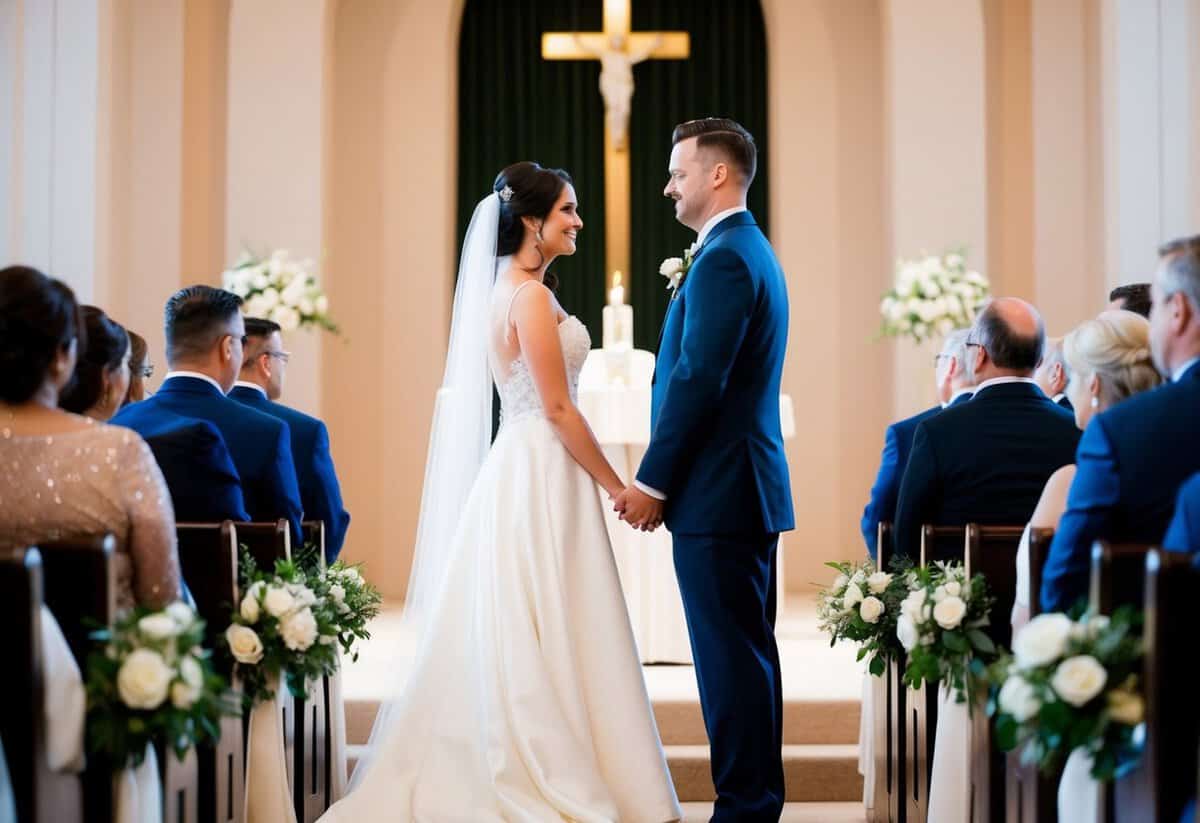
Your wedding ceremony can be a unique reflection of you and your partner. Customizing the order of events and including personal and cultural elements can make it special.
Personalizing the Order of Events
You have the freedom to choose who goes first in your wedding ceremony. The traditional order usually has the bride walking down the aisle first. However, if you prefer that the groom goes first, go for it! This can symbolize equality and a shared journey.
Consider creating a list of events that matter most to you both. Maybe you want a special moment for exchanging vows or a unity ceremony. Personal touches in the timing can make the day feel even more meaningful.
Including Cultural and Personal Elements
Incorporating cultural traditions can enrich your ceremony. If you have specific customs, like a particular order of events, include them. This could mean combining family traditions from both sides.
Personal elements, such as writing your own wedding vows, can be heartfelt additions. Sharing your thoughts during this moment can connect you deeply with your partner. Remember to consider your personal dynamic—how you want to express your love during the ceremony.
Planning Essentials
When planning your wedding, details like invitations and the program are key. You’ll want to make thoughtful choices about how you present names and the overall flow of your ceremony.
Invitations and Save the Dates
Sending out invitations and save-the-dates is one of the first steps in your wedding planning. Traditionally, the bride’s name appears first on these items, aligning with age-old etiquette.
For save-the-dates, aim to send them at least six months ahead of the wedding. This gives guests ample time to prepare. When creating invitations, consider including fun elements like RSVP cards or even a wedding website link.
Same-sex couples can choose the order based on personal preference. Some opt for alphabetical order or choose who is more comfortable being first. Ultimately, go with what feels right for you and your partner.
Finalizing the Wedding Program
Next, think about your wedding program. This document guides guests on what to expect during the ceremony. It’s a nice touch for a wedding celebration, letting everyone know the order of events.
Start by listing the processional order. Typically, this includes grandparents, parents, and then the bride and groom. Be sure to mention special roles, like flower girls or ring bearers.
Keep your program clear and concise. Use headings and bullet points for easy reading. If you’re including details about favors, make sure they are noted so guests know what to expect. You want everyone to feel included and informed on your special day!