
Who Goes First: Flower Girl or Bridesmaid? Understanding Wedding Processional Order
When planning your wedding ceremony, you might find yourself wondering about the order of the wedding processional. Traditionally, the flower girl walks down the aisle right before the bride, and after the bridesmaids. This moment is especially sweet, as the flower girl often brings a playful charm to the event.
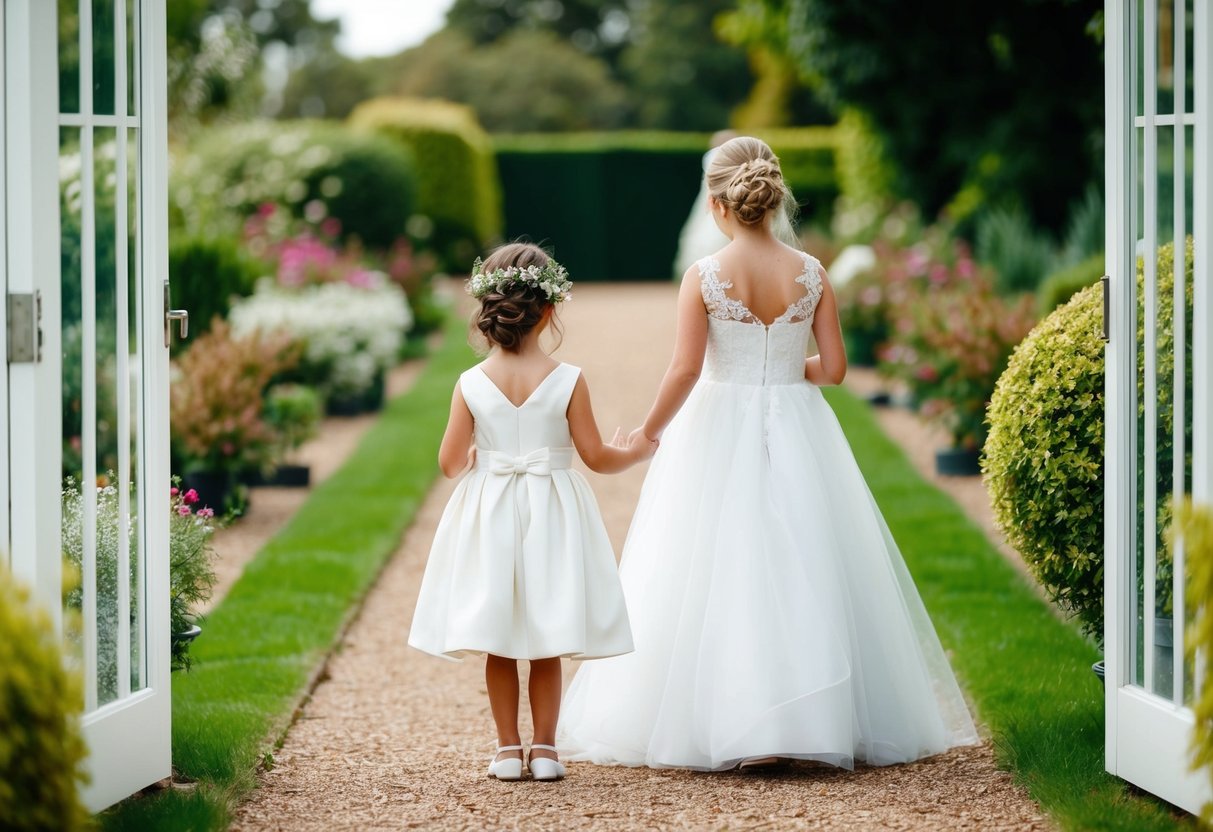
As you consider the roles of your bridal party, remember that the flower girl can add a lovely touch of innocence and joy. While the bridesmaids walk in a coordinated style, the flower girl’s entrance can be more whimsical, whether she carries petals, bubbles, or something unique to your theme.
Knowing who goes first can help clarify your plans. This small detail sets the tone for your special day and ensures that everything flows smoothly during the ceremony.
Understanding the Wedding Processional
The wedding processional sets the stage for the ceremony, focusing on the order in which key participants enter. It includes various roles that add significance to the event. Knowing the roles and the order can help you plan a smoother ceremony.
The Role of the Wedding Party
In the wedding party, each member has a special role. The bridesmaids and groomsmen are typically the first to enter, guiding the guests into the ceremony. They help create a beautiful atmosphere and support the couple.
Flower girls follow the bridesmaids. Their job is often to charm the guests and add playful energy. They may carry flowers or alternative items like bubbles.
Next, the ring bearer usually walks down the aisle carrying the wedding rings, adding a touch of innocence and joy.
Finally, the maid of honor and best man take their place near the couple, ready to provide support throughout the ceremony. The parents of the bride and groom might be involved at different points, often escorted to their seats before the ceremony starts.
Order of Entrance Explained
The traditional wedding processional order typically flows like this:
- Bridesmaids and Groomsmen: They enter first, setting the mood.
- Flower Girl: Follows the last bridesmaid, carrying flowers or a special item.
- Ring Bearer: Enters next with the wedding rings.
- Maid of Honor: Takes a prominent position before the bride.
- Best Man: Supports the groom, entering alongside the couple.
Finally, the bride walks in, often escorted by either or both parents, marking a significant moment in the ceremony. It’s essential to communicate with your wedding party, so everyone knows their role and the timing, ensuring a joyful experience for all.
Specific Traditions in Wedding Processionals
Weddings often include unique traditions that guide how the ceremony begins. Each cultural or religious background has its own customs. Understanding these can help you plan a procession that feels meaningful.
Christian Wedding Traditions
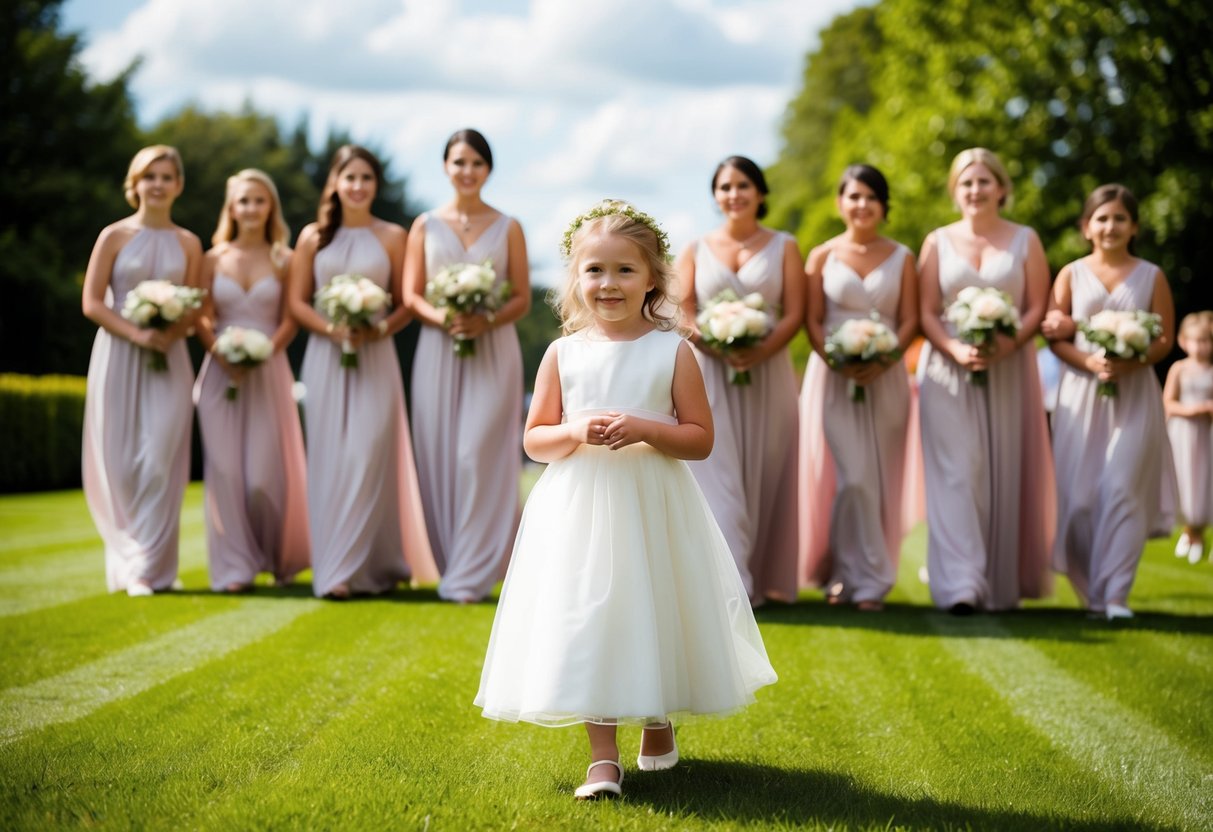
In a typical Christian wedding, the order of the procession usually starts with the bridesmaids, followed by the flower girl. The bride enters last, symbolizing her importance.
The officiant may stand at the front, often a priest or pastor. The wedding party walks down the aisle, often to music that suits the couple’s style. In some traditions, the best man walks in just before the groom, closely followed by the ring bearer.
Christian ceremonies can vary, but this order creates a dramatic buildup for the bride’s entrance, highlighting her special moment.
Jewish Wedding Traditions
In Jewish weddings, the tradition begins with a processional led by both sets of parents. The bride typically enters next, often under a beautiful chuppah, which is a canopy that represents the couple’s new home.
The groom may be escorted by his parents and will stand at the chuppah, ready to meet his bride. A rabbi or cantor usually leads the ceremony, guiding guests through rituals. The order can be quite specific, reflecting the couple’s heritage and community, making each aspect deeply personal.
Hindu Wedding Traditions
Hindu weddings are vibrant and colorful, with a processional that can include various rituals. The groom often arrives first in a celebratory procession called baraat, which features music and dancing.
Once the groom takes his place near a mandap, the bride walks in, often accompanied by her family. They may perform a ritual called kanyadaan, where the father gives away the bride. This moment is filled with emotions and is central to the ceremony. Each step has significance, making it a heartfelt experience.
Nondenominational Wedding Traditions
Nondenominational weddings allow for more flexibility in the processional. Couples often combine elements from various traditions that reflect their personalities.
Typically, the bridesmaids walk first, followed by the flower girl. The officiant, who can be a close friend or family member, stands at the front. The bride’s entrance is significant, tailored to what feels right for the couple. Many choose meaningful music, creating an atmosphere that is both personal and memorable. This approach encourages creativity and individuality in how you express your love story.
The Lead-Up to the Wedding Ceremony
As your big day approaches, there are many details to manage, especially regarding how everyone will enter the ceremony. Knowing who goes first, especially between the flower girl and bridesmaids, is vital to the flow of your wedding processional.
Preparing the Procession
During the rehearsal, you will coordinate the order of your wedding procession. This ensures that everyone knows where to stand and when to walk.
Usually, the maid of honor leads the bridesmaids, while the flower girl typically follows right before the bride.
Choosing the right wedding processional song can create the perfect atmosphere. It can signal the beginning of the ceremony and set the mood for your special moment. Talk with your wedding planner to find a song that fits your style.
Roles of Junior Bridesmaids and Flower Girls
The roles of junior bridesmaids and flower girls should be defined early in the planning process.
Junior bridesmaids often follow the adult bridesmaids in the line-up, helping bridge the gap between childhood and adulthood.
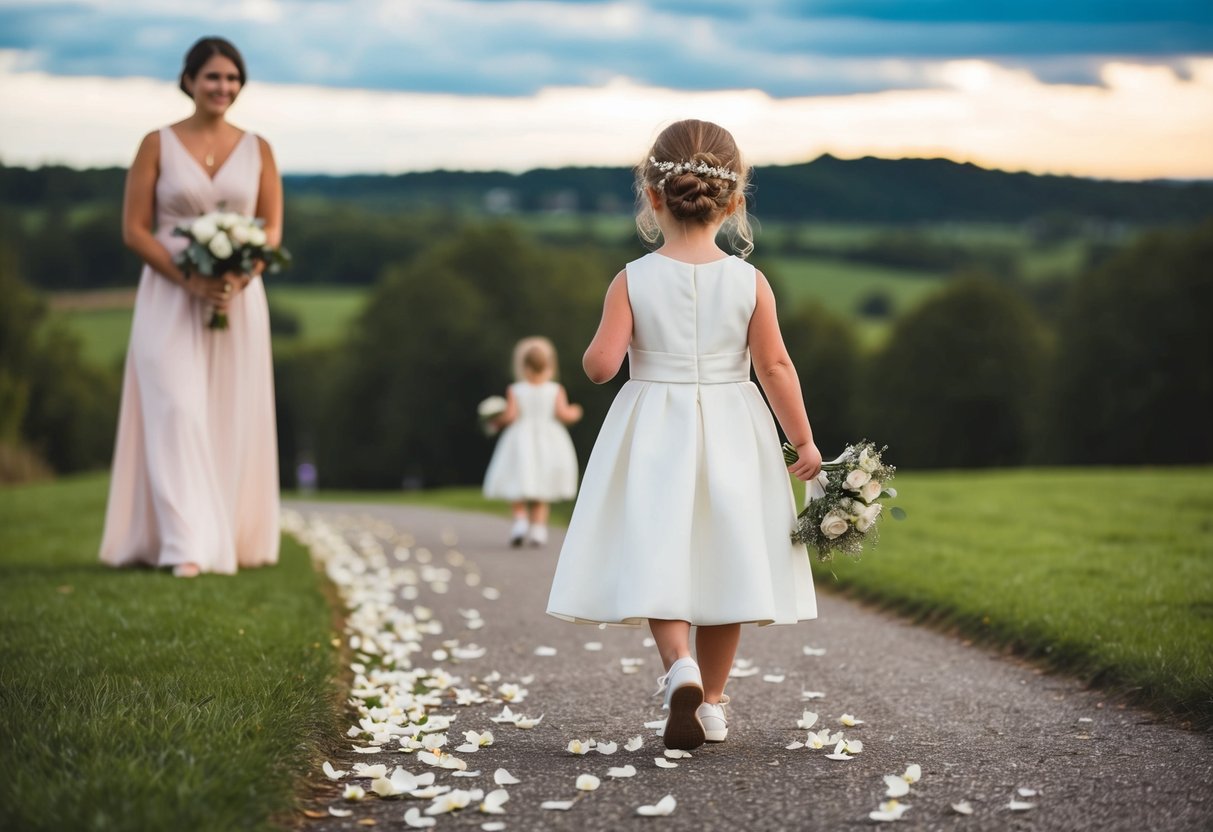
Meanwhile, flower girls bring a charming element to the ceremony. Their job is to walk down the aisle, sometimes scattering petals or carrying a small bouquet. This can add a sweet and festive touch. Make sure they feel comfortable during the rehearsal, so they know what to expect on the big day.
Ceremonial Process and Recessional
Understanding the order of individuals in the wedding ceremony and during the recessional is essential for a smooth and enjoyable experience. Each person plays a specific role, contributing to the beauty of the event.
The Ceremony Itself
The wedding ceremony begins with a structured processional.
Usually, you will see the grandparents of the bride and groom coming first, followed by the mother of the bride. Next, the groom enters, often with his parents right before him.
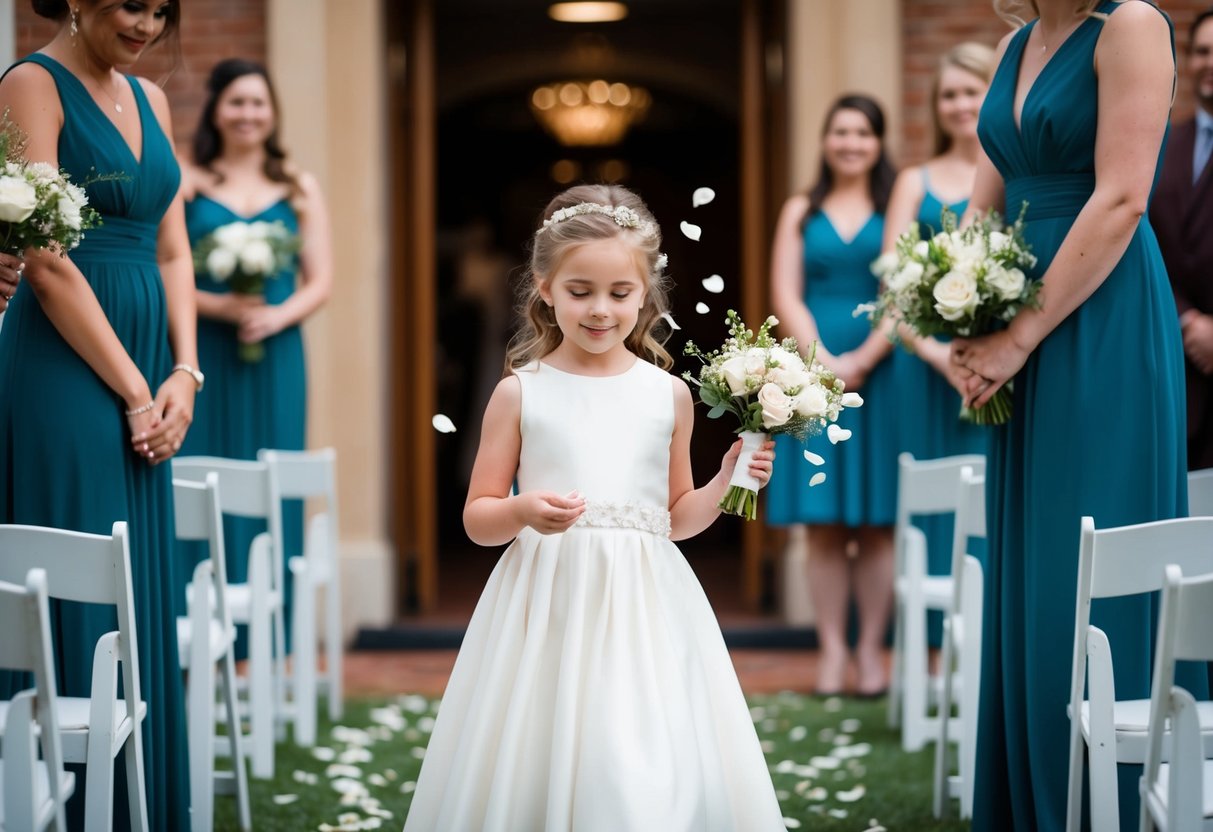
The bridesmaids follow, typically walking in pairs. The last to enter is usually the flower girl, who walks just before the bride. You may find that the flower girl carries a small bouquet or petals. This order helps to highlight the bride’s arrival, making it a special moment for everyone involved.
Exiting the Ceremony: The Recessional
Once the vows are exchanged, the recessional begins. This part has a different order and is a moment of celebration. The bride and groom exit first, often hand in hand.
Following them are the flower girl and ring bearer, bringing smiles to everyone’s faces. Next, the maid of honor and best man make their way out together.
The bridesmaids and groomsmen follow suit, typically in pairs. Your wedding officiant will then exit, along with the parents of the couple.
Finally, guests will leave at their own pace, moving on to the cocktail hour or reception to continue the festivities.