
Who Goes First: Maid of Honor or Flower Girl in a Wedding Procession?
When planning your wedding ceremony, you may wonder about the order of the procession, especially regarding the roles of the maid of honor and the flower girl. Typically, the flower girl walks down the aisle before the maid of honor. This arrangement helps set the scene as the ceremony begins and allows the flower girl to sprinkle petals or share a special moment before the bridal party follows.
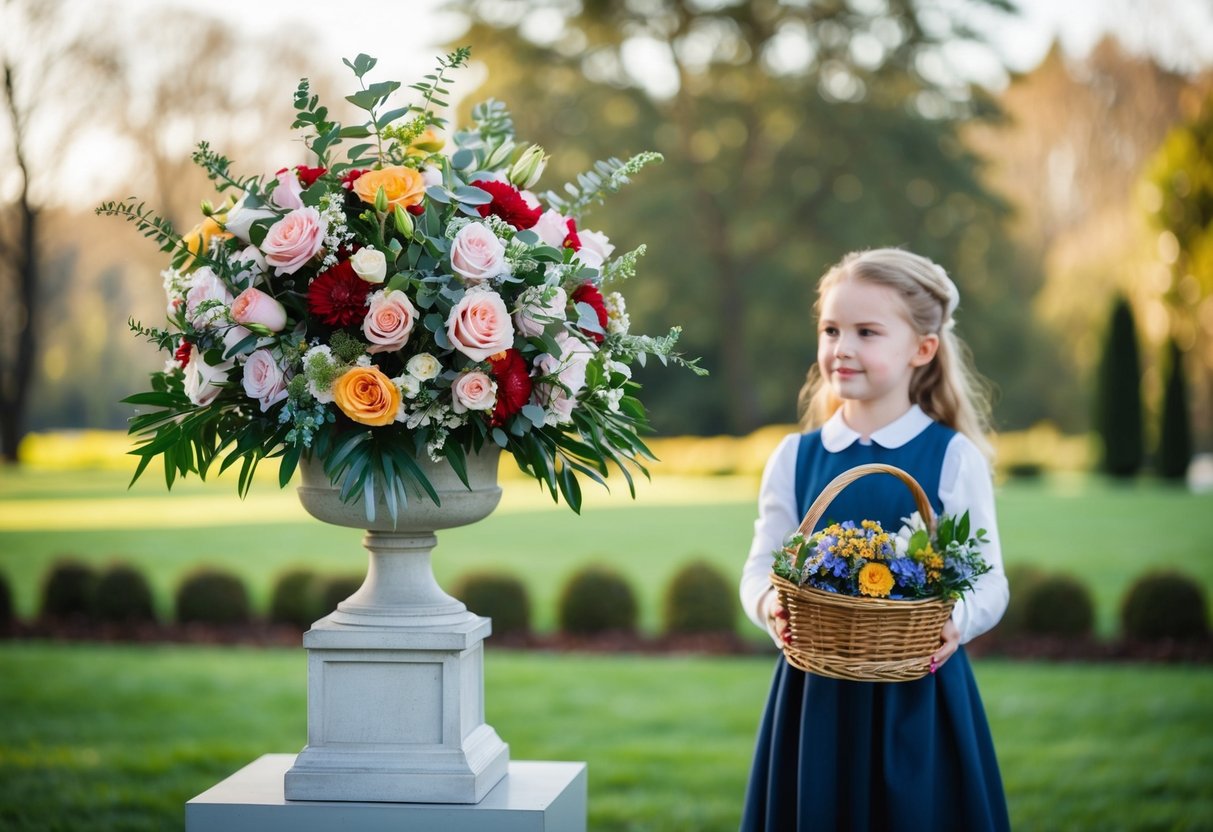
Understanding the wedding processional order can create a smooth and memorable experience for everyone involved. The flower girl often captures the hearts of guests with her charm, paving the way for the maid of honor, who follows closely behind. This setup not only adds to the excitement but also highlights the importance of each participant.
By knowing who goes first, you can better plan your ceremony and ensure that each member of your wedding party feels special on this important day.
Understanding the Wedding Processional
The wedding processional is an essential part of the ceremony, defining the order in which your wedding party walks down the aisle. Knowing the traditions for various cultures can help you decide how to plan your big day.
Traditional Christian Wedding Processional
In a traditional Christian wedding, the processional often begins with the grandparents, followed by the parents of the bride and groom. They walk down the aisle to signify their support.
Next, the groomsmen enter, often paired with bridesmaids. The best man follows, and then comes the maid of honor. The flower girl and ring bearer usually enter just before the bride.
Finally, the bride makes her grand entrance, often escorted by her father or another significant family member. This timing gives everyone a chance to focus on her special moment.
Jewish Wedding Processional
In a Jewish ceremony, the couple is often surrounded by family during the processional. The groom typically enters first, followed by his parents. Next, the bride enters with both her parents, symbolizing unity and support.
The couple often stands under the chuppah, an important element of Jewish weddings. After the couple is in place, the officiant may lead various rituals before beginning the ceremony.
Both sets of parents remain close by, highlighting the community aspect of the event. The wedding party usually consists of close friends and family, showing respect for tradition and family ties.
Hindu Wedding Processional
A Hindu wedding processional, called the Baraat, is quite festive. It starts with the groom’s arrival, often accompanied by family and friends dancing to music. This joyful entrance sets a celebratory tone for the ceremony.
The bride typically waits under a canopy for her turn. After the Baraat, she walks down the aisle, often flanked by her parents. This symbolizes her transition into a new family.
During the ceremony, rituals emphasize the connection between the couple and their families. Customizations may occur based on regional practices, showing the wealth of traditions within Hindu culture.
Nondenominational Wedding Processional
For a nondenominational wedding, there are no strict rules. You can decide how to create your unique processional. Typically, you start with the wedding party, beginning with parents and then the attendants.
Many couples opt for a personal touch, like having friends or family members participate. The maid of honor can come right before the bride, or you can choose to mix it up.
Finally, the bride’s entrance can be as traditional or modern as you like. The main goal is to reflect your personality and values while making the moment memorable.
Roles and Responsibilities in the Wedding Party
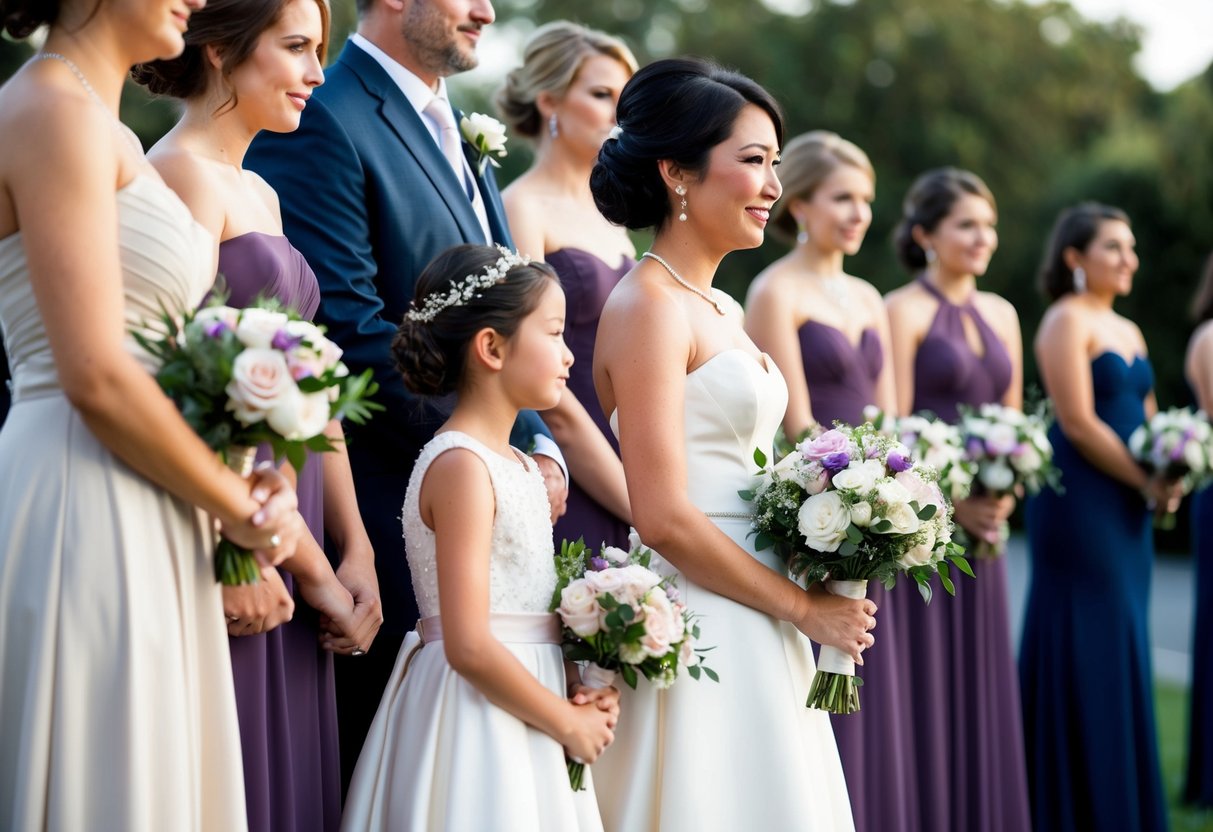
In a wedding, each member of the bridal party has special roles and responsibilities. Understanding these can help everything run smoothly and make the day more enjoyable for everyone involved.
The Maid of Honor and Matron of Honor
The Maid of Honor, often the bride’s closest friend or sister, plays a key role. She assists with planning events like the bridal shower and bachelorette party. On the wedding day, she helps the bride get ready, ensuring everything is perfect.
If there’s a Matron of Honor, she may take on similar duties if she is married. Both the Maid and Matron of Honor stand near the bride during the ceremony. They might also hold the bride’s bouquet when needed. Their support is essential, especially in managing the bridal party and ensuring everyone knows their roles.
The Role of Flower Girls
Flower girls add charm to the ceremony. Typically, they are young girls who walk down the aisle before the bride. Their job is to scatter flower petals or carry a small bouquet. This creates a lovely visual effect and sets a joyful tone.
While their duties are simple, they contribute greatly to the wedding’s atmosphere. You want to choose a flower girl who is comfortable in front of a crowd. Even young children can get nervous on this important day. It’s good to prepare them beforehand to make their role a fun experience.
The Ring Bearer’s Part in the Ceremony
The ring bearer is another special role in a wedding. This child, often dressed adorably, carries the wedding rings down the aisle. Some couples choose a small pillow for the rings, while others use a cute box.
It’s important that the ring bearer feels confident and knows what to do. Preparing them in advance can help avoid any mishaps. Just like the flower girl, their part might seem small, but it adds to the overall charm of the ceremony. You will want to ensure they understand the significance of their role in this special moment.
The Ceremony Processional Order
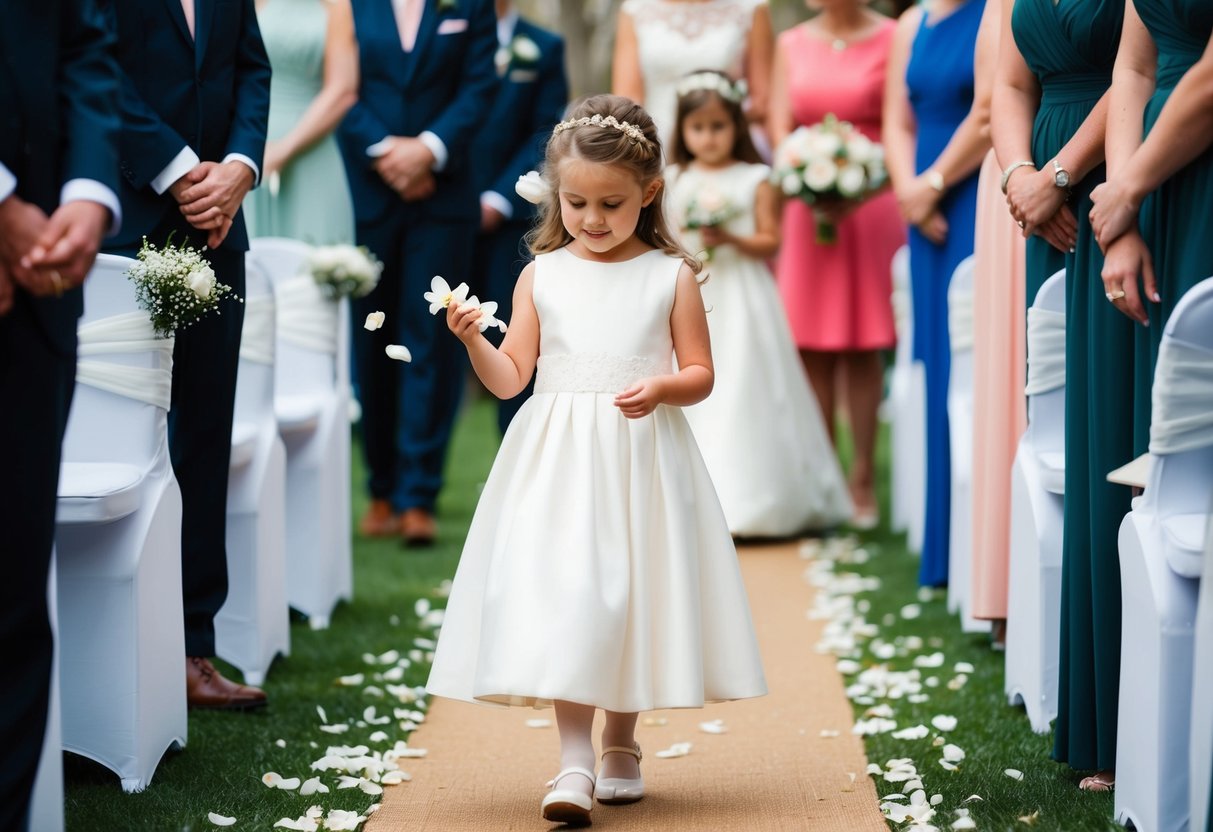
Understanding the ceremony processional order is key to planning a smooth wedding. Each part of the procession has its own role and timing, helping create memorable moments for you and your guests.
Sequence of the Processional
The wedding processional typically follows a set order, which can vary depending on the religious or cultural traditions. For a traditional Christian wedding, the order might be:
- Officiant: The ceremony usually begins with the officiant taking their place at the front.
- Groom and Best Man: Next, the groom and best man enter, often standing to the left of the officiant.
- Bridesmaids: After that, the bridesmaids walk down the aisle, often in pairs.
- Maid of Honor: The maid of honor walks alone, right before the bride.
- Flower Girl and Ring Bearer: The little ones typically follow, with the flower girl leading the way.
- Bride: Finally, the bride makes her grand entrance, often escorted by her parents.
Entering the Ceremony Venue
The way each person enters sets the mood for the ceremony. In a traditional Catholic wedding, for instance, the bride might come in last, while in a Jewish wedding, the couple often enters together under the chuppah.
For a Hindu ceremony, the groom traditionally processes in with his family, followed by the bridal party. Each culture has its own customs, but the goal remains the same: to create an unforgettable experience.
Unique Traditions and Variations
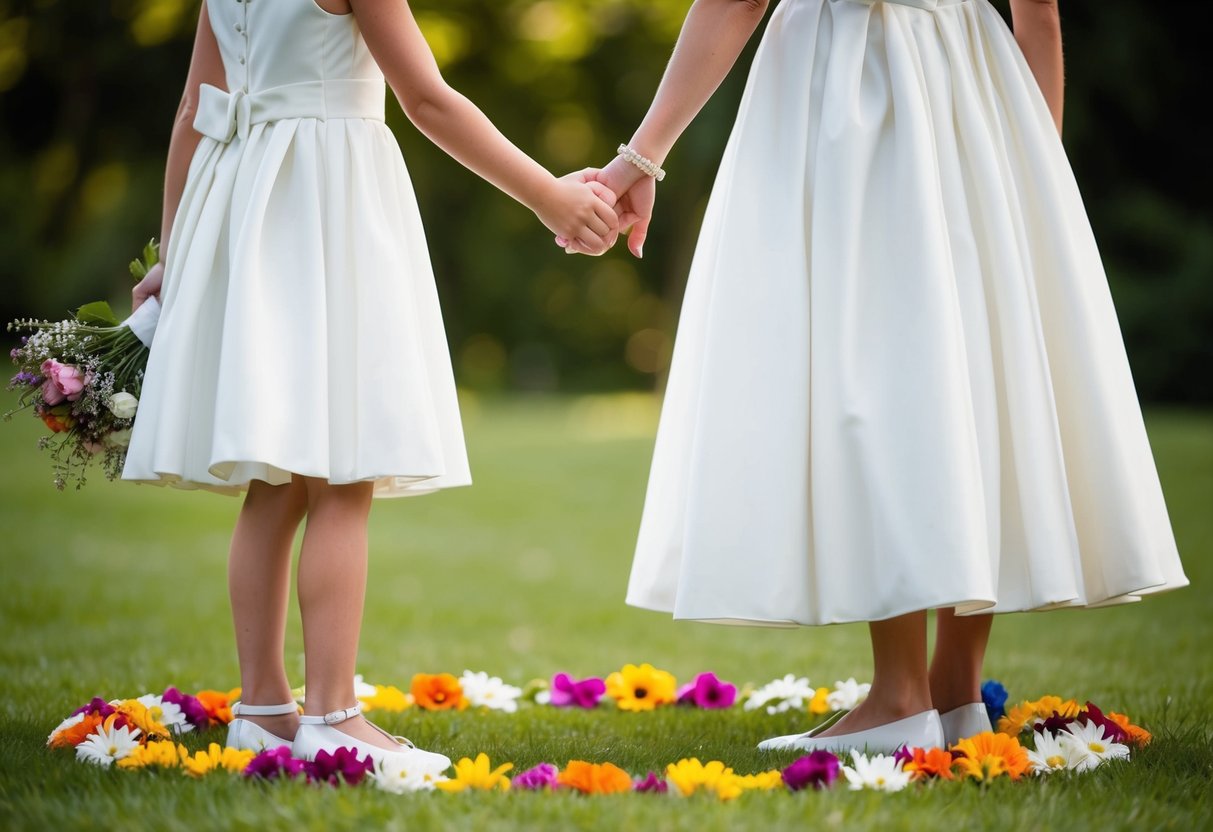
When planning your wedding processional, you might consider how different cultures influence the order of the procession. Unique traditions can add personal touches to your ceremony, making it more meaningful.
Cultural Influences on the Processional
Cultural traditions shape how the processional unfolds. For example, in a Jewish wedding, the ceremony often includes a chuppah, or wedding canopy. The bride and groom stand under it, surrounded by their closest family. The Christian wedding processional typically features the bridal party walking in a specific order, with the maid of honor often going last before the bride.
In contrast, a Hindu wedding processional may include the baraat, where the groom arrives on a decorated horse or in a lively parade with family and friends. Each culture has its own customs and significance, allowing you to choose what resonates with you.
Alternative Processional Styles
Many couples today are breaking from the traditional wedding processional. Some choose to mix things up by having the flower girl walk before the maid of honor. Others might opt for a more casual approach. This could include having friends or family walk together rather than in a strict order.
Another trend is including unique roles, like a “flower dude,” to replace a flower girl. This variation adds a fun twist to the ceremony. Keep in mind, the traditional wedding processional order can serve as a guide, but feel free to adapt it to suit your style.