
Who Goes First on Wedding Invitations? A Quick Guide to Invitation Etiquette
When it comes to wedding invitations, you might wonder about the order of names. Traditionally, the bride’s name goes first on wedding invitations, followed by the groom’s name. This practice has been rooted in history, where it was common for the bride’s family to host the wedding. Knowing this can help you stay true to tradition or choose to make your own unique decision.
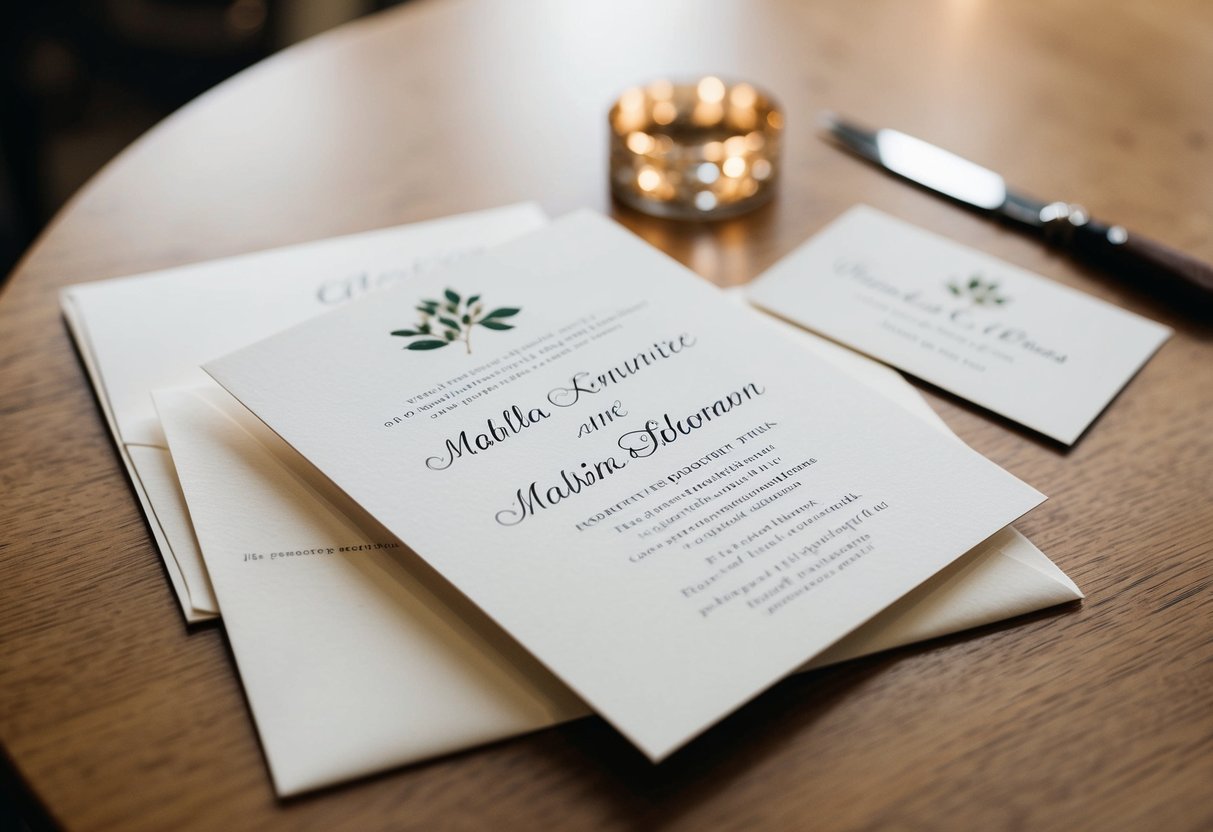
As you plan your special day, it’s important to reflect on how you want to represent yourselves as a couple. Whether you stick with tradition or decide on a different order, what’s key is to make the choice together. Your wedding invitation is a wonderful way to express the love and partnership you share.
Every couple has their own story, and that should shine through in your invitation. If you want to personalize it further, consider any cultural customs or family preferences that might influence your choice. With these thoughts in mind, you can feel excited about crafting the perfect invitation for your big day.
Understanding Wedding Invitation Etiquette

When planning your wedding, the order of names on invitations can create some questions. Knowing the difference between traditional and modern etiquette, respecting personal preferences, and understanding family dynamics can help you make the best choice.
Traditional vs Modern Invitation Etiquette
Traditionally, the bride’s name appears first on wedding invitations. This custom reflects historical beliefs about gender roles. For example, invitations might state “Mr. and Mrs. John Smith” to emphasize the groom’s name.
In contrast, modern etiquette is more flexible. Couples today have the freedom to choose the order based on personal preference. It can be the bride’s name first, the groom’s name, or even both names together. Same-sex couples can also decide how they want to present their names, reflecting their unique relationship style.
Importance of Respecting Personal Preferences
Respecting personal preferences is key in today’s wedding culture. Each couple has their own views on what feels right for them. This choice should reflect your personalities and relationship.
You can consider how each name sounds together. For example, “Emily and John” may flow better than “John and Emily.” It’s essential to discuss this with your partner openly. You can also think about how your decision may influence your guests’ perceptions. In some circles, specific traditions carry more weight, so it’s good to consider that, too.
The Role of Family and Relationship Dynamics
Family dynamics can play a big part in your invitation choices. Some families may have strong feelings about tradition. For instance, they may prefer the bride’s name to be first based on long-standing beliefs.
Relationship dynamics also affect decisions. If one partner feels strongly about using their name first, it’s crucial to have that conversation. The goal is to find a balance that respects both partners’ feelings and family pressures. Communication is key here, as being open can help ease any conflicts that may arise.
The Specifics of Addressing Invitations
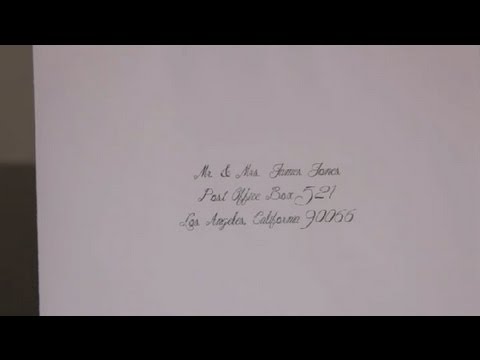
When addressing wedding invitations, it’s essential to follow certain guidelines to ensure clarity and respect for all guests. This includes determining whose name goes first, how to manage special cases like same-sex couples, and ensuring clarity with middle names and titles.
Determining Whose Name Goes First
Traditionally, the bride’s name appears first on wedding invitations. This custom honors common etiquette. For formal invitations, write “Mr. and Mrs. John Smith” or “Jane Doe and John Smith.”
If you prefer a more modern approach, especially for same-sex couples, you can opt for alphabetical order or let the couple decide based on personal preference. For example, “Jamie and Taylor” or “Alex and Morgan.” Using both names equally respects their relationship.
Managing Special Cases for Same-Sex Couples and Hyphenated Last Names
For same-sex couples, there’s flexibility in how names are presented. You can use alphabetical order to avoid any bias, such as “Chris and Jordan” or “Jordan and Chris.” It’s also helpful to ask the couple how they want to be addressed.
When dealing with hyphenated last names, include both names for formality. For example, “Anna-Lisa Peters-Smith and Brian Smith” keeps it clear. You can prioritize the couple’s preference as well, making sure the invitation reflects their wishes.
Ensuring Clarity with Middle Names and Titles
Using middle names can add formality and distinction to your invitations. If you choose to include middle names, ensure they are spelled out clearly. For example, write “Mr. James Robert Brown and Ms. Emily Jane White” to provide full names.
When it comes to titles, keep them consistent. Use “Ms.” or “Mr.” based on the preference of your guests. If someone prefers a different title, such as “Mx.” for non-binary guests, it’s respectful to accommodate that choice. Addressing guests correctly ensures everyone feels welcome and honored.
Critical Elements of Wedding Invitation Wording

When planning your wedding invitations, it’s important to include key details and choose appropriate wording. This will help set the tone for your special day and ensure your guests have all the information they need.
Incorporating Essential Wedding Details
Begin with the date and time of the ceremony. Be clear and specific to avoid any confusion. For example, you might write, “Join us on Saturday, June 12, 2025, at 4 PM.”
Next, include the location. List the venue name and full address so your guests can find it easily. You can format this as:
Venue Name
123 Wedding Lane
City, State, Zip Code
Don’t forget the names! In traditional weddings, the bride’s name typically goes first. This follows the etiquette that reflects family hosting.
To write your invitation wording, consider phrases like “request the honor of your presence” for formal events or “would love for you to join us” for casual weddings. This reflects the tone you want to convey.
Addressing Invitations for Different Wedding Types
For casual weddings, the wording can be more relaxed. For example, “Come celebrate with us!” can replace more formal phrases. This invites a sense of fun and friendliness.
For same-sex weddings, you have more freedom with how you address names. You can place either partner’s name first, and it’s perfectly acceptable to use both full names or just first names, depending on your preference.
When it comes to the reception line, make sure to include this on the invitation if you’re having one. Simply state, “Reception following the ceremony at [Venue Name].” This provides clarity for your guests and sets expectations for the day.
Additional Information to Include with Invitations
When planning your wedding, it’s important to include key details in your invitations. This helps your guests know what to expect.
1. Wedding Details:
Share the date, time, and venue. You can also consider adding directions or a map to help guests find their way.
2. Wedding Weekend:
If you have events like a welcome dinner or brunch, let guests know. This gives everyone a chance to join in the fun.
3. Hotel Welcome Bags:
If you’re providing welcome bags for those staying overnight, mention where they can pick them up. It makes their arrival special.
4. RSVP:
Include a clear way for guests to respond. Whether they respond via mail, email, or a wedding website, make it easy for them.
5. Dress Code:
Let your guests know what to wear. Whether it’s formal, semi-formal, or casual, it helps everyone dress appropriately.
6. Registry Information:
If you have a gift registry, include the details. You can suggest gifts or experiences that fit your style.
7. Open Communication:
Encourage your guests to reach out with any questions. Keeping the lines of communication open fosters a friendly atmosphere.
8. Inclusivity:
Consider how to be inclusive in your wording. This shows that everyone is welcome and celebrated.
9. Name Order:
Decide whose name goes first and stick with it. This reflects your unity as a couple.