
Who Hands the Ring to the Bride? Exploring Traditions and Roles in Wedding Ceremonies
When it comes to wedding traditions, the moment when the rings are exchanged is one of the most special. You might wonder, does the groom typically hand the wedding ring to the bride during the ceremony, symbolizing their love and commitment? This moment is often filled with emotion and marks a significant step in the couple’s journey together.
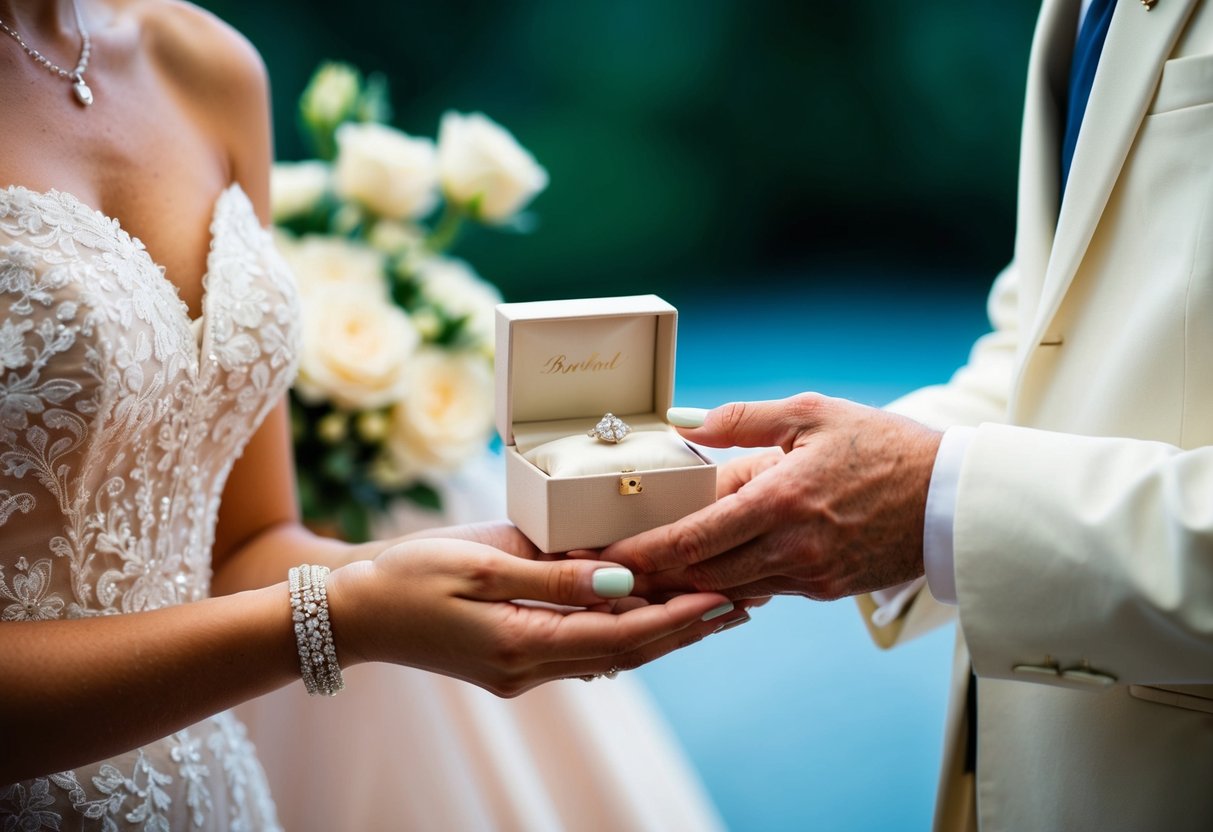
While many think of the groom and bride, roles can vary depending on personal choices and cultural practices. Some couples involve close family or friends to help with the rings, adding a personal touch to the ceremony. This can create a unique experience that reflects your relationship and values.
Understanding who hands the ring to the bride can enhance your wedding planning experience. As you prepare for your big day, knowing these details helps ensure that every moment is meaningful and memorable.
The Role of Rings in Wedding Ceremonies
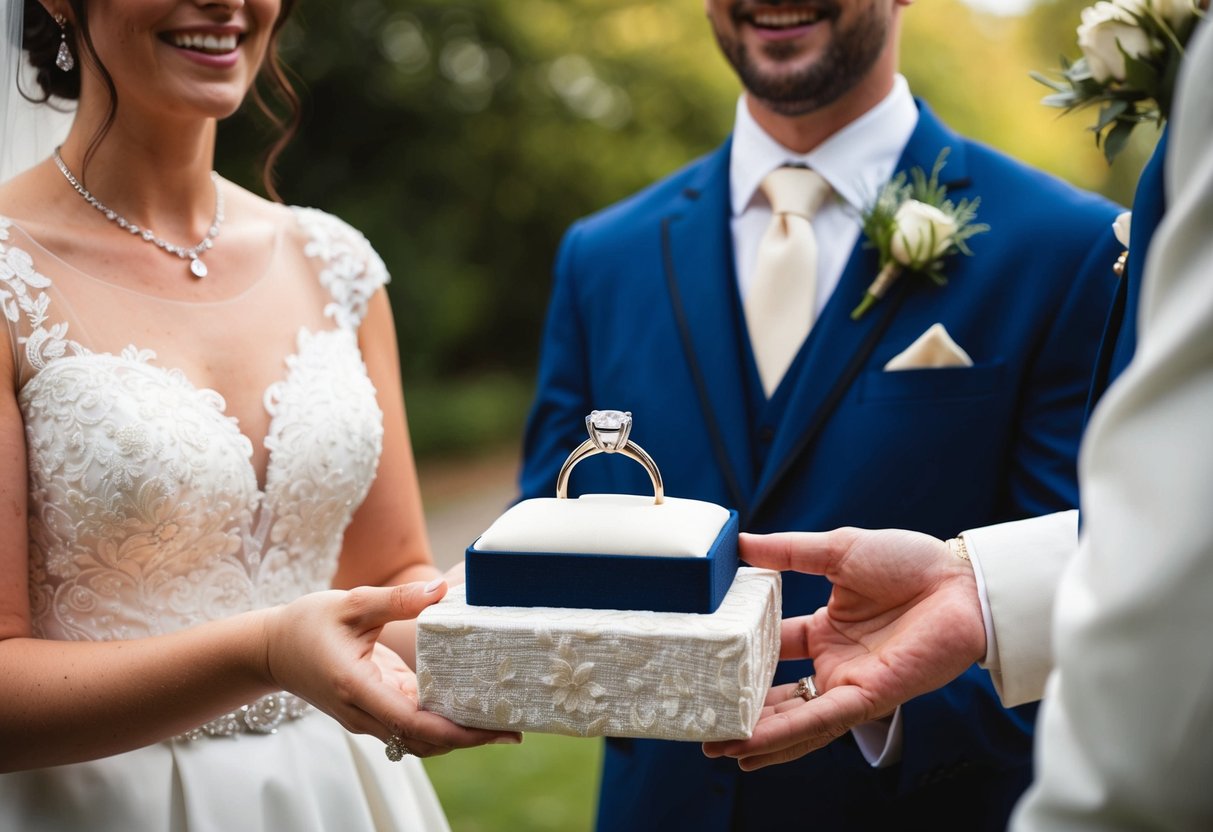
In wedding ceremonies, rings play a crucial part in symbolizing commitment and love. The traditions surrounding rings encompass their meaning, historical context, and how they fit into modern weddings. Here’s a closer look at these key aspects.
Symbolism of Wedding Rings
Wedding rings symbolize a bond between partners. The circle shape represents eternity, with no beginning or end, highlighting the everlasting nature of love.
When choosing your wedding rings, consider what symbols resonate with you. Many couples opt for designs that reflect personal stories or shared values.
Engagement rings also hold significance. Often given during a proposal, they symbolize the promise of a future together. This ring usually features a prominent gem, making it distinct from the wedding band, which is often simpler.
Historical Significance of Wedding Bands
The tradition of exchanging wedding bands dates back to ancient Egypt. Egyptians believed that the ring symbolized a connection between lovers, often worn on the fourth finger, thought to have a vein leading to the heart.
Throughout history, different cultures have adopted their unique practices. For instance, in some countries, couples wear their rings on the right hand rather than the left.
As cultures evolved, so did the materials used for wedding bands. While gold remains the most popular choice, many now explore alternatives like platinum or even bespoke designs from a local jewelry designer.
Modern Interpretations and Choices
In modern weddings, you have the freedom to explore various styles and materials when selecting wedding rings. Many couples express personal style through their choices.
Trends include vintage designs, mixed metals, and even unique gemstones. Custom bands can incorporate personal features or engravings, making them truly one-of-a-kind.
As you navigate this process, think about how your choices represent your love story and lifestyle. This selection is an opportunity to showcase your tastes and values while honoring the significance of the rings themselves.
Participants of the Ring Exchange
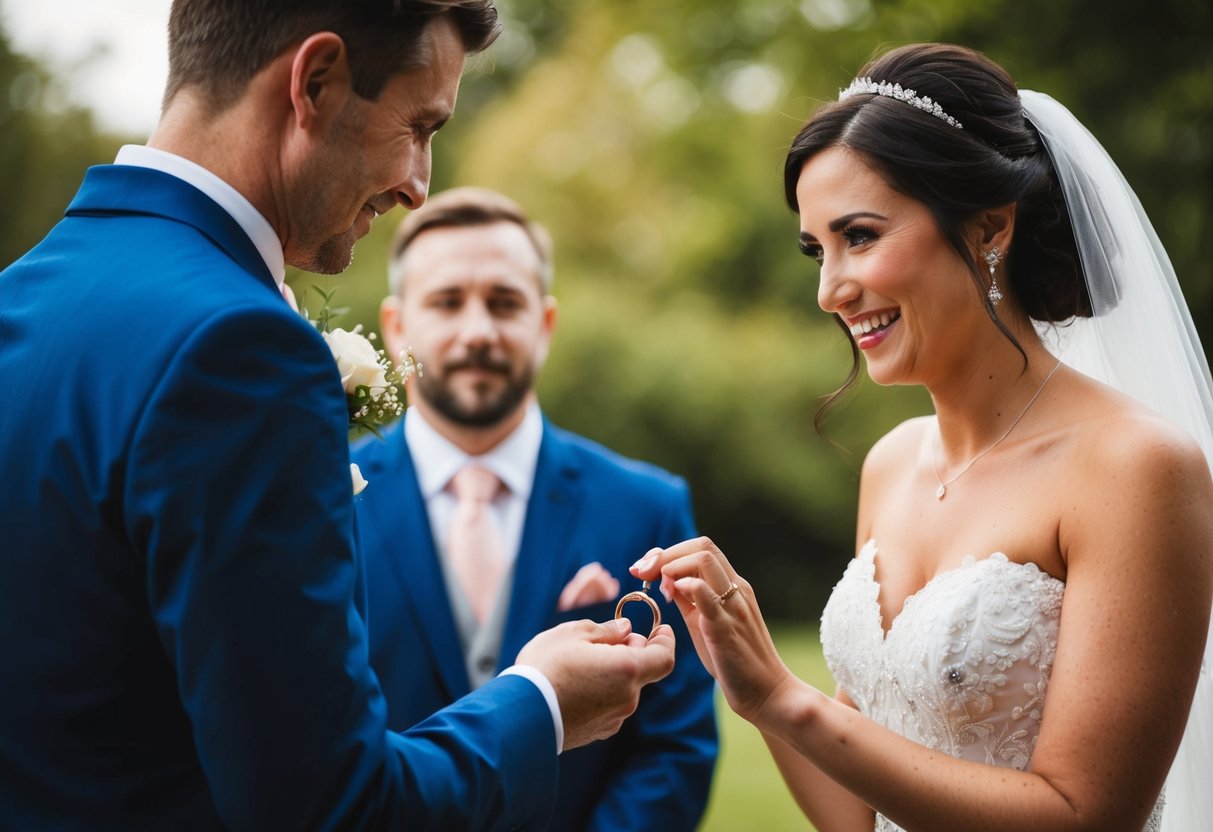
During the ring exchange at your wedding, several key individuals play important roles in making this moment special. Each participant has specific duties, ensuring everything goes smoothly and meaningfully.
The Ring Bearer’s Role
The ring bearer is often a young child, typically a nephew or cousin. This little one has a big job! They usually carry the rings down the aisle in a small pillow, box, or even a unique holder.
As they walk, the focus shifts to them, creating an adorable moment. Be sure to choose a ring bearer who feels comfortable in front of a crowd. This way, they can confidently deliver the rings to you or the officiant without any issues.
Duties of the Best Man and Maid of Honor
The best man and maid of honor are your closest friends or family, and they play crucial parts in the ring exchange. The best man often holds the bride’s ring until it’s time to switch. At the appropriate moment, he will present it to the groom.
Meanwhile, the maid of honor usually has the groom’s ring, ready to hand it over. Both roles require reliability and attention to detail. When selecting these roles, think about who can handle responsibilities well, as you’ll want them to keep the focus where it should be—on you and your partner.
The Involvement of Officiant and Close Family
The officiant leads the ceremony, guiding everyone through the vows and ring exchange smoothly. They ensure the moment feels special and meaningful.
Close family members can also add a personal touch. Sometimes, a family member may place the rings in the hands of the best man or maid of honor. This added involvement highlights family bonds during this pivotal moment in your wedding.
Conducting the Ring Exchange Ceremony
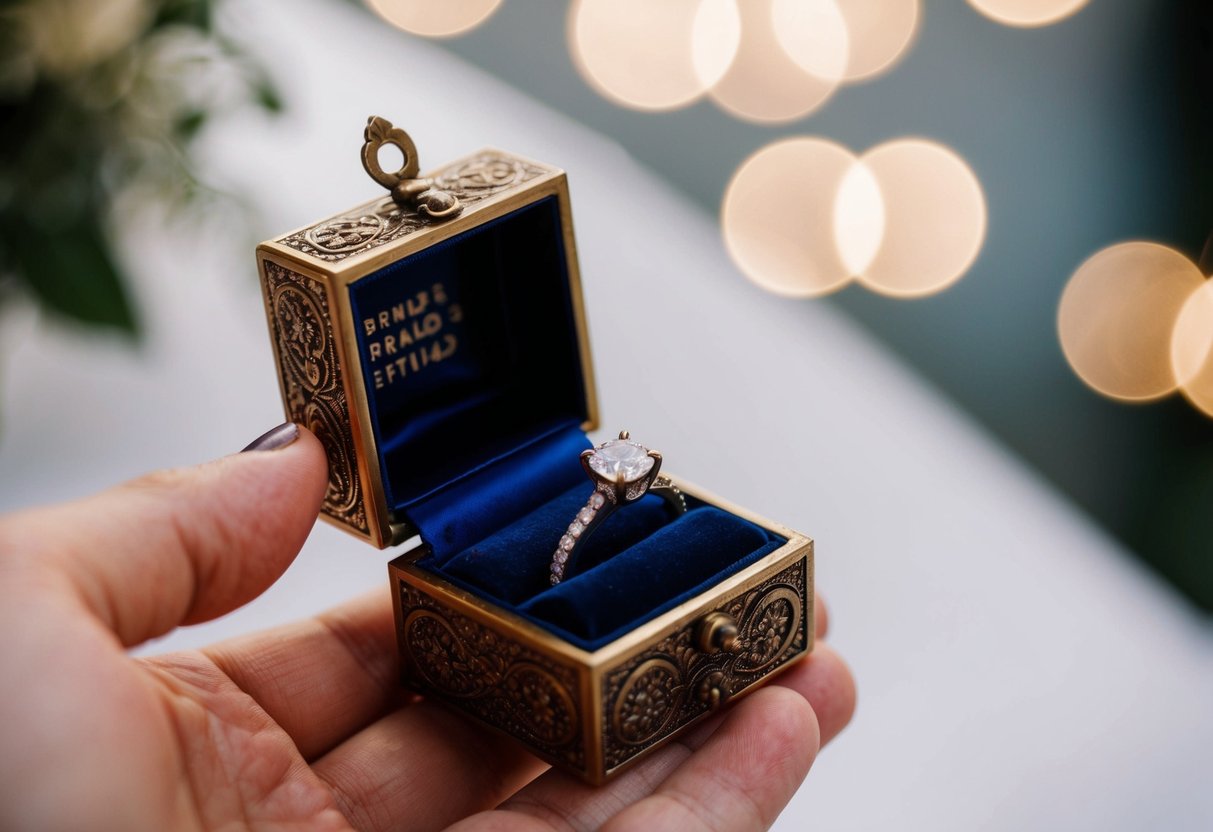
The ring exchange is a pivotal moment in the wedding ceremony. This part symbolizes commitment and love between you and your partner. Knowing how the ring exchange works can make this moment even more special.
The Wedding Ceremony Order
In a traditional wedding ceremony, the ring exchange usually occurs after the couple has exchanged vows. Typically, the officiant will guide you through this process.
You can choose who holds the rings. Often, the best man or maid of honor keeps them safe until it’s time for the exchange. This adds a personal touch to the ceremony.
After vows are said, the officiant prompts you to exchange rings, often with a meaningful phrase. This structured order helps keep the ceremony flowing smoothly.
Unique Rituals and Customs
Many cultures have unique rituals surrounding the ring exchange. For example, in some traditions, you may have a simultaneous ring exchange. This is when both partners place their rings on each other’s fingers at the same time.
Other customs include incorporating additional elements like handfasting or using symbolic items that represent your love. These unique rituals can add depth to your ceremony.
Choosing a custom that resonates with you can make the ring exchange feel even more personal and significant.
Exchanging Vows and Rings
The exchange of wedding rings is often done right after the vows. This is a powerful moment as you openly declare your love and commitment.
As you place the ring on your partner’s finger, you might say something heartfelt. Common phrases include “I give you this ring as a sign of my love.”
After you exchange rings, it’s also nice to take a moment to look into each other’s eyes. This deepens the emotional connection of the moment.
Feel free to personalize this part with meaningful words that reflect your relationship. Making the moment uniquely yours will leave a lasting impression.
Wedding Ring Etiquette and Traditions
Wedding ring etiquette and traditions play a crucial role in your special day. They reflect love, commitment, and the promises made between partners. Understanding these customs helps you feel more connected to your ceremony.
Proper Placement of the Rings
The placement of rings holds significant meaning. Traditionally, the bride’s ring is placed on her left ring finger, believed to be connected to the heart. If you have an engagement ring, it’s common to move it to your right hand during the ceremony. This allows the wedding band to sit closest to your heart.
After the vows, you can stack the engagement ring on top of the wedding band. This reflects a deep commitment and symbolizes your eternal bond. A simple rule is to make sure the wedding band is placed first, followed by the engagement ring.
Cultural Variations and Traditions
Wedding ring customs vary across cultures. In many Western cultures, the groom typically places the ring on the bride first. This act symbolizes his promise of love and protection.
In some cultures, the bride may receive her ring first. For instance, certain Eastern traditions celebrate a more balanced approach to gifting and receiving rings. Meanwhile, in other places, rings are exchanged without a fixed order, focusing on the love and commitment shared.
Understanding these differences can enhance your appreciation of the ceremony. It’s essential to choose what feels right for you and your partner, respecting your heritage and preferences.
Commitment Beyond the Ceremony
The exchange of rings represents more than just a ceremony. It’s a promise of fidelity and a commitment to a shared future.
As you wear your ring, it serves as a constant reminder of your love and the promises made to one another.
Many couples choose to personalize their rings with engravings that hold special meaning or symbols of their relationship. This small touch can make your ring even more personal.
The act of gifting and wearing a ring embodies mutual commitment. It’s a beautiful way to express your love and dedication to each other, long after the wedding day is over.