
Who Holds Rings During a Wedding Ceremony? Understanding the Roles That Matter
Choosing who holds the wedding rings during the ceremony is an important decision that you should consider carefully. Traditionally, the best man holds both rings until the moment of the ring exchange. This role is significant, as it symbolizes trust and responsibility on your big day. You might also think about having the Maid of Honor or another trusted friend handle this special task.
Involving family members can add meaningful depth to your ceremony. Whether it’s a parent, sibling, or close relative, their participation can enhance the emotional significance of the moment.
As you plan, think about who feels right to play this essential part in your wedding day.
The ring exchange is one of the most cherished moments of the ceremony, marking the commitment you are making to each other. This simple act carries a lot of meaning and can be personalized to reflect your unique love story. Choosing the right person to hold the rings will help make this moment even more special.
The Role of the Ring Bearer
The ring bearer plays a special part in the wedding ceremony. This role adds charm and a personal touch to the event. Understanding their duties and selecting the right person for this task is essential for a smooth ceremony.
Understanding the Ring Bearer’s Duties
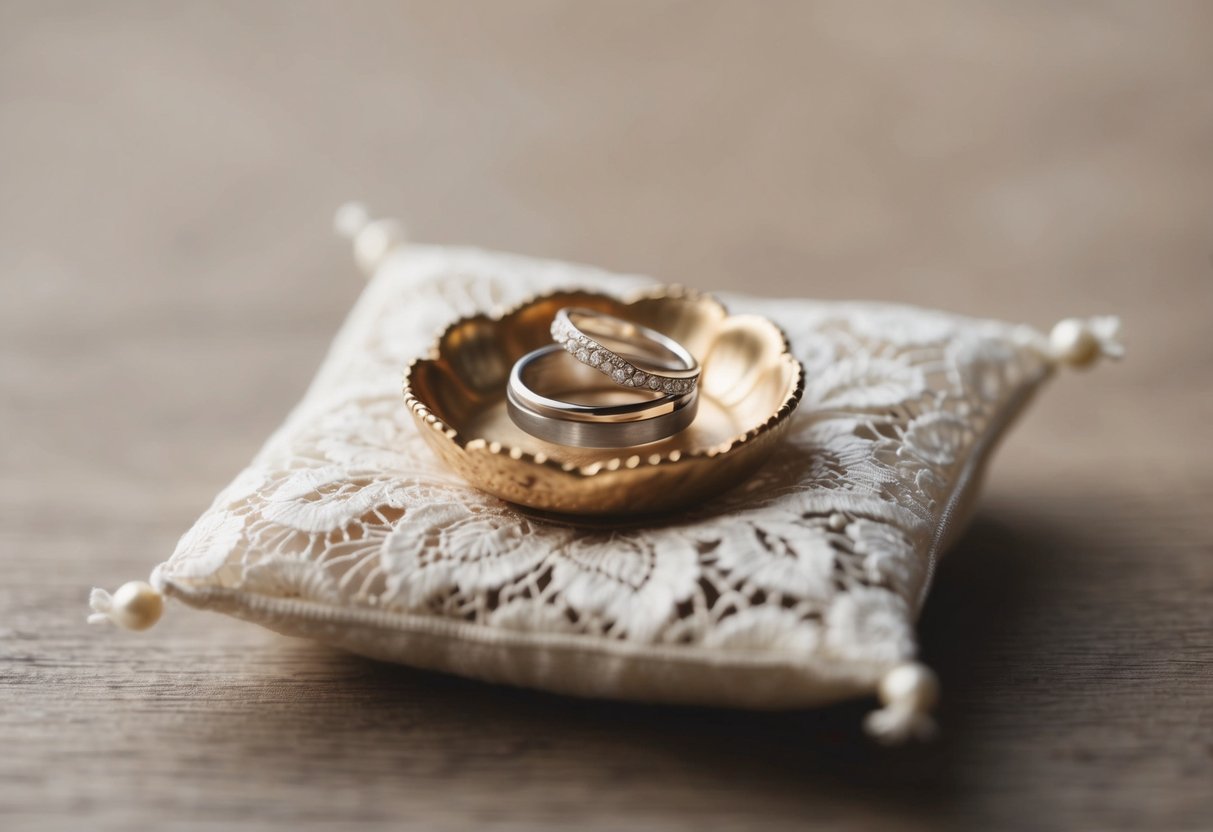
The ring bearer is responsible for carrying the wedding rings down the aisle. This typically happens during the wedding procession. Often, the rings are placed on a decorative pillow, which the ring bearer holds with care.
Once at the altar, they hand the rings to either the officiant or the best man. Depending on their age and comfort level, they might stand at the altar with the wedding party or sit with their parents. This role is significant, as it symbolizes the couple’s commitment to each other.
Selecting the Right Ring Bearer
Choosing a ring bearer can be a delightful process. Often, couples select a family member or close friend, usually a child, such as a nephew or niece.
It’s important to consider the child’s age and comfort in front of a crowd. Age considerations are key. A younger child might need more support, so having a familiar adult nearby can help.
A trustworthy individual should be chosen to ensure the rings are safe and the task is handled well. In some cases, couples may decide to have a flower girl act as a dual role, carrying flowers and possibly the rings. Regardless of your choice, make sure this person feels special and included in your big day.
Ceremonial Aspects and Logistics
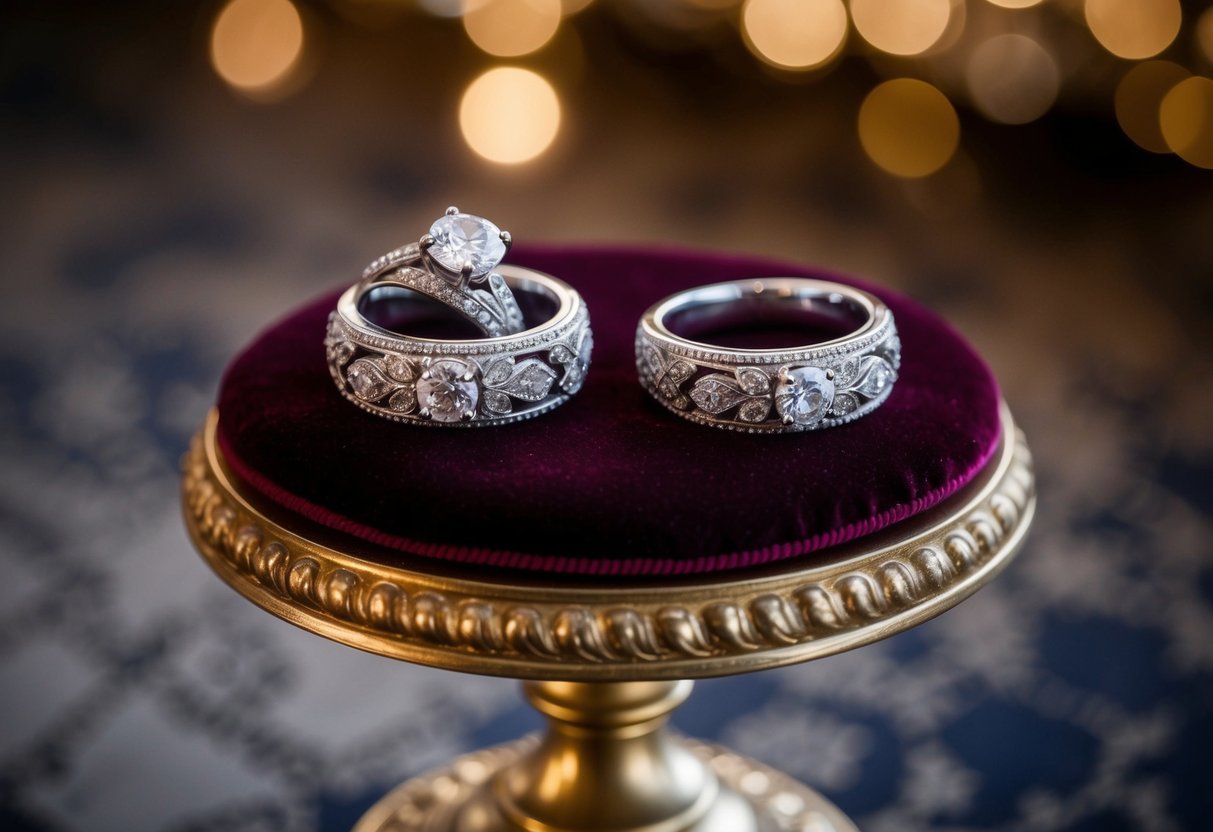
When planning your wedding ceremony, it’s essential to consider how the rings will be secured and presented. Understanding the logistics of the ring exchange can enhance the experience for you and your guests.
Ring Safekeeping and Presentation
You have a few options for who will hold the rings during your ceremony. The most common choice is the Best Man, but you can ask the Maid of Honor or another trusted person too.
Many couples also like to use a decorative ring pillow or a beautiful ring box for added flair. The ring bearer can then carry the pillow or box down the aisle. This adds a special touch and makes the moment feel even more memorable.
Make sure to communicate clearly with your ring holder about their responsibilities. Let them know when to present the rings to the officiant, as this is a crucial moment in your ceremony.
The Process of the Ring Exchange
During the ring exchange, the officiant typically guides this part of the ceremony. You will each take turns placing the wedding bands on each other’s fingers.
It’s important to practice this so it flows smoothly on the big day. You may want to memorize any vows or phrases you’ll say as you exchange the rings.
Consider adding a personal touch, such as a short story about each ring or a brief mention of its significance. Your engagement ring and wedding band together represent your love and commitment, so make the moment heartfelt.
Variations in Wedding Traditions
Wedding traditions can vary greatly from culture to culture and even from one couple to another. Understanding these differences can help you make informed decisions for your own ceremony. Here are some key aspects to consider regarding who holds the rings during weddings.
Cultural and Modern Adaptations
In many cultures, the role of the ring bearer is often filled by a young child, symbolizing innocence and joy. For example, in Indian weddings, rings may be exchanged among family members before the main event. This highlights the importance of family and tradition in these ceremonies.
Modern weddings have shifted to include various adaptations. Couples may choose friends or other meaningful people to fill this role. Additionally, some opt for personalized ring holders, like pets or creative props, to reflect their unique style.
Unique Ring Bearing Practices
Some cultures have unique practices for handling wedding rings. For instance, certain African traditions exchange rings as part of a series of gifts that symbolize love and commitment. This approach emphasizes community involvement in the union.
You can also explore alternative options to make your ceremony special. Using a decorative box or pillow for the rings can add a personal touch. Creative practices like having a special song play while the ring bearer walks down the aisle can enhance the moment, making it memorable for everyone involved.