
Who Holds the Ring for the Bride? Understanding the Role in Wedding Traditions
When planning your wedding, you might wonder, the Maid of Honor or the Best Man typically holds the bride’s ring. This choice often depends on tradition and personal preference. The wedding rings carry great significance, representing your commitment to each other, making it essential to choose someone you trust to keep them safe during the ceremony.
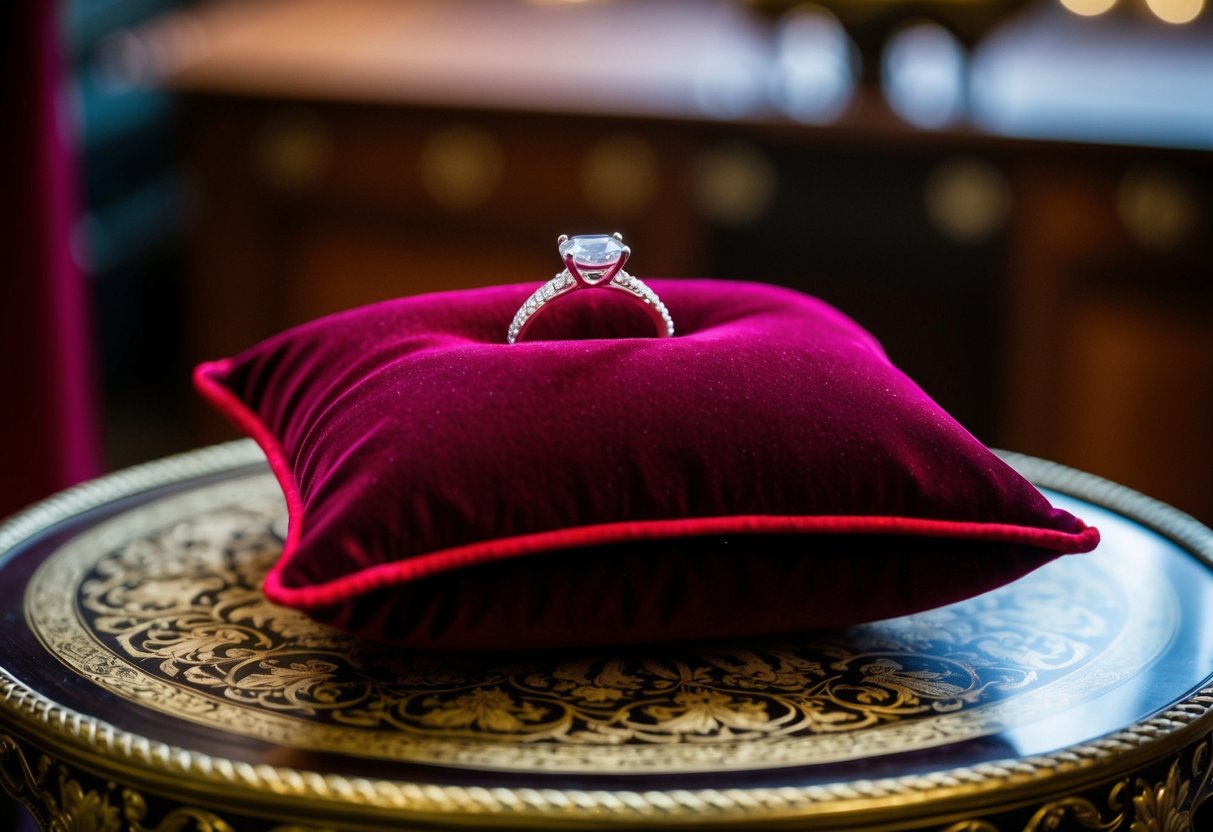
Traditionally, the rings are passed during the exchange of vows, and the person holding them plays a key role in this meaningful moment. You can also consider having a ring bearer, which is usually a child in the bridal party, adding a charming touch to your ceremony. Who you choose can reflect the bond and support you feel from your closest friends or family members.
Understanding these roles allows you to make your ceremony personal and special. As you prepare for this important day, choosing someone to hold the rings can enhance the experience and make your wedding even more memorable.
Roles and Responsibilities
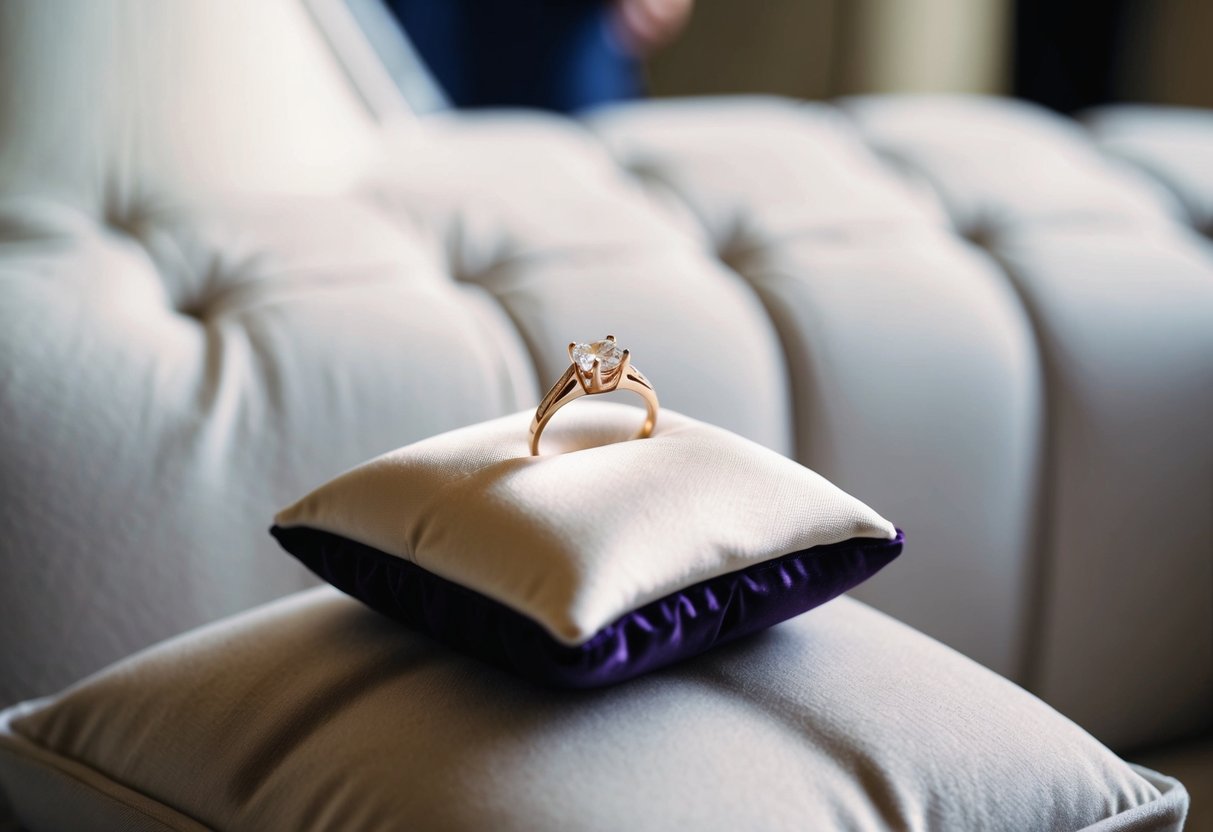
In a wedding ceremony, sharing responsibilities creates a smooth flow during the ring exchange. Key roles involve the ring bearer, the best man, the maid of honor, and close family members, each contributing to this special moment.
The Ring Bearer: A Tradition of Innocence
The ring bearer is often a young child who adds a touch of innocence and charm to the ceremony. Traditionally, this role involves carrying the wedding rings down the aisle on a small cushion or pillow.
It’s a significant moment as they represent the couple’s first step into their new life together.
A cute, well-prepared ring bearer can keep guests smiling and set a joyful tone for the day. The rings are usually kept safely by the best man until it’s time for the exchange.
The Best Man and Maid of Honor: Pillars of Support
The best man and maid of honor are vital to the wedding. They not only support the couple but also help manage the rings during the ceremony.
Usually, the best man holds the groom’s ring while the maid of honor takes care of the bride’s ring.
This arrangement allows for a seamless exchange when vows are made.
Both roles require trust, organization, and a calm demeanor to help ease any wedding day jitters.
These two play an essential part in the ceremony’s success, sharing personal style and joy with your loved ones.
Family Members: Involving Loved Ones
Including family members in the ring-holding role can enhance the ceremony’s emotional impact. Often, a close family member, like a sibling or cousin, is designated to hold the rings.
This involvement shows the couple’s gratitude and honors family connections.
Different cultures have unique customs that influence these roles, reflecting their values and traditions.
When you choose family members for this task, it can strengthen bonds and highlight the importance of sharing the wedding day with loved ones, enhancing the overall experience.
Ceremonial Considerations
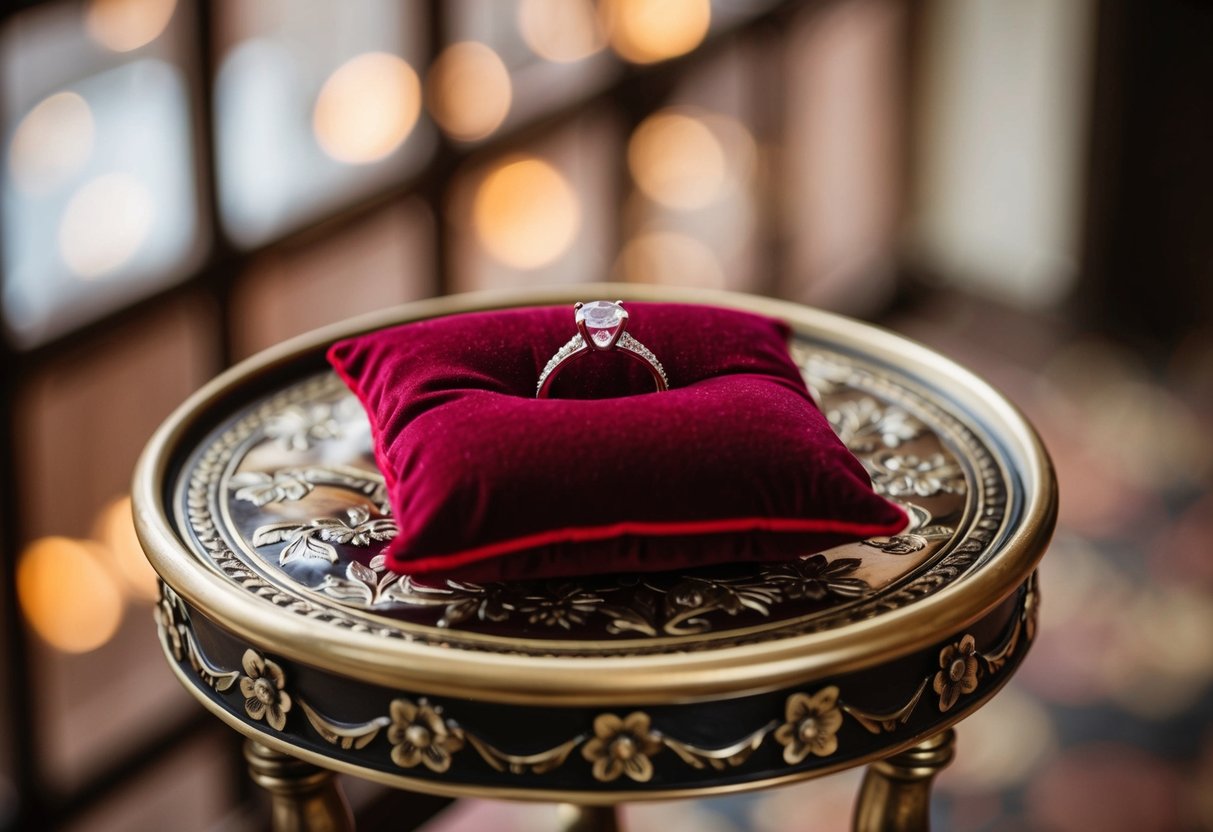
When planning your wedding, it’s important to think about who holds the rings and how they will be presented. From the order of the ceremony to the choice of a ring holder, these details can enhance the experience.
Sequence of the Ceremony
The sequence of your wedding ceremony usually includes the exchange of rings at a specific moment. Typically, this occurs after you say your vows. Your wedding officiant will guide you through this process.
Before the exchange, the ring holder needs to be ready. This person will present the rings to the officiant. Many couples choose a ring pillow or a decorative box for this purpose. It can add a special touch to the ritual.
Creating a seamless flow during this part of the ceremony enhances the emotional moment. Ensuring that your ring holder understands their role is crucial to avoid any mishaps during such an important time.
Choosing a Ring Holder
Selecting a ring holder is a personal decision. You might choose a trusted friend, a close family member, or even a child, known as a ring bearer. This individual should feel comfortable in front of the guests and understand their role.
Personalization can also play a key part here. You can choose a ring pillow that matches your wedding colors or a decorative box with your initials. Keep practical considerations in mind, too. The ring holder should be reliable to prevent any last-minute surprises during the ceremony.
As you plan this detail, think about your wedding vibe and who might make this moment even more memorable for you.
Cultural and Personal Touches
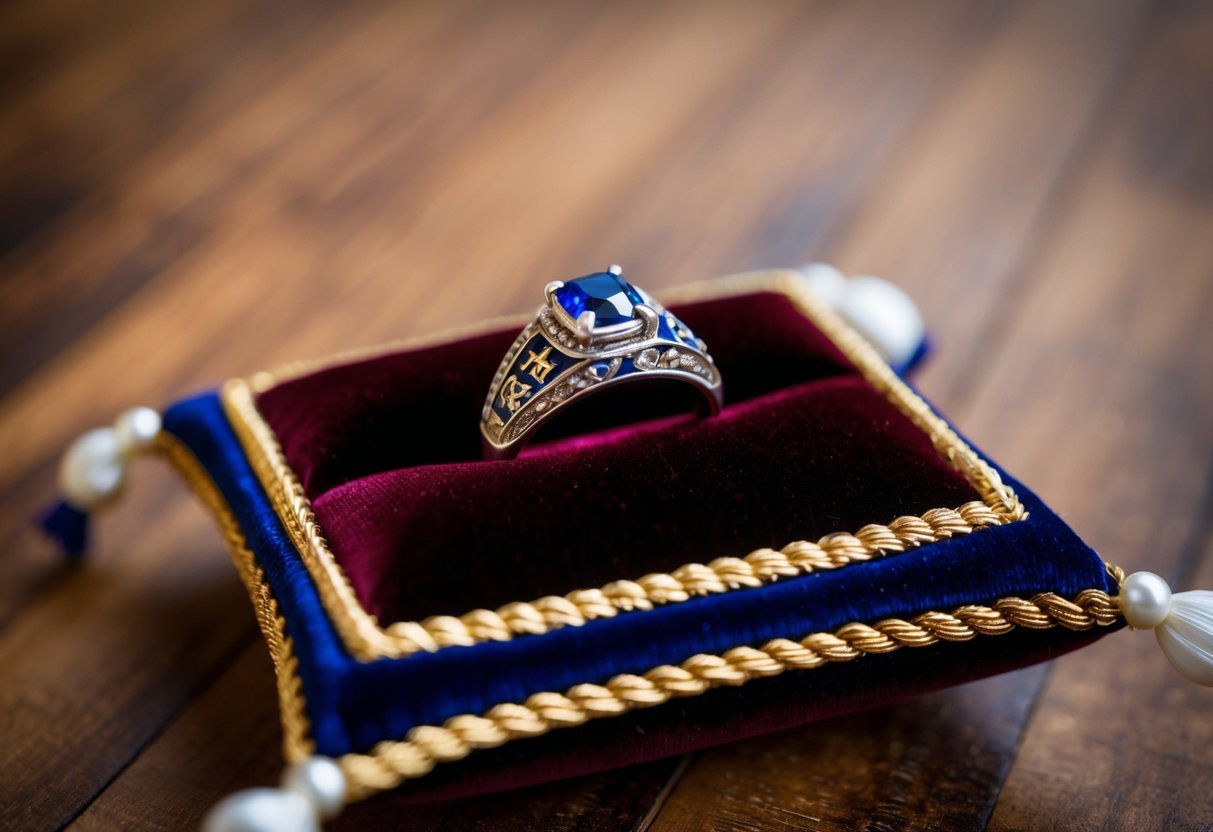
When planning your wedding, the way you approach who holds the rings can reflect your cultural background and personal style. Different customs can add a meaningful touch to your ceremony, while personalization ensures that the moment feels special and true to you.
Variations Across Cultures
In many cultures, the wedding ring exchange holds significant meaning. For example:
- In a traditional Western ceremony, the groom often places the engagement ring and wedding band on the bride’s left ring finger. This symbolizes commitment and love.
- In some Indian ceremonies, the ‘mangalsutra’ is tied around the bride’s neck, instead of exchanging rings, marking the wedding’s significance.
Different cultures may also choose specific family members to hold the rings. Some might have the best man keep them, while others might select a close family member or even a beloved pet. Understanding these traditions can enrich your ceremony and allow you to include elements that resonate with you.
Adding Personal Style
Personalization can make your wedding day unique. Consider holding the rings yourself or have a special friend take on that role. This choice can add depth to the moment.
You might also decorate the ring holder. Ideas include using a small box, a unique cushion, or even a family heirloom. Integrating these touches into your wedding preparations showcases your creativity.
Incorporating your personal story will create a memorable experience. Whether you lean towards traditional roles or wish to stray from them, make choices that feel right for you and your partner.