
Who Hosts the Wedding Shower Etiquette? A Guide to Planning with Care
Planning a wedding shower can be exciting, but it also brings up questions about who should host the event. Traditionally, the bride’s close family members should not host the shower. Instead, friends or other relatives often take on the role to keep it friendly and fun without putting pressure on the bride’s family to request gifts.
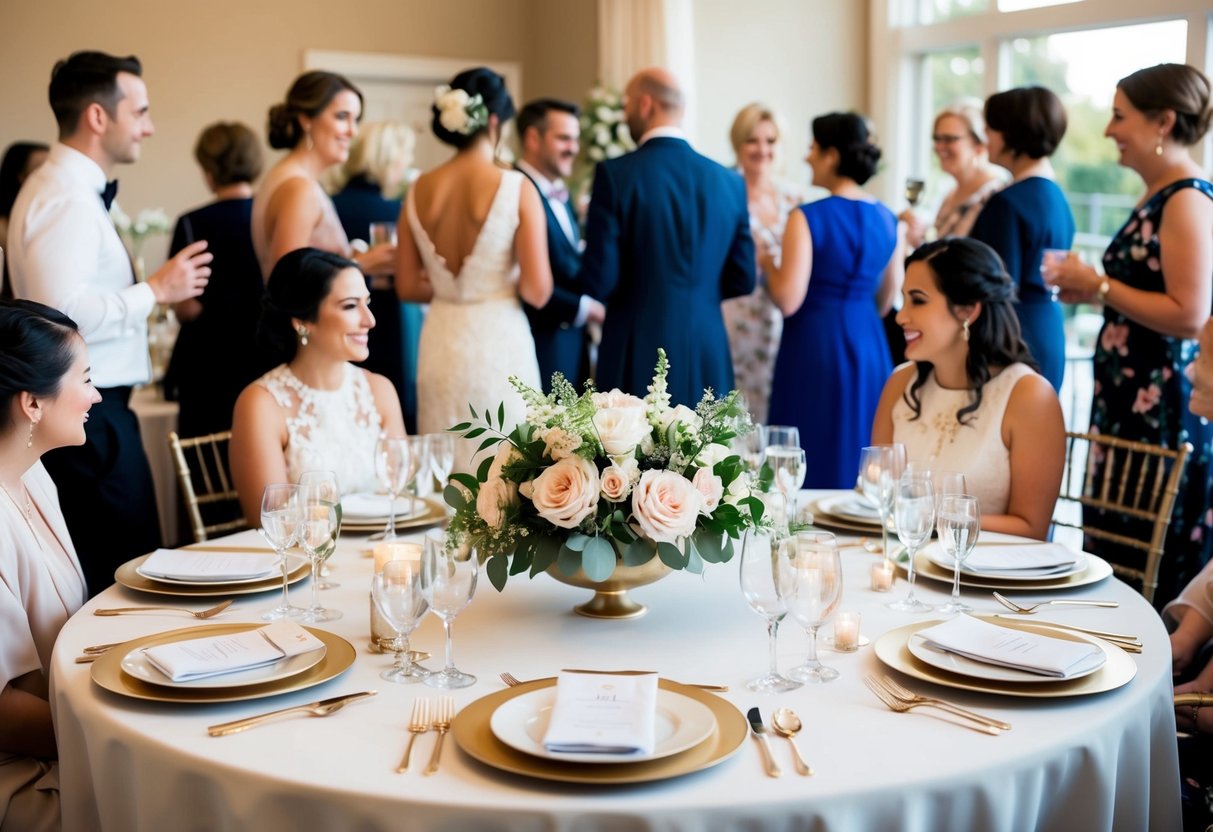
When considering the host for your wedding shower, think about who might be eager to help and has a strong connection to the bride. Friends and bridesmaids commonly step in to organize this pre-wedding event. This not only makes the planning easier but also allows for a diverse group of guests to mingle and celebrate together.
Understanding these nuances of bridal shower etiquette can help ensure the event goes smoothly. By choosing the right host, you set the tone for a memorable and enjoyable gathering.
Roles and Responsibilities in Hosting
Hosting a wedding shower involves a mix of planning, organization, and communication. Knowing who takes on which roles is essential for a smooth event.
Determining the Host
Choosing the right host is the first step in planning a wedding shower. Typically, the maid of honor takes on this role, but other options exist. The bridesmaids can share responsibilities, or a family member, like the mother of the bride or future mother-in-law, might step in.
Make sure that the chosen host is ready and willing to take on this responsibility. They should have the time, energy, and resources to plan the celebration effectively. You want someone enthusiastic and organized, as they will be the main point of contact for guests.
Duties of the Maid of Honor and Bridesmaids
The maid of honor plays a key role in planning the bridal shower. This includes selecting the venue, creating the guest list, and coordinating invitations. It’s also her job to keep track of RSVPs and assist with any games or special activities.
Bridesmaids can lend a helping hand by taking on specific tasks. For instance, one might handle decorations while another takes care of food arrangements. Effective teamwork among the bridal party can make the planning process smoother and more enjoyable for everyone involved.
Involvement of Family Members
Family members, including the mother of the bride and future mother-in-law, can play important roles in the shower. While the main host usually manages the event, their support can be invaluable. Close relatives often provide insights into family traditions and expectations.
If they offer to help, be open to their ideas. They may want to contribute to decorations, food, or even games. Remember, their involvement can make the event feel more personal and celebratory, adding to the joy of preparing for the big day.
Planning the Bridal Shower
Planning a bridal shower involves several important steps. You’ll want to create a fun theme, make a guest list, and send out invitations to get everyone excited.
Setting a Bridal Shower Theme
Choosing a theme can make the shower memorable and enjoyable for everyone. It’s best to think about the bride’s interests or personality. For example, if she loves vintage decor, consider a retro theme. Popular themes include:
- Garden Party: Use floral decorations and outdoor seating.
- Brunch Bash: Serve breakfast foods and refreshing drinks.
- Spa Day: Offer pampering activities like facials or massages.
Once you settle on a theme, you can select colors, decorations, and even games that match. This adds a unique touch and can guide your shopping list.
Creating the Shower Guest List
Creating the guest list is a crucial part of planning. Start by asking the bride for her must-invite friends and family. Include these groups:
- Bridal Party: Sisters, close friends, and bridesmaids.
- Family Members: Immediate family and special relatives.
- Friends and Coworkers: Consider who she often spends time with.
Make sure to balance the number of guests, keeping it manageable. Also, remember to invite those who may not have met but share a connection through the bride.
Sending Out Invitations
Sending out invitations is key to informing everyone about the event. You can choose to go digital or use traditional paper invites. Whichever you select, consider these tips:
- Design: Match the invitations to the selected theme.
- Details: Include the date, time, location, and any special instructions.
- RSVP: Ask guests to respond by a certain date to help with planning.
Aim to send invitations at least four to six weeks before the shower. This gives guests ample time to plan, and it helps ensure that everyone you want to attend can make it.
Bridal Shower Etiquette and Activities
Bridal showers are fun events filled with activities that help everyone bond and celebrate the bride. Knowing the right etiquette can enhance the experience and ensure everyone feels included.
Game and Entertainment Ideas
Bridal shower games add excitement to the day. Popular choices include “Bride and Groom Trivia,” where guests answer questions about the couple, and “Guess the Dress,” where guests draw the bride’s dress from memory.
You can also play “Bridal Bingo,” where guests mark off gifts they think the bride will receive. Incorporating games encourages interaction, laughter, and creates lasting memories.
Make sure to keep the atmosphere light and fun. Provide small prizes for winners, like gift cards or themed party favors. This creates a friendly competition and adds to the shower’s joyful spirit.
Understanding Wedding Registry Etiquette
The wedding registry is a key part of bridal shower etiquette. It’s a way for you to let guests know what items the couple needs or wants. Make sure the bride registers at various stores, offering a range of prices.
Include both practical gifts, like kitchen appliances, and fun items, such as decor. Sharing the registry link with guests helps ensure they can easily access it.
Remind guests not to feel pressured by the registry; they can choose to give handmade or personal gifts instead. This keeps the focus on celebrating the couple rather than just gift-giving.
Etiquette for Thank-You Notes
Writing thank-you notes is an important part of bridal shower etiquette. After the shower, the bride should send notes to everyone who attended within two to three weeks.
Make sure to personalize each note by mentioning the specific gift given. This shows gratitude and makes each guest feel valued.
Using pre-made thank-you cards can save time, but adding a personal touch is always appreciated. Encourage the bride to express her feelings about the gift or the guest’s presence. This simple act strengthens relationships and shows appreciation.
Financial Considerations
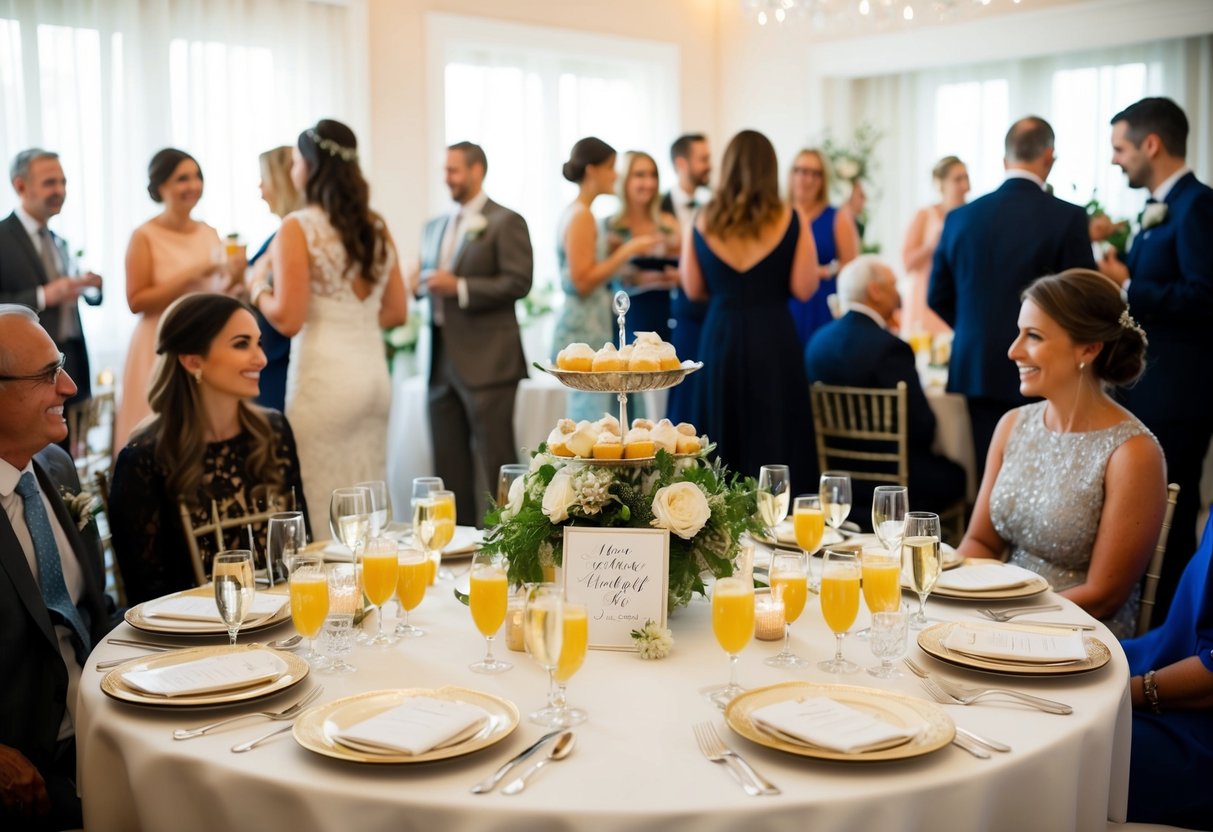
Understanding who pays for the wedding shower is key to planning a successful event. Traditionally, the host takes on the financial responsibilities, but this can vary based on your situation. Let’s explore how to navigate these decisions.
Deciding Who Covers the Costs
When planning the wedding shower, you need to decide who will pay for different aspects of the event. Typically, the host, often a close friend or family member, covers most expenses. This includes the venue, food, and decorations.
Wedding party members can also pitch in. For instance, if you are part of the bridal party, you might want to contribute to specific costs, such as games or favors.
Discussing finances openly can help avoid confusion later. You can create a shared list of costs and determine who pays what. This way, everyone knows their responsibilities ahead of time.