
Who Is High Risk for Elopement? Understanding Vulnerable Populations
Elopement is a serious concern for many healthcare facilities. It refers to patients leaving a designated area without staff knowledge. Individuals with cognitive impairments, such as dementia, or those experiencing severe mental health issues are most at risk for elopement. Understanding who is high risk can help caregivers take the necessary steps to keep everyone safe.

People with mobility issues or those who feel anxious in unfamiliar environments may also be prone to elopement. Recognizing these risks allows facilities to create effective prevention strategies and ensure patient safety. By identifying at-risk individuals, you contribute to a safer healthcare experience.
It’s crucial to assess each patient’s situation regularly. Continued evaluation helps to adapt plans as needed. The more informed you are about quienes are at risk, the better equipped you will be to help in preventing elopement incidents.
Understanding Elopement and Its High-Risk Individuals
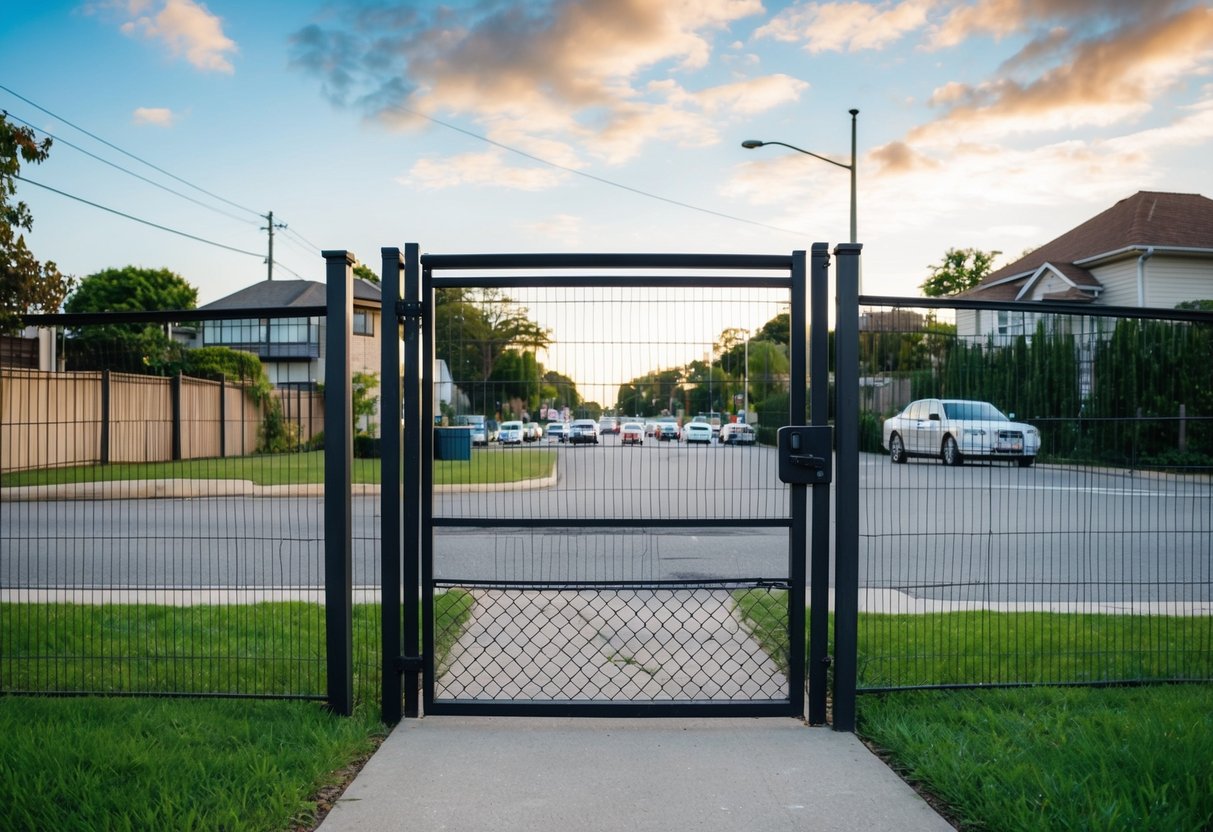
Elopement refers to when individuals leave a safe environment without the staff’s knowledge or permission. This behavior can often be linked to wandering, especially in individuals with cognitive impairments. Recognizing who is at higher risk is essential for creating a safer care environment.
Defining Elopement and Wandering Behavior
Elopement is a serious concern, particularly in long-term care settings. It involves leaving a facility unnoticed, leading to potential dangers for the individual.
Wandering behavior is similar but can occur without the intent to leave. Individuals, especially the elderly with Alzheimer’s or dementia, may wander due to confusion or altered mental status. They often seek familiar places, which can lead them away from safety.
Common reasons for these behaviors include disorientation, anxiety, or the need for exercise. Understanding these actions helps caregivers take proactive measures to ensure safety.
Identifying Individuals at High Risk
Certain factors increase the risk for elopement. Cognitive impairment is a significant risk factor. Those with Alzheimer’s or dementia may experience confusion, making it hard for them to recognize their surroundings.
Elderly individuals with altered mental status, due to medication or health conditions, are also at higher risk. Past behaviors, such as previous wandering episodes, contribute to this risk.
A thorough assessment using tools like the Morse Fall Scale can help identify those at risk. Caregivers should also consider the individual’s emotional state and physical health. The right environment and support can help minimize these risks.
Assessing Elopement Risk in Care Environments
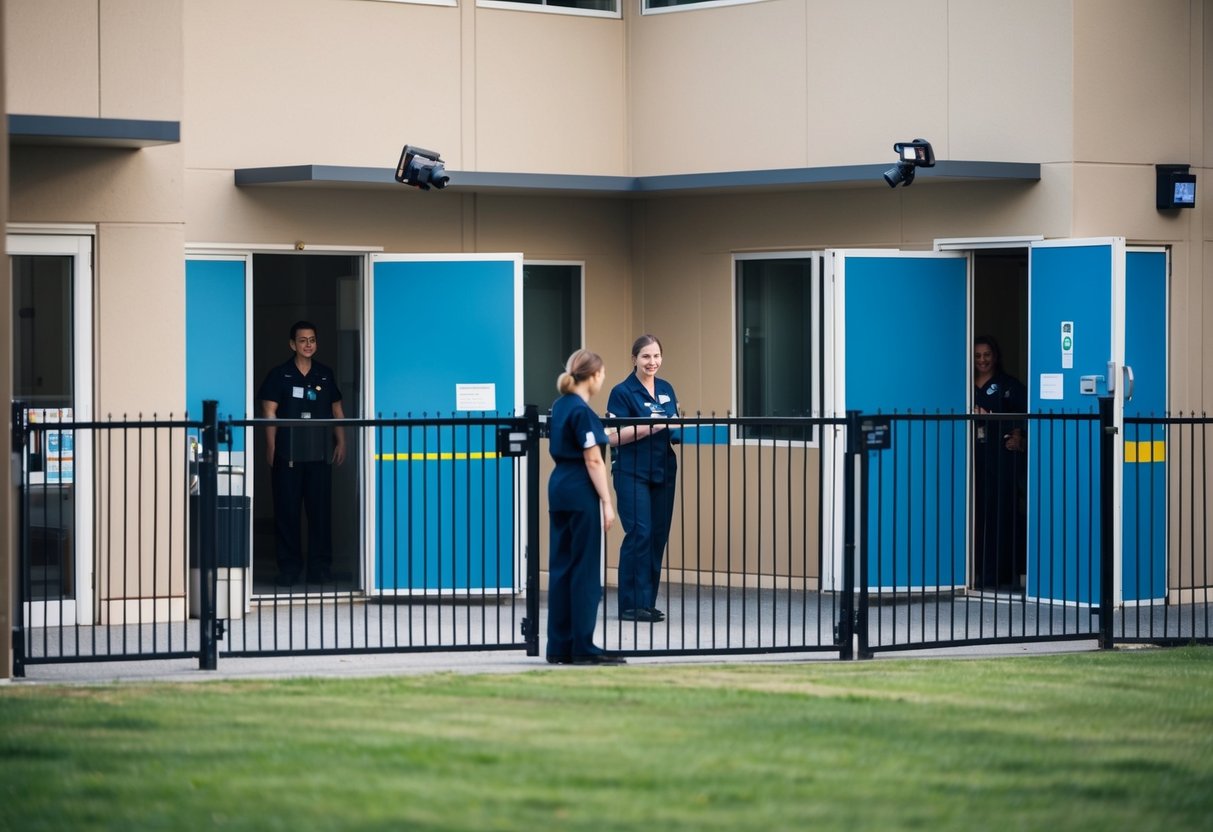
Assessing the risk of elopement in care environments is crucial for ensuring patient safety. By using effective tools and developing a comprehensive care plan, you can better protect residents and support their needs.
Risk Assessment Tools and Techniques
When assessing elopement risk, you should use various tools to gather important information. Start with a structured risk assessment, which looks at factors like cognitive deficits and decision-making capacity.
Consider a checklist that includes:
- Patient history
- Current cognitive status
- Past elopement attempts
Utilizing these tools helps identify those at higher risk. Regular assessments are essential as a resident’s risk can change over time.
Also, consult staff members for their observations. They can provide valuable insights about residents’ behaviors and needs. Utilizing multiple perspectives helps create a full picture of each resident’s elopement risk.
Developing a Comprehensive Care Plan
Once you identify residents at risk, the next step is to develop a tailored care plan. A well-rounded care plan emphasizes patient safety and addresses individual needs.
Incorporate strategies that may include:
- Environmental modifications like secure exits
- Increased supervision, particularly for those exhibiting wandering behaviors
It’s essential to involve family members in the care planning process. Their input can guide decision-making and ensure everyone understands the plan.
Regularly review and adjust this plan as needed, especially after any changes in the resident’s health or behavior. Effective communication among staff, families, and residents is key in managing elopement risk in your care environment.
Elopement Prevention Strategies in Practice

Preventing elopement is crucial for keeping at-risk patients safe. You can use various precautions and tools to minimize the risk of patients leaving areas without proper supervision.
Implementing Elopement Precautions
To prevent elopement, start with a solid elopement prevention program. Assess each patient’s risk level based on mobility, agitation, or delirium. This helps you identify those who may try to leave unexpectedly.
Place high-risk individuals near the nurses’ station to ensure close monitoring. Also, limit access to exit doors. Simple things like securing doors and keeping pathways clear can make a significant difference. Regular checks and communication with staff about patient status are vital.
Involve family in discussions. Educating them on how to spot signs of agitation or distress can help keep everyone informed. Establish clear policies on how to respond if a patient attempts to leave.
Physical and Technological Aids to Prevent Elopement
Using both physical and technological tools can enhance safety. Install alarms on exit doors to notify staff immediately if someone tries to leave. These alarms can make a big difference in quickly addressing any elopement risk.
Consider using wristbands or tracking devices for patients at high risk. These devices can alert you if a patient moves too far from a designated area.
Keep in mind that promoting physical activity in a safe environment can also help reduce restlessness. Engaging patients in structured activities not only keeps them busy but also decreases feelings of agitation.
By taking these practical steps, you can create a safer environment for those at risk of elopement while maintaining their dignity and independence.
Responding to and Managing Elopement Incidents

When a resident elopes, acting quickly and effectively is crucial. You must initiate immediate protocols to manage the situation and reduce risks in the future. This includes specific search actions and reviewing the care plans for residents at high risk.
Immediate Response and Search Protocols
Begin by notifying all staff members about the elopement as soon as it’s confirmed. Clear communication helps mobilize a team response quickly.
Next, check all exits and secured areas within the facility. Ensure that the area around your facility is monitored, focusing on locations where a resident is likely to go.
Utilize a search team comprised of staff trained to handle these situations. Assign roles for each team member, such as searching outside, checking common areas, and calling local authorities if necessary. Make sure to document all steps taken during the search process.
Consider reviewing video surveillance if available. This can provide clues about the resident’s direction and lead to a quicker recovery.
Minimizing Risks and Reviewing Elopement Cases
After the incident, review why elopement occurred. Focus on the individual’s risk management plan of care.
Review the following key points:
- Behavioral patterns prior to the elopement
- Environmental factors that may have contributed
- Effectiveness of existing monitoring systems
Plan for any follow-up interventions. Consider measures such as increasing supervision for residents showing signs of wandering.
Also, discuss with your team about adjusting routines or medical evaluations for high-risk residents. This can help address issues that may lead to future elopements, such as behavior linked to falls or anxiety.
Regularly train staff on elopement protocols, so everyone is prepared. Keeping the lines of communication open will ensure a safer environment for residents.