
Who is Supposed to Buy Wedding Bands? A Guide for Couples and Families
When planning your wedding, many questions arise, including one that often sparks debate: who is supposed to buy the wedding bands? Traditionally, couples often split the costs, with each person buying the other’s ring, but modern practices allow for more flexibility. This decision can reflect both personal preferences and the couple’s financial situation.
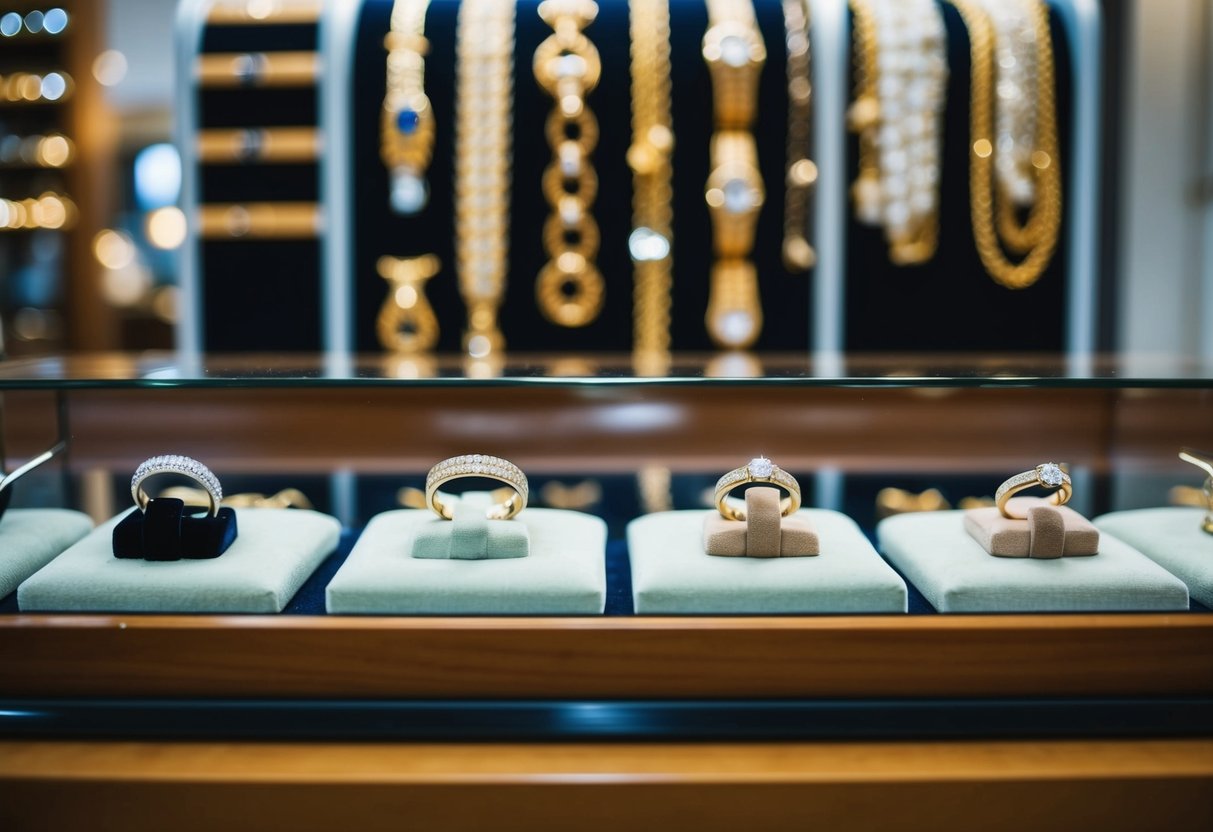
As you think about wedding bands, you might wonder how others are approaching this tradition. You may choose to buy rings together, or perhaps you prefer to surprise each other. Understanding the different approaches can help you find what feels right for your relationship.
This blog post will explore the evolving customs around wedding band purchases, offering insights into what most couples do today. You’ll gain a clearer picture of your options and discover how to make this special purchase one that reflects your unique love story.
Determining Who Purchases the Wedding Bands
When thinking about who purchases the wedding bands, you should consider traditions and communication about budget. It’s important to look at both the customs that guide decisions and how you can work together on financial matters.
Wedding Traditions and Responsibilities
Traditions often dictate who buys wedding bands. Typically, the groom’s family pays for the bride’s ring, while the bride or her family covers the groom’s band. This tradition emphasizes giving and reciprocity in your relationship.
However, modern couples sometimes choose to share expenses differently. You might want to decide together who pays for what. Some couples prefer to buy both rings jointly, or one partner may cover both rings if they bought the engagement ring. Flexibility is key in this decision-making process.
Discussing Budget and Expectations
Open communication is essential when it comes to wedding expenses. Starting this conversation early can help you avoid misunderstandings. You should discuss your wedding budget and financial situation to agree on how to pay for the bands.
Consider making a list of all wedding-related costs, including the rings. It might help to set a range for what you’re comfortable spending. By being upfront about expectations, you can make an informed choice that works for both of you. This way, planning your wedding can be a fun and exciting part of your journey together.
Choosing the Perfect Wedding Bands
Selecting wedding bands is an exciting part of wedding planning. You’ll want to consider various factors like style, material, and personal meaning. The right choice reflects your commitment and unique relationship.
Factors to Consider When Selecting Rings
When choosing your wedding bands, start by setting a budget. This helps narrow down your options quickly.
Next, think about your lifestyle. If you have an active job or hobby, you might want a more durable band.
Consider styles that resonate with you. Classic bands can be sleek and timeless, while more intricate designs may showcase your personality. You may want to match designs or metals with your partner’s ring, creating a cohesive look.
Don’t forget about metal types. Popular options include white gold, yellow gold, rose gold, and platinum. Each has its charm and durability level. Take your time trying on different styles to find what feels best on your finger.
The Significance of Metal Types
The metal you choose impacts both durability and appearance.
- White Gold: This metal offers a classic, shiny look and is often coated with rhodium for extra luster.
- Yellow Gold: A traditional choice that symbolizes timeless love.
- Rose Gold: Popular for its warm, romantic hue, making it a trendy option.
- Platinum: Known for its strength, it’s ideal for anyone looking for a lasting band.
Each choice has qualities that can complement various lifestyles. Think about what resonates with you, and choose a metal type that fits your style and daily life.
Exploring Gemstones and Engravings
Adding gemstones or engravings to your wedding bands can make them more personal. You may consider a matching gemstone, like a diamond, to symbolize your love. Eternity bands with gemstones can also represent lasting commitment.
Engravings allow you to add a special message or date. These details can make your rings unique, reminding you of cherished moments. Think about what words or symbols resonate with you as a couple.
Remember, these choices reflect your journey together, so take your time to decide!
Practical Aspects of Buying Wedding Bands
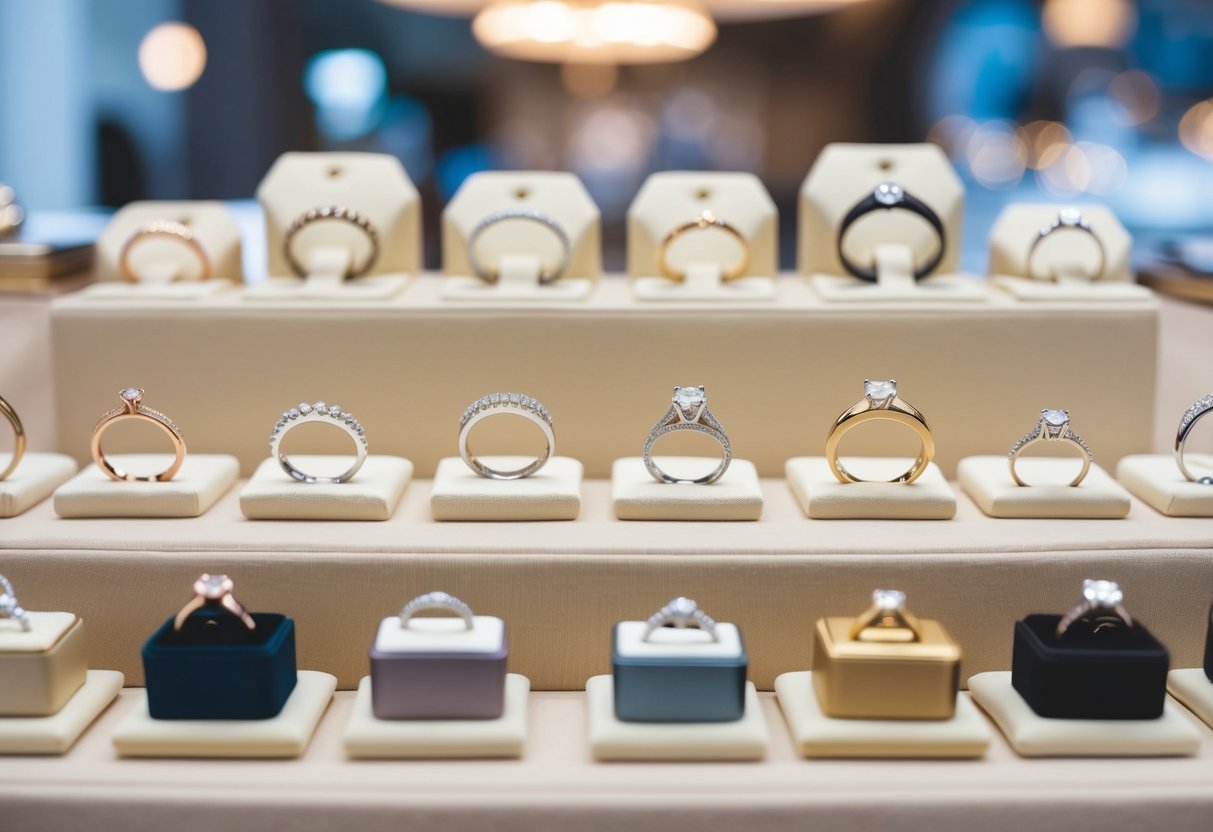
When buying wedding bands, there are practical aspects to consider, including ring sizes and how your lifestyle might affect your choice. It’s important to think about durability and comfort as you select the perfect rings that suit you both.
Understanding Ring Sizes and Durability
Finding the right ring size is crucial for comfort and wearability. You want a ring that fits snugly but can still slide off easily in case of emergencies. It’s best to get your finger sized by a professional jeweler for the most accurate measurement.
Durability also plays a key role in your choice. Consider the metal type. For instance, platinum and titanium are known for their strength and longevity, making them great options for everyday wear.
Considering Lifestyle and Comfort
When selecting a wedding band, think about your daily activities. If you have an active lifestyle, a low-profile ring might be ideal.
Styles that are less likely to snag on clothing or equipment will work better for you. Comfort is just as important.
A well-fitted ring should feel natural on your finger. You might prefer a rounded or comfort-fit band, which is designed to reduce friction against the skin. Always try different styles to ensure you find the one that feels just right.