
Who Is Supposed to Pay for the Bride’s Dress? Understanding Traditions and Expectations
When planning a wedding, one big question often arises: who is supposed to pay for the bride’s dress? Traditionally, the bride and her family cover the cost of the dress, but many couples today choose to split expenses in a way that works best for them. This shift reflects changing wedding etiquette that emphasizes personal preferences and open communication between families.
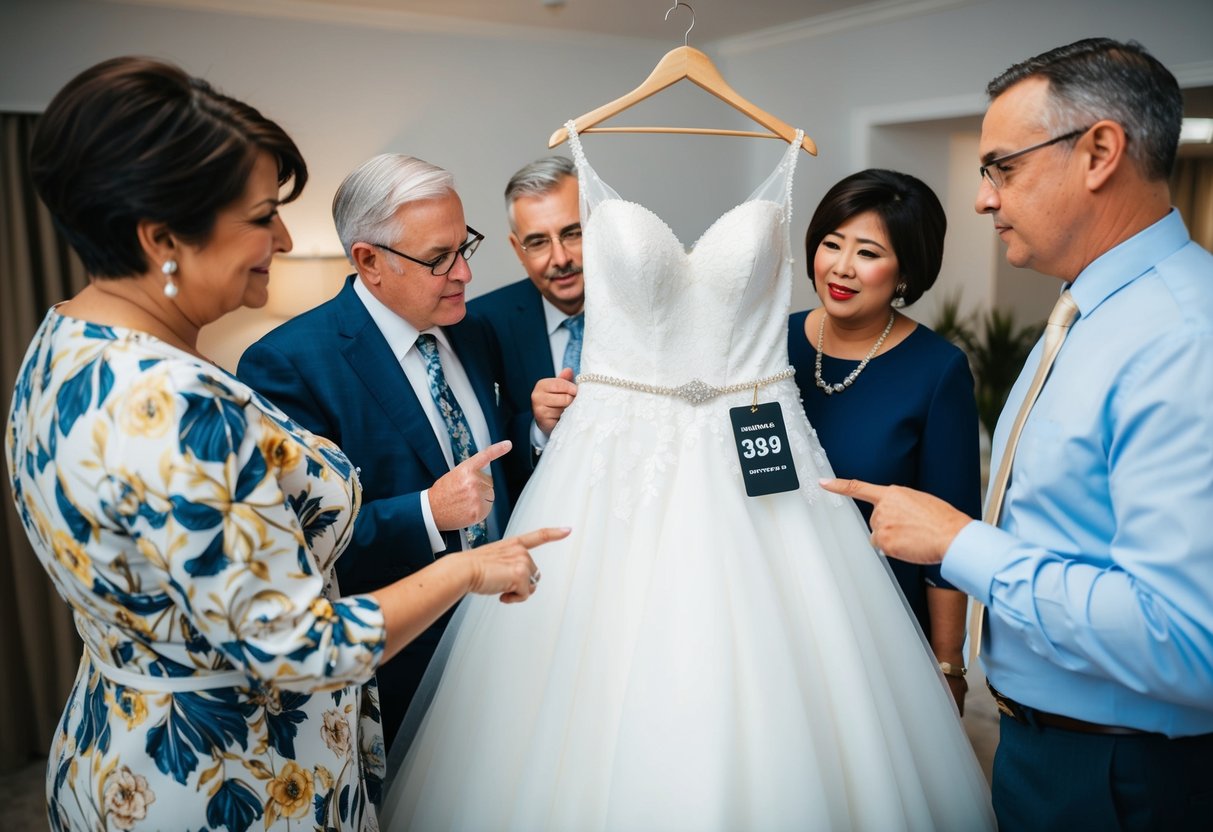
Understanding the different perspectives on who pays can help ease any potential tensions. Some families may stick to traditional roles, while others may find a more modern approach suits their situation better. Open discussions about costs can lead to a plan that respects everyone’s expectations and financial situations.
Your wedding day should reflect your style and values. By exploring these options together, you can create a meaningful experience that aligns with both tradition and your wishes.
The Tradition of Wedding Attire Expenses

When it comes to wedding attire, tradition plays a significant role in who pays for what. Understanding the customs surrounding wedding expenses can help you navigate these decisions smoothly.
Understanding Wedding Etiquette
Traditionally, the bride’s family is responsible for covering the costs of the wedding dress. This custom creates a sense of support and pride as they help the bride prepare for her big day. In addition to the dress, the bride’s family often pays for accessories and makeup services. If you’re in this position, it’s helpful to discuss budget options as early as possible with everyone involved.
The groom’s family typically contributes by covering other wedding expenses, like the rehearsal dinner and the groom’s attire. This division of costs gives each family a role, fostering cooperation and shared joy in the wedding planning process.
Roles of the Bride’s and Groom’s Families
While traditional etiquette suggests specific roles, flexibility is common in modern weddings. Some couples choose to share costs with both families or cover expenses together. This can ease financial pressures and strengthen family bonds.
For example, if your family is unable to support the costs of the dress, it’s perfectly acceptable for you to take on the expense yourself or seek help from friends. Remember, the most important aspect is to ensure that everyone involved feels comfortable with the arrangements. Open communication about expectations can lead to a smoother planning process.
Breaking Down the Wedding Budget
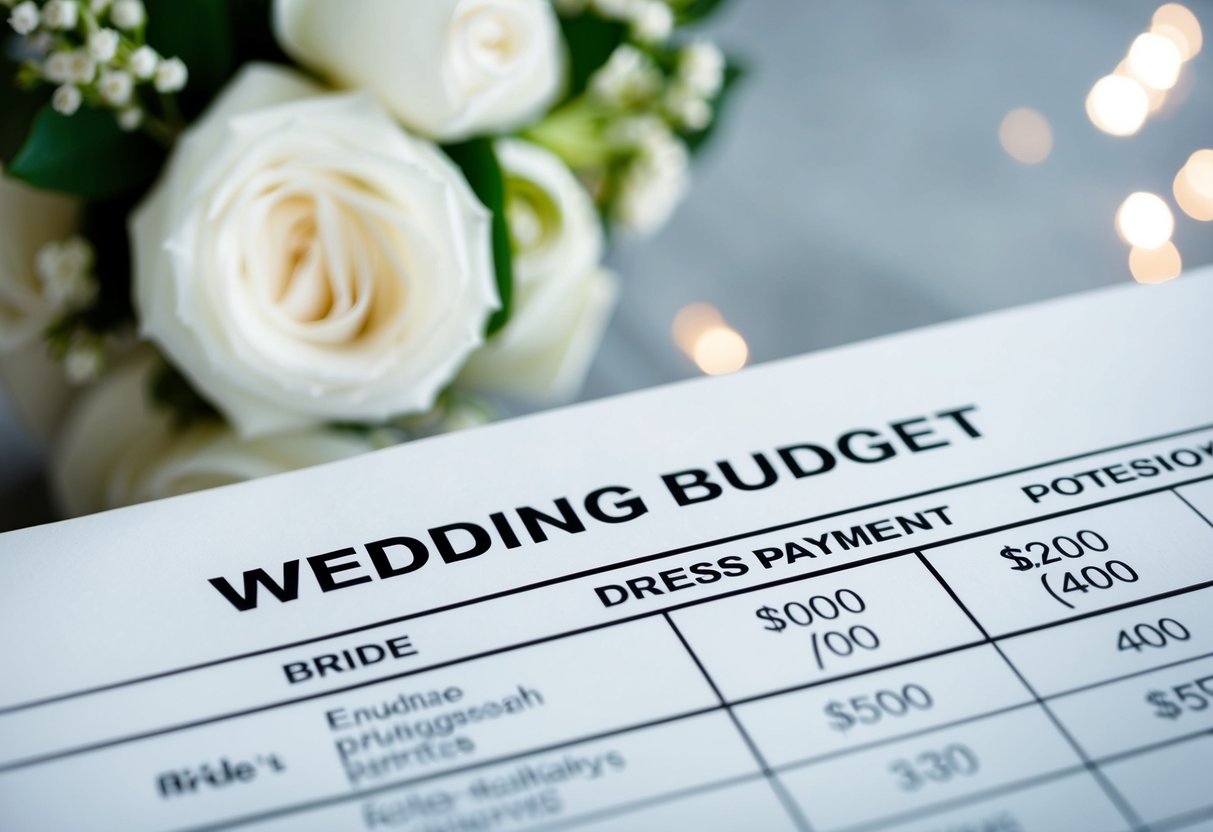
Planning a wedding involves understanding various expenses that come together to make your big day memorable. Here’s how to allocate costs effectively and manage your financial responsibilities, especially related to your wedding gown and other attire.
Allocating Costs for the Big Day
Creating a detailed wedding budget is essential. Start by listing all the major categories of expenses. This includes venue, catering, photography, and attire.
-
Venue and Catering: Often, these are your largest expenses. They can take up to 50% of your total budget.
-
Attire: This includes the bridal gown and accessories, which typically range from a few hundred to several thousand dollars.
-
Music and Entertainment: Hiring a DJ or band can be another significant cost.
Be sure to leave some room for unexpected costs. Setting aside about 10-15% of your budget for this can help manage the financial burden.
Wedding Dress and Attire
The wedding dress is often one of the biggest expenses for brides. Costs can range between $1,000 to $3,000 on average. You might also consider additional expenses like alterations, which can add a few hundred dollars to your total.
The family of the bride traditionally pays for the wedding dress, but it’s gaining popularity for couples to share costs. Discussing finances early can help alleviate any potential stress.
Don’t overlook the groom’s attire as well. His suit or tuxedo, shoes, and accessories also contribute to the budget. Setting clear expectations can help you allocate funds wisely.
Additional Expenses Beyond the Dress
While the wedding gown is a significant part of your budget, other expenses can add up quickly.
-
Accessories: Veils, jewelry, and shoes should be included in your attire budget.
-
Hair and Makeup: Many brides choose to hire professionals, which can cost anywhere from $100 to $500.
-
Stationery: Save the dates, invitations, and thank-you cards are often overlooked but can add another layer of expense.
-
Gifts: Don’t forget about gifts for bridesmaids and groomsmen.
Managing these expenses will help keep your budget in check and ensure you feel good about your financial choices for the wedding day.
Planning for the Special Moments
Your wedding day is filled with special moments that deserve careful planning. From joyful gatherings before the ceremony to memorable experiences during the wedding itself, each detail counts.
Pre-Wedding Celebrations
Pre-wedding celebrations set the tone for your big day. Consider hosting an engagement party to share your exciting news with loved ones. This is a great opportunity to connect with family and friends.
A bachelorette party or a bachelor party can also be planned to celebrate with your closest friends. Make sure to discuss budgets and expectations early on so everyone is on the same page.
Include fun activities that reflect your personality. You might want to arrange for dinner, drinks, or even a weekend getaway. Remember to send out wedding invitations well in advance to ensure everyone can join in the fun.
The Ceremony and Reception Details
The wedding ceremony is the highlight of your day, so focus on the details. Choose a venue that resonates with you and your partner. Work with your officiant to personalize the ceremony, adding special readings or music.
As for the wedding reception, think about the flow of the evening. Decide on the right reception music that sets the mood for dancing and celebration. You’ll want guests to enjoy themselves.
Don’t forget the wedding cake! Selecting a beautiful and delicious cake can become a memorable focus. Explore different flavors and designs to find something that fits your style. Planning these moments ensures your wedding is special in every way.
Gifts, Honeymoon, and Finalizing Details
Planning for gifts and the honeymoon is an exciting part of wedding preparations. You’ll want to ensure every detail is covered to make the big day and the days following special.
Post-Wedding Traditions
After the wedding, gift-giving often continues. You may receive items from your registry, but many couples now use a honeymoon fund. This allows guests to contribute towards your romantic getaway.
Consider creating a list of wedding party gifts. These can include thoughtful tokens for your maid of honor and groomsmen. Don’t forget to budget for small gifts like the bride’s bouquet and thank you cards to show appreciation.
Also, ensure you have your marriage license filed correctly. Check if you need to pay any officiant fees post-ceremony.
Concluding the Festivities
Finalizing the details of the wedding includes tying up loose ends. Make arrangements for transportation to and from the venue, especially if you’re hosting a destination wedding.
Plan how you will handle any leftover alcohol or food. Discuss with your wedding planner about what to do with extras.
Hair and makeup costs also need settling. Once the festivities are complete, confirm payments with your vendors. A friendly follow-up is a nice gesture after all the excitement has settled!