
Who Is Supposed to Sit at the Head of the Table? Understanding Roles in Family Gatherings
The head table at a wedding is a special spot that you might wonder about when planning your big day. Traditionally, the bride and groom sit at the center, surrounded by their wedding party and close family members. This arrangement highlights your important role as newlyweds, making it easy for guests to recognize who you are and share in your joy.
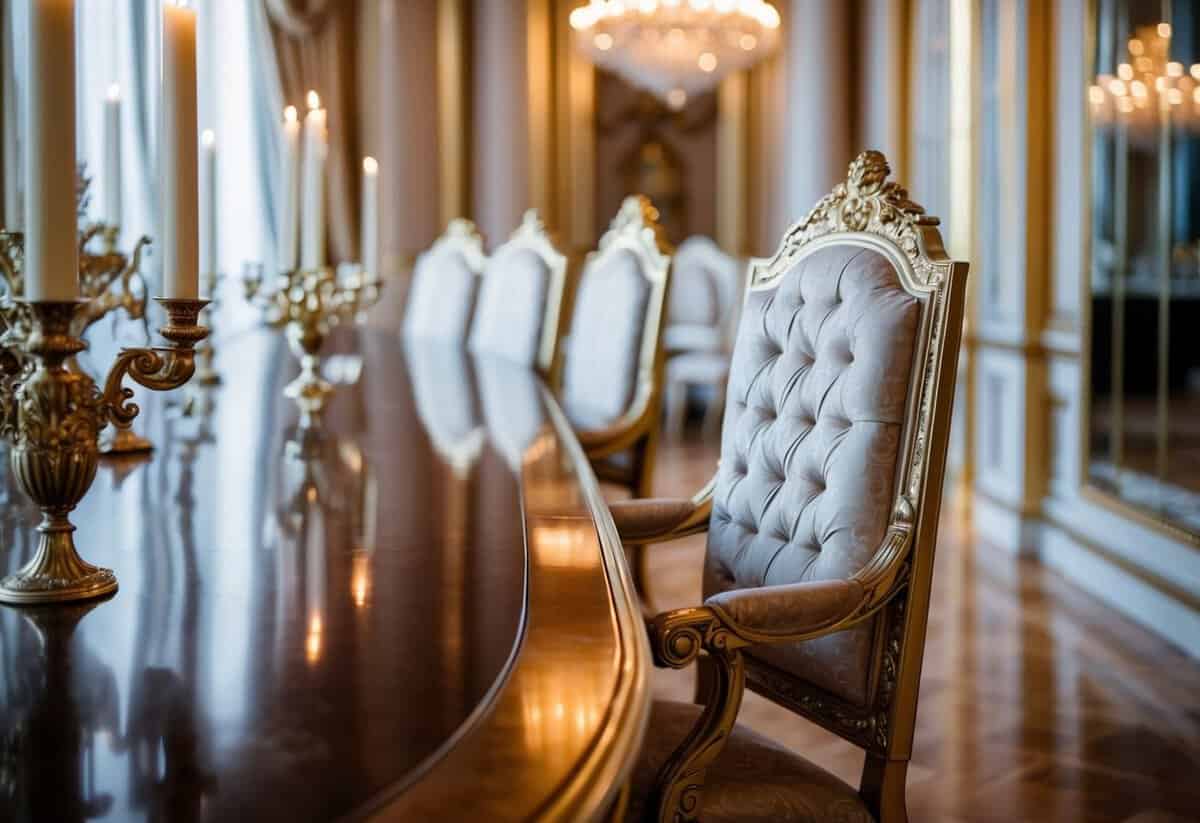
Choosing who sits with you at the head table can be a delightful challenge. You may want to include your closest friends, siblings, or parents to make the table feel even more personal.
Whatever you decide, remember that this table is where you will be celebrated the most, so enjoy the planning process!
The Importance of Seating Arrangements at Weddings
Seating arrangements at weddings play a key role in setting the tone for the reception. They ensure that guests feel welcome and know where to sit while honoring important relationships among the newlyweds, family, and friends.
Understanding the Head Table
The head table is the focal point of your wedding reception. This is where you, the bride and groom, sit alongside your wedding party. Traditionally, you sit in the middle with your best man and maid of honor by your sides.
It’s important to decide who else should be included. You might want to have parents or other close family members seated near you. This arrangement highlights the significance of these relationships.
Many couples customize their head table setup to reflect their style. This can be achieved through special decorations or even choosing a unique shape for the table. Remember, the head table symbolizes your unity and the start of your new life together.
Variations in Seating Arrangements
There are various ways to arrange seating at your wedding. While the traditional head table is popular, some couples opt for a sweetheart table. This intimate setting allows just the two of you to enjoy your meal together.
You may also consider tables of honor for other important guests. These can include parents, grandparents, or anyone who played a special role in your lives.
Creating a seating chart helps guests find their places easily. A well-thought-out seating plan can mix family and friends, encouraging conversations throughout the evening.
Adjusting the arrangement to reflect your vibe ensures your guests feel comfortable and engaged.
Roles and Responsibilities at the Head Table
The head table serves as a focal point during celebrations, making it essential to understand the roles and responsibilities of those seated there. This section covers the seating arrangements for the wedding party, how to honor immediate family members, and important considerations for special guests and plus-ones.
Seating the Wedding Party
At the head table, you usually seat the bride and groom in the center. This showcases them as the focus of the event. To their sides, you can place the maid of honor and best man. Keeping close wedding party members near them helps create a supportive atmosphere.
You might also want to include other members of the wedding party, like groomsmen and bridesmaids.
If you’re using a sweetheart table, only the newlyweds will sit there, which provides a more intimate setting. Allowing your wedding party to join at a larger table encourages bonding and fun during the reception.
Honoring Immediate Family Members
Immediate family members play vital roles during your wedding. Traditionally, parents of the bride and groom are seated closest to you at the head table. This is a great way to honor them for their support and love.
If space allows, you can also invite siblings to join. Consider an arrangement where all immediate family can sit together, making it easier for everyone to enjoy the celebration. Including grandparents can also add warmth and nostalgia to the head table, ensuring they feel part of the day.
Special Guests and Plus-Ones Considerations
Special guests can make your day memorable. If you have important family friends or mentors, consider their seating carefully. You might choose to seat them near the head table, allowing for easy interaction.
For plus-ones, it’s often best to seat them with their partners. This approach fosters comfort and connection.
In smaller weddings, you can invite close friends or additional family to join the head table, enhancing the sense of community and joy. Balancing priority guests while maintaining an inviting atmosphere makes the event more enjoyable for everyone.
Designing Your Table Layout
When designing your table layout, it’s important to create a comfortable and inviting atmosphere. This includes planning your seating chart and adding personal touches that reflect your style as a couple.
Creating an Effective Seating Chart
Start by determining who will sit at the head table. The newlyweds generally sit at the center, with their wedding party around them.
Consider including close family and friends at this table to create a supportive environment.
For other tables, group guests by relationships. For example, sit family together while placing single friends at tables with other singles. Use a chart to visualize the layout and ensure everyone feels included, especially those who might not know each other well.
Incorporating Personal Touches
Personal touches can enhance your table layout. Think about using themed decorations that match your wedding style. Items like custom name cards or unique table centerpieces can make a big difference.
You might also want to create a “table of honor” for important guests. This can show appreciation for their support. Adding small details, like a favorite quote or a photo of you as a couple, can create a warm atmosphere that celebrates your love and connections.