
Who Is Table 1 at a Wedding? Understanding Its Importance and Significance
At a wedding, table 1 is known as the head table. The couple sits alongside their closest family and friends during the reception. It’s a special spot that highlights the newlyweds and makes them the center of attention as they celebrate their big day.
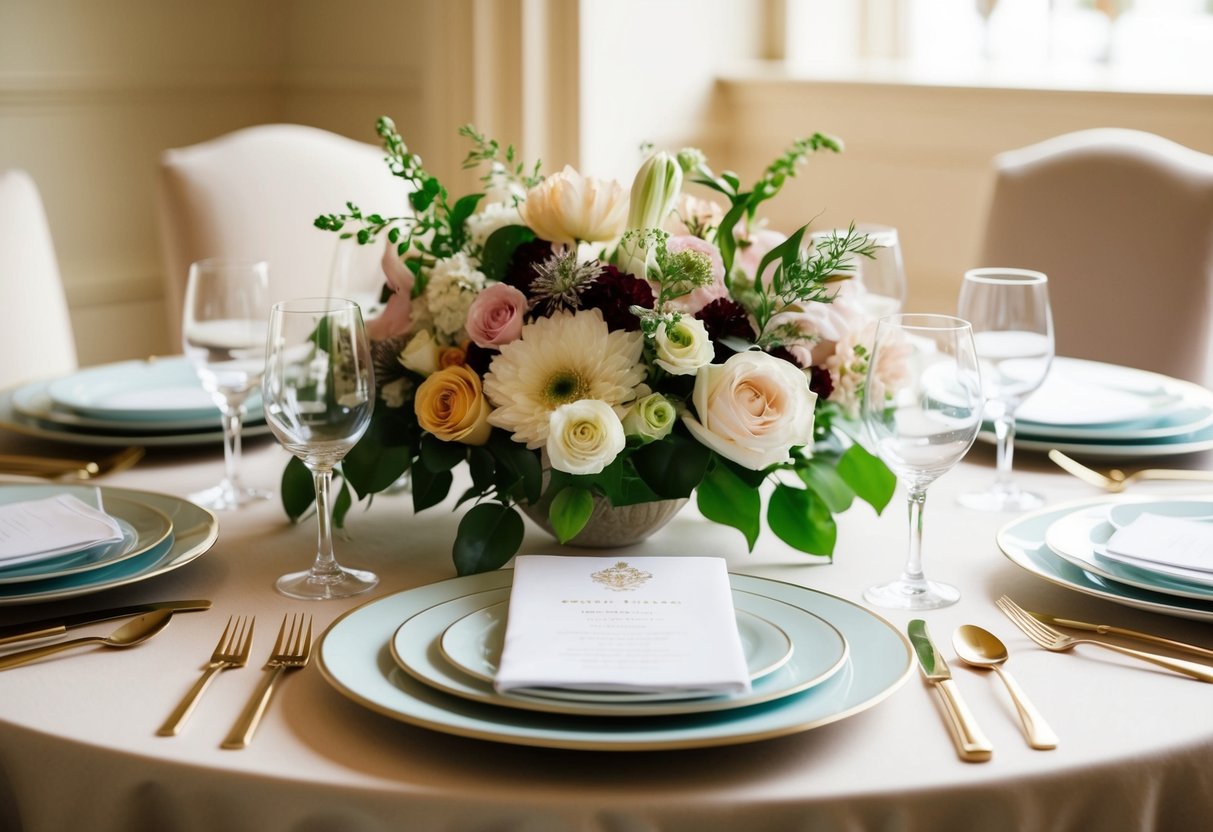
You might wonder about the seating arrangement at this table. Traditionally, the bride and groom are flanked by their parents, but many couples choose to include their wedding party and other important guests as well. This table is often positioned prominently so all your guests can easily see and toast to you.
Understanding who sits at table 1 can help you with your seating chart and ensure that everyone feels included in your celebration. With the right planning, the head table can become a cherished part of your wedding reception experience.
Understanding Wedding Reception Seating

Seating arrangements play a crucial role in creating an enjoyable atmosphere for your wedding reception. From table numbers to the seating chart, understanding these elements can help ensure your guests have a smooth and pleasant experience.
The Significance of Table Numbers
Table numbers help guests find their assigned seats easily. By using numbers, you can create a simple way for attendees to locate their tables without confusion. Each table can also correspond to the seating chart you create, which lists where each guest is seated.
Using clear and attractive table numbers enhances your wedding decor. You might choose a theme that matches your overall style. A thoughtful design can make a positive impression on your guests. Don’t forget that the head table, often called Table 1, is where you and your VIPs will sit, like your wedding party and parents.
Creating a Seating Chart
A seating chart is essential for guiding your guests to their designated spots. Start with a complete guest list to know how many tables you will need.
It’s important to draft this before finalizing seating arrangements. When creating your seating chart, consider guests’ relationships. Grouping friends and family can help everyone feel comfortable.
Use name cards or a large board at the venue entrance to show where each guest should sit. This can ease any confusion and allow your guests to enjoy the celebration fully.
Types of Tables at a Wedding
There are several types of tables to consider when organizing your wedding reception. The head table is typically where you and your partner sit, along with your closest family and friends. This prominent spot highlights your special role on the day.
In addition to the head table, you’ll have guest tables. These can be round or rectangular, depending on your venue. Don’t forget about special tables like kids’ tables or a sweethearts table for just the couple.
Each table can hold a specific number of guests, so be sure to manage your guest count effectively. This will help you create a balanced and comfortable atmosphere for everyone enjoying your big day.
Honoring Special Guests
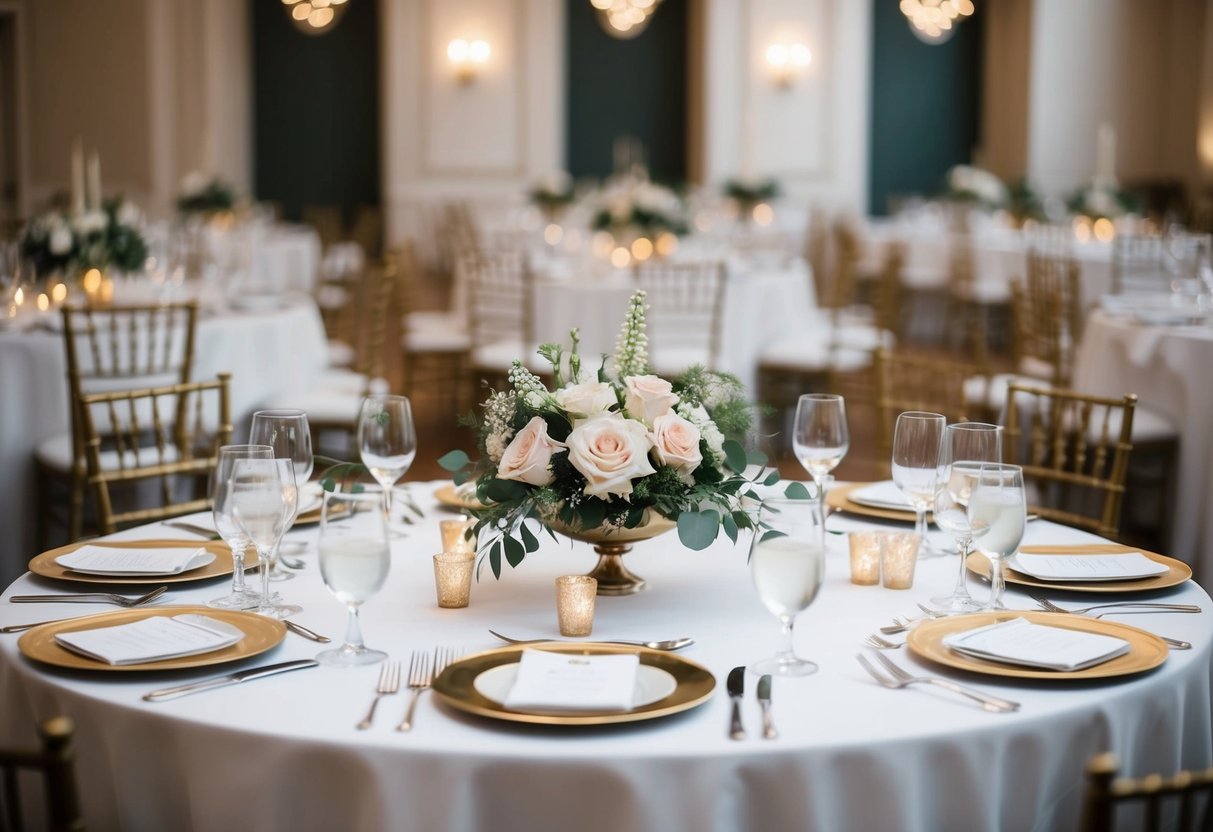
When planning your wedding seating, it’s crucial to consider how to honor your special guests. You want to ensure that your top table and family tables reflect their importance and make everyone feel comfortable.
The Head Table and Table of Honor
The head table, also known as the table of honor, is where you and your partner will sit. Traditionally, the bride sits to the groom’s right, with the maid of honor and best man nearby. You can decide whether to include the entire wedding party or just a few key people.
For a more personal touch, consider arranging the seating to allow for easy conversation. You can use place cards to guide guests to their seats.
Remember that this table should be highly visible to guests, making it a special spot to enjoy your meal and the celebrations.
Special Considerations for VIP Guests
Your wedding isn’t complete without important family members and VIP guests. This includes parents, grandparents, and anyone else who played a significant role in your life.
When placing these guests, think about their comfort and relationships. For example, you may want to seat them closer to the head table. This approach not only honors their role but also makes it easier for them to participate in toasts or speeches throughout the evening.
Handling Divorced Parents
If you have divorced parents, seating them can be a tricky situation. You want to avoid any tension during your special day.
A practical way to manage this is by placing them at separate tables, but close enough that they both feel included. Another option is to seat one parent at the family table and the other at a nearby table with close family friends.
Communication is key. Make sure both parents are aware of the plan in advance to minimize surprises and discomfort on the day of your wedding. This will help make the day enjoyable for everyone.
Designing Your Reception Layout
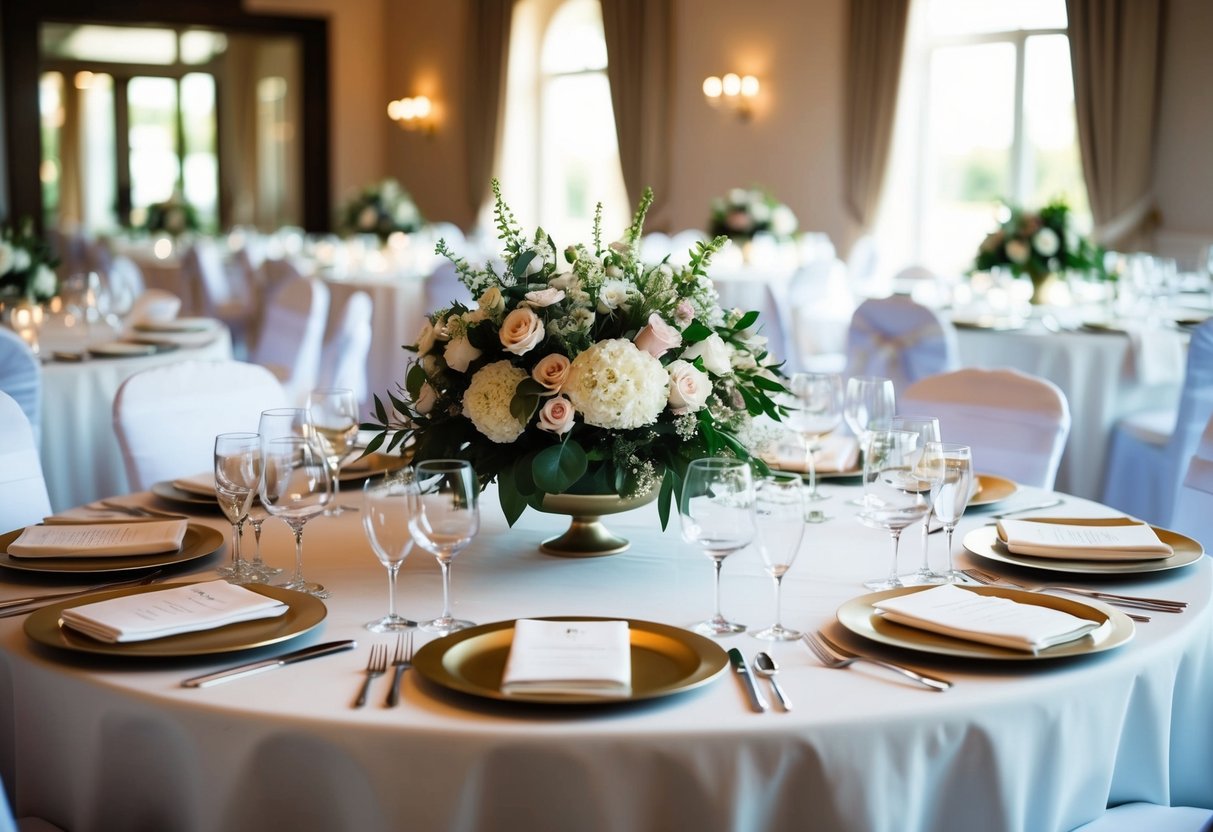
Creating a thoughtful reception layout can set the mood for your wedding. Key aspects include how you position the dance floor and tables, deciding on tables for special guests, and considering kids’ seating arrangements.
Positioning the Dance Floor and Tables
When planning your layout, start by determining where the dance floor will go. It should be centrally located, allowing guests easy access. Consider having it near the bar for convenient drinks before dancing.
Arrange tables around the dance area to keep guests close. For instance, round tables help create an intimate feel, while rectangular tables can be aligned to form a unique shape.
Remember to leave enough space for guests to move comfortably. You want people to dance without bumping into tables. Make sure your seating chart reflects these arrangements, ensuring everyone knows where to sit.
Choosing Between a Sweetheart and a Head Table
Decide whether you want a sweetheart table or a head table for the couple. A sweetheart table is just for you and your partner, offering a private space to enjoy your meal. This can enhance intimacy during the reception.
On the other hand, a head table includes the wedding party, allowing you to interact more with your friends and family. Think about what fits your style best.
If you choose a sweetheart table, make sure your wedding reception seating is structured so the rest of the party can easily view you. Ask your planner about using escort cards to help guests find their places effortlessly.
Incorporating Children in Seating Arrangements
Including children in your wedding seating can be delightful yet challenging. If you have many little guests, consider setting up a kids’ table. This gives them their own space to have fun and interact.
You can add games or activities at the kids’ table to keep them entertained. Assign a few child attendants to help supervise, ensuring a smooth experience for parents and little ones.
If you have a mix of ages, consider including a singles table to create versatility. This way, younger guests, friends without plus-ones, or other single guests can enjoy their time while sitting together.
Final Touches for Guest Seating
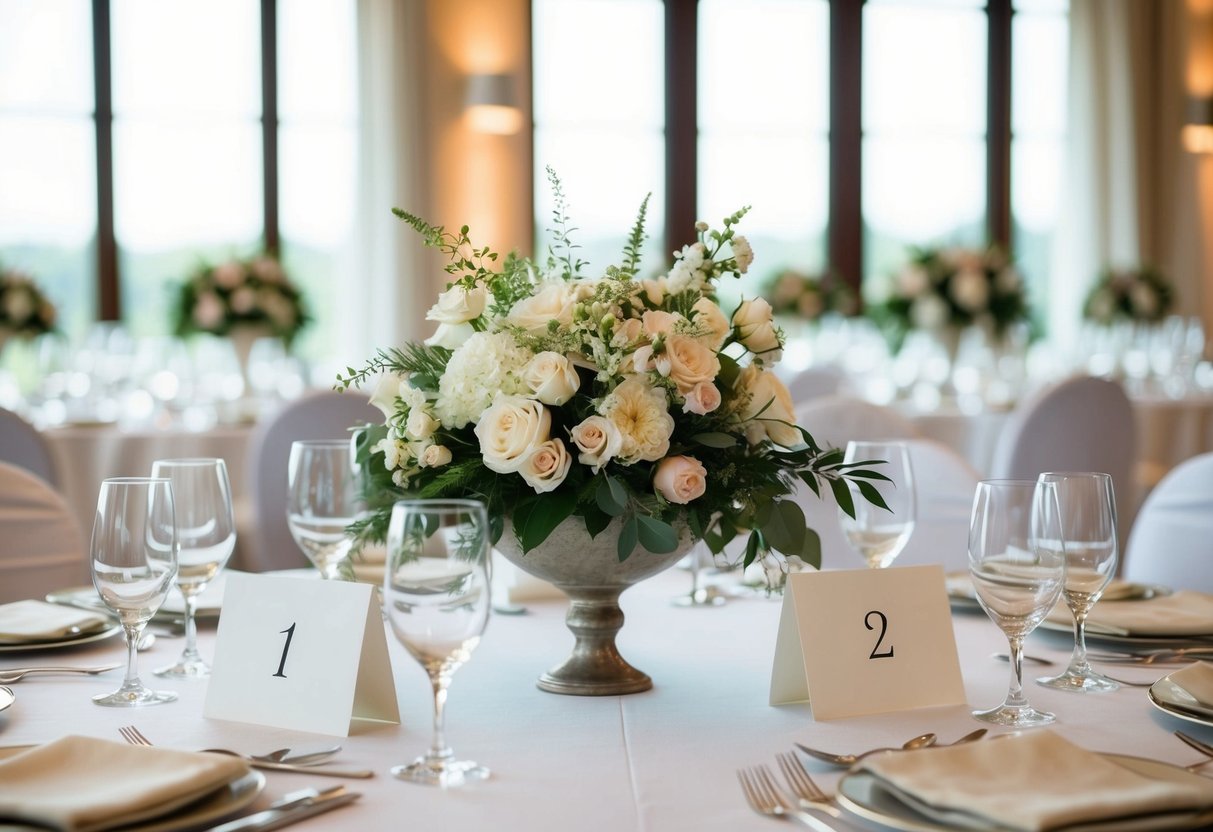
Creating a welcoming atmosphere for your guests involves careful planning of their seating arrangements. You’ll want to think about how to best guide them to their tables and ensure that they feel comfortable throughout the event.
The Role of Escort Cards and Place Cards
Escort cards and place cards are essential tools for wedding seating. Escort cards direct guests to their designated table and often include the guest’s name and table number. They usually sit at a welcome table and help guests find their seats easily.
Place cards, on the other hand, are more specific. They sit at each place setting and indicate where each guest should sit. You can personalize these cards by adding a small note or a fun design that matches your wedding theme.
Both types of cards enhance organization and reduce confusion during the reception. Remember to consider using a stylish display for your escort cards, making them a fun part of the décor!
Finalizing the Seating with RSVPs
Processing RSVPs is a vital step in finalizing your guest seating. Knowing who is attending helps you create an accurate seating chart. Make sure to set a deadline for RSVPs, allowing enough time for planning.
Once you get the RSVPs, you can adjust your seating arrangements accordingly. Some guests might make last-minute requests, so stay flexible. Your wedding planner can help manage this process and ensure everything runs smoothly.
It’s best to confirm any special requests, like dietary needs or seating preferences, while collecting RSVPs. This will help create a comfortable and enjoyable experience for all your guests.