
Who Is Traditionally on the Top Table? Understanding the Significance of Seating Arrangements
At a wedding reception, the top table is a key feature that helps highlight the couple’s special day. The top table traditionally includes the bride and groom, their parents, and sometimes the best man and maid of honour. This arrangement allows the couple to celebrate surrounded by their closest family and friends, making it a central part of the festivities.
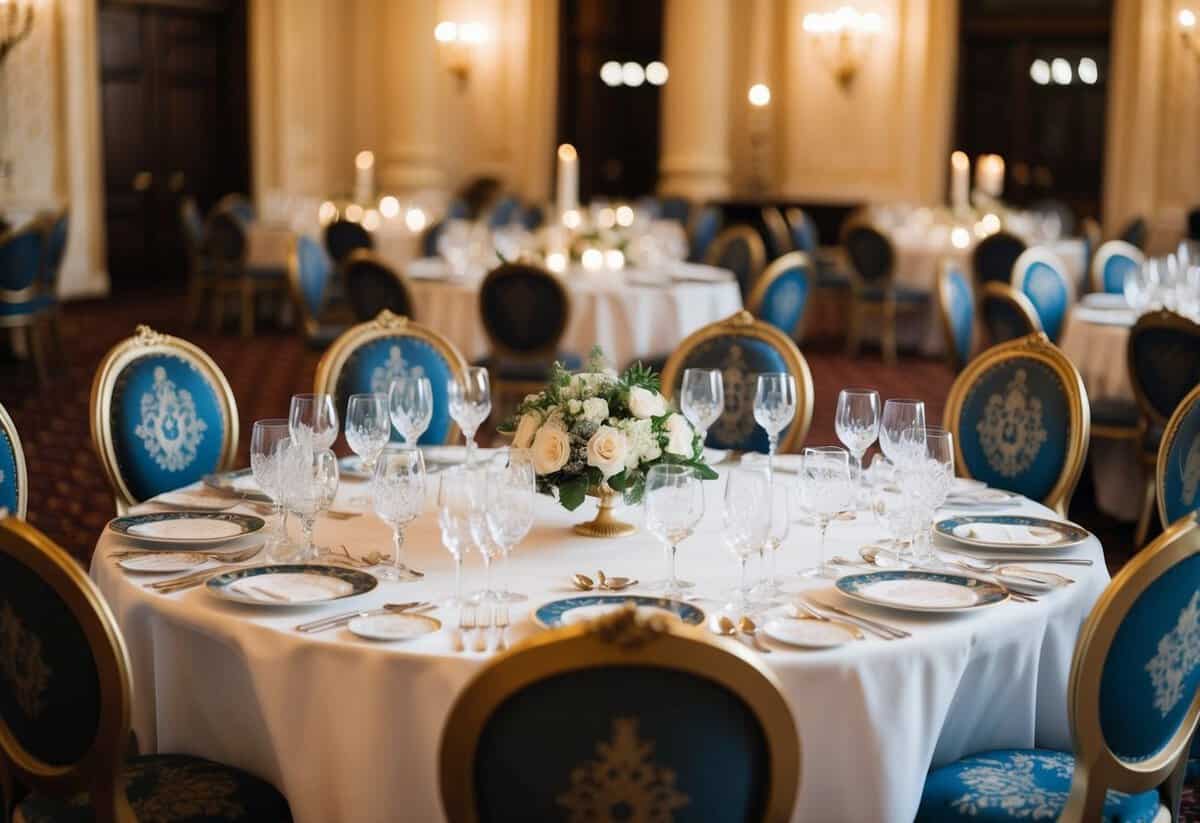
Knowing who sits at the traditional top table can help you plan your own wedding or understand how this custom works. Each spot on the table carries significance, often reflecting important relationships. Understanding this layout can add meaning to your special event and create a sense of connection among guests.
As you prepare for a wedding, consider how you want to arrange your top table. Whether you stick to tradition or mix it up according to your wishes, knowing the traditional seating can guide you to create a memorable experience for everyone involved.
Top Table Essentials
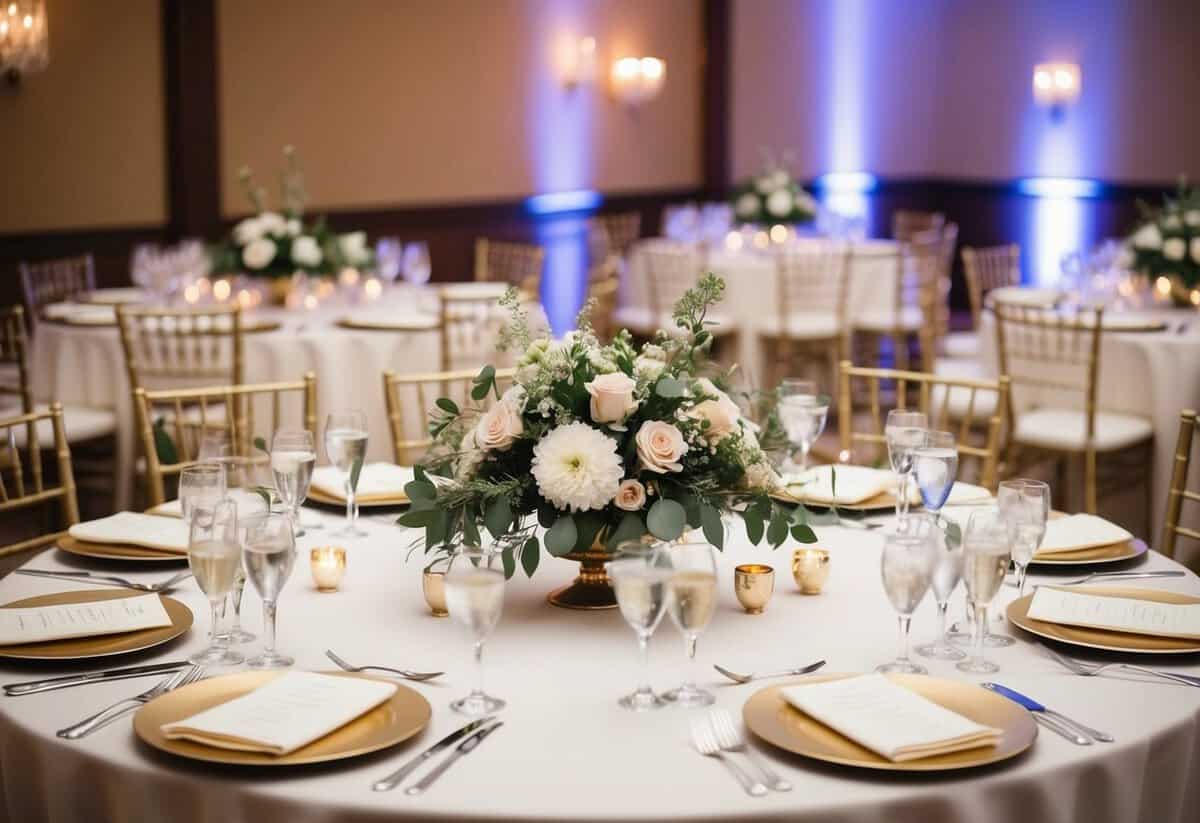
When planning your wedding, choosing who sits at the top table is an important detail. This table often includes key members of your wedding party and reflects your unique style as a couple. Here’s a closer look at traditional layouts and some modern twists.
Traditional Top Table Layout
In a classic wedding setup, the top table is where the bride and groom sit at the center. On one side, you typically have the maid of honour and best man. On the opposite side, you would find the bride’s and groom’s parents.
This layout allows for close family ties to be highlighted. Here’s a sample arrangement:
- Bride and Groom (center)
- Maid of Honour (next to Bride)
- Best Man (next to Groom)
- Bride’s Parents (one side)
- Groom’s Parents (other side)
Some couples choose a long top table for a more formal feel. Others might opt for a round table to create a cozy atmosphere, especially for smaller gatherings.
Modern Variations in Seating
Today, many couples add personal touches to their table layouts. If you’re part of a same-sex couple, you can customize your seating to reflect your relationship.
Consider the sweetheart table, just for the couple, allowing for intimate dining while friends and family enjoy nearby. You can also include special friends or family on your top table, breaking from tradition.
Feel free to get creative! A mix of seating types, like a long table with several round tables around it, can create a unique vibe. Whatever you choose, make sure it represents you and your special day.
Guests and Family Members
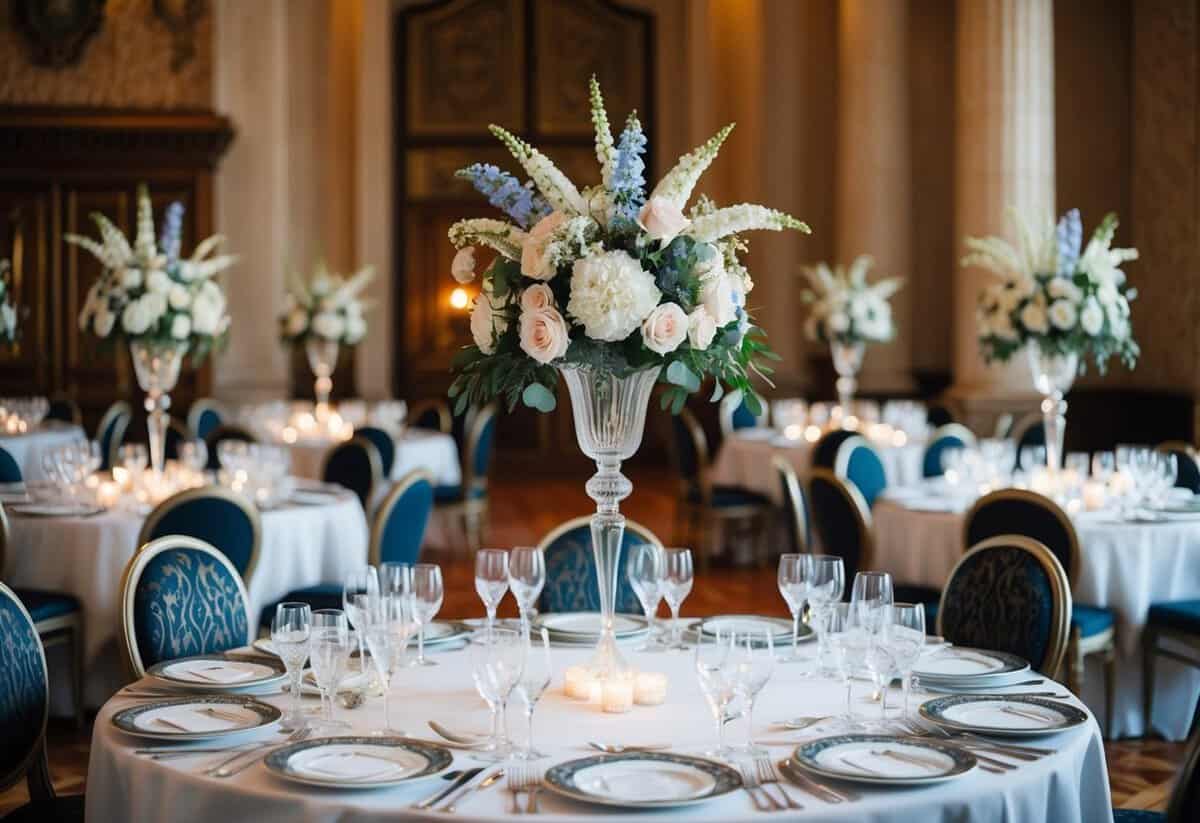
When planning your wedding seating arrangements, it’s essential to consider the roles of guests and family members at the top table. This arrangement not only includes the newlyweds but also key family members who play important roles in your life.
Roles and Arrangement
Traditionally, the top table includes the bride and groom, along with their parents and the best man and maid of honor. Specifically, the arrangement often looks like this:
- Bride and Groom – Center front
- Bride’s Parents – To one side
- Groom’s Parents – On the other side
- Best Man and Maid of Honor – Flanking the couple
This layout fosters close connections among loved ones. You might also consider seating flower girls and ring bearers nearby to keep them engaged. Every arrangement should create an intimate dining experience filled with support and warmth.
Inclusive Seating Considerations
Today, many couples are blending traditions by including step-parents, grandparents, or even close friends in the top table arrangement. This inclusiveness helps honor significant relationships in your life.
It’s also a good idea to assess any family dynamics. If certain family members have unique connections, think about arranging seats to avoid awkwardness. This might mean placing siblings or partners beside one another to enhance comfort and enjoyment during the celebration.
Planning the Perfect Top Table
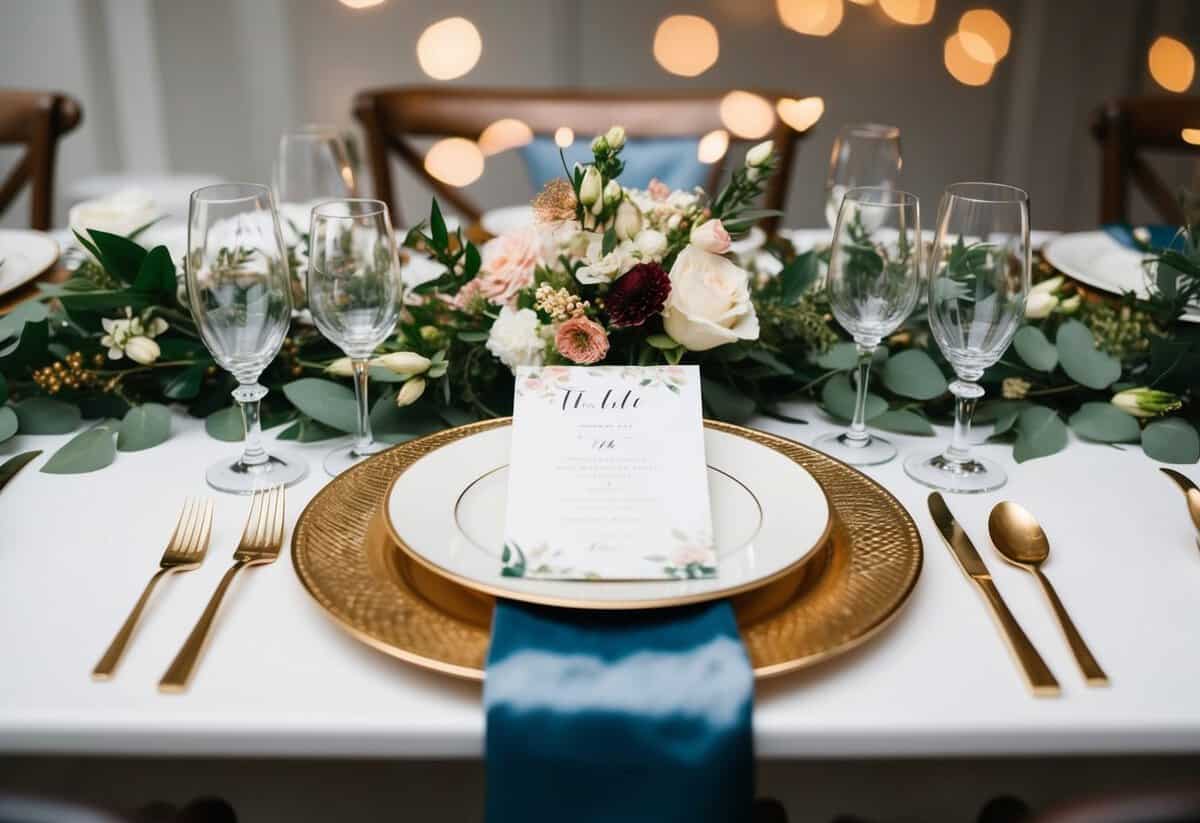
Creating the ideal top table is an essential part of your wedding planning. It sets the tone for the reception and helps you enjoy the special moments with your loved ones. Here, you can find strategies for arranging the seating and understand traditional etiquette to make your top table truly special.
Seating Plan Strategies
When planning your wedding top table, consider your guest list carefully. Here are some strategies to help you decide who sits where:
-
Central Position: Place the bride and groom at the center. This arrangement is traditional and allows everyone to see and hear you during speeches.
-
Family First: Traditionally, parents sit next to the couple. You can alternate sides for balance: groom’s parents on one side and bride’s on the other.
-
Bridal Party: Include the best man and maid of honor next to you. If you have multiple attendants, make sure everyone has a comfortable spot.
-
Mix It Up: If your guests get along well, you might want to mix family with friends. This can help ease any seating plan stress.
Etiquette and Tradition
Understanding etiquette can help you navigate the top table arrangement with ease. Here are key points to keep in mind:
-
Traditional Layout: The common setup includes the bride and groom, both sets of parents, and the maid of honor and best man. This offers a sense of balance and respect for family.
-
Spacing Matters: Ensure there’s enough room between the chairs. This makes it comfortable for everyone to engage in conversation without feeling cramped.
-
Importance of Titles: When listing your guests, remember the significance of roles. The chief bridesmaid or maid of honor often sits to the left of the groom’s father. Meanwhile, the best man sits to the right of the bride’s mother.
Being aware of these etiquette details can make your top table a welcoming spot for your closest friends and family.