
Who Leads the Rehearsal? Understanding the Role of the Director and Team Leaders
When it comes to rehearsals, understanding who leads them can really help you grasp how the process works. The director or a designated leader specific to the group, such as a bandleader or a rehearsal director, typically leads a rehearsal. This leader is essential for guiding participants, setting the agenda, and ensuring everyone is on the same page.
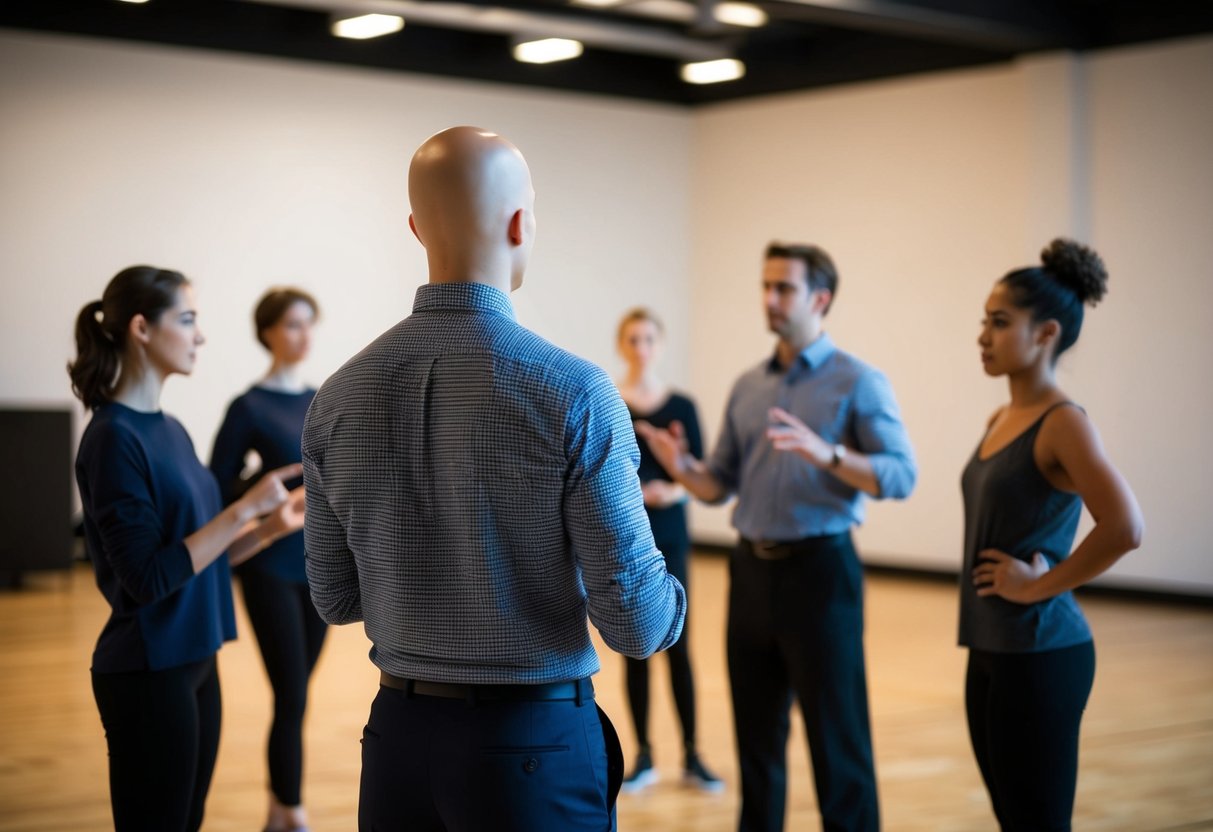
In the performing arts, the rehearsal leader plays a key role in coordinating all the elements of the production. They help to bring together the cast and crew, making sure each part of the performance flows smoothly. Knowing who is leading can also give you insight into how rehearsals might differ across various settings, whether in music, theater, or dance.
By the end of this article, you’ll have a clear picture of not just who leads rehearsals, but also why their role is vital to a successful performance. This understanding can enhance your appreciation of the hard work that goes into every show.
The Role of the Conductor
The conductor plays a vital part in leading an orchestra during rehearsals. This role involves a range of responsibilities and influences the progression of musical practice. By understanding what conductors do, you can appreciate how they help shape each performance.
Understanding the Conductor’s Responsibilities
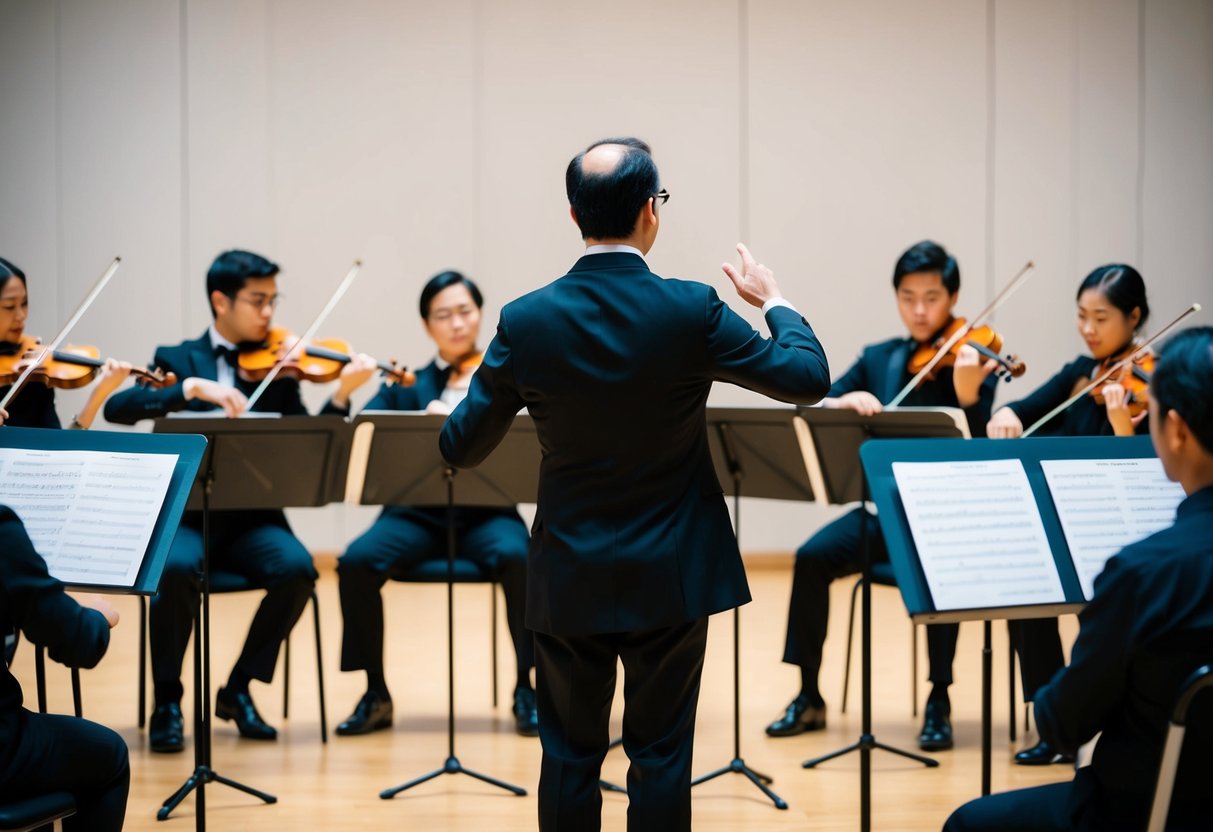
A conductor has many duties during a rehearsal. They lead the orchestra by setting the tempo and ensuring all musicians play in unison. Conductors use gestures to indicate dynamics and phrasing.
They also offer feedback to musicians, helping them improve. This can include correcting mistakes, balancing the ensemble’s sound, and shaping the interpretation of the music.
By motivating players, conductors create a supportive environment. This encourages musicians to express their creativity while staying focused on the piece. The conductor’s leadership ensures that everyone is on the same page.
The Conductor’s Influence on Rehearsal Progression
The conductor’s influence shapes how quickly and effectively rehearsals proceed. They plan the rehearsal schedule and outline specific goals for each session. This helps keep everyone on track.
During rehearsals, the conductor assesses each musician’s performance. They may spend extra time on challenging sections. This targeted approach allows for thorough preparation ahead of a concert.
A conductor also builds teamwork within the orchestra. Their ability to bring together different musicians is crucial. By fostering a sense of camaraderie, conductors enhance cooperation and trust, leading to a more polished performance.
When you see the conductor at work, you witness a blend of artistry and leadership that makes every concert a memorable experience.
Rehearsal Types
In this section, you will explore different types of rehearsals that play a crucial role in preparing for a performance. Each type serves a unique purpose and helps ensure that everyone is ready for the premiere.
Dress Rehearsals Explained
A dress rehearsal is one of the final steps before a performance. During this rehearsal, you will perform the entire show in full costume, just like in the actual performance. It allows everyone to get familiar with their outfits and props.
This rehearsal is important because it helps you identify any issues with costume changes, stage blocking, and timing. You will practice under complete performance conditions, which helps build confidence. This practice prepares you for the excitement and pressure of a live audience.
Finally, dress rehearsals often include technical aspects, like lighting and sound, to ensure everything runs smoothly. They help you and your team adjust before the big day.
Regular vs. Technical Rehearsals
Regular rehearsals focus on the basic flow and movements of the performance. In these sessions, you will work on ensuring everyone knows their lines, cues, and staging. This is where you can make changes based on your director’s feedback.
Technical rehearsals, on the other hand, are all about the details. During these sessions, you handle lighting, sound, and other effects. You will work closely with the technical team to coordinate everything. This ensures that all elements, like sound cues and lighting changes, are in sync.
Each type of rehearsal plays an essential role in preparing for a successful performance. Regular rehearsals help you learn your material, while technical rehearsals make sure the technical aspects enhance the overall experience.
Community and Collaboration in Rehearsals

In community choir rehearsals, the atmosphere thrives on connection and teamwork. You benefit from the unique perspectives of each member. Together, you can create something truly special by fostering a spirit of collaboration.
The Community’s Role
Your choir is not just a group of singers; it’s a community where every voice matters. Each member brings their own background and experiences, enriching the overall sound. This diversity sparks creativity and encourages you to express your imagination.
Social interactions during rehearsals are important. Consider adding social time, where members can bond. When you make personal connections, you build trust. That trust allows for more open and honest collaboration during practice.
Regular performances and concerts are more meaningful when you work together. The energy of the community can elevate your concert experience. You can inspire one another, making every performance unforgettable.
Incorporating Collaboration
Collaboration is key to effective rehearsals. You should actively seek input from everyone during practice. This means listening and adapting to various ideas and suggestions.
Incorporating technology can enhance collaboration. Tools like rehearsal apps allow you to share tracks and practice materials easily. This supports your group’s creativity and makes learning new pieces more engaging.
Encouraging teamwork during rehearsals helps resolve conflicts and promotes growth. When you face challenges together, you strengthen your bonds. Working as a unit allows everyone to contribute their strengths to create harmony and a powerful performance.
Music and Performance Genres
Different music genres require specific approaches during rehearsals. It’s important to understand the unique needs of orchestral and choral groups as well as the distinct style of hip-hop rehearsals. Each genre offers its own challenges and strengths, shaping how musicians prepare for performances.
Orchestral and Choral Considerations
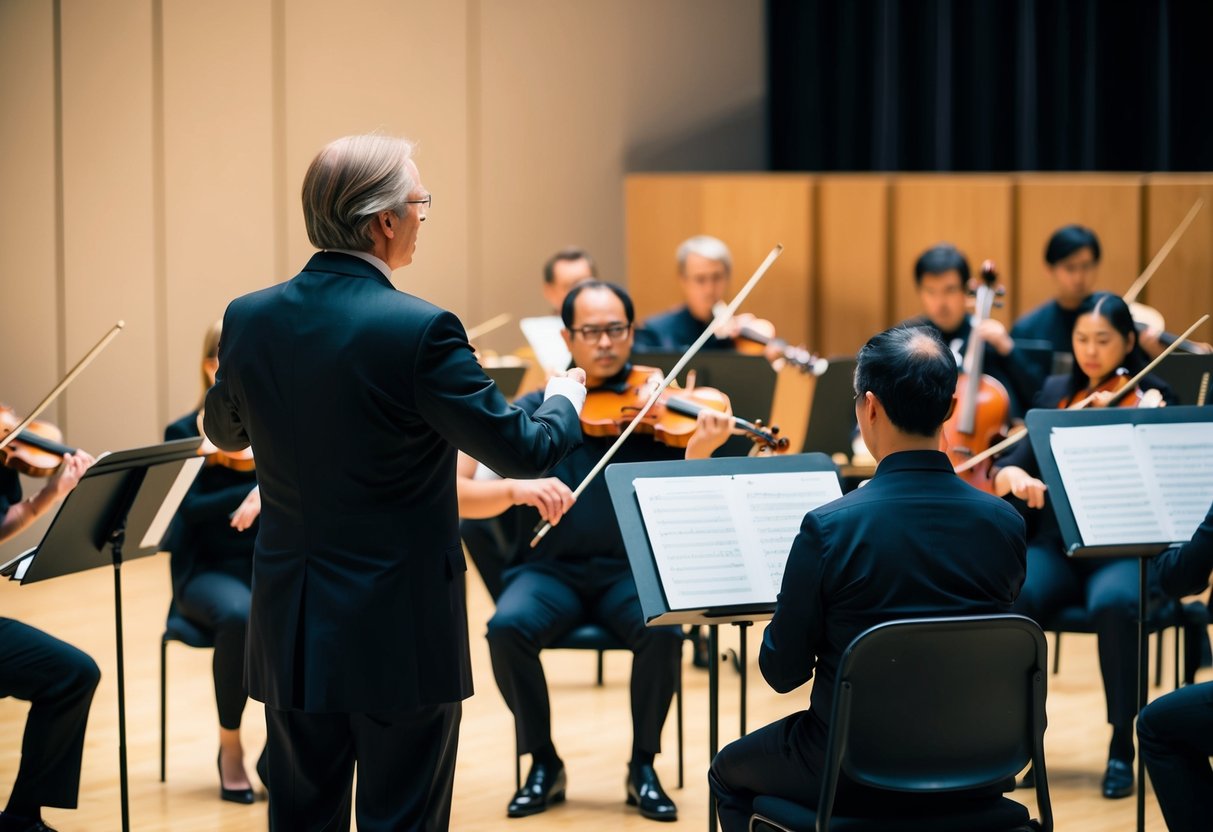
When you participate in orchestral or choral rehearsals, several key factors come into play. These groups often involve a conductor who guides the ensemble. The conductor ensures everyone is in sync and maintains the musical vision.
For orchestras, the rehearsal focuses on blending instruments. Strings, brass, woodwinds, and percussion must work together harmoniously. Choral rehearsals emphasize vocal techniques and harmonization. Singers must master their parts while blending their voices for a unified sound.
In both settings, it’s vital to have clear communication. Musicians should provide feedback and adjustments to improve the performance. Regular practice helps strengthen teamwork and musical expression, connecting each member in a meaningful way.
The Uniqueness of Hip-Hop Rehearsals
Hip-hop rehearsals stand apart from traditional music genres. Here, the focus is often on rhythm, flow, and lyrical delivery.
You’ll notice that practice sessions may include freestyle sessions and beat-making, which enhance creativity.
In hip-hop, artists often brainstorm together, refining their lyrics and beats in real time. This dynamic approach allows for spontaneity, making each rehearsal fresh and engaging.
Rehearsals in hip-hop can also incorporate dance. Choreography plays a vital role in performances, so artists rehearse movement alongside vocal practice.
This blend of music and dance creates a unique, energetic atmosphere that everyone can enjoy.