
Who Leaves a Wedding Ceremony First? Insights into Wedding Etiquette and Traditions
After the wedding vows are exchanged and the “I dos” are said, you might wonder who leaves the ceremony first. Typically, the newlyweds, the bride and groom, are the first to exit the ceremony together. This moment symbolizes their new journey as a married couple, sharing their joy with family and friends who just witnessed their commitment.
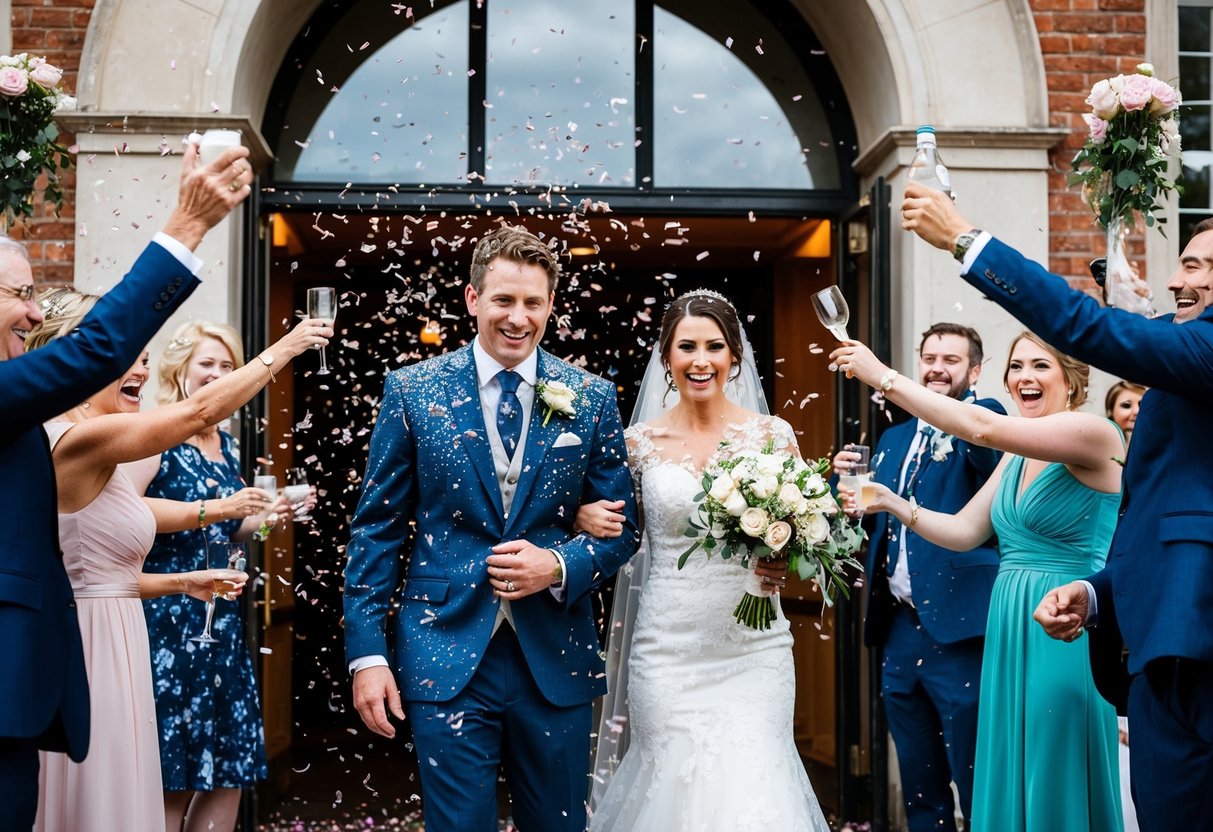
Understanding the order of who leaves can help you plan your own wedding or better appreciate the traditions at one you attend.
Following the couple, the wedding party and family members usually process out in a specific order. Knowing this can enhance your experience, whether you’re part of the ceremony or a guest watching the celebrations unfold.
Curious about the details of the wedding processional? Exploring how different cultures and styles influence the order of exit can provide deeper insights into wedding traditions. Reading further will help you grasp the importance of these roles and make your next wedding experience even richer.
Wedding Ceremony Order
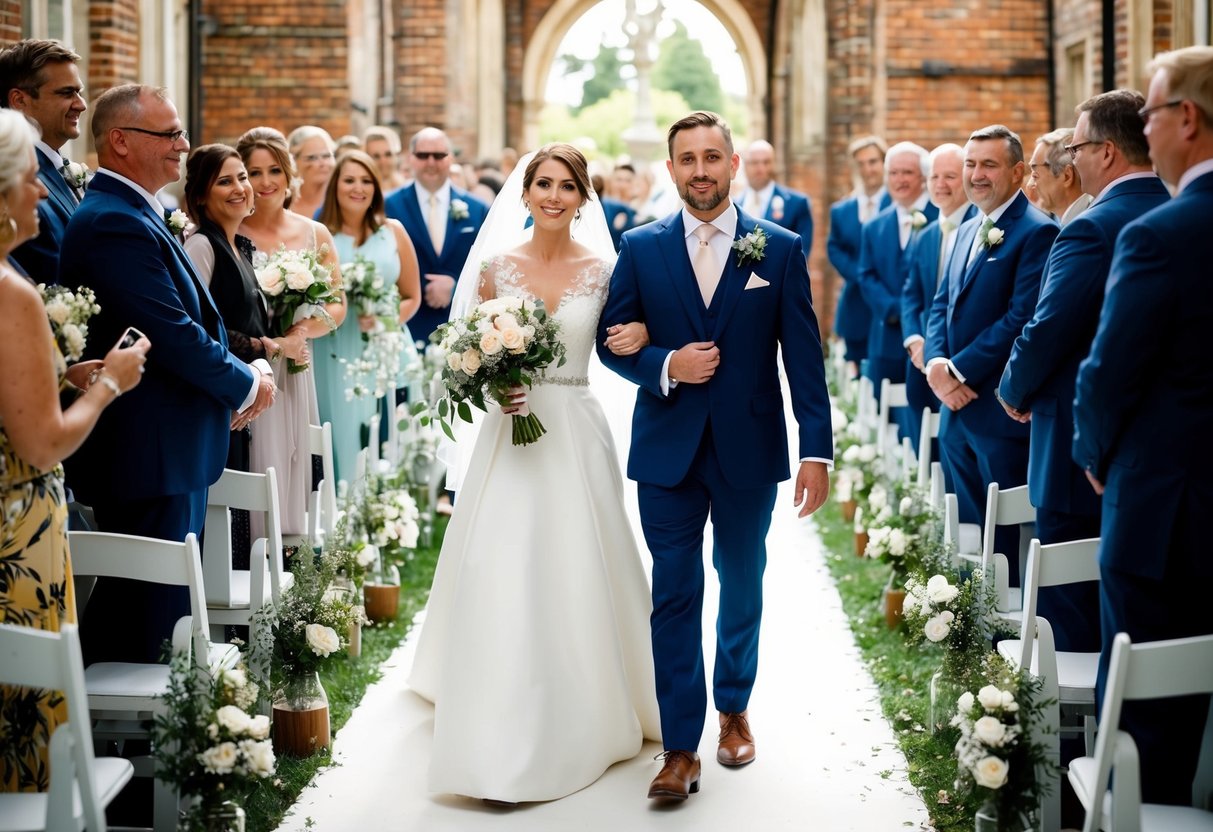
Understanding the order of events in a wedding ceremony is important for both you and your guests. It helps everything run smoothly and ensures that everyone knows when to take their places.
Processional Basics
The processional marks the beginning of the ceremony. This is when everyone involved enters the ceremony space, leading up to the moment the bride and groom meet at the altar.
Typically, the officiant is the first to enter, followed by the groom and his groomsmen. After them, the bridesmaids walk in, usually accompanied by the flower girl and ring bearer. Finally, the bride makes her grand entrance, often escorted by a parent or guardian. This order sets the stage for the ceremony, emphasizing the importance of the bride’s arrival.
Order of Entrance
The order of entrance can vary slightly based on different traditions. Here is a common order:
- Officiant: This person prepares the audience for the ceremony.
- Groom and Groomsmen: They walk in together and stand at the altar.
- Bridesmaids: They follow, often in pairs.
- Flower Girl and Ring Bearer: Kids typically walk in right before the bride.
- Bride: Usually escorted by a parent, making a memorable entrance.
This structured approach helps create a meaningful atmosphere for the event. You can also personalize this order to fit your style and traditions.
The Recessional Etiquette
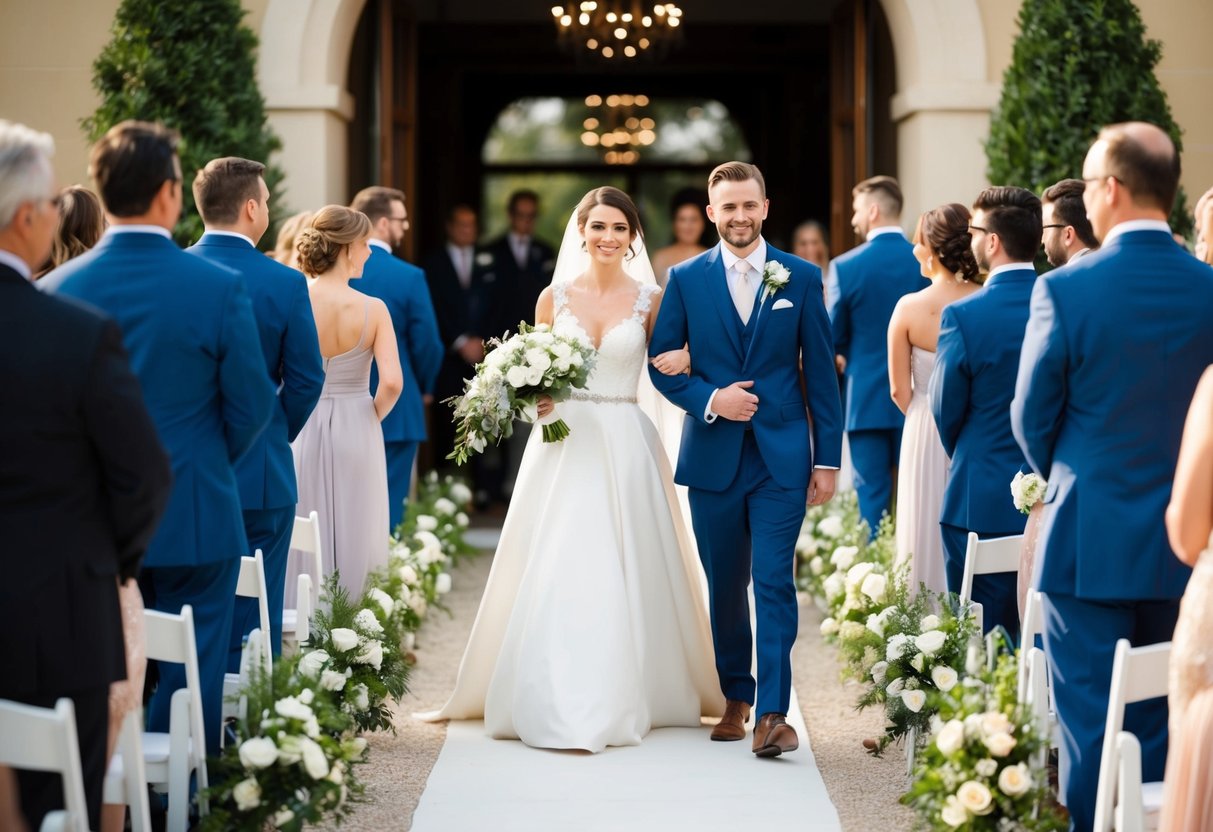
Understanding the order of exits during the recessional can help make your wedding ceremony seamless. Let’s explore the roles of the officiant, the bridal party, and the guests to ensure everything runs smoothly.
Role of the Officiant
The officiant plays a key role in the recessional. After you and your partner say your vows, the officiant will officially introduce you as a married couple.
Once this announcement is made, the officiant typically leads the way as you exit down the aisle. It’s important for the officiant to set a welcoming tone. They should encourage everyone to applaud or cheer. This makes for a joyful atmosphere as you begin your new journey together.
Bridal Party Exit
After you and your partner leave the altar, the bridal party follows. The typical order is as follows:
- Maid of Honor
- Best Man
- Bridesmaids
- Groomsmen
- Flower Girls/Ring Bearers
Each member of the bridal party exits in pairs or individually, depending on your preference. The maid of honor and best man often walk together first, which adds a touch of elegance. Ensuring a smooth exit helps maintain the ceremony’s joyful spirit.
Guests’ Departure
Once the bridal party has exited, it’s time for the guests to leave their seats. They usually stand as you and your partner walk down the aisle.
Guests should exit row by row, starting from the front. You can encourage this orderly exit by making it clear in your program or through signs. Many couples also choose to have a receiving line nearby. This way, guests can greet you right after the ceremony. This leaves everyone with lasting memories of your special day.
Special Considerations
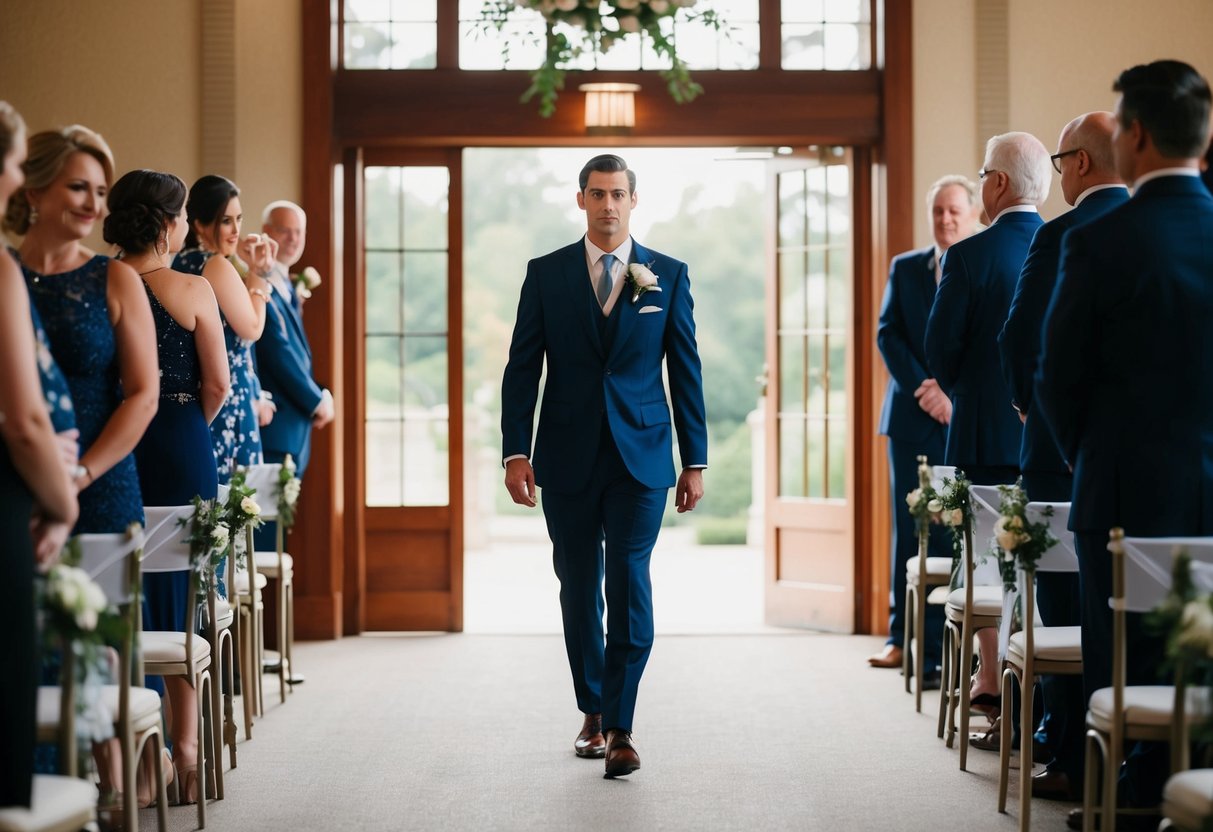
When planning how the wedding ceremony will flow, it’s important to think about cultural and personal choices. Different traditions and non-traditional ceremonies can affect who leaves first.
Cultural Variations
Many cultures have unique customs regarding the exit order at weddings. For example, in some Hispanic weddings, the bride and groom might exit first, followed by their parents. This highlights the importance of family in the celebration.
In contrast, certain Asian weddings might have the bridal party leave before the couple, allowing the newlyweds a moment alone afterwards. Understanding these variations can help you respect family traditions and make the ceremony feel more authentic to your backgrounds.
Non-Traditional Ceremonies
Opting for a non-traditional wedding means you can be flexible with the exit. For a simple elopement, you might choose to leave right after saying your vows. This keeps the focus on you rather than a larger group.
In smaller ceremonies, all guests might exit together, celebrating with the couple as a close-knit group. This approach can create an intimate atmosphere, making your day feel even more special. Tailoring the exit to your style allows for a unique experience.