
Who Made Harry and Meghan’s Wedding Cake? Exploring the Masterpiece Behind the Royal Celebration
When you think of royal weddings, the cake often stands out as a significant symbol of celebration. For Prince Harry and Meghan Markle’s wedding, the cake was not just an exquisite dessert but also a reflection of their personal tastes. Claire Ptak, a talented baker from East London, known for her unique approach and fresh ingredients, crafted the wedding cake.
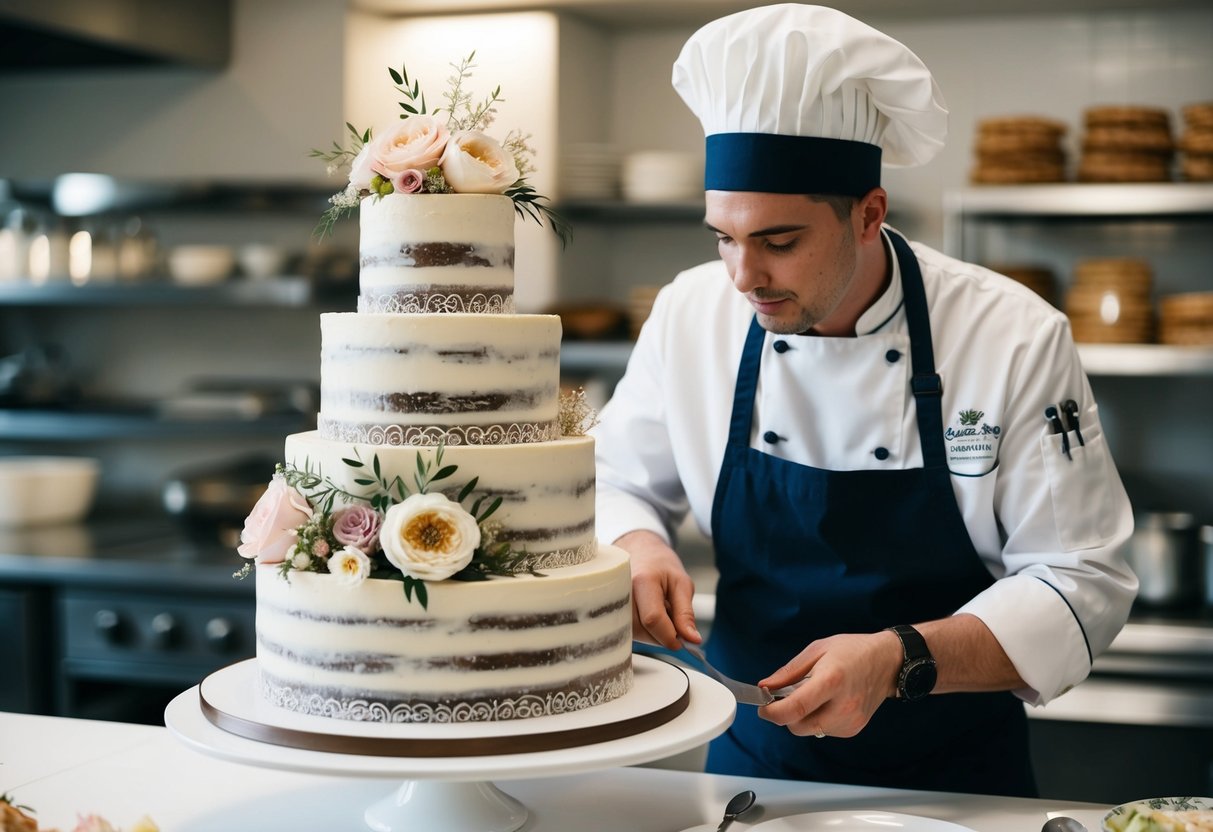
You may be surprised to learn that this cake broke away from traditional royal wedding cakes, which usually feature rich fruit fillings. Instead, Harry and Meghan opted for a beautiful lemon elderflower cake, showcasing their desire for a modern twist on a classic occasion. This choice perfectly aligned with their personalities and shared values, making their royal wedding even more memorable.
Throughout this article, you’ll discover more about the process behind creating their stunning cake and the special ingredients that were used. You’ll also learn about the charming details that made it unique to them as a couple, all while staying true to the royal tradition.
The Pastry Chef Behind the Cake
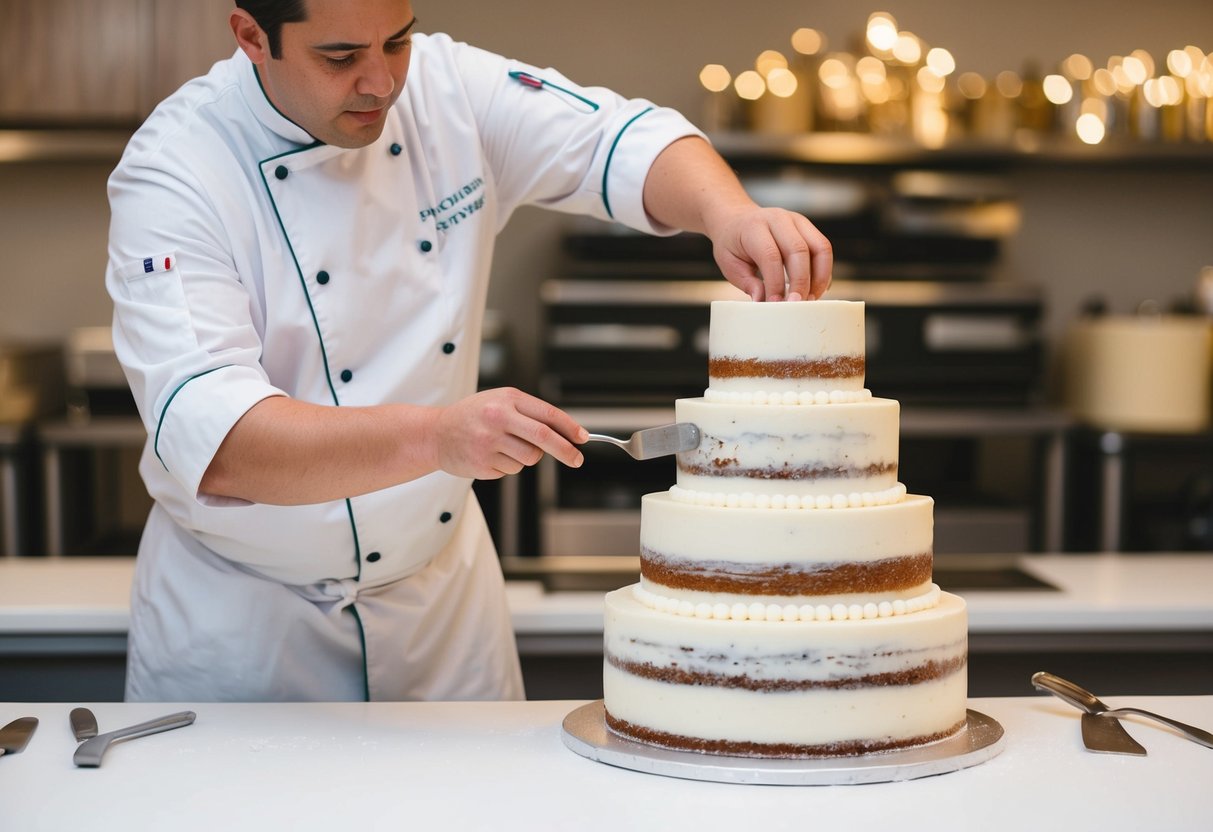
You might be curious about the talented pastry chef who crafted Harry and Meghan’s wedding cake. That chef is Claire Ptak, who owns a popular bakery called Violet Cakes in London.
Claire specializes in making delicious, fresh, and seasonal desserts. She is known for her creative approach to baking. Instead of a traditional fruitcake, she made a light lemon and elderflower cake, reflecting the spring vibe of the wedding.
The couple chose Claire because they admired her style and quality. They gave her creative freedom to design the cake, allowing her to infuse her own ideas into the project.
Claire’s journey started in California, where she learned the art of baking. After moving to London, she opened her bakery. Her cookbook also showcases her skills and unique recipes.
Baking isn’t just a job for her; it’s a passion. You can often find her experimenting with new flavors and techniques. Claire’s dedication to her craft shone brightly on that special day.
The wedding cake became a centerpiece of the event, loved by many guests. If you want to explore more about her journey, check out her work at Violet Cakes.
Design and Ingredients of the Royal Wedding Cake
The royal wedding cake for Harry and Meghan was a thoughtful and elegant creation. Its design focused on fresh ingredients and beautiful presentation, reflecting both tradition and modernity. You’ll find that the flavor, sustainability, and visual elements all played significant roles in making this cake uniquely special.
Flavour Profile and Ingredients
The cake featured a delightful lemon and elderflower combination, creating a light, refreshing taste perfect for a spring celebration. The recipe included ingredients like organic eggs, flour, and sugar, ensuring high quality. One standout element was the use of Amalfi lemons, known for their rich flavor, and elderflower cordial, which added a distinct floral note. Topped with Swiss meringue buttercream, it not only looked beautiful but also provided a creamy texture. This combination made the cake both tasty and memorable for guests.
Sustainability and Provenance
The couple and their baker, Claire Ptak, placed a strong emphasis on sustainability and food provenance. They sourced many ingredients from local and organic suppliers. For example, the use of Sandringham elderflower cordial connected the cake to the Queen’s Sandringham Estate, showing respect for British traditions. This emphasis on organic ingredients highlighted their commitment to supporting sustainable practices. Choosing local items not only favored freshness but also celebrated the seasonality of the ingredients.
Visual Elements and Decor
The visual design of the cake was just as striking as its flavor. Composed of three tiers, it included a two-tier wedding cake accompanied by two single-tier cakes. Each layer was adorned with around 150 fresh flowers, mainly British peonies and roses, which added elegance and texture. The natural blooms complemented the cake’s light colors and captured the essence of a spring wedding. This thoughtful decorating approach elevated the cake, making it a beautiful centerpiece for the celebration while keeping it rooted in nature.
Ceremonial Significance and Venue
The wedding of Prince Harry and Meghan Markle brought together rich traditions and a stunning venue. This event took place at St. George’s Chapel in Windsor Castle, a location known for its royal history. The couple tied the knot on May 19, 2018, creating a memorable day.
The Wedding Venue
St. George’s Chapel is not just beautiful; it holds great importance in royal history. Located within Windsor Castle, this chapel has hosted many royal ceremonies over the years.
Key Features:
- Elegant architecture that showcases Gothic design.
- Capacity for 800 guests, making it an intimate setting for such a grand event.
You might recall the 600 guests, including family and friends, arriving for the wedding day. The chapel’s setting created a warm atmosphere, perfect for Prince Harry and Meghan Markle, the Duke and Duchess of Sussex.
Traditions and the Royal Couple
The wedding ceremony incorporated many royal traditions. One highlight was the special fruit cake decorated with royal icing, a nod to classic wedding customs.
Ceremonial Elements:
- The groom’s cake, made with chocolate biscuits, was a personal touch from Harry.
- Meghan wore a stunning gown by Clare Waight Keller, symbolizing modern royal elegance.
The presence of family members, including Prince William, added a personal touch to the event. Each tradition celebrated the couple’s love while honoring royal heritage, making the day unforgettable.
Notable Wedding Cakes in Royal History
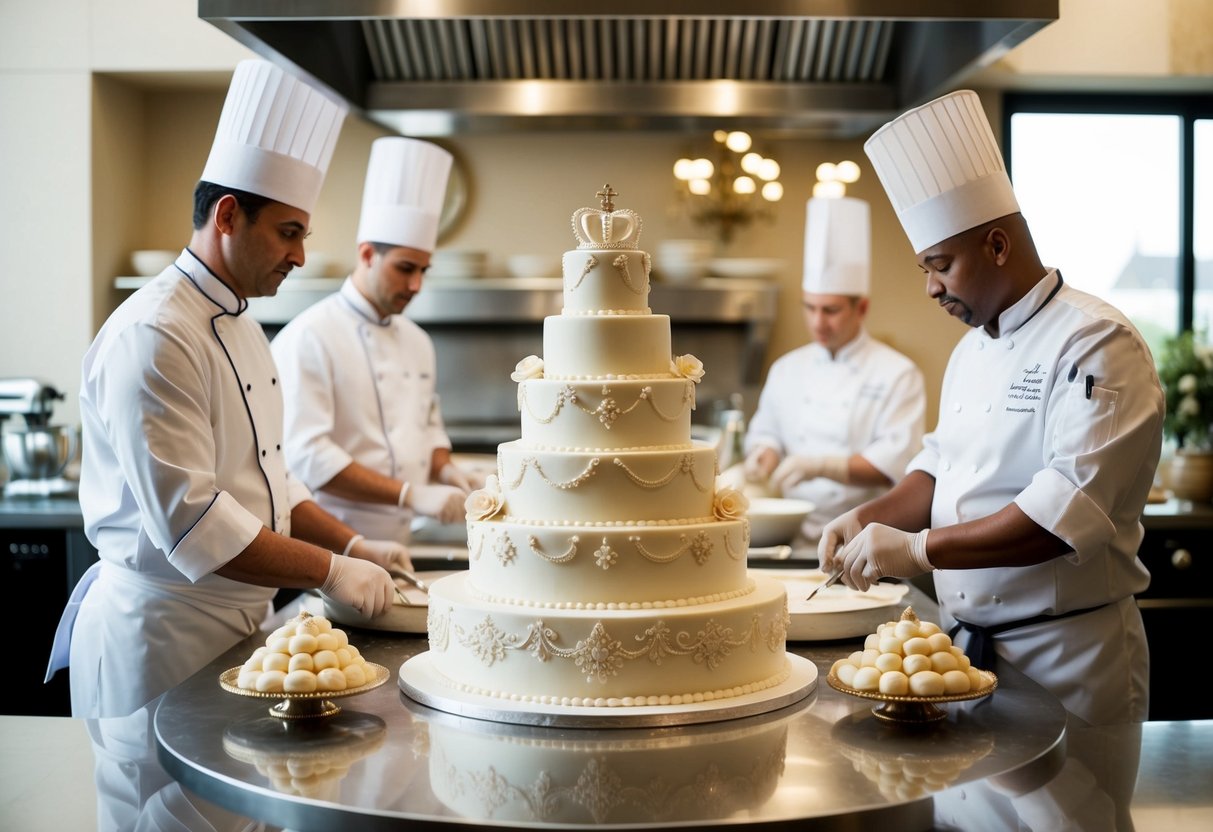
Royal wedding cakes have always captured the public’s imagination. From their rich flavors to stunning designs, these cakes tell stories of tradition and evolution.
Historic Royal Wedding Cakes
One of the most famous royal wedding cakes is the one created for Queen Victoria’s wedding to Prince Albert in 1840. This cake was a fruit cake covered in white icing and was groundbreaking at the time.
Fast forward to Prince William and Kate Middleton’s wedding in 2011, where the cake featured a classic fruit cake layered with floral decorations, a staple at royal weddings.
More recently, Prince Harry and Meghan Markle chose a unique cake from Violet Bakery in Hackney, London. Their cake combined lemon sponge with Amalfi lemon curd and elderflower syrup, highlighting a shift to lighter flavors.
Comparisons and Contemporary Evolution
When comparing historical cakes to contemporary ones, we notice a shift in flavor profiles. Earlier cakes were dense fruit cakes, often soaked in alcohol, while modern cakes feature lighter, vibrant flavors.
For instance, Harry and Meghan’s cake diverged from the traditional fruit cake. Many couples today prefer options like lemon sponge and elderflower, catering to changing tastes.
Royal cakes have also become more personalized. The design of Harry and Meghan’s cake reflected their style, making it special. The evolution of these cakes mirrors societal changes and preferences. Royal wedding cakes may have begun as symbols of tradition, but they now embrace modern flavors and creativity, showcasing your preferences and taste.