
Who Marries You at a Non-Religious Wedding? Exploring Your Officiant Options
Planning a non-religious wedding can be exciting and personal. As you think about your wedding ceremony, one important question comes to mind: you can choose from various officiants, like a professional officiant, a judge, or a friend who gets ordained, to preside over your civil ceremony. This flexibility allows you to create a unique and meaningful experience that reflects your values and beliefs.
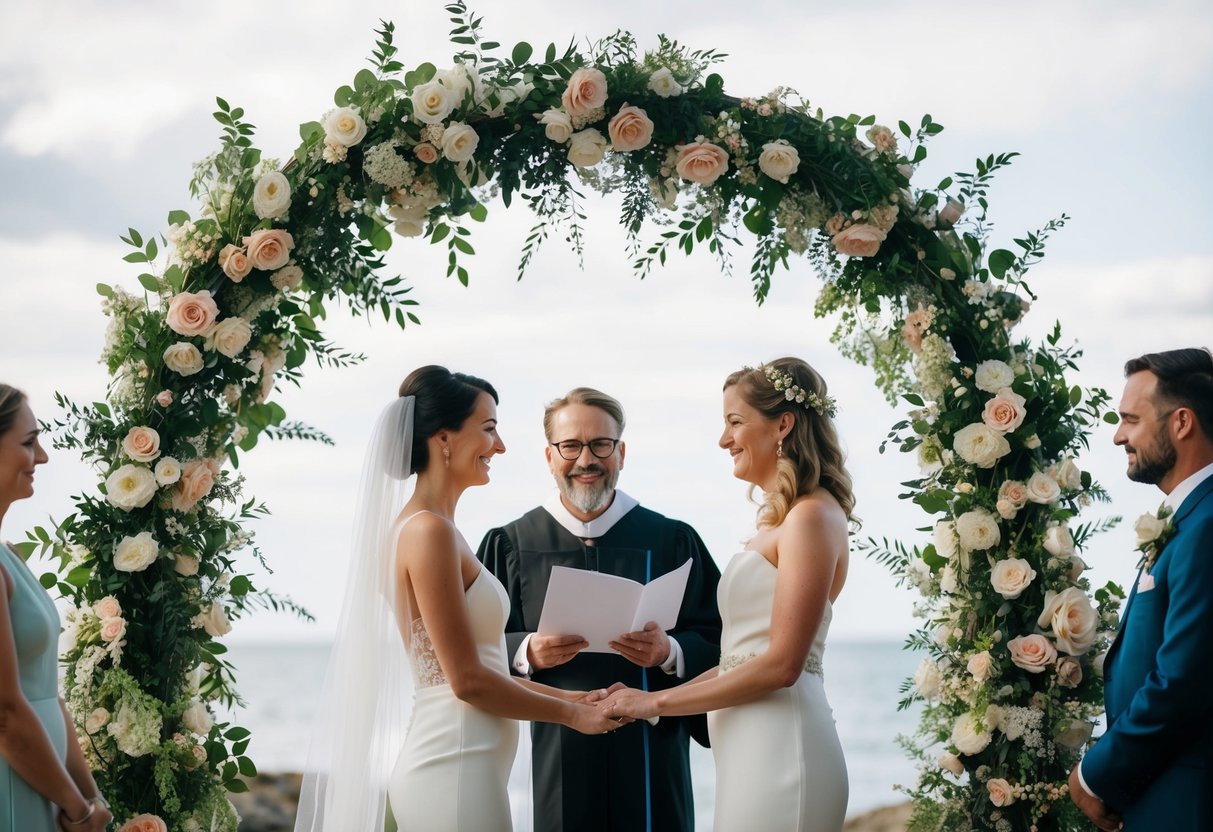
In a secular wedding, the officiant plays a key role in making your vows official. Whether you opt for a legal officiant or a celebrant, this person helps you navigate the steps to ensure your marriage is recognized. It’s a great chance to customize your ceremony to match your style and preferences, making it truly special for both you and your guests.
While some couples may feel pressure to conform to traditional practices, a non-religious wedding opens up endless possibilities. You can focus on what matters most to you, from the venue to the officiant, and even the way you write your vows. Embrace the freedom to celebrate your love in a way that feels genuine and true to you.
Understanding Non-Religious Weddings
Non-religious weddings offer a unique celebration of love, focusing on the couple’s values and beliefs. These ceremonies can be deeply personal and meaningful while also fulfilling legal requirements.
The Essence of a Secular Ceremony
A secular ceremony is all about you and your partner. You have the freedom to choose how you want to express your love without religious constraints. This flexibility allows you to create a ceremony that reflects your unique relationship.
You can include elements that are important to you, such as personal vows, readings, and music. Many couples also opt for non-religious officiants, who bring a fresh perspective. Whether you want a simple gathering or an elaborate celebration, a secular ceremony can be tailored to your style.
Legal Marriage Vs. Religious Ceremony
A crucial aspect of a non-religious wedding is understanding legal requirements. In many regions, a civil wedding ceremony is needed to legally bind your marriage. This ceremony can be distinctly non-religious while still meeting all legal obligations.
You may find that a secular officiant can help you navigate these requirements. It’s essential to check local laws, as some areas may have specific rules for non-religious ceremonies. Always ensure that your chosen ceremony meets legal standards so your marriage is recognized.
Choosing Your Non-Religious Officiant
Selecting the right officiant is an important step for your non-religious wedding. This person will help create a meaningful ceremony that fits your vision. Understanding the types of officiants available and how to choose the best one is crucial.
Types of Secular Officiants
There are various types of non-religious officiants you can consider for your ceremony. A few popular options include:
-
Civil Officiants: Often appointed by the government, they can conduct legal ceremonies in various locations. They focus on the legal aspects of marriage.
-
Professional Wedding Officiants: These individuals may have training in creating personalized ceremonies. They often bring experience and insight into what works best for couples.
-
Friends or Family Members: Sometimes, having someone close to you officiate adds a personal touch. Ensure they are comfortable taking on this role.
Choosing the type that resonates with you can help shape your wedding experience.
Qualities of a Professional Wedding Officiant
When looking for a professional officiant, consider their qualities. Here are some important traits:
-
Experience: A seasoned officiant will have better knowledge of what makes a ceremony flow smoothly. It’s beneficial to check reviews or ask for references.
-
Flexibility: They should be open to customizing the ceremony to reflect your personality and preferences. This ensures it feels genuinely yours.
-
Communication Skills: An officiant with strong speaking abilities can engage guests and create a warm atmosphere. You want them to sound confident and natural during your service.
Selecting someone with these qualities can enhance your wedding day.
How to Find a Wedding Officiant
Finding a wedding officiant can be straightforward if you know where to look. Start with these steps:
-
Ask for Recommendations: Talk to friends, family, or wedding vendors. Personal recommendations often yield reliable suggestions.
-
Online Research: Use platforms like wedding websites to find listings of officiants near you. You can read reviews and compare prices to make an informed choice.
-
Schedule Interviews: Meeting potential officiants allows you to gauge their personality and see if you connect. It’s about finding someone who aligns with your vision and style.
These steps will guide you in choosing a non-religious officiant who fits your needs perfectly.
The Legalities of a Non-Religious Marriage
Understanding the legal requirements for a non-religious marriage is essential. You need to know about marriage licenses, the role of officiants, and who has the legal authority to conduct the ceremony.
Understanding Marriage Licenses and Certificates
Before your non-religious wedding, you must obtain a marriage license. This license is a legal document issued by your state or county. It allows you to get married officially.
To get the license, both partners typically need to apply in person. You may need to provide identification and pay a fee.
After your ceremony, your officiant will sign the license, and you will receive a marriage certificate. This certificate serves as proof of your marriage and is important for legal matters.
The Role of Civil Officiants in Legal Recognition
Civil officiants play a crucial role in non-religious marriages. They are authorized individuals who can legally marry couples without religious connotations.
In many states, you can choose someone to officiate, such as a judge or a civil celebrant. They understand the legal requirements needed for your marriage to be recognized.
You may also consider organizations like American Marriage Ministries. They help individuals get ordained online so they can officiate weddings legally.
Ordination and Legal Authority to Officiate
For a non-religious wedding, the officiant must have the legal authority to perform the ceremony. This typically means being ordained.
You can get ordained through various online platforms, such as Universal Life Church. Once ordained, the person can officiate marriages.
Check local laws, as requirements for ordination and officiation may vary. Make sure your officiant understands these legal aspects to ensure your wedding is recognized.
Personalizing Your Non-Religious Ceremony
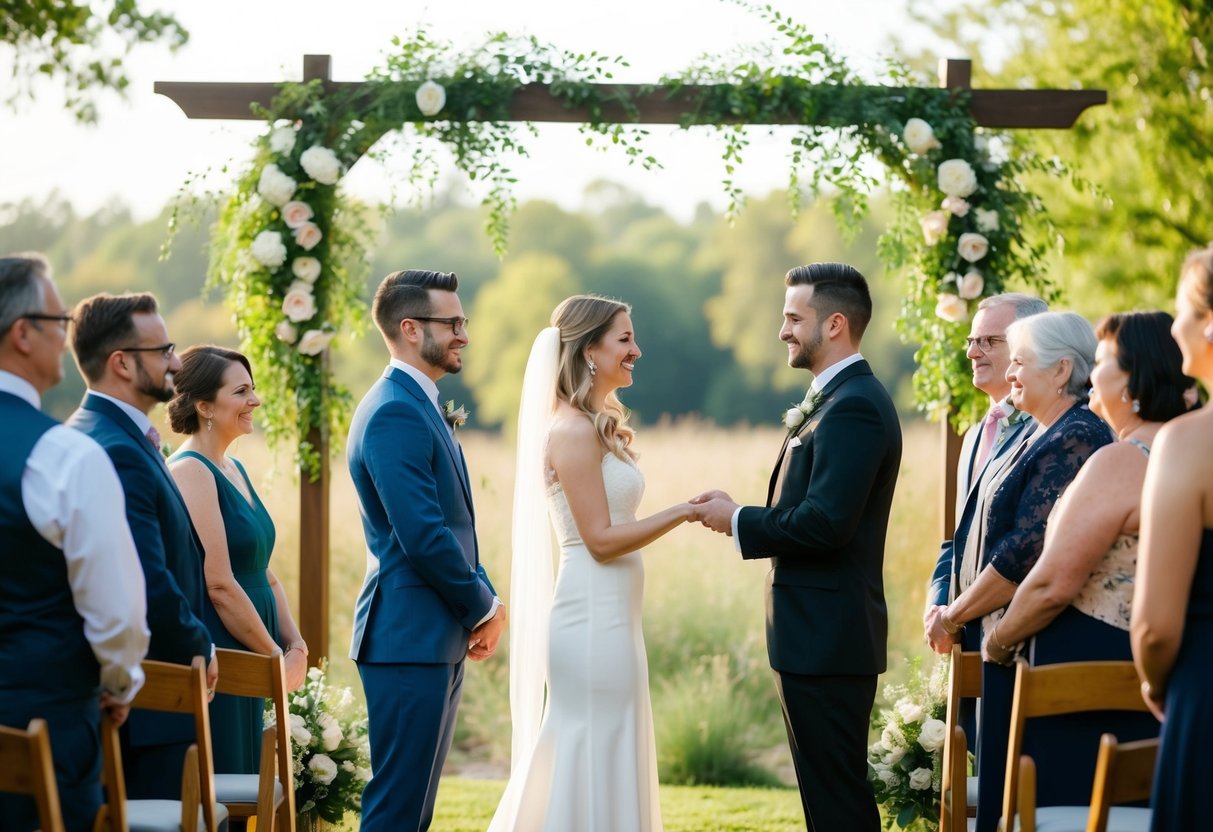
Creating a personal touch in your non-religious wedding ceremony can make the day truly special. You have the freedom to craft a ceremony that reflects your unique relationship and values. This section explores how to develop a meaningful ceremony script, incorporate personal touches, and consider your celebration type.
Developing Your Ceremony Script
Start by thinking about your ceremony script. This script sets the tone for the day. You can choose to include readings, quotes, or even share your love story.
Make it personal. You might want to write your vows or choose meaningful passages that reflect your journey together. Including friends or family in readings can also bring warmth to the event. Keep it simple and make sure your words represent your feelings.
For a well-structured script, think through the flow of the ceremony. Include key moments like the exchange of vows, the ring exchange, and any additional rituals you want. This way, your unique love story shines through, making the ceremony memorable.
Incorporating Personal Touches and Unity Rituals
Adding personal touches can enhance the emotional connection of your ceremony. Consider incorporating unity rituals. These are symbolic acts that represent your bond.
Some popular unity rituals include a sand ceremony, candle lighting, or planting a tree together. Each of these symbolizes your unity in a distinct way. You can even create a custom ritual that reflects your shared interests or hobbies.
Don’t forget about decorations! Personalize your venue with photos, mementos, or favorite flowers. Small details like personalized signage or meaningful music can also enhance the atmosphere. These touches help create a heartfelt setting for your special day.
Eloping or Planning for a Larger Celebration
Whether you’re eloping or planning a big celebration, personalization is key. For elopements, think about a cozy location that has significance for you both. It could be a favorite spot in nature, a historic site, or even your backyard.
If you’re planning a larger wedding, consider how you want everyone involved. From invitations to the ceremony, everything can reflect your style.
Involve friends and family in planning activities, like creating a family recipe book for the reception. This helps everyone feel included in your special day.
Choose elements that showcase your wedding vision while making the experience joyful for both you and your guests.