
Who Name Goes First on the Wedding Invitation? A Guide to Traditional Practices
When it comes to wedding invitations, few questions spark as much curiosity as whose name goes first. Traditionally, the bride’s name is placed at the top, followed by the groom’s full name. This long-standing practice reflects a time when couples followed more conventional roles. Today, many couples are rethinking how they want their names presented.
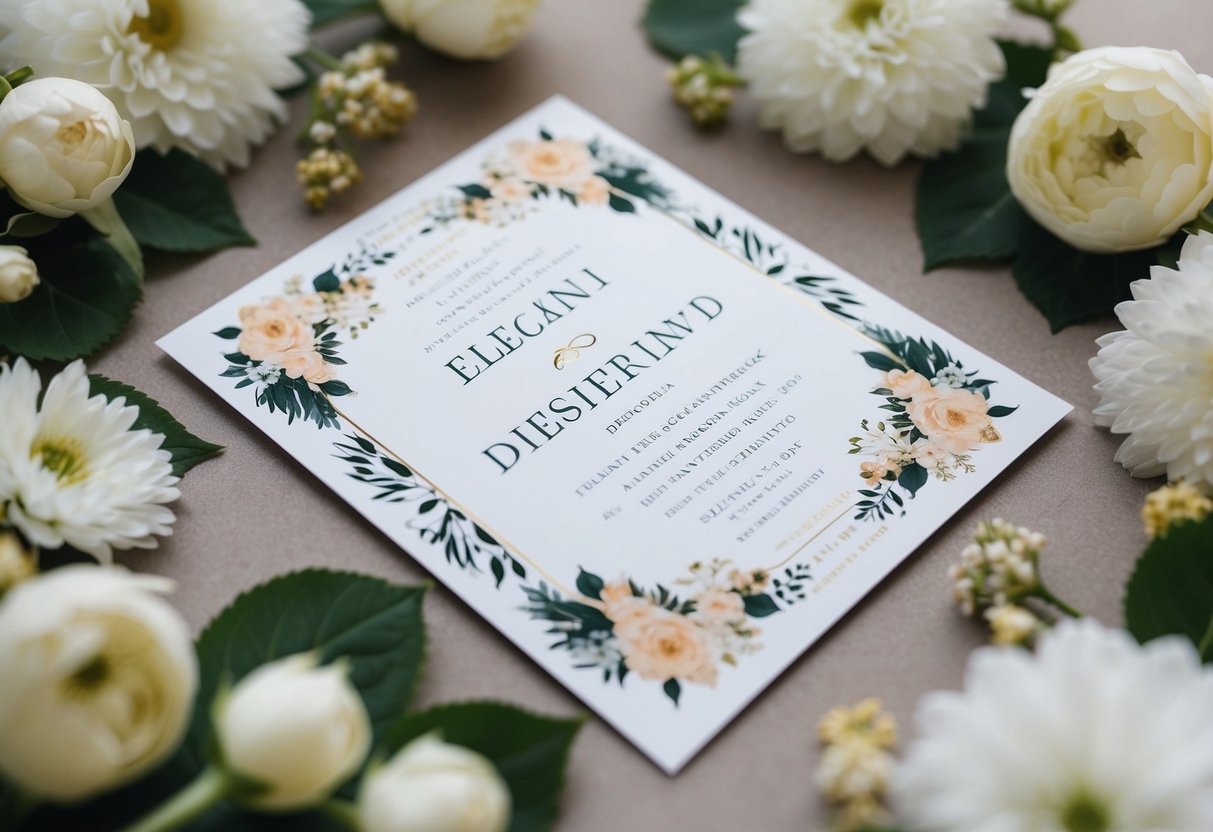
As you plan your wedding, understanding invitation etiquette can help you make choices that feel right for you. Whether you’re a bride-to-be or part of a same-sex couple, it’s important to communicate as a pair about your preferences. This will ensure your invitations represent both of you and set the tone for your special day.
Ultimately, the decision is yours, and the key is to select a format that reflects your unique relationship. You can opt for traditional styles, or embrace a modern approach that feels more authentic to you. Embracing your personal touch in wedding planning makes the process even more exciting!
Understanding Wedding Invitation Etiquette
When planning your wedding invitations, knowing how to order the names is essential. The name order often reflects tradition but can also adapt to personal choices. Let’s dive into how these aspects play out in your invitation design.
The Role of Tradition in Name Order
Traditionally, wedding invitations list the bride’s name first. This custom honors the idea that her family historically hosts the celebration. You may see phrasing like “Mr. and Mrs. John Smith request the honor of your presence at the marriage of their daughter.” This shows respect to both families and sets a formal tone.
For couples with different last names, it’s common to put the bride’s name before the groom’s. This traditional etiquette can help guide you, especially if you want a classic feel to your invitation wording. Remember that staying true to certain traditions can still honor your individuality as a couple.
Modern Etiquette Adaptations
Modern weddings have evolved, allowing for greater flexibility in name order. If you prefer a more equal approach, listing both names can reflect your partnership better. For example, you might consider “Jessica and Michael invite you to celebrate their wedding.”
In same-sex marriages, either name can go first, depending on personal preference. Modern invitation design can showcase your unique style, moving away from strict traditions. You can use playful language and creative layouts to express yourselves fully. Trust your instincts, and choose what feels right for your celebration!
Designing Your Wedding Invitations
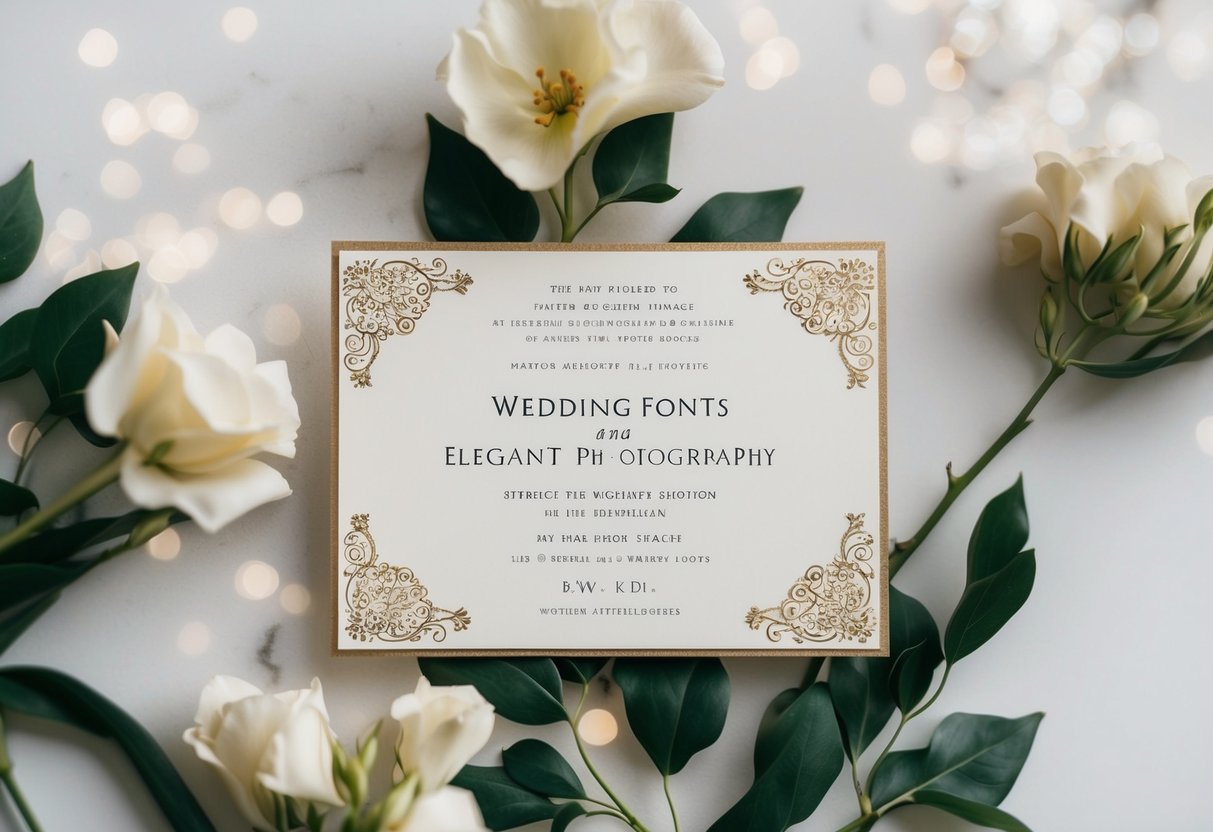
Creating your wedding invitations is an exciting part of wedding planning. You want them to accurately reflect your style and the tone of your big day. Pay attention to the format and design, as well as the formality to make the right impression on your guests.
Choosing the Right Format and Design
When it comes to the format of your invitations, think about how you want to present yourselves. Generally, traditional invitations list the bride’s name first, followed by the groom’s. This order is a long-standing custom and helps set a formal tone.
For the design, consider elements like colors, fonts, and materials. You might want to choose a classic look with elegant typography or a whimsical style that reflects your personality. Don’t hesitate to include personal touches, like custom illustrations or monograms. This makes your invitations uniquely yours.
Incorporating Formality and Style
The level of formality should match your wedding’s dress code. If your wedding is black-tie, opt for formal language and elegant designs. Your wedding invitation is an indication of what guests should expect, so use phrases like “request the honor of your presence” for religious ceremonies.
For more casual weddings, feel free to use a relaxed tone. You might say “join us for a celebration” instead. Remember to select a style that feels right for both of you. Mixing elements that represent your personalities can help bridge any differences in formality. Consider including RSVP cards and other details that match your overall invitation design.
Addressing the Invitations
Getting the addressing right on wedding invitations is important. You want to make sure your guests feel welcomed. Various rules can help you navigate this task, especially when considering family dynamics and preferences.
Mastering Envelope Addressing
When addressing your wedding invitations, start with the outer envelope. It should be formal, including full names and titles. For a married couple, use “Mr.” and “Mrs.” followed by the husband’s name: “Mr. John Smith.”
For couples with hyphenated last names, such as “Smith-Jones,” you write: “Mr. John Smith-Jones and Mrs. Jane Smith-Jones.” If inviting a divorced woman, use her current name, like “Ms. Anna Brown,” instead of her ex-husband’s name.
Tip: Always double-check spelling and use clear, elegant handwriting. This ensures your invitations look polished.
Special Considerations for Diverse Family Structures
Today’s families come in different shapes and sizes, and addressing them correctly is key. For same-sex couples, you can use the names in alphabetical order or ask them their preference. For instance, “Ms. Jamie Lee and Ms. Taylor Morgan.”
If there are children, you might add them on the same line or on a separate line depending on the family structure. For example: “Mr. and Mrs. John and Anna Smith with their children, Mia and Jake.”
Always respect what feels right for the couple and their families. This personal touch can make your invitations special.
Integrating Key Wedding Details
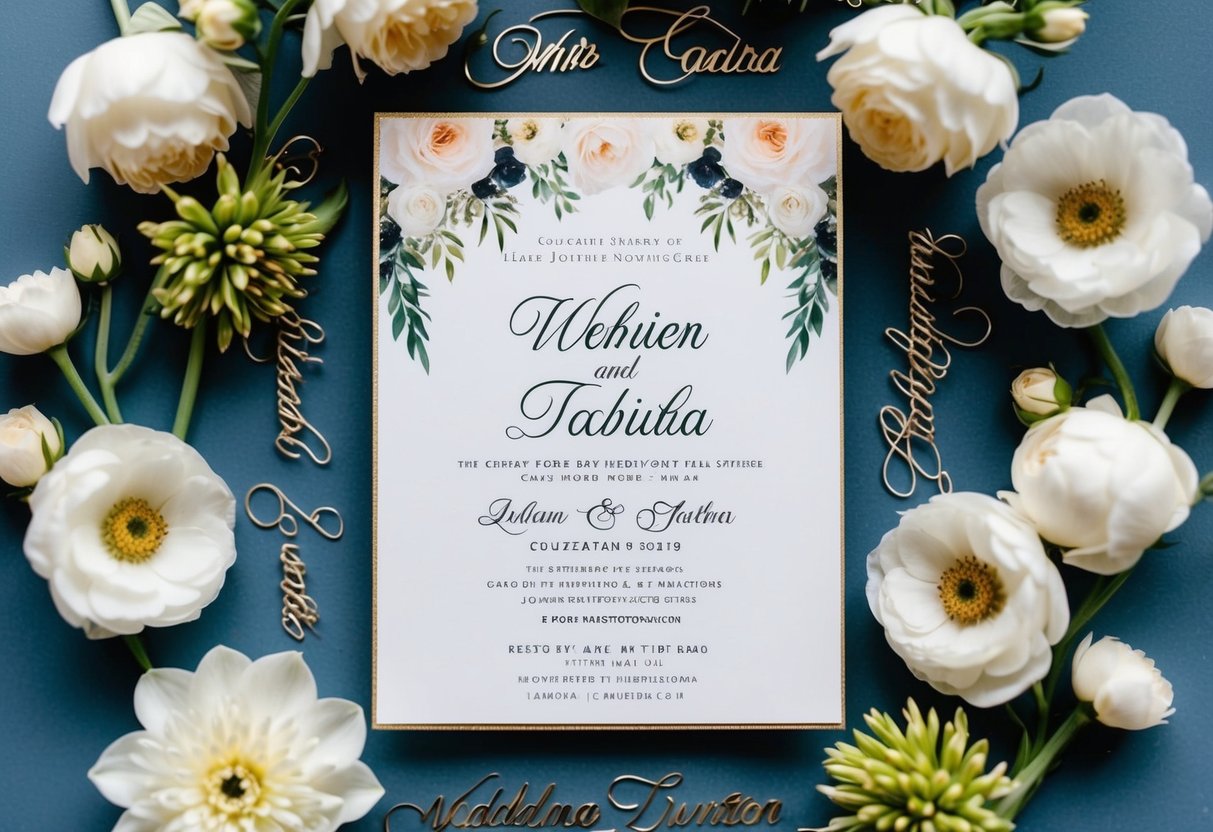
When planning your wedding invitations, including essential details is crucial. Not only do guests need to know who is getting married, but they also want all the information to join you on your special day.
RSVP and Reception Information
Make it easy for your guests to respond by clearly stating the RSVP details. Include a specific date by which they should reply. You might use a simple phrase like, “Please respond by [date].”
Also, provide clear instructions on how to RSVP—whether through a website, phone number, or a return card.
For the reception, include the venue name, address, and start time. If the reception is at a different location from the ceremony, make sure to specify that. You want everything to flow smoothly and avoid any confusion on your big day.
Registry and Additional Information
Sharing registry information is a thoughtful touch that can help your guests choose gifts you’ll love. You can include a simple note like, “We are registered at [store names]” on your invitation suite.
You might also want to add a separate card with any additional details. For example, you can let guests know about dress codes or nearby accommodations. This is helpful if some guests are traveling from out of town.
Never forget the “host line.” This acknowledges the families involved in hosting the wedding. Position it after the couple’s names on the invitation to honor family contributions. All these details help create a seamless experience for your guests.