
Who Normally Sits Together at a Wedding? A Guide to Wedding Seating Arrangements
When planning a wedding, figuring out who sits where can feel like a puzzle. Typically, the bride and groom’s parents sit together at the head table, along with siblings and grandparents. This arrangement honors family ties and follows traditional customs.
You might also consider seating friends and relatives who share interests or who haven’t seen each other in a while at the same table to make the celebration more enjoyable.
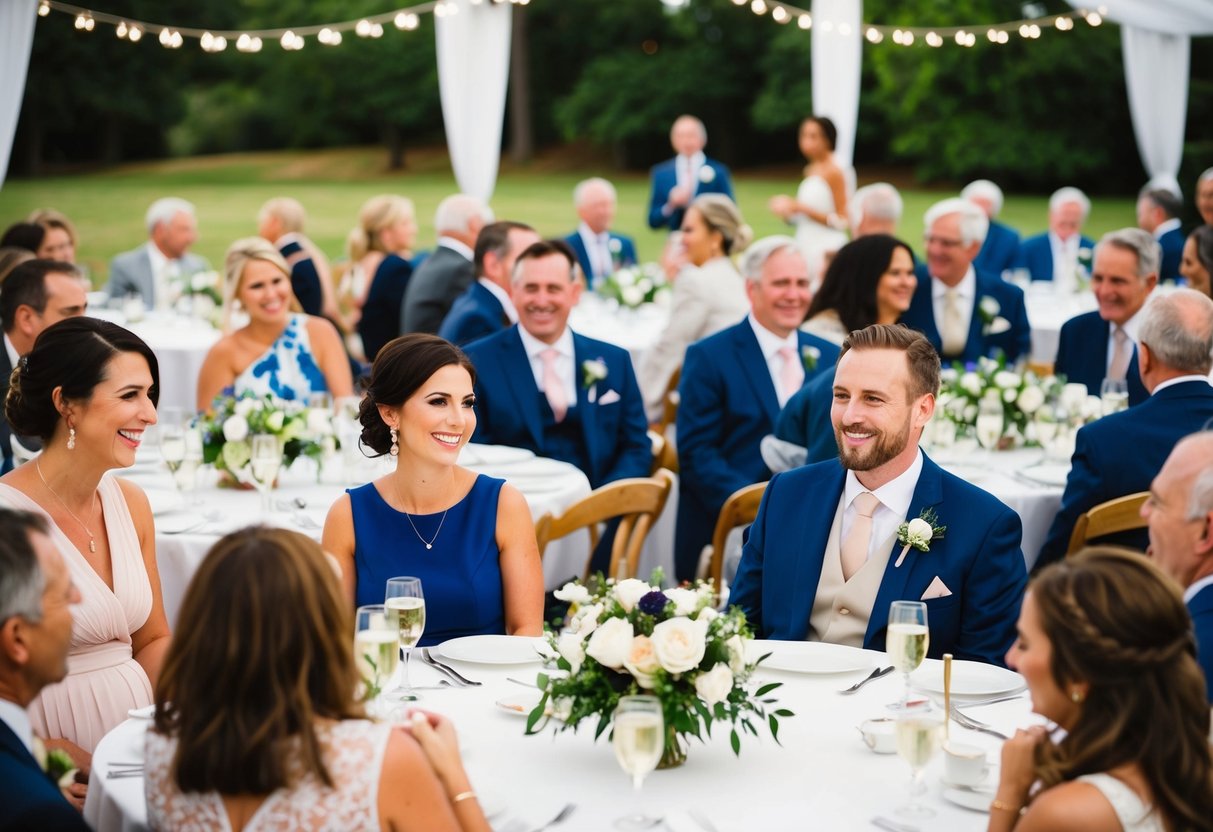
For those hosting a kid-friendly wedding, it’s common to have a separate table for children. This way, they can play and interact with others their age, while adults can engage in conversation.
By understanding who usually sits together, you can create a comfortable atmosphere for your guests, making your wedding a memorable occasion for everyone involved.
The Importance of Seating Arrangements
Seating arrangements are key to creating a comfortable and enjoyable atmosphere at your wedding reception. Thoughtful planning helps ensure that guests feel welcomed and makes interactions smoother. Let’s break down the significance of the seating chart, the head table setup, and the sweetheart table.
Seating Chart Significance
A well-planned seating chart can greatly enhance the wedding experience for you and your guests. It helps organize guests according to relationships, making it easier for them to mix and mingle.
Consider grouping family members together, as well as friends who share common interests.
Using a seating chart also prevents awkward moments. By placing guests who get along at the same table, you can foster conversations and connections. Make sure to think about guests with special needs or those who might require assistance, ensuring their comfort during the celebration.
Head Table Setup
The head table is a focal point during the reception. This is where you, your partner, and your closest wedding party members will sit.
Typically, the bride sits to the groom’s left, while the best man and maid of honor sit beside you.
Consider the layout of your head table. A straight line is traditional, but a U-shape or round table can foster better interaction. It’s also a good idea to decorate the head table differently from others to make it stand out. This setup not only highlights the couple but also emphasizes the importance of these special guests.
Sweetheart Table Explained
The sweetheart table is a cozy option for couples who want an intimate dining experience. It typically seats just the bride and groom, allowing for special moments during the meal.
This arrangement offers a chance to enjoy quiet conversations away from the larger crowd.
When choosing a location for your sweetheart table, consider its visibility. You’ll want to be able to see and engage with your guests while still enjoying your private time.
Adding a beautiful centerpiece can enhance the table’s appeal, making it a lovely spot for photos and memories during the celebration.
Organizing Guests at Your Wedding
Creating a thoughtful seating arrangement is essential for a joyful wedding experience. By considering family dynamics, friend groups, and VIP guests, you can make sure everyone feels comfortable and included.
Family Seating Dynamics
When organizing family seating, start by grouping close family members at tables together. Placing parents, siblings, and grandparents nearby fosters a sense of unity.
Consider the relationships among family members. For instance, if there are feuding relatives, it’s best to seat them at different tables. You can reserve seats for immediate family at the head table to honor their importance.
It’s helpful to create a family table list. This ensures everyone knows where to go and can help minimize confusion when they arrive.
Friends and Singles Table Configurations
For friends, aim to group those who know each other. This encourages laughter and conversation throughout the reception.
You can mix in single guests to create a lively singles table. This can also help break the ice for those who may not know many other guests.
If you have a mix of friend groups, be mindful of their dynamics. Consider interest or shared experiences when seating them together. Using colorful place cards can also make finding their seats more fun and engaging.
VIP and Special Guests Arrangements
VIP guests should receive special attention in your seating plan. This includes parents or grandparents of the couple and any close relatives or friends who have traveled far to celebrate with you.
You may want to designate a few reserved seats for these guests at the front tables. This shows how much you value their presence.
It’s also helpful to communicate any special needs or accommodations when seating VIP guests. Whether it’s dietary restrictions or mobility concerns, keeping these in mind will make their experience more enjoyable.
Final Touches and Wedding Day Management
As you prepare for your wedding day, focusing on the details can make a big difference in the overall experience. Managing place cards and handling last-minute changes are crucial parts of making everything run smoothly.
Place Cards and Escort Cards
Place cards and escort cards help your guests find their seats with ease.
Escort cards typically list the guest’s name and table number, guiding them to the correct reception area. It’s a good idea to organize these cards by table for easy access.
Place cards go further by showing each guest their specific seat at the table. This helps create the desired seating arrangement.
Make sure to confirm the RSVP list so you know who will be attending. You might even consider a small table with your place and escort cards displayed nicely to keep things organized.
Managing Last-Minute Changes
Even with careful planning, surprises can happen. A guest may have to cancel or an unexpected plus one might show up.
Here’s how to manage those changes:
-
Stay Flexible: Your wedding planner is your ally. Keep them updated on any changes. They can help adjust seating arrangements quickly if needed.
-
Update the Seating Chart: If someone can’t make it, review the table arrangements. Adjust place and escort cards accordingly.
-
Communicate: Share changes with your venue staff or catering team. They need to know how many meals to prepare for your final guest count.