
Who Organises Indian Weddings? A Guide to Understanding the Roles and Responsibilities
When planning an Indian wedding, understanding who organizes all the details can be a game changer for your special day. Typically, a professional wedding planner or a dedicated family member takes charge of the intricate arrangements. This ensures that every aspect, from traditional rituals to the wedding ceremony, flows smoothly and reflects your vision for a dream wedding.
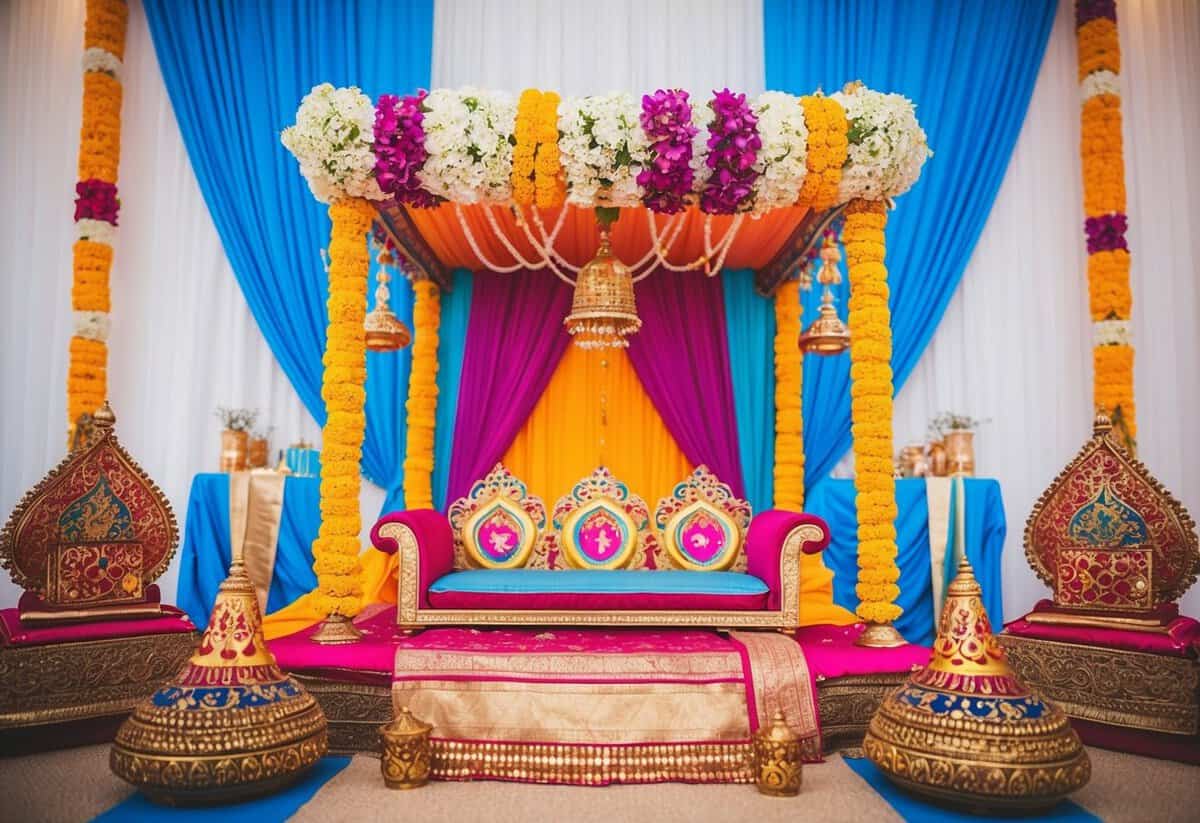
You may find that some families choose to rely on their cultural traditions. They call upon experienced relatives who have organized weddings in the past. Alternatively, hiring a skilled event planner can add a layer of expertise, helping you navigate through the vibrant customs and elaborate celebrations often seen in Indian weddings.
Whether it’s picking the perfect venue or coordinating with various vendors, knowing who to turn to for help can ease your planning stress. By understanding the roles involved, you can make informed choices that enhance your wedding experience and create lasting memories.
Key Stakeholders in Indian Wedding Organization
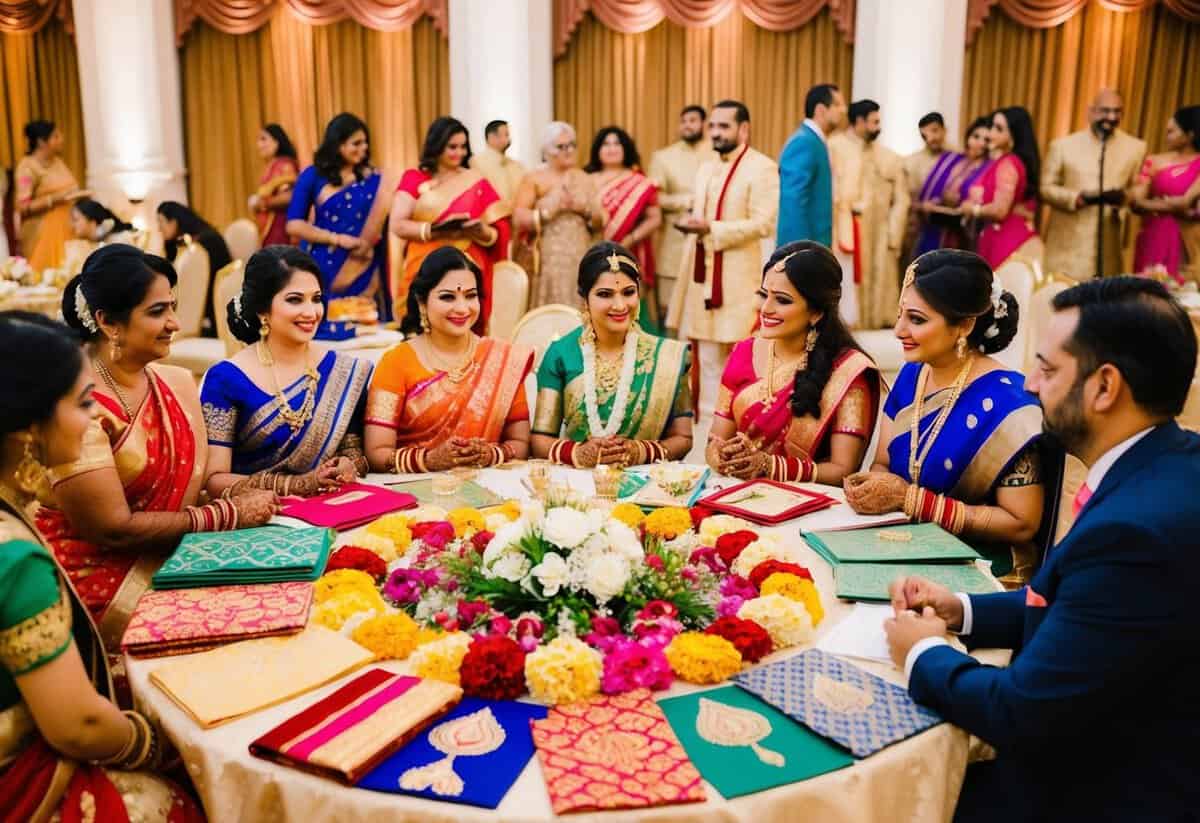
Planning an Indian wedding involves various key stakeholders who play important roles. Each entity contributes to the unique vision and execution of the event, ensuring that everything runs smoothly and meets your expectations.
The Role of Professional Wedding Planners
A wedding planner is essential in organizing Indian weddings. They bring expertise and experience to your special day. Planners help manage budgets, coordinate vendors, and design the wedding’s overall theme.
These professionals also provide valuable insights into local customs and trends. They’ll design ceremonies that respect traditions while adding a personal touch. Their network helps you access top vendors like caterers, decorators, and photographers.
Moreover, planners can alleviate stress. They handle logistics, from venue booking to scheduling events, so you can focus on enjoying your celebration. By establishing a clear vision, your wedding planner ensures your ideas come to life seamlessly.
Family Participation in Planning and Execution
Family plays a fundamental role in Indian wedding planning. Typically, the bride and groom’s families work together to make decisions. This involvement is key to honoring traditions and customs.
Many families take charge of specific tasks, such as selecting venues, catering, and guest lists. This collaboration can strengthen family bonds. It fosters a sense of shared responsibility for the event.
Moreover, family members often influence important choices like rituals and ceremonies. Their personal touch can add sentimental value and ensure that cultural traditions are maintained. Involving family can also lighten the load, allowing for a more joyful planning experience.
Involvement of the Bride and Groom
You, as the bride or groom, are central to the wedding planning process. Your preferences and dreams shape the event. It’s crucial to communicate your vision clearly to your wedding planner and family.
Your involvement ensures that the wedding reflects your personalities. This can be reflected in themes, attire, and even the choice of rituals. Engaging in tasks like selecting colors, invitations, and songs can make the process more meaningful.
Additionally, you should be open to suggestions from your planner and family. Collaboration can lead to fresh ideas that enhance your original vision. Your active participation ensures a celebration that feels uniquely yours, creating lasting memories.
Pre-Wedding Rituals and Preparations
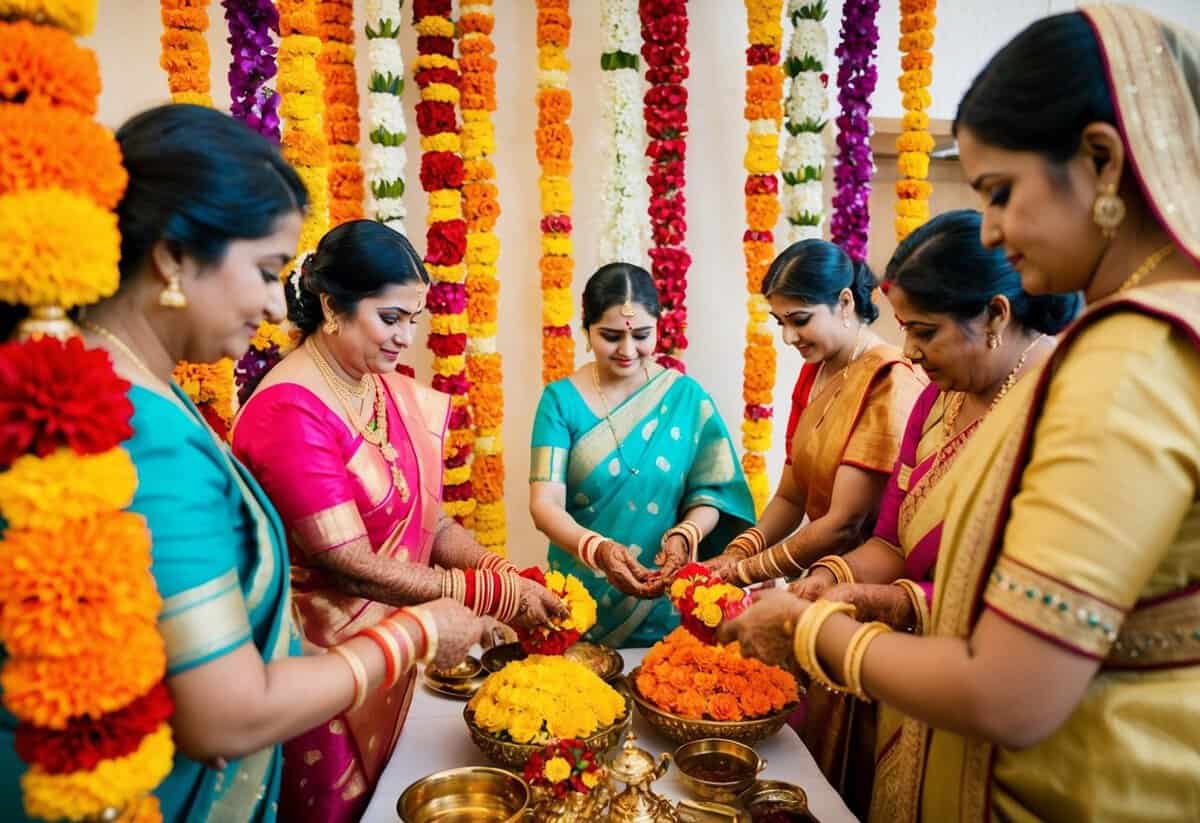
Before the wedding day, various important rituals and preparations take place that set the tone for the celebration. These events bring families together and create lasting memories. Let’s explore the key pre-wedding ceremonies that are essential in Indian weddings.
Engagement and Pre-Wedding Ceremonies
The engagement is often the first official step in the wedding process. During this ceremony, families exchange gifts and blessings. This event symbolizes the commitment of two individuals and their families.
You will also experience various pre-wedding parties, such as the Tilak ceremony. In this celebration, the groom’s family applies a mark on his forehead to signify his readiness to marry. Different communities may have unique rituals, but the essence remains the same—unifying families and honoring traditions.
Mehndi and Sangeet Celebrations
The Mehndi ceremony features beautiful henna designs applied to the bride’s hands and feet. This event is filled with joy and often includes music and dance. Traditionally, only female friends and family are present, making it a special bonding experience.
The Sangeet follows the Mehndi and is a lively musical celebration. Both families come together to sing, dance, and enjoy each other’s company. This fun-filled event helps to break the ice between families and sets a festive mood before the big day.
Haldi Ceremony and Significance
The Haldi ceremony is another important ritual where turmeric paste is applied to both the bride and groom. This vibrant yellow mixture is believed to bring good luck and purify the couple before their wedding.
During this ceremony, friends and family gather to apply the Haldi with love and laughter. It creates a warm, festive atmosphere and symbolizes the couple’s transition into married life. The bright color of the Haldi also signifies happiness and prosperity in their future together.
Creating the Dream Wedding Day
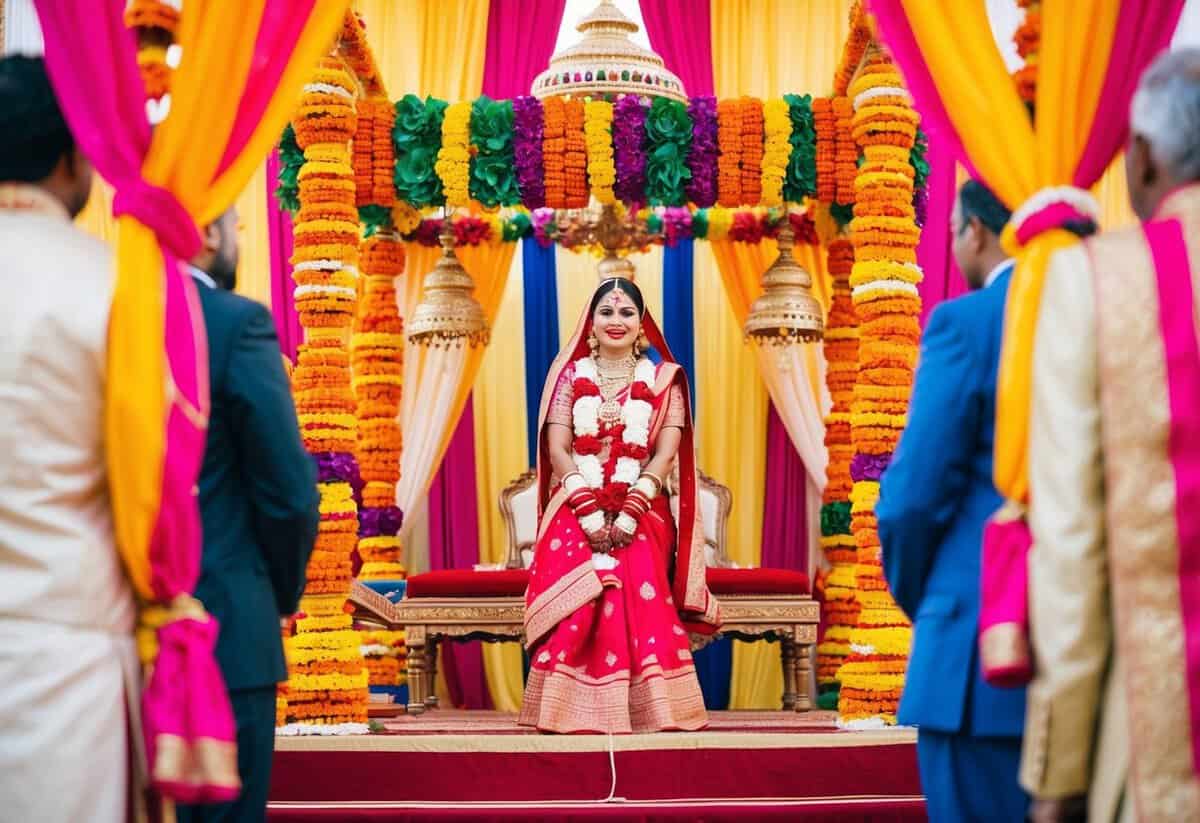
Planning your wedding day is exciting but can be overwhelming. Every detail matters, from choosing the venue to curating the decor and food. Here are some essential aspects you will want to consider carefully.
Selecting the Perfect Venue
The venue sets the tone for your special day. When choosing, consider how many guests you’re inviting. A large guest list might require a spacious banquet hall, while an intimate gathering could be perfect in a cozy garden.
Make sure the venue aligns with your wedding traditions. Look for places that allow cultural elements to shine through. Think about locations that offer beautiful backdrops for photography, like scenic outdoor areas or decorated indoor spaces. Booking early is crucial, especially during peak wedding seasons, so check availability as soon as possible.
Intricate Wedding Decor and Floral Arrangements
Decor creates the ambiance for your wedding day. Use vibrant colors and textures that reflect your style and traditions. Marigolds are a popular choice in Indian weddings, symbolizing prosperity. They can be used in floral arrangements, centerpieces, and even garlands.
Create focal points with stunning backdrops for your ceremonies. Incorporate elements like lighting and draping to enhance the venue’s charm. Additionally, work with a florist who understands your vision. They can help you select flowers that not only look beautiful but also blend well with traditional decorations.
Culinary Delights and Guest Hospitality
The food you serve is a big part of your wedding experience. Craft a menu that showcases your culinary traditions. Consider including popular dishes that your guests will love.
Don’t forget about guest hospitality. Make sure there are enough options to accommodate different dietary needs. Provide a comfortable setting where guests can enjoy their meals and mingle. Personalized touches, such as a signature drink or interactive food stations, can make a lasting impression. Focus on making the dining experience as memorable as the ceremony itself.
Cultural Significance and Traditional Elements
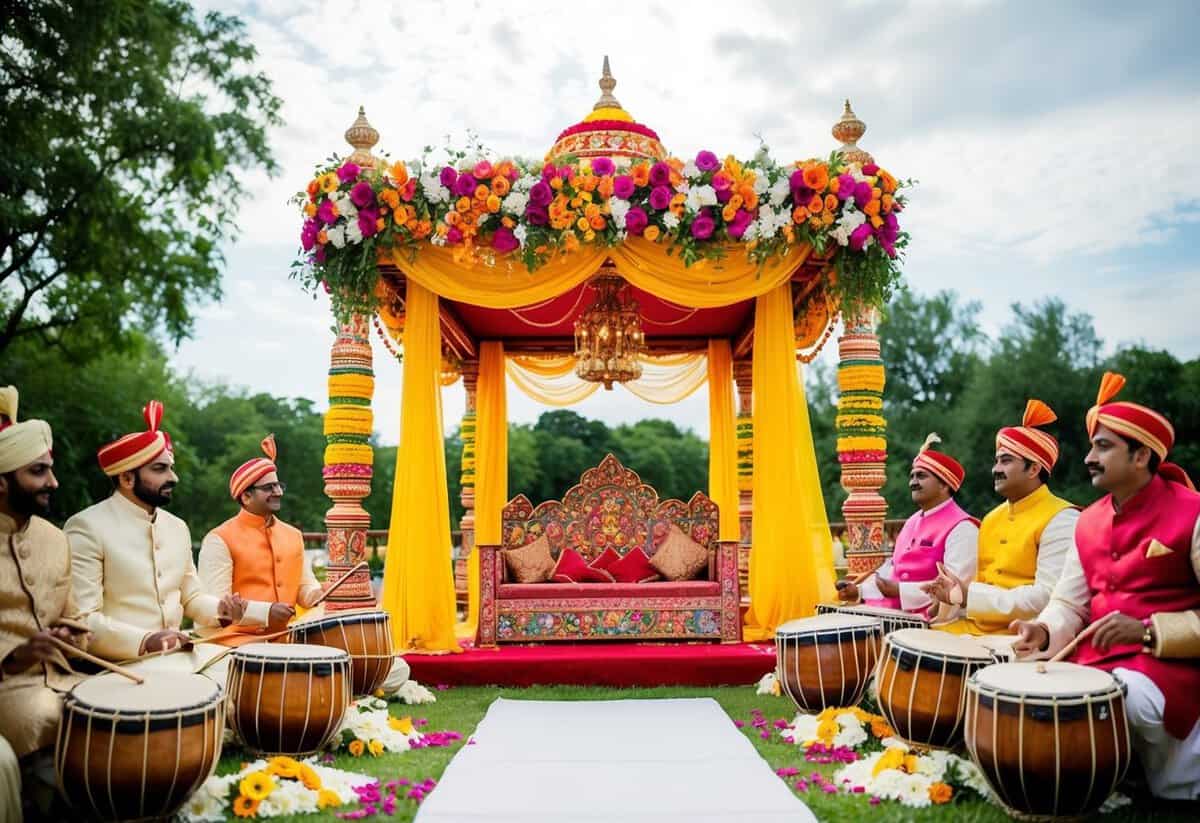
Indian weddings are vibrant celebrations filled with deep meaning and important traditions. Each element, from attire to rituals, holds a special place in the hearts of families and communities.
Wearing the Bridal Lehenga and Jewelry
The bridal lehenga is not just a dress; it is a stunning symbol of beauty and culture. Brides often choose rich colors like red or gold for their lehenga, which represent love and prosperity.
Jewelry also plays a crucial role. Gold and precious stones are preferred because they symbolize wealth and blessings. Traditional pieces may include necklaces, bangles, and maang tikka.
These adornments enhance the bride’s beauty and connect her to generations of women in her family. Each piece of jewelry often carries family history and sentimental value, making it even more special on this important day.
The Mandap Setup for Wedding Rituals
The mandap is a beautifully decorated structure where the main wedding rituals take place. Its design varies by region but commonly involves vibrant flowers, fabrics, and sacred symbols.
The mandap serves as a spiritual space where the couple ties the knot. This is not just a physical structure; it symbolizes a new beginning for the couple.
During the rituals, family and friends gather to bless the couple. The atmosphere is filled with joy, love, and a sense of community, emphasizing the importance of family support in marriage.
Significance of Sindoor in Marital Traditions
Sindoor, a red powder, is a powerful symbol in Indian marriages. After the wedding ceremony, the groom applies sindoor along the parting of the bride’s hair, marking her status as a married woman.
This act holds deep significance as it signifies commitment and devotion. Wearing sindoor is a visible reminder of the bond between husband and wife.
In many cultures, sindoor is also associated with prosperity and protection. It reinforces the importance of marital fidelity and the shared journey that lies ahead for the couple.