
Who Pays for a British Wedding? A Guide to Wedding Costs and Traditions
Planning a wedding involves many details, and one of the biggest questions is about who pays for it all. In British tradition, the bride’s family has often taken on most of the financial responsibilities. However, these customs are changing, and many couples are now sharing costs or having both families contribute.
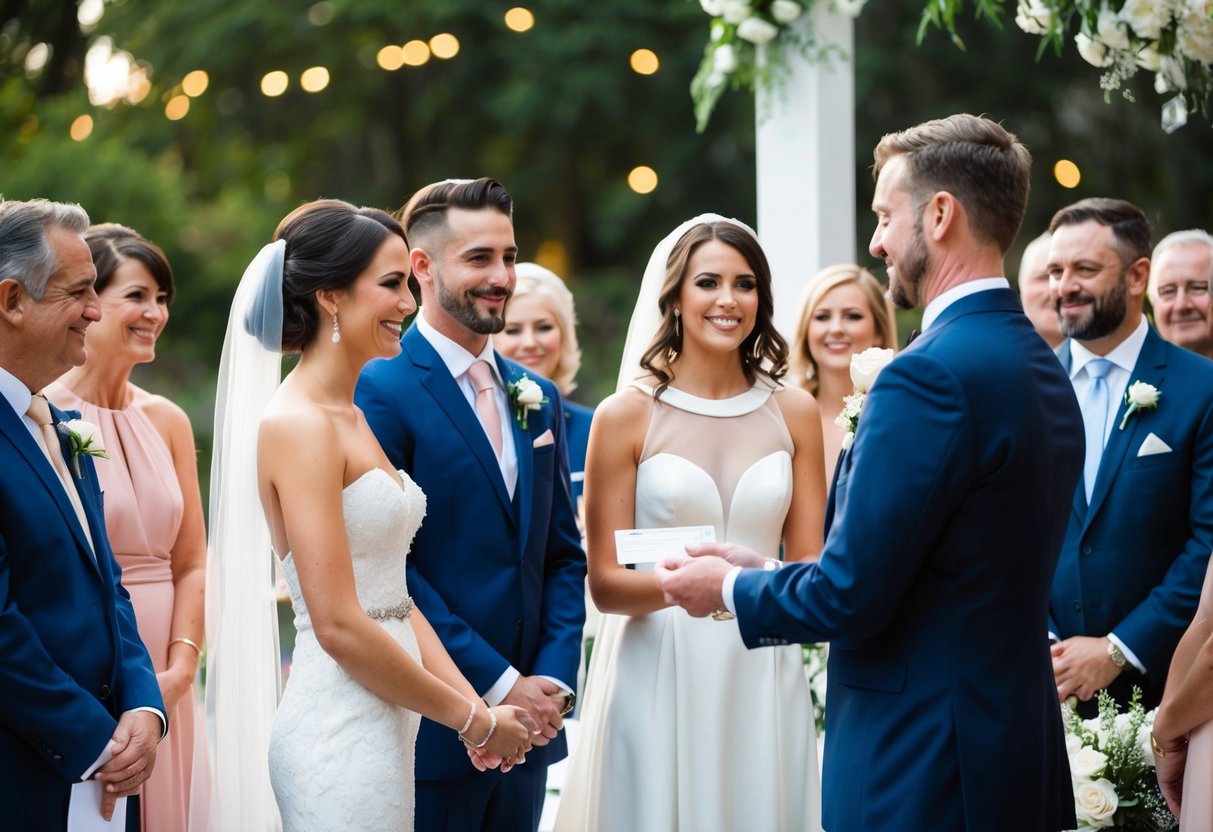
Understanding who pays for a British wedding can help you navigate through wedding etiquette and traditions. This knowledge allows you to have open conversations with family members about financial contributions, ensuring that everyone feels comfortable and included in the planning process.
As you prepare for your big day, consider how these evolving traditions can shape your budget. Whether you choose to follow traditional wedding etiquette or carve out your own path, knowing the common practices can guide you and help avoid misunderstandings.
Financial Responsibilities in British Weddings

When planning a wedding in Britain, figuring out who pays for what can be a big part of the process. Understanding the traditional roles of both the bride’s and groom’s families helps in creating a clear wedding budget. It can also guide you in discussing contributions with your family.
The Role of the Bride’s Family
Traditionally, the bride’s family takes on a significant part of the wedding costs. This often includes expenses such as the venue, catering, flowers, and photographer.
Many times, they also pay for the bride’s dress, makeup, and other beauty treatments. This tradition stems from the idea of the bride’s family presenting her to society during the wedding.
However, the role can vary by family. Some families with different traditions may offer to help more or less. It’s important to have open discussions about what feels comfortable for everyone involved.
The Groom’s Financial Obligations
The groom’s family also has their share of financial responsibilities. Traditionally, they cover costs related to the rehearsal dinner, the officiant’s fees, and the groom’s attire.
Additionally, they may pay for transportation and gifts for the bride’s family. These costs can vary, depending on family expectations and financial situations.
Many modern couples now take a more inclusive approach. You may choose to have the groom’s family contribute to other wedding expenses, providing further financial support where needed.
Shared Expenses and Modern Practices
In recent years, the lines of who pays for what have blurred significantly. Many couples are opting for shared expenses between both families. This helps distribute costs more evenly.
You might find that the bride’s and groom’s families split the budget for major items like the venue and catering. This allows for cooperation in creating the wedding you both envision.
It’s also common for couples to contribute their own funds, allowing them more control over expenses. Open communication between families and the couple is vital to creating a fair and balanced approach.
Key Wedding Expenses Outlined
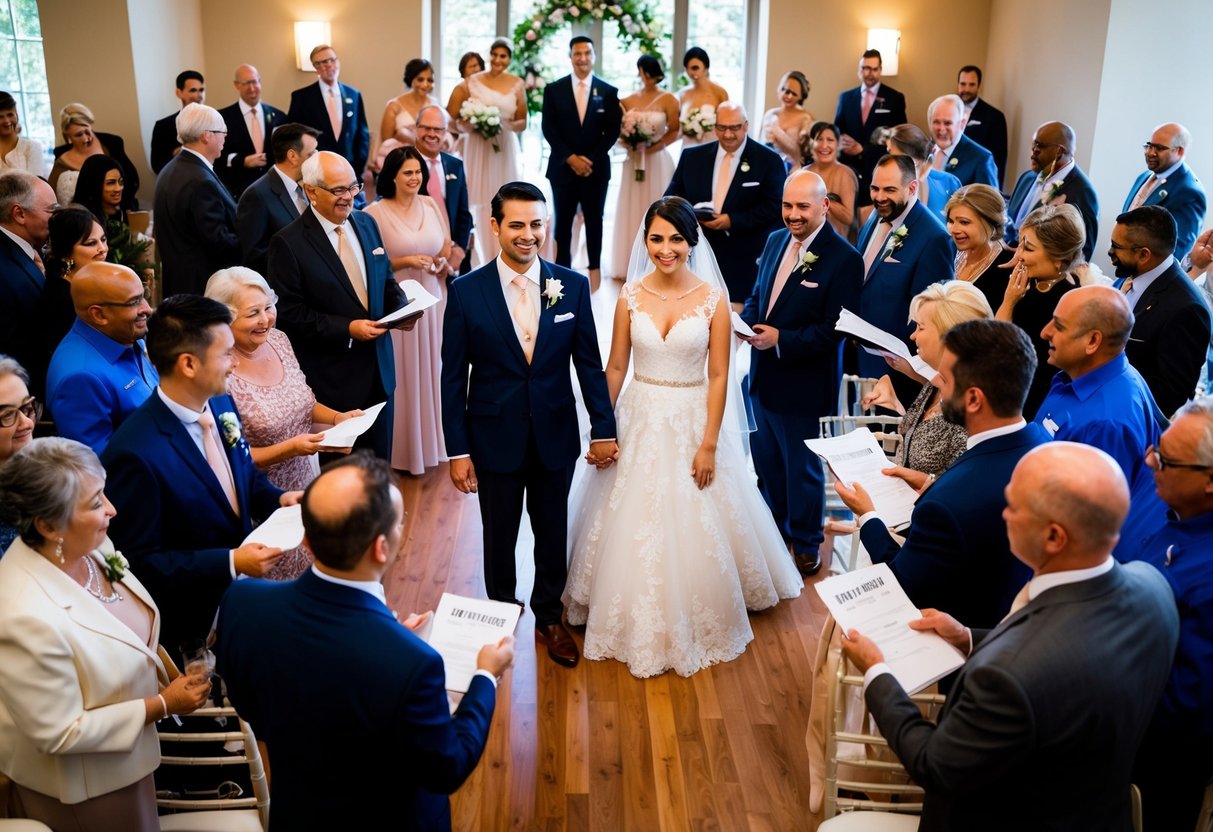
When planning your wedding, it’s important to know what expenses you’ll face. Understanding these costs can help you budget effectively and avoid surprises.
Ceremony and Venue Costs
The venue is often one of the biggest expenses. You’ll need to consider costs for renting the space, which can range significantly based on location and popularity. Typical venue costs can be anywhere from £1,500 to £10,000.
Additionally, you’ll need to pay for ceremony fees, which might include the officiant’s fee and necessary permits. Don’t forget the marriage license, which is required to make your union official; this usually costs around £35 to £50. Wedding insurance is also a wise investment to protect your plans.
Reception and Catering
The reception is where most of your guests will spend time, so it’s crucial to get it right.
Catering costs can vary based on the type of food you choose. A seated dinner can cost between £30 and £100 per guest, while buffet options might be cheaper.
Drinks will also add to your expenses. Consider beverages, bar service, and cake cutting fees. Also, think about any rentals needed for tables, chairs, and linens. A wedding planner can help coordinate these details and may charge a flat fee or a percentage of the total cost.
Dress, Attire, and Rings
The wedding dress is a significant part of your budget. On average, brides spend around £1,000 for their wedding dress. Along with the dress, factor in costs for accessories, hair, and makeup.
Don’t forget the groom’s attire, which can range from £200 for a basic suit to £1,000 for something more formal. Wedding rings are another essential expense. The average couple may spend about £1,500 for both rings combined, but prices can vary widely based on style and materials.
Additional Celebrations and Services
Beyond the ceremony and reception, there are other costs to consider.
You might want to host a rehearsal dinner, which typically costs around £400 to £1,000, depending on the guest list and venue.
Other services like photography and videography are crucial for capturing the day. Prices for a good photographer usually start around £1,200. Additionally, consider florists, decorations, and entertainment, which can add another £1,000 to your budget. Organizing these elements carefully will help you enjoy your special day without financial stress.
Post-Wedding Expenses and Considerations

Once the wedding is over, there are several important expenses to consider. Planning the honeymoon, accommodating guests, and managing after-party activities will ensure a smooth transition into your married life. Here’s what you need to know.
Honeymoon Planning
Your honeymoon is a special time to relax and celebrate your marriage. Selecting the right destination is crucial. Consider places that fit your budget and interest, whether it’s a beach getaway or a city adventure.
Don’t forget to factor in expenses such as flights, accommodations, and activities. Create a budget to help keep track. Popular choices might include a cozy cabin in the mountains or an exotic beach resort.
Make sure to book your honeymoon well in advance to snag the best deals. Keep an eye out for special packages offered by hotels or airlines that cater to newlyweds.
Accommodations for Guests
If you have guests traveling from afar, making accommodations is essential.
Research nearby hotels and consider booking a block of rooms for your wedding attendees. This can often lead to discounts.
When selecting hotels, think about different price ranges to accommodate everyone’s budget. Providing options ensures that friends and family can enjoy your special day comfortably.
It’s also helpful to share all the necessary details with your guests. Include information on how to book, nearby attractions, and transportation options.
After-Party and Gifts
Hosting an after-party can be a fun way to continue the celebration. Consider whether you want a casual gathering or a more formal setting. This helps create lasting memories with friends and family.
While planning, think about any additional expenses for food, drinks, and entertainment. Set a budget to keep these costs manageable.
Finally, don’t overlook the importance of wedding gifts. It’s standard for guests to bring gifts, but you can also collect donations for a honeymoon fund if you prefer experiences over items. Let your guests know what would mean the most to you.