
Who Pays for a Wedding in the UK? Understanding Traditional and Modern Contributions
Planning a wedding can be exciting, but it often raises important questions about who pays for what. Traditionally, the bride’s family has covered many wedding costs. However, modern couples often share expenses with both families and sometimes take on a larger portion themselves. This shift reflects changing times and more open communication about finances.
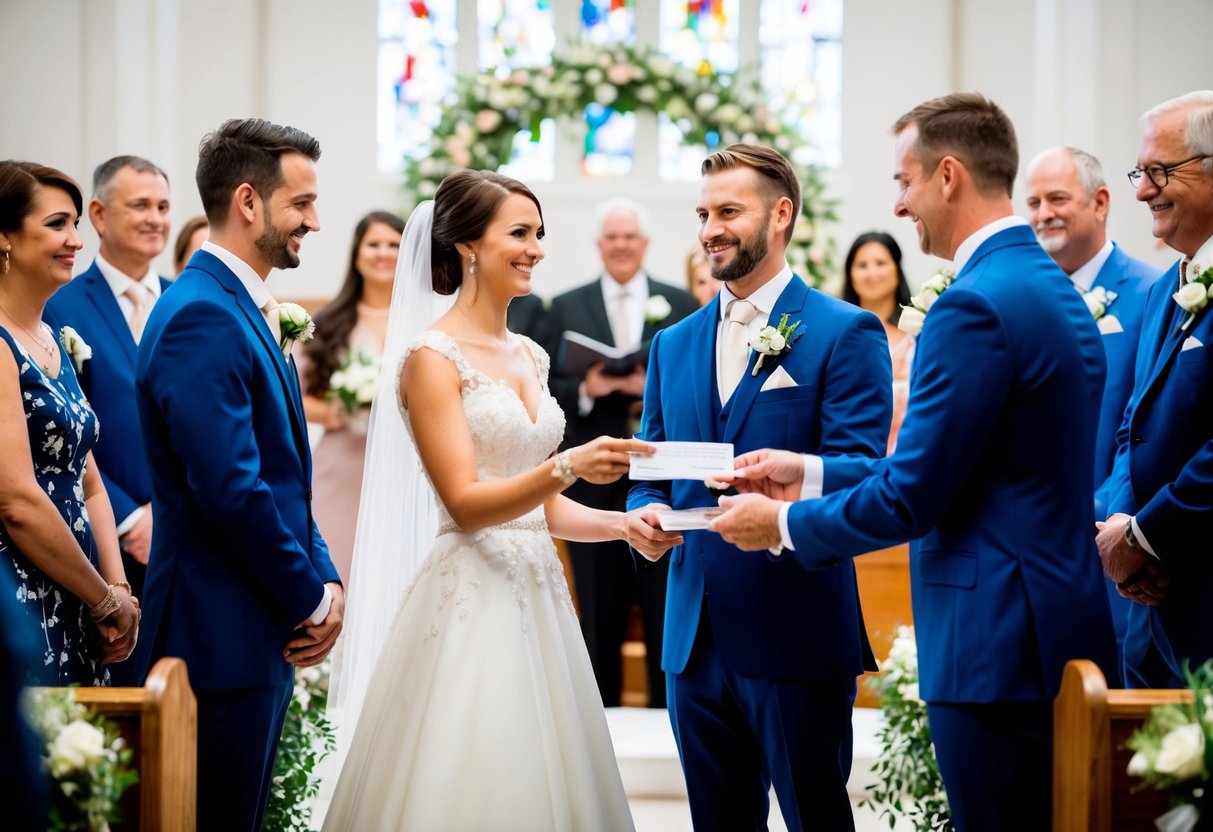
As you navigate the details of your big day, consider how wedding traditions influence expectations around payment. Many couples now discuss financial responsibilities upfront with their families, which helps set clear guidelines and reduce stress. This friendly approach can also strengthen family ties as everyone plays a part in the celebration.
Being open about your budget and costs can lead to a more enjoyable planning experience. Whether it’s about who handles the venue or the catering, figuring out how to split the wedding expenses is essential in making your dream day a reality.
Understanding Wedding Traditions and Etiquette in the UK
When planning a wedding in the UK, it’s important to know who traditionally pays for what. This section will explore historical perspectives, modern practices, and the role of etiquette in financial planning. Understanding these factors will help you navigate your wedding budget smoothly.
Historical Perspectives on Financial Contributions
Traditionally, the bride’s family covered the bulk of the wedding expenses. This included costs for the ceremony, reception, and even the bride’s attire. The groom’s family often contributed to the costs of the reception and honeymoon.
These customs have roots in age-old beliefs about family roles and social expectations. Over the years, many couples have questioned these traditions. Today, you might find that families share costs or even contribute as wedding gifts.
Modern Practices and Expectations
In recent years, couples have embraced a more flexible approach to wedding finances. With many couples getting married later in life, they often have stable jobs and savings. This has changed how expenses are split as both families and the couple contribute.
Now, it’s common for the bride and groom to take a leading role in paying for their own wedding. Shared costs may involve family members covering specific items. This modern practice reflects societal changes and the desire for personal choice in wedding planning.
Role of Wedding Etiquette in Financial Planning
Wedding etiquette plays a significant role in navigating financial responsibilities. Knowing traditional expectations can help you avoid misunderstandings. For instance, if you plan to follow tradition, clear communication with your families is crucial.
Common practices suggest discussing a budget early on. Create a list of who contributes what to prevent conflict later. Understanding these etiquette guidelines can ease planning and ensure everyone is on the same page.
Breaking Down the Wedding Budget
When planning your wedding, understanding the budget is crucial for a smooth process. This section will help you identify how expenses are allocated and the typical costs you may encounter.
Allocation of Expenses
Knowing who pays for what can help clarify your budget. Traditionally, the bride’s family covered most costs, but modern couples often share expenses. Here’s a simple list to consider:
- Venue Rental: Often one of the biggest expenses.
- Catering: Food and drink can take up a large part of the budget.
- Wedding Dress: This can vary widely based on style and designer.
- Decorations: Flowers and table settings can add significantly to costs.
- Entertainment: Consider the band or DJ as a key expense.
Understanding these allocations helps you and your partner create a more realistic budget.
Typical Costs for Key Items
Here are some average costs in the UK for popular wedding expenses:
| Item | Average Cost |
|---|---|
| Venue | £5,000 – £10,000 |
| Catering | £4,000 – £7,000 |
| Wedding Dress | £1,000 – £2,500 |
| Photography | £1,500 – £3,000 |
| Flowers | £400 – £1,000 |
| Entertainment | £800 – £2,000 |
These costs vary, so it’s wise to research and get quotes. Setting priorities can help in deciding where to spend more or less.
Managing the Wedding Budget with Open Communication
Staying open about finances is key. Regular discussions between you and your partner ensure you’re on the same page. Here are some tips:
- Set Clear Goals: Talk about your dream wedding and what that looks like for both of you.
- Create a Spreadsheet: Keep track of costs and who is paying for each item.
- Regular Check-Ins: Schedule monthly discussions to review expenses and adjust the budget as needed.
Communicating openly helps avoid misunderstandings and keeps the planning enjoyable.
Who Covers Specific Wedding Expenses?
When planning your wedding, understanding who pays for specific expenses is essential. The costs can add up, and knowing who takes responsibility for each part can help you budget effectively.
Ceremony and Reception Costs
The ceremony and reception are typically the most significant expenses. Often, the bride’s family covers the venue hire, which includes the ceremony space and reception area. If you choose a more modern approach, you might share these costs with your partner’s family.
Catering costs, including food and drinks, can also be a big chunk of the budget. Traditionally, the groom’s family is responsible for these expenses, but many couples opt to split them. This is a good time to discuss your preferences with both families.
Attire and Personal Items
Attire for the big day can be a substantial expense. The bride usually pays for her wedding dress, but family members sometimes help out. Bridesmaid dresses are often covered by the bridesmaids themselves, although the bride may provide some financial assistance or cover a portion of the costs.
You should also consider other personal items, like wedding rings. Traditionally, the groom buys the engagement ring, while the couple often shares the cost of wedding bands. This sharing can help ease financial pressures.
Pre-Wedding Events and Extras
Pre-wedding events, such as the rehearsal dinner, are often paid for by the groom’s family. This gathering allows both families to come together before the wedding day. Wedding favors are typically the couple’s responsibility, a nice thank-you gesture for guests attending your celebration.
Don’t forget about the wedding cake! The couple usually pays for it, along with any floral arrangements used throughout. Lastly, consider gifts for the wedding party. It’s customary for the couple to cover these, showing appreciation for their support on your big day.
Navigating Financial Support and Contributions
Understanding how to handle financial support for a wedding can seem complex. You may be wondering about the roles of the bride’s and groom’s families, explore alternative funding methods, and recognize the importance of financial planning.
Expectations of the Bride’s and Groom’s Families
Traditionally, the bride’s family has picked up most of the wedding costs. This often includes expenses like the venue, catering, and the dress. However, many families now share these costs.
The groom’s family may also contribute, particularly for specific expenses such as the rehearsal dinner or the couple’s honeymoon. It is important to communicate openly about what each family can afford and what they are willing to cover. This clarity can help set expectations and avoid misunderstandings.
Alternative Methods of Funding a Wedding
You might consider alternative ways to fund your wedding. Crowdfunding can be a modern option, allowing friends and family to help finance your celebration. Websites dedicated to this purpose let you create a campaign to gather support.
Another method is to suggest a “cash gift” approach for your wedding guests. This can be helpful, especially for those who may not know what to give. Gifts toward your wedding costs can alleviate financial pressure. Also, consider budgeting and saving ahead to cover some expenses yourself.
The Importance of Financial Planning and Support
Financial planning is crucial when organizing a wedding. Begin by listing expected expenses like venues, catering, and decor. Then, create a budget that reflects both your vision and your financial reality.
Once you have an estimated budget, discuss it with your families. They may be able to provide guidance or support.
Addressing wedding guest accommodation is also important. Checking if any guests need help with lodging can foster goodwill and strengthen relationships.
Managing finances wisely and communicating openly with family can help you enjoy the wedding planning process.