
Who Pays for a Wedding in the UK? Understanding Traditional Contributions and Modern Trends
Planning a wedding can be both exciting and overwhelming. One of the biggest questions you might face is who pays for the wedding. Traditionally in the UK, the bride’s family has been expected to cover the majority of the costs. However, times have changed, and couples today often share expenses more equally. Open communication with your partner and families can help clarify who will contribute and how much.
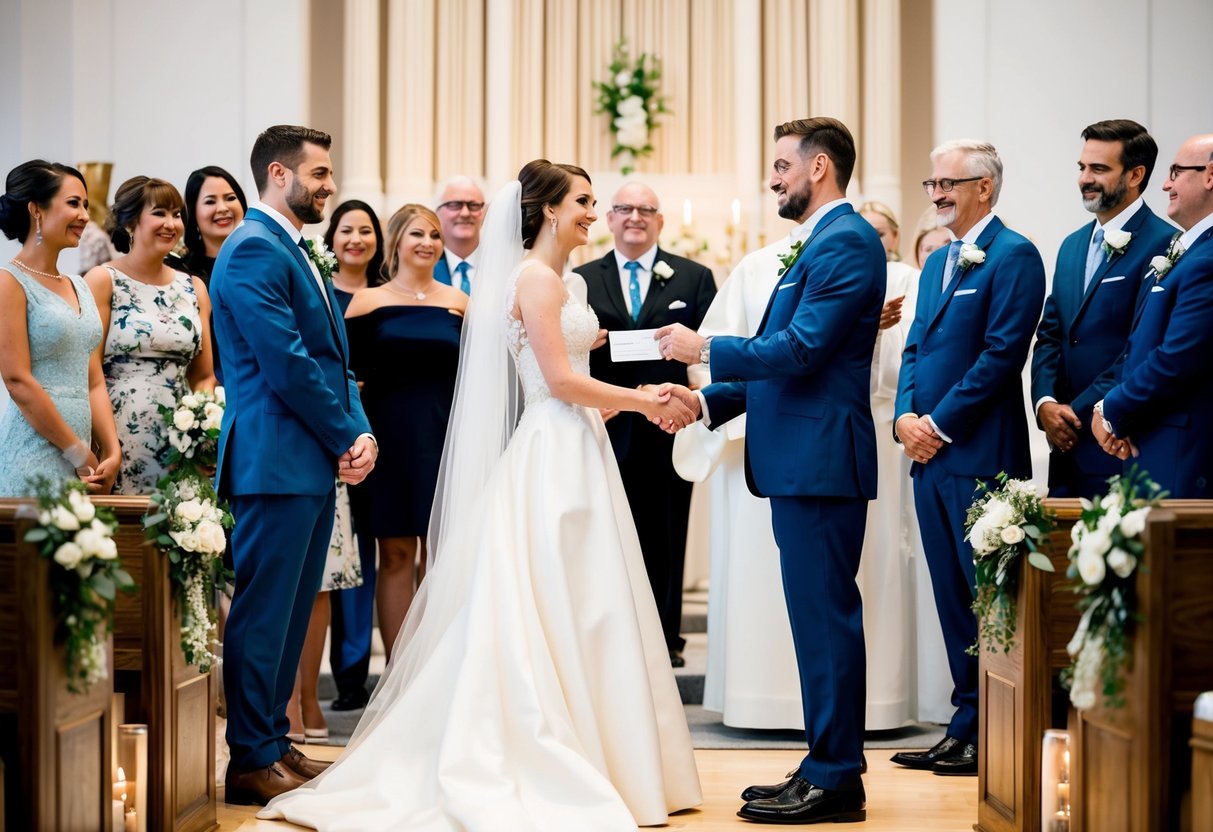
Understanding wedding traditions can also guide your decisions. While the bride’s family may have traditionally footed the bill, modern couples are embracing new approaches. This shift allows both families and the couple to contribute in ways that reflect their individual situations.
By addressing the topic of wedding finances early on, you can set the groundwork for a smooth planning process. It’s essential to discuss expectations and responsibilities openly to avoid any misunderstandings down the line.
Understanding Wedding Financial Traditions in the UK
When planning a wedding in the UK, it’s important to know how financial responsibilities have evolved. Traditionally, certain families took on specific costs, but modern trends show a shift towards shared expenses among all parties involved.
Historical Perspective on Wedding Costs
Traditionally, the bride’s family was expected to cover most of the wedding expenses. This includes costs for the venue, catering, and the wedding dress. Many people believed it was a way for the bride’s family to showcase their wealth and social status.
On the other hand, the groom’s family often paid for the honeymoon and other associated costs. This division of expenses, based on historical customs, shaped how weddings were financed for many years.
Modern Trends and Survey Insights
Today, wedding costs are often split among the couple, their families, or both. Many couples choose to pay for their weddings themselves. A recent wedding survey found that around 39% of couples fund their weddings independently. This change reflects societal shifts and the growing financial independence of couples.
Couples are also blending traditional roles with modern preferences. For instance, it’s now common for both families to contribute equally or for couples to take charge of their own budgeting. This more inclusive approach to wedding finance helps ease the financial burden and allows for personal touches throughout the planning process.
Budgeting for the Big Day
Planning a wedding can be exciting, but managing your budget is key to making it a reality. Knowing how to create a wedding budget, allocate expenses wisely, and manage costs will help you make informed decisions along the way.
Creating a Wedding Budget
Start by determining how much you can realistically spend. Consider your finances and contributions from family or friends. The average cost of a wedding in the UK is around £20,700, so it’s essential to set a figure that reflects your situation.
Next, list all potential expenses. Common items to include are venue hire, catering, photography, and attire. Don’t forget to add extras like wedding insurance and stationery.
It can help to use a spreadsheet or budgeting app to track your spending and adjust as needed. A clear budget will keep you focused and prevent overspending.
Allocation of Expenses
Once you have a budget, break it down into specific categories. Allocate percentages for each part of the wedding, keeping in mind what matters most to you. Here’s a simple example:
- Venue: 30%
- Catering: 25%
- Photography/Videography: 15%
- Attire: 10%
- Entertainment: 10%
- Miscellaneous: 10%
This structure lets you see where your money will go. Adjust these numbers based on your priorities. For instance, if photography is important, consider moving funds from the miscellaneous category.
Managing Wedding Costs
As you plan, stay on top of your expenses to avoid surprises. Keep receipts and records of all payments to ensure you stay within budget. Check in regularly to see if you’re on track.
Consider DIY options for items like decorations or invitations. This can reduce costs while adding a personal touch. Also, compare prices from different suppliers to find the best deals.
Don’t shy away from asking vendors for discounts or deals. Many are willing to work with you to stay within your budget. Staying organized and proactive with your budgeting will help you enjoy your big day without financial stress.
Particular Costs and Who Generally Pays
When planning your wedding, it’s important to know which costs typically fall on different parties. Understanding these details can help ease financial stress and allow for better planning.
Key Expenses: Venue, Catering, and Attire
The venue is often one of the largest expenses. In the UK, venue hire can range from £7,000 to £8,000 or more. Traditionally, the bride’s family covers this cost, but many couples now share the expense.
Next, catering costs can also add up quickly. A seated dinner may cost around £50 to £100 per person, depending on the menu. Couples often divide this cost between both families or cover it together.
Your attire is another significant cost. The average wedding dress can cost around £1,000. While the bride’s family traditionally pays for this, many modern couples choose to cover these costs independently.
Additional Considerations: Rings, Flowers, and Decor
Wedding rings are a key symbol of your commitment. Typically, the groom’s family buys the engagement ring. The couple usually shares the cost of wedding bands, which can range from £500 to £3,000.
Flowers and decor also play an important role in your wedding. The bride’s family often covers the costs for bouquets and venue decorations, which can range from £1,000 to £2,500. Couples should decide together on the style and budget.
Finally, don’t forget the wedding cake. This sweet centerpiece usually costs between £300 and £600. Traditionally, the bride’s family pays for the wedding cake, but splitting the cost with the groom’s family is common in modern weddings.
Etiquette and Communication
When planning a wedding, discussing finances openly with family and friends is crucial. You want to ensure everyone understands their roles and contributions clearly. This includes financial support and gifting. Knowing how to navigate these conversations can make the process smoother.
Discussing Finances with Family and the Wedding Party
Start by having an open conversation with your family about who will contribute to the wedding costs. Traditionally, the bride’s family covers major expenses like the reception. However, many modern couples share the costs or have both families contribute.
Be specific about what each party is comfortable handling. You may consider creating a simple list of items and their estimated costs. This helps everyone see where they can help and understand expectations.
Encourage open dialogue to avoid misunderstandings later on. If relatives wish to contribute, discussing how they want to help can ease any pressure. Also, make sure to keep the wedding party in the loop about any relevant changes.
Gifts, Favours, and Acknowledgments
Gifts and favours add a special touch to any wedding. The couple may receive gifts from family, the wedding party, and guests. Setting expectations early regarding gifts is helpful.
You might want to discuss whether you prefer cash gifts or specific items. If you have a wedding registry, share that information with guests to guide their choices.
Don’t forget to acknowledge contributions from family and friends. Sending thank-you notes post-wedding is a thoughtful gesture that shows appreciation.
Wedding favours, small tokens of gratitude for guests, also require attention. You can choose souvenirs that reflect your style and theme to make them memorable.