
Who Pays for a Wedding Rehearsal? Understanding Costs and Responsibilities
When planning a wedding, many details need attention, and one important question often arises: Traditionally, the groom’s family pays for the wedding rehearsal dinner, but it can also be hosted by the bride’s family, close friends, or the couple themselves. This flexibility allows you to choose an arrangement that works best for your situation and budget.
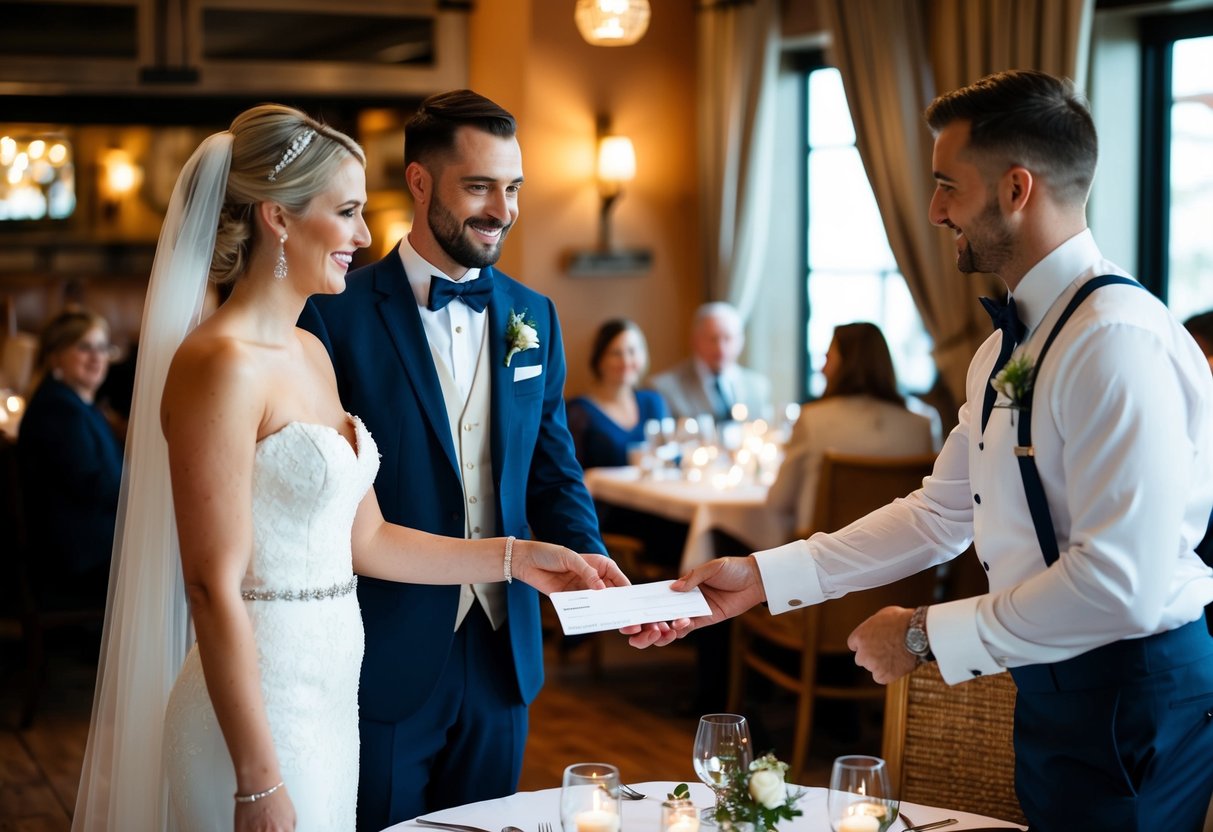
The rehearsal dinner is a great opportunity to gather loved ones before the big day. It typically includes the wedding party, immediate family, and others closely involved in the ceremony.
Understanding who traditionally pays can help streamline discussions and expectations, ensuring everyone is on the same page as you plan this special event.
As you navigate the world of weddings, knowing the ins and outs of rehearsals and their associated costs will make your planning process easier. Striking the right balance between tradition and personal preferences can set a positive tone for your celebration ahead.
Traditions and Responsibilities
When planning a wedding, knowing who pays for the rehearsal dinner is important. This section covers the traditions surrounding wedding expenses, modern etiquette, family roles, and the specific expectations placed on the groom’s parents. Understanding these elements can help you navigate the financial aspects of your special day with ease.
Historical Overview of Wedding Expenses
In the past, specific customs dictated who paid for different parts of a wedding. Traditionally, the groom’s family was responsible for covering the rehearsal dinner. This dinner often served as a way to welcome family and friends before the big day.
Over time, many couples have adapted these customs. Nowadays, financial responsibilities can vary greatly based on families’ preferences and budgets. More couples are now sharing costs or allocating expenses differently to meet their unique needs.
Etiquette and Modern Practices
Today’s wedding etiquette is less rigid than before. You may find that many couples choose to pay for their rehearsal dinner together. This modern approach often reflects a desire for equality and cooperation in planning their wedding.
As you plan, consider discussing financial responsibilities with your partner and families. Open communication can clear up any uncertainties about who pays for what. In some cases, the groom’s parents might still take the lead, especially if they are hosting a larger event.
Family Involvement and Expectations
Family dynamics play a big role in deciding who pays for the rehearsal dinner. In some families, traditions are strong, and expectations remain clear. The groom’s family might still feel responsible if they are hosting the dinner.
However, with changing times, many families are more flexible. If your family is not strict about traditions, you might feel free to create your own rules. Involving both families in the conversation encourages transparency and unity.
Groom’s Parents’ Role
Traditionally, the groom’s parents have a significant role in wedding expenses. They often pay for the rehearsal dinner as a gesture of goodwill toward the bride’s family. This responsibility has become less formal but can still hold value in certain families.
If the groom’s parents are contributing, be sure to discuss their expectations. This includes how elaborate the dinner will be and what your budget allows. Open discussions can help manage expectations and ease any financial stress related to this event.
Planning the Rehearsal Dinner

Planning your rehearsal dinner is an exciting part of the wedding journey. This event sets the tone for the celebrations ahead and allows you to spend quality time with loved ones before the big day. Let’s break down the key aspects you need to consider.
Setting the Budget
Your rehearsal dinner budget is one of the first steps to tackle. Determine how much you’re willing to spend before diving into specifics. This amount can greatly influence your choices for venue, food, and guest list.
Typical expenses include:
- Venue rental
- Catering
- Decorations
- Invitations
Don’t forget to account for any gifts you may want to give to your wedding party. Having a clear budget helps you prioritize what’s essential and avoid overspending.
Choosing a Venue
Selecting the right venue sets the atmosphere for your rehearsal dinner. Think about locations that match your style and comfort. Options range from private homes to restaurants or banquet halls.
Here are a few venue ideas:
- A cozy restaurant that you love
- Outdoor spaces like parks or gardens
- A banquet hall with a nice view
Consider availability as you reach out for reservations. A good practice is to tour a few locations to see what feels right. Make memories in a spot that resonates with you and your loved ones.
Creating the Guest List
When crafting your guest list, think about who you want to share this special moment with. The rehearsal dinner is typically smaller than the wedding but should include key people.
Consider inviting:
- Immediate family
- Wedding party members
- Close friends
It’s helpful to send out invitations early. This not only allows people to save the date but also helps you finalize your plans based on how many can join. It’s a time to connect with those who have supported you on your journey.
Selecting Food and Beverages
Food and drinks are central to your rehearsal dinner. Think about your favorite cuisines and the preferences of your guests.
While it’s easy to lean toward traditional menus, consider unique options that reflect your tastes.
Tips for selecting food:
- Choose a comfortable dining style, like buffet or plated meals.
- Offer a variety of options, accommodating dietary restrictions.
- Don’t forget about beverages—include both alcoholic and non-alcoholic options.
Consider working with a caterer who can help you tailor a menu for your guests. Ask for tastings to ensure the meals you select meet your expectations.
Making the Rehearsal Dinner Special

Creating a memorable rehearsal dinner involves thoughtful planning in areas like themes, dress code, and seating arrangements. Small details can make the event feel uniquely yours, setting the right tone for the wedding weekend.
Themes and Decorations
Choosing a theme adds a personal touch to your rehearsal dinner. You can go for classic themes like rustic, beach, or garden, or opt for something quirky that reflects your interests.
Decorations can enhance the ambiance. Think about using table centerpieces, string lights, and seasonal flowers. You might also want to incorporate pictures from your relationship as part of the decor.
Don’t forget to add custom elements, like themed tableware and personalized napkins. This attention to detail impresses your guests and makes the evening feel festive.
Dress Code and Atmosphere
Setting a dress code ensures that everyone is on the same page. You can suggest something formal, casual, or even themed attire that matches your dinner’s vibe.
For example, if you choose a beach theme, encourage lightweight, summer attire. If it’s a formal event, suggest cocktail dresses or suits.
Creating the right atmosphere is also key. Use music that reflects your style and enhances the dining experience. Soft lighting can create a warm and inviting setting, making your guests feel comfortable and engaged.
Arranging Seating and Activities
Seating arrangement impacts the flow of the evening. You can use a seating chart for a structured layout, or allow for open seating to create a relaxed vibe.
Place people who know each other together but also mix in guests who may not be familiar with each other. This way, everyone has a chance to connect and share stories.
Adding activities like games or a toast can keep things lively. Simple games can break the ice and allow guests to mingle. Consider sharing fun anecdotes about your journey to tie everyone together in celebration.
Additional Considerations for the Wedding Rehearsal

Planning your wedding rehearsal is just as important as preparing for the ceremony itself. There are several aspects to consider, especially if you’re tackling a destination wedding, managing last-minute updates, or simply organizing details for the rehearsal dinner.
Rehearsal Dinner for Destination Weddings
If you’re hosting a destination wedding, the rehearsal dinner may require more thought. First, consider the location. Choose a venue that can comfortably accommodate your guest list and has a welcoming atmosphere.
Next, factor in the rehearsal dinner cost. Destination venues can vary widely in price, so it’s crucial to set a budget early.
After setting your budget, communicate with your guests about travel plans and accommodations. This ensures everyone can attend without any issues.
Additionally, consider arranging group activities after the dinner. This can help guests bond and feel relaxed before the big day. Don’t forget to send wedding invitations that include all relevant details, ensuring everyone is informed.
Last-Minute Changes and Updates
When planning the rehearsal dinner, be prepared for last-minute changes. Whether it’s adjusting the guest list or changing the venue, flexibility is key.
Make a checklist of potential changes that could arise and how you can tackle them quickly. Then, notify your guests of any updates as soon as possible.
Use social media, group chats, or a dedicated wedding website to keep everyone informed. This is especially helpful for destination weddings, where logistics can shift easily.
Remember to keep an open line of communication with your vendors and venue to ensure everything goes smoothly. A last-minute update can be stressful, but being organized and proactive can save the day.
A Comprehensive Guide to Rehearsal Dinners
Here’s a helpful guide for planning your rehearsal dinner. First, decide who will pay for the event. Traditionally, the groom’s parents pay, but many couples now split the costs or host it themselves.
Next, select a date and time. The dinner typically takes place the evening before the wedding. Ensure that it fits well with your schedule and allows guests to attend comfortably.
Plan the menu carefully. Choose options that cater to the dietary needs and preferences of your guests. A good mix of appetizers, main courses, and desserts will keep everyone satisfied.
Finally, think about the atmosphere. Whether you’re aiming for a casual gathering or a more formal setting, the vibe should reflect your wedding style. A well-planned rehearsal dinner sets a joyful tone for the weekend ahead.